
Reviewed · GHANAIAN NAMING CEREMONY EXPERIENCES
Traditional Naming Ceremony For African Americans In Kumasi
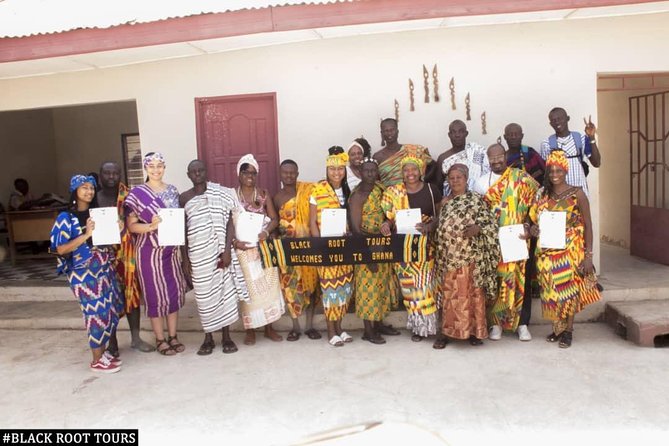
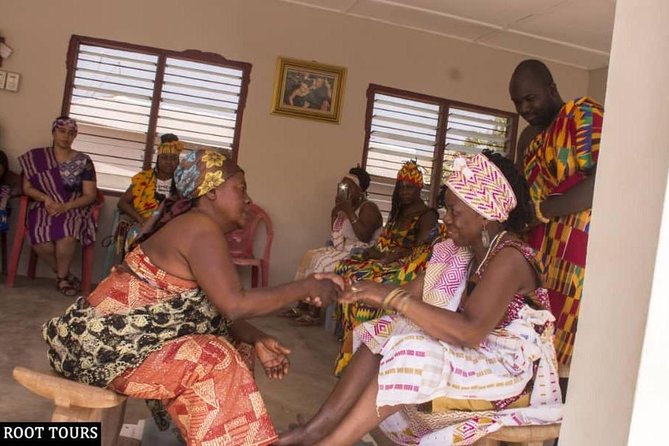
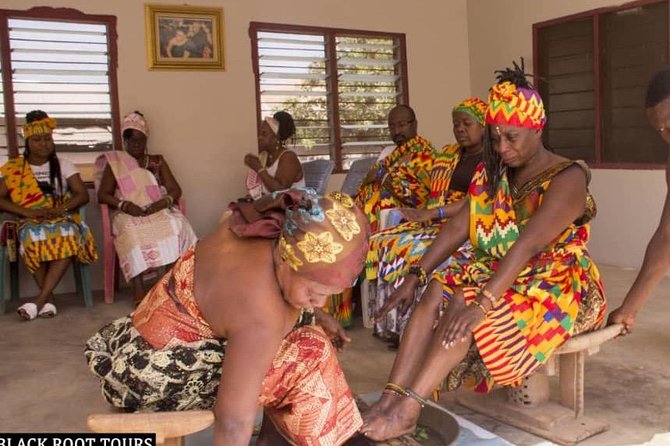
The heart of this Kumasi experience is a traditional Asante naming ceremony created for African Americans seeking a personal connection with Ghana. A chief selects a name based on the day you were born, then presents it with a certificate and a woven Kente script. Guide Maclean Afful leads the day, and the ceremony gives the visit a personal focus that ordinary sightseeing rarely provides.
I like the private format, since your own group can ask questions and take the ceremony at a respectful pace. I also like the pairing of the rite with Ntonso Adinkra crafts and Adanwomase Kente weaving, plus lunch and an air-conditioned vehicle. The main consideration is that admission charges at the craft villages are not included, and personal shopping costs extra.
Key points to know before booking
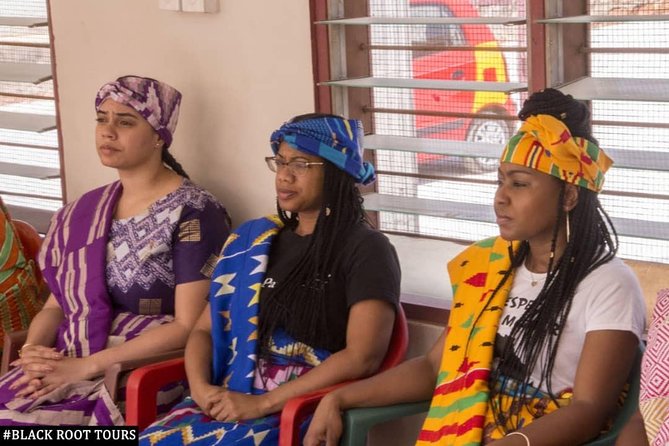
- Your Asante name is selected from your birth day: The ceremony gives you a name connected to Asante custom, rather than a souvenir chosen from a list.
- Maclean Afful guides the experience: The provider is Root Tour Ghana, and the guide’s patient, easy-to-work-with manner is a repeated strength.
- Two textile villages add useful context: Ntonso focuses on Adinkra cloth stamping, while Adanwomase is known for Kente weaving.
- The tour lasts about four hours: It begins at 9:00 am and returns to the meeting point.
- Lunch and private transport are included: You ride in an air-conditioned vehicle, with fuel covered in the price.
- Budget extra money for admission and shopping: Entry fees at both listed stops are not included, and personal purchases are separate.
A personal name at the center of the Kumasi visit
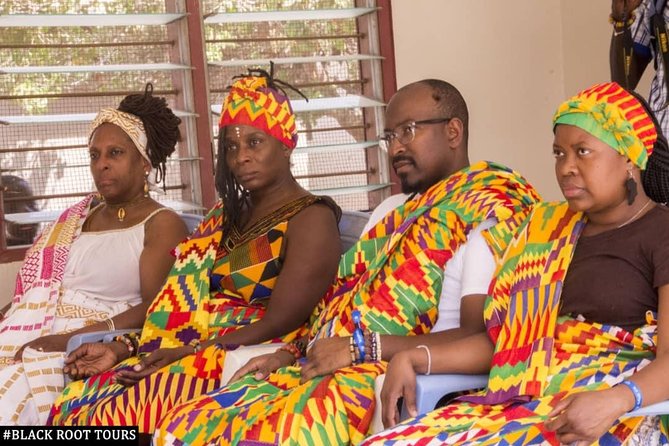
A naming ceremony can turn a Ghana trip from a sequence of sights into something that feels made for you. In this Asante setting, your new name is selected according to the day of your birth. That detail gives the ceremony a clear cultural structure and helps you understand that the name is not simply a nickname picked for fun.
The experience is aimed at African Americans visiting Kumasi, Cape Coast, or Accra. Kumasi is the stated location, so you should confirm the pickup arrangement and meeting point when booking if you are staying outside the city or combining this with a wider Ghana itinerary.
The ceremony includes two tangible items: a certificate with your name and a woven Kente script. These make the moment easier to remember after you return home, but the more important part is the act of receiving a name in an Asante cultural setting. You should approach it with respect and curiosity, rather than treating it as a costume moment or a quick photo opportunity.
The personal side of the event has clearly mattered to people who booked it. One participant received the name Abena Agyemang, chosen in honor of the chief’s late wife. That example shows how emotional and personal the naming can become. The exact name you receive depends on your birth day and the ceremony itself, so you should not expect to choose it in advance.
More ghanaian naming ceremony experiences in Kumasi:
- Traditional naming ceremony For African Diasporas in Kumasi
★ 5.0 · 10 reviews - Full Day Tour with Traditional Naming Ceremony in Kumasi
★ 5.0 · 4 reviews - The Ancestral Naming Ceremony and Home Coming Experience
★ 5.0 · 30 reviews
Maclean Afful and the private-tour format
Root Tour Ghana provides the experience, with Maclean Afful identified as the guide. His role matters here. A naming rite needs explanation and a calm hand, especially if you are unfamiliar with Asante customs or are visiting Ghana to explore family and ancestral connections.
A private tour means only your group participates. I see that as a real advantage for this activity. You can ask about the name, the ceremony, the cloth, and the meaning of what you are seeing without having to fit into a large group’s schedule. It also gives your family or friends room to share the moment together.
The available feedback gives Maclean particular credit for being kind, patient, and easy to work with. One person described him as a guide who helped reconnect them with their ancestors. Those are strong qualities for a cultural experience, though you should still remember that the ceremony itself is the central event, not a performance staged around the guide.
The tour begins at 9:00 am and lasts about four hours. That is long enough to include the naming rite, both craft stops, a cocoa farm visit, and lunch, while leaving room in the day for another Kumasi activity. The exact order and time spent at each place are not specified, so ask Maclean about the day’s running plan if you have a tight schedule.
Ntonso and the work behind Adinkra cloth
The first listed stop is Ntonso Adinkra Craftsmen, described as an Adinkra cloth stamping village. This adds an important practical layer to the ceremony. You are not only receiving a Kente-related presentation. You are also seeing another Ghanaian textile tradition and the hands-on work connected to it.
Adinkra cloth is made through stamping, and the village visit gives you a chance to see the craft setting rather than only encountering finished fabric in a shop. The available details do not specify which symbols will be demonstrated or how long the visit lasts, so do not assume that a particular workshop or demonstration is guaranteed.
Admission to Ntonso is not included. That is a small but important budgeting point. The tour price covers the vehicle, fuel surcharge, lunch, and the arranged experience, but you should carry extra money for entry and anything you decide to buy.
Shopping is also excluded. This is useful to know because craft villages naturally invite browsing. You can look at Adinkra cloth and other handmade items, but purchases are personal expenses, not part of the $180 fee. I would decide beforehand how much you want to spend, since a meaningful ceremony and a shopping stop can easily become two different parts of the day.
Adanwomase Kente weaving and the cocoa farm
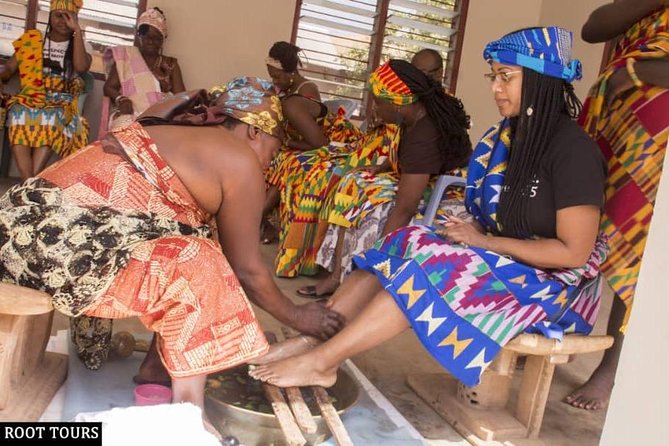
The second stop is Adanwomase Kente Weaving Village, paired with a cocoa farm tour. Kente is one of Ghana’s best-known textiles, and seeing it in a weaving village helps you connect the ceremonial Kente script with the labor and skill behind the cloth.
The visit should be especially useful if you want more than a formal presentation. You can compare the Adinkra stamping tradition at Ntonso with Kente weaving at Adanwomase. One uses repeated stamped designs, while the other centers on woven cloth. The tour information does not give technical details about the looms, patterns, or demonstrations, so treat the stop as a village visit rather than expecting a set classroom lesson.
The cocoa farm portion broadens the day beyond textiles. Ghana is closely associated with cocoa production, and a farm visit gives the ceremony and craft stops a more local setting. Still, the provided details do not say what stage of cocoa production you will see or how much time is spent on the farm. If cocoa is a major interest, ask the guide what the visit includes before you go.
Admission at Adanwomase is also not included. Add both village entry charges to your planning, and keep shopping money separate. The tour is private, so you may be able to discuss how much time you want for browsing, but do not count on every purchase being covered by the booking price.
More kumasi cultural tours in Kumasi:
- Tour Kumasi City Like a Local
★ 4.5 · 34 reviews - Kumasi City Tour
★ 5.0 · 8 reviews - Kumasi City Tour
★ 4.5 · 7 reviews - One day tour at Kumasi
★ 5.0 · 6 reviews
What the $180 price covers
The price is $180 per person. Its value depends on how much you want from the cultural side of the visit, not just on the number of hours. You are paying for a private four-hour outing, an arranged naming ceremony, an Asante name, the Kente script, a certificate, lunch, an air-conditioned vehicle, and fuel.
For a solo visitor, the per-person cost may feel high compared with a simple city transfer or a short village visit. For a family or small private group, the value is easier to judge because you are paying for a dedicated experience rather than joining strangers on a large coach.
Lunch is included, which simplifies the middle of the day. Air conditioning is another practical plus in Ghana’s heat, particularly when you are moving between Kumasi and craft villages. The fuel surcharge is included too, so you are not left guessing about a separate transport charge.
The price does not include admission at Ntonso or Adanwomase. It also does not include personal shopping. I would ask for the current entry fees before the morning begins, because the booking information does not list them. That lets you compare the full cost fairly instead of looking only at the headline price.
Why the private setting matters for this ceremony
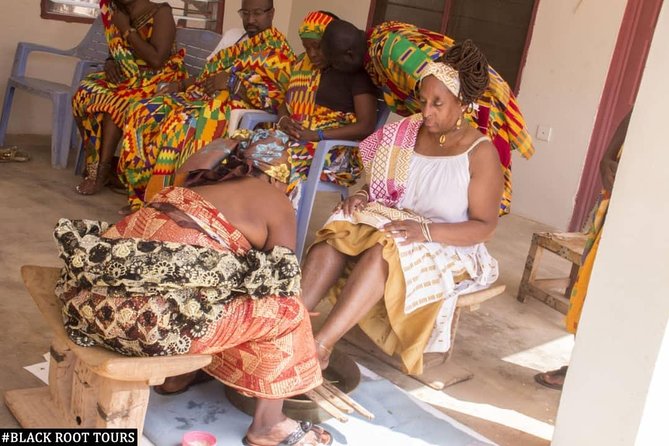
A group naming ceremony can be moving, but a private one gives you more control over the atmosphere. If you are traveling with relatives, you can share the moment without being surrounded by a busload of people. If you are traveling alone, you can focus on the meaning of the rite and ask direct questions.
The private format also suits people who want to discuss identity, family connections, or the significance of receiving an Asante name. You do not need to be an expert in Ghanaian culture. You do need to arrive open-minded and willing to listen.
I would not book this as a quick photo stop. The ceremony has emotional weight, and one participant described it as life-changing after being named for the chief’s late wife. Your own experience may be quieter or more formal, but the point is the personal connection, not a guaranteed dramatic moment.
The tour is also a good fit if you want a cultural activity that includes more than a ceremony. Ntonso, Adanwomase, and the cocoa farm give the day some range. If you only want a naming rite and do not care about textiles or farming, part of the four-hour schedule may feel less important to you.
Practical planning for the 9:00 am start
Pickup is offered, but the supplied details do not identify every pickup area. Confirm the exact pickup point or meeting point when you book. The activity ends back at the meeting point, so you should plan your next stop from that same location unless the provider confirms another arrangement.
Confirmation is provided at booking. The tour is near public transportation, and most people can participate. No special accessibility details are provided, so if you need specific mobility support, ask Root Tour Ghana before paying.
Good weather is required. If poor weather cancels the experience, you are offered another date or a full refund. You can cancel for a full refund up to 24 hours before the start time, based on local time. Cancellations or changes made less than 24 hours before departure are not refunded or accepted.
Wear something comfortable for a half-day outing and bring room in your budget for entry charges and shopping. Since the ceremony is connected to clothing and textiles, you may also want to think about how you dress, choosing something respectful and comfortable without assuming that special ceremonial clothing is provided.
Who should choose this experience
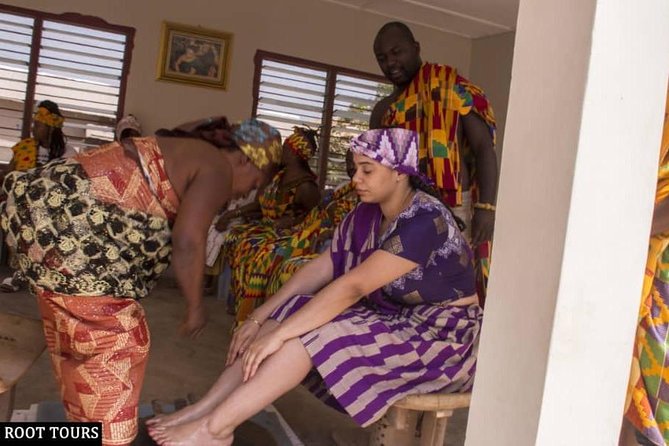
I would recommend it most strongly to African Americans who want a direct, personal connection with Ghana during a visit to Kumasi. It suits people interested in ancestry, cultural identity, Asante naming customs, and Ghanaian textiles.
It can also work well for families, couples, and small friend groups. The private format lets your group share the event at its own pace, while lunch and private transport keep the day straightforward.
You may want to skip it if you prefer a fast sightseeing schedule, dislike formal cultural activities, or have no interest in receiving a name. The craft villages and cocoa farm add variety, but the naming ceremony remains the reason to book.
The strongest praise for this experience centers on the emotional impact of the rite and Maclean’s patient guidance. That is where the tour earns its price. The textile visits, lunch, and vehicle make the arrangement convenient, but they are supporting parts of the day.
Should you book the Kumasi naming ceremony?
Book it if you want your Ghana trip to include a personal cultural moment rather than only monuments, markets, and standard tours. The combination of an Asante name, Kente script, certificate, craft villages, cocoa farm, lunch, and private transport gives you a full half-day with a clear purpose.
Before booking, confirm the pickup details, admission charges, and what the ceremony schedule includes. If you approach the rite respectfully and allow yourself time to take it in, this can become one of the most meaningful parts of a Kumasi visit. If you only want casual sightseeing, choose another outing and spend the $180 elsewhere.
FAQ
Where does the naming ceremony take place?
The experience is based in Kumasi, Ghana. It is designed for African Americans visiting Kumasi, Cape Coast, and Accra, but the stated tour location is Kumasi.
What time does the tour begin?
The tour starts at 9:00 am.
How long does the experience last?
It lasts approximately four hours and ends back at the meeting point.
Is pickup available?
Yes. Pickup is offered, but you should confirm the exact pickup location when booking.
What do I receive during the naming ceremony?
You receive a new name selected according to the day you were born from Asante culture. The chief also presents a woven Kente script, and you receive a certificate with your name.
Are lunch and transportation included?
Yes. Lunch, an air-conditioned vehicle, and the fuel surcharge are included.
Are admission fees and shopping included?
No. Admission tickets for Ntonso and Adanwomase are not included. Personal shopping is also separate.
Can I cancel for a full refund?
Yes, if you cancel at least 24 hours before the experience start time. Cancellations made less than 24 hours before the start time are not refunded. If poor weather causes a cancellation, you are offered another date or a full refund.
Just added around Kumasi
- Kumasi Culture and Heritage Tours★ 4.5 · 3 reviews
- Full Day Tour with Traditional Naming Ceremony in Kumasi★ 5.0 · 4 reviews
- Discover kumasi Tours★ 5.0 · 3 reviews
- Kumasi City Tour★ 4.5 · 3 reviews
- Kumasi: City Tour★ 5.0 · 3 reviews
- One day tour at Kumasi★ 5.0 · 6 reviews
- Lake Bosomtwe Boat Cruisely and Kumasi City Tours★ 4.5 · 6 reviews
- Kumasi City Tour★ 4.5 · 7 reviews
Ghanaian Naming Ceremony Experiences, compared.

The Ancestral Naming Ceremony and Home Coming Experience
Read our review →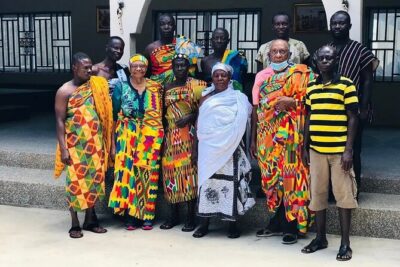
Naming Ceremony and Heritage Homecoming Experience for Diasporas
Read our review →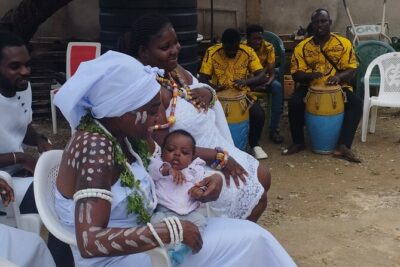
Traditional Naming Ceremony and Boat Cruise Experience
Read our review →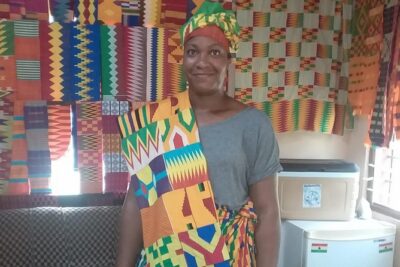
Kumasi Heritage Tours And Naming Ceremony In A Day
Read our review →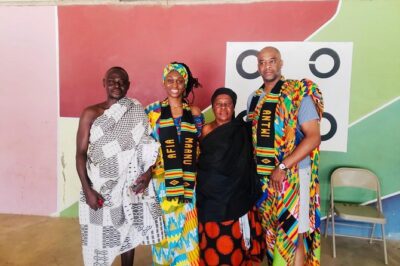
Traditional naming ceremony For African Diasporas in Kumasi
Read our review →
Naming Ceremony, Assin Manso Slave River and Cape Coast Castle
Read our review →
Cultural Village Tour: Traditional Naming Ceremony
Read our review →
Full Day Tour with Traditional Naming Ceremony in Kumasi
Read our review →Browse the lists this tour appears in