
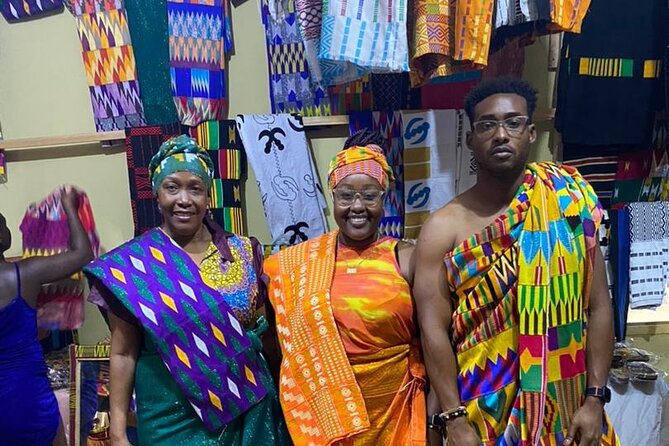
Reviewed · GHANAIAN NAMING CEREMONY EXPERIENCES
Full Day Tour with Traditional Naming Ceremony in Kumasi
The heart of this Kumasi experience is the traditional Asante naming ceremony, where you receive a new Asante name and take part in a rite connecting you with your ancestors. The ceremony gives the day personal meaning that a standard craft visit cannot provide.
I like the pairing of Bonwire Kente weaving with Ntonso Adinkra printing, since you see two important Ghanaian textile traditions rather than only shopping for finished goods. I also like the private format and the attentive approach associated with guides Kwame and Priscilla. The main consideration is time: the ceremony and village visits fill about six and a half hours, so this is a major part of your Kumasi day, not a quick side trip.
Key points to know before booking
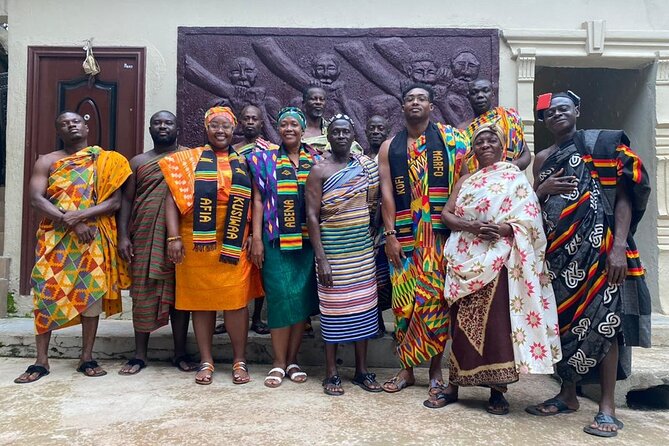
- Receive an Asante name: The naming rite is the main purpose of the experience and offers a personal connection to Asante culture and ancestry.
- Visit Bonwire Kente Weaving Centre: You spend about five hours at the main stop, with time for the ceremony and Kente-related activities.
- Print Adinkra cloth in Ntonso: The 30-minute visit shows how Adinkra cloth is made and lets you print like a local.
- Travel privately: Only your own group takes part, which gives the ceremony a more personal setting.
- Pay one clear tour price: The $180 per-person cost includes an air-conditioned vehicle, admission, fees, and taxes, but not personal purchases.
- Plan for a 9:00 a.m. start: Pickup is offered, and confirmation arrives when you book.
Why the naming ceremony gives the day its meaning
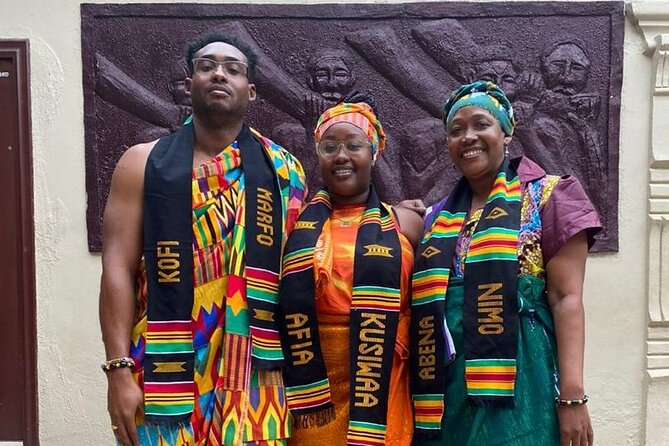
Many cultural tours let you look, listen, and take a few photographs. This one asks you to take part. During the ceremony, you receive an Asante name and reconnect with your ancestor through the naming rite. That makes the experience feel personal rather than simply observational.
A naming ceremony can carry emotional weight, especially if you have family ties to Ghana, West Africa, or the wider African diaspora. It can also appeal to you if you want a formal cultural experience that gives context to your visit. The ceremony is not just an extra stop added between workshops. It is the center of the day.
You should approach it with respect and an open mind. The available information does not give a full script or list each stage of the rite, so you should not book expecting a precisely timed performance with every detail explained in advance. Instead, expect the ceremony to be shaped around your group and the local setting.
The private format matters here. A ceremony involving your own group can feel more comfortable than one staged for a large busload of strangers. You have room to ask questions, listen closely, and take the moment seriously.
The experience has been especially well received for its emotional impact and the care shown by the tour team. That is useful to know because the success of a naming ceremony depends as much on how it is handled as on the ceremony itself. A rushed or impersonal presentation would weaken the whole idea. The strongest feedback points to warm communication and a willingness to accommodate personal needs.
More ghanaian naming ceremony experiences in Kumasi:
- Traditional naming ceremony For African Diasporas in Kumasi
★ 5.0 · 10 reviews - Traditional Naming Ceremony For African Americans In Kumasi
★ 5.0 · 5 reviews - The Ancestral Naming Ceremony and Home Coming Experience
★ 5.0 · 30 reviews
Bonwire Kente weaving, the longest stop of the day
Bonwire is the first major stop, and you should expect it to occupy most of the tour. The scheduled time is about five hours, although that block includes the principal cultural experience rather than five hours of nonstop weaving demonstration.
Kente is one of Ghana’s best-known textile traditions. At the Bonwire Kente Weaving Centre, you can see the craft setting and learn how woven cloth is produced. The value is in watching the work happen in person. Finished fabric in a shop tells you very little about the labor behind it. A weaving visit helps you understand the skill, patience, and design choices involved.
The tour description does not promise a full technical class, so think of this as a cultural visit with a chance to observe and learn. You may see the process from a close range, but the exact amount of hands-on activity can depend on the day and the way your private tour is arranged.
This is also the place to slow down. The naming ceremony needs more attention than a quick photo stop, and the five-hour allocation suggests that Bonwire is intended to be the day’s main setting. If you are trying to squeeze in several unrelated Kumasi attractions, the schedule may feel tight. If you want one substantial cultural experience, the pacing makes more sense.
Kente also gives the ceremony a visual and cultural setting. The cloth is not an unrelated craft display. It helps place the naming rite within a broader Asante context, where textiles, identity, status, and community carry meaning. You do not need prior knowledge to appreciate the visit, but you will get more from it if you ask questions about the cloth, weaving process, and local customs.
The practical drawback is that personal shopping is not included. You can expect opportunities to buy items, but anything you take home is paid for separately. Set a spending limit before you arrive, especially if you are drawn to textiles. It is easy to underestimate how quickly a beautiful piece of cloth can change the final cost of the day.
Ntonso Adinkra village in 30 minutes
The second stop takes you to Ntonso, known here for Adinkra craftsmanship. The scheduled visit lasts about 30 minutes, so this is a short, focused stop rather than a long workshop.
You will see how Adinkra cloth is made from beginning to finish and get the chance to print like a local. That hands-on detail gives the stop its appeal. Instead of only seeing finished cloth, you can take part in one stage of the process and better understand how the patterns are applied.
The shorter timing means you should keep your attention on the demonstration and printing activity. There may not be room for a leisurely browse or a long discussion of every design. If Adinkra interests you, use the visit to ask direct questions while the work is in front of you.
The two craft stops work well together. Bonwire introduces woven Kente, while Ntonso presents a different textile tradition based on printed symbols. You get a useful contrast between the two rather than seeing the same type of workshop twice.
Again, purchases are not part of the $180 price. If you print or handle cloth during the visit, that does not mean later shopping is covered. Treat the craft activity as part of the tour and budget separately for anything you choose to buy.
What the private vehicle and timing mean for you
The tour starts at 9:00 a.m. and lasts about six hours and 30 minutes. Pickup is offered, and transportation is provided in an air-conditioned vehicle. Those details matter in Kumasi, where a private vehicle saves you from arranging separate transport between the villages.
You also avoid the uncertainty of finding your own way to Bonwire and Ntonso. The driver and tour team handle the movement between stops, letting you focus on the cultural program. Since the experience is private, only your group participates. That can be particularly valuable for families, couples, and friends who want the naming ceremony to feel personal.
The group size is not specified, so you should confirm the practical pickup details and the number of people covered by your booking. The tour is described as suitable for most people, and it is near public transportation, but no detailed accessibility information is provided. If mobility access is important to you, ask before paying.
A six-and-a-half-hour tour is long enough to feel worthwhile but short enough to leave part of your day free. Still, the schedule is not designed for a late start. A 9:00 a.m. pickup means you need to be ready on time, particularly if your accommodation is outside central Kumasi or if pickup arrangements require coordination.
Weather can affect the day. The experience requires good weather, and if poor conditions force a cancellation, you are offered another date or a full refund. That is reassuring, but it also means you should avoid placing an important onward connection immediately after the tour.
More kumasi cultural tours in Kumasi:
- Tour Kumasi City Like a Local
★ 4.5 · 34 reviews - Kumasi City Tour
★ 5.0 · 8 reviews - Kumasi City Tour
★ 4.5 · 7 reviews - One day tour at Kumasi
★ 5.0 · 6 reviews
Is $180 per person a fair price?
At $180 per person, this is not a budget craft outing. The right question is what the price covers and what kind of day you want.
The price includes all fees and taxes, admission, and an air-conditioned vehicle. It also combines private transport, two village visits, a hands-on Adinkra activity, and the naming ceremony. You are paying for a complete private experience rather than simply entering a workshop.
The value is strongest for a small group that wants a meaningful cultural event and would otherwise need to arrange transport, admissions, and local guidance separately. A private experience also avoids the compromises of a large shared group. You can give more attention to the ceremony and adjust questions to your own interests.
The value is weaker if your main goal is inexpensive sightseeing or shopping. Personal purchases are extra, and the available details do not promise a large number of separate attractions. You are paying primarily for access, coordination, cultural interpretation, and the ceremony’s personal significance.
I would compare the price with your priorities. If receiving an Asante name is the reason you are considering the tour, the cost may feel justified. If you mainly want to watch Kente being made, you may find the private full-day format more than you need.
The positive feedback places strong emphasis on communication, care, and the emotional effect of the ceremony. That suggests the tour’s value comes from the people and the way the day is conducted, not only from the stops on a map. With guides such as Kwame and Priscilla involved, clear communication before the tour is a useful sign. Ask them what the ceremony will involve, what clothing or etiquette you should follow, and how much time will be spent at each activity.
Who will get the most from this Kumasi experience?
I would recommend this tour most strongly to you if you want cultural participation rather than a checklist of sights. It suits people with a family connection to Ghana, couples looking for a meaningful shared activity, and friends who want a memorable day together.
It also works well for parents and adult children. One review described a mother and daughter taking part together, and that pairing makes sense: the ceremony offers a shared moment, while the textile visits provide plenty to discuss afterward.
The experience may suit you if you are visiting Kumasi for the first time and prefer private arrangements. Pickup, transport, and included fees reduce the number of small decisions you need to make. The air-conditioned vehicle is another practical plus for a long day.
You may want to skip it if you dislike ceremonies, prefer independent wandering, or have only a few hours in Kumasi. The long Bonwire portion means you cannot treat this as a quick introduction. You should also be comfortable with a cultural experience that may carry emotional and spiritual meaning.
The tour is listed as suitable for most people, but that is not the same as a detailed accessibility guarantee. Ask about walking, seating, and the physical setup of the villages if anyone in your group has specific needs.
Booking, cancellation, and a few smart questions
Confirmation is provided at booking, and the tour is often reserved about three weeks ahead. That advance pattern suggests you should not leave it until the last minute if the naming ceremony is important to your schedule.
Free cancellation is available up to 24 hours before the start time for a full refund. Changes or cancellations inside that 24-hour window are not accepted for a refund. The cut-off follows local time, so check the time zone carefully if you are booking from abroad.
Before you reserve, I would ask three practical questions:
- What exactly happens during the naming ceremony?
- How will the five-hour Bonwire portion be divided between the ceremony and Kente activities?
- What pickup area and meeting details apply to your accommodation?
These questions do not take away from the mystery of the ceremony. They simply help you arrive prepared and avoid surprises.
Should you book the Kumasi naming ceremony tour?
Book it if the idea of receiving an Asante name speaks to you. That ceremony gives the day a purpose that goes beyond watching artisans at work. The Bonwire and Ntonso visits then add useful cultural context, showing you both woven Kente and printed Adinkra cloth.
The $180 price is easiest to justify for a private group that values comfort, local coordination, and a personal ceremony. I would be less quick to recommend it to a solo budget visitor who only wants a short craft demonstration.
For the right person, this can become one of the most personal experiences in Kumasi. Go with time, curiosity, and respect. Confirm the ceremony details and pickup plan, keep shopping money separate, and allow the day to unfold at its own pace.
FAQ
What time does the tour start?
The tour starts at 9:00 a.m.
How long does the experience last?
The full tour lasts approximately six hours and 30 minutes.
Is pickup available?
Yes. Pickup is offered, although you should confirm the exact pickup details when booking.
Is this a private tour?
Yes. Only your own group participates in the private tour or activity.
What is included in the price?
The price includes all fees and taxes, admission tickets, and transportation in an air-conditioned vehicle.
Are shopping purchases included?
No. Personal shopping is not included, so you pay separately for anything you choose to buy.
What happens if bad weather cancels the tour?
The experience requires good weather. If it is canceled because of poor weather, you can choose another date or receive a full refund.
More Full-Day in Kumasi
- Cape Coast ,Elmina Castle and Kakum Full-Day Tour
★ 5.0 · 62 reviews - Full-Day Accra Safari and Boat Cruise Private Tour
★ 5.0 · 32 reviews - Full-Day Private Culture and History Tour of Accra
★ 5.0 · 23 reviews - Private Full-Day Ghanaian Delicacy and Dessert Tour in Accra
★ 5.0 · 13 reviews
Just added around Kumasi
- Kumasi Culture and Heritage Tours★ 4.5 · 3 reviews
- Traditional Naming Ceremony For African Americans In Kumasi★ 5.0 · 5 reviews
- Kumasi City Tour★ 4.5 · 3 reviews
- Discover kumasi Tours★ 5.0 · 3 reviews
- Kumasi: City Tour★ 5.0 · 3 reviews
- One day tour at Kumasi★ 5.0 · 6 reviews
- Lake Bosomtwe Boat Cruisely and Kumasi City Tours★ 4.5 · 6 reviews
- Kumasi City Tour★ 4.5 · 7 reviews
Ghanaian Naming Ceremony Experiences, compared.

The Ancestral Naming Ceremony and Home Coming Experience
Read our review →
Naming Ceremony and Heritage Homecoming Experience for Diasporas
Read our review →
Traditional Naming Ceremony and Boat Cruise Experience
Read our review →
Kumasi Heritage Tours And Naming Ceremony In A Day
Read our review →
Traditional naming ceremony For African Diasporas in Kumasi
Read our review →
Naming Ceremony, Assin Manso Slave River and Cape Coast Castle
Read our review →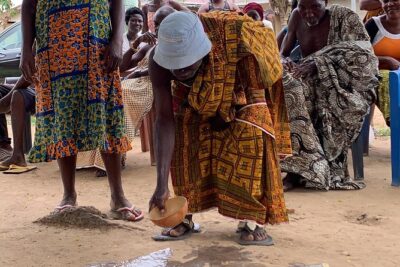
Cultural Village Tour: Traditional Naming Ceremony
Read our review →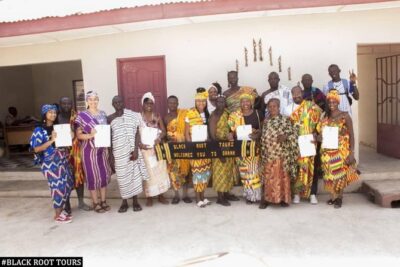
Traditional Naming Ceremony For African Americans In Kumasi
Read our review →Browse the lists this tour appears in