
Reviewed · GHANAIAN NAMING CEREMONY EXPERIENCES
Cultural Village Tour: Traditional Naming Ceremony
The heart of this experience is the traditional naming ceremony, where a chief and community elders welcome you with libation, drumming, dancing, and a Ghanaian name. It is especially meaningful if you are returning to Ghana, exploring family roots, or simply want a personal connection beyond Accra’s city streets.
I like the private format, since your group can share the day without being folded into a large bus tour. I also like the chance to try pottery, glass bead making, or kente weaving rather than only watching a ceremony. The main consideration is the long drive and the fact that lunch is not included.
Key points to know before booking
- A personal welcome: The chief and elders receive you with libation before the naming ceremony begins.
- A private day out: Only you and your group participate, with hotel transfer in an air-conditioned vehicle.
- Three hands-on craft choices: You may take part in pottery making, bead making, or kente weaving.
- A full morning on the road: The village is about two hours from Accra, making this a substantial day trip.
- A meaningful choice for return visitors: The ceremony can hold special weight for people reconnecting with Ghana or the African diaspora.
- Plan for lunch: All activity fees and transport costs are covered, but lunch must be arranged separately.
From Accra to the Volta Region
The day begins with pickup in Accra in an air-conditioned bus or car. The stated pickup time is 8:00 a.m., while the tour details also give a 9:00 a.m. start time, so I would confirm the exact pickup hour with Tichama Tours before the day arrives.
The drive to the village takes about two hours. That is not a quick city excursion, but it helps explain the tour’s five-to-seven-hour length and gives the day a proper sense of leaving Accra behind. You are not squeezing a ceremony into an hour between urban stops. You are setting aside much of a day for a rural community visit.
The private vehicle matters here. You can travel with your own companions, keep your belongings with you, and avoid the stop-and-go feel of a large shared group. The air conditioning is also welcome in Ghana’s heat, particularly on a longer road journey.
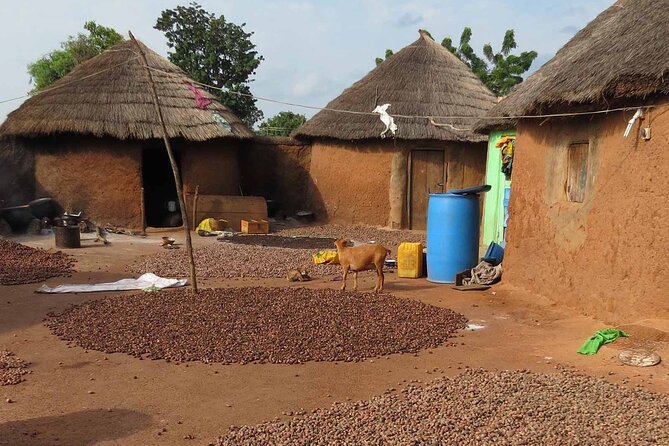
The exact village name and road conditions are not specified, so I would not book this expecting a tightly timed sightseeing route. Think of it as a focused cultural visit in the Volta Region, with the community welcome as the main event.
More ghanaian naming ceremony experiences in Accra:
- The Ancestral Naming Ceremony and Home Coming Experience
★ 5.0 · 30 reviews - Naming Ceremony and Heritage Homecoming Experience for Diasporas
★ 4.5 · 15 reviews - Traditional Naming Ceremony and Boat Cruise Experience
★ 5.0 · 15 reviews
Meeting the chief and elders
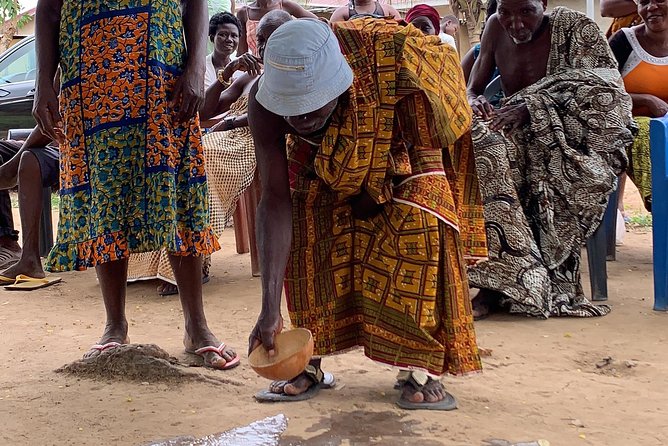
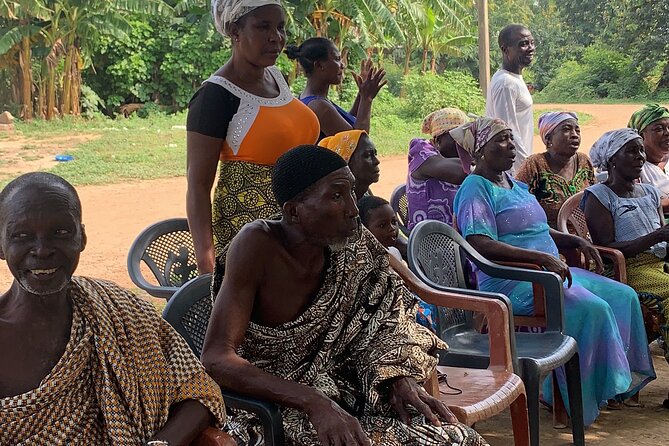
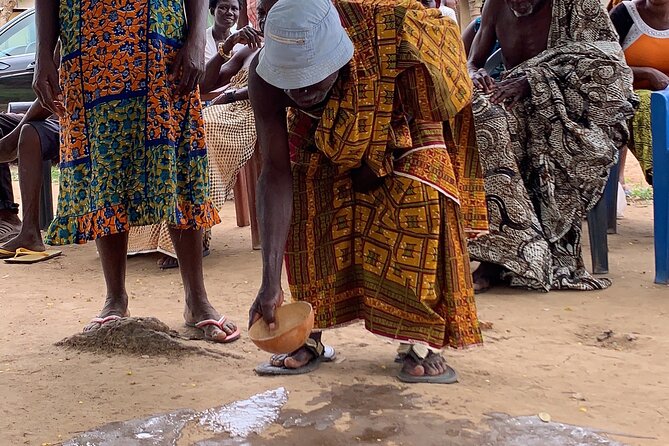
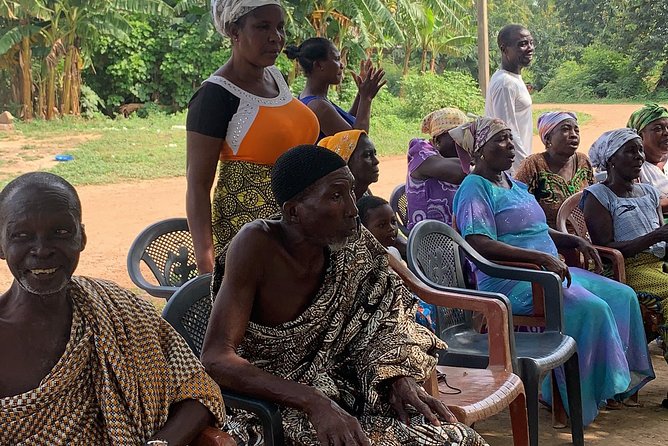
On arrival, you will call on the chief and elders of the community. The welcome includes the pouring of libation, a traditional act of greeting and respect. This is more than a photo opportunity. It sets the tone for the visit and places you within a local ceremony rather than making you a spectator who simply walks through the village.
Libation is an important part of many Ghanaian traditional gatherings. During this welcome, the ceremony may connect the living community with ancestors and spiritual traditions. The details of the wording and ritual can vary, so your guide is the right person to explain what is happening at the time.
I appreciate that the experience begins with the community’s own leaders. That helps keep the visit grounded in local custom. Still, remember that you are entering a real community, not a stage set. Dress and behave respectfully, listen during the formal welcome, and follow instructions about when to stand, sit, dance, or take photographs.
The available feedback gives particular weight to the ceremony’s spiritual and joyful character. One participant, an African American visitor, found the welcome especially meaningful. That perspective matters because a Ghanaian name and formal reception may feel like more than a cultural activity for people exploring ancestry, identity, or a connection to the African continent.
You do not need to share that background for the ceremony to be significant. But if you are returning home, tracing family ties, or traveling with relatives, tell the guide in advance. The tour may feel more personal when the purpose of your visit is understood.
Receiving a Ghanaian name
The naming ceremony follows the welcome from the chief and elders. You will receive a local Ghanaian name and take part in the ceremonial activities. Drumming and dancing form a central part of the occasion, giving the gathering a strong sense of movement and shared participation.
The important point is that you are not simply watching someone else receive a name. You are brought into the ceremony yourself. That makes this experience quite different from a standard village stop where you browse crafts, take photographs, and return to the vehicle.
The process may feel formal at first, especially if you are not familiar with Ghanaian customs. Your guide and the community will direct you, so you do not need to know the steps beforehand. Go with an open mind, pay attention, and allow the ceremony to unfold at its own pace.
The available rating is 4.8 from five reviews, and the strongest praise centers on the naming ceremony itself. The description of it as spiritual and joyful is useful guidance: this is not designed as a light entertainment show. It may be happy and lively, but it also carries personal and cultural meaning.
Photography is not specifically described in the tour details. Ask before taking pictures, especially during libation or the naming itself. A polite request takes only a moment and shows respect for the people welcoming you.
Drums, dancing, and your place in the ceremony
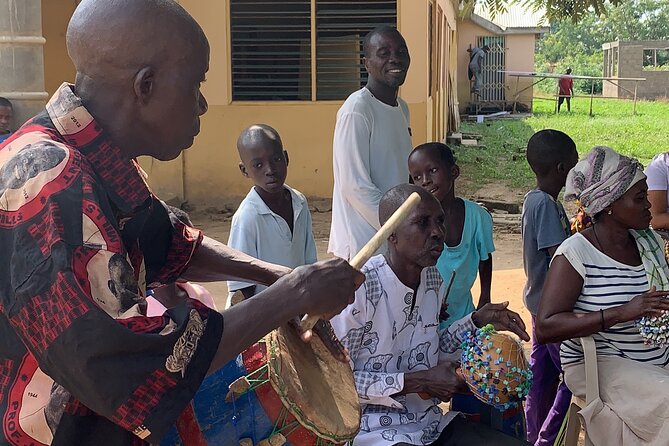
Drumming and dancing follow the traditional welcome and accompany the naming activities. You will be invited to take part, not merely stand at the edge of the gathering. If you enjoy active cultural experiences, this is likely to be one of the most memorable parts of the day.
You do not need to be a skilled dancer. The point is participation, not performance. If you are shy, you can begin by watching and then join when the guide or community members signal that it is time.
The private group format helps here. You are sharing the moment with people you already know, rather than trying to find your place among dozens of strangers. That can make it easier to participate, particularly during dancing or other ceremonial activities.
At the same time, the private arrangement does not mean the ceremony is customized to every preference. The village and elders lead the event. You should expect a genuine cultural welcome, not a menu of interchangeable activities where you control every minute.
Same coastline, a completely different kind of day:
- The Cape Coast Day Tour
★ 5.0 · 525 reviews - Experience the Beauty, History and the Culture Of Accra in a Day
★ 5.0 · 323 reviews - The Cape Coast Tour
★ 5.0 · 177 reviews - From Accra: Cape Coast, Elmina Castle & Kakum Park Day Tour
★ 4.6 · 144 reviews
Choose pottery, beads, or kente weaving
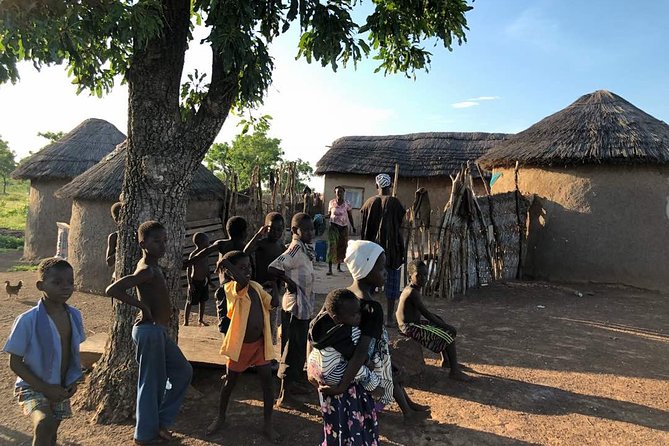
After the ceremony, you can take part in one of several craft workshops. The choices listed are pottery making, glass bead making, and kente weaving. These activities give you a practical way to learn about village life and work with local materials and techniques.
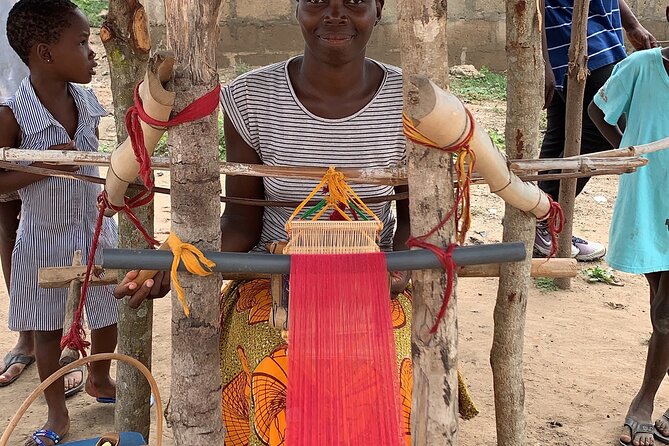
Pottery may appeal if you like working with your hands and want a slower, more tactile activity. Bead making offers a closer look at one of Ghana’s best-known craft traditions. Kente weaving is a natural choice if you are interested in textiles, pattern, and the skill required to produce woven cloth.
The tour information does not say whether you can try all three workshops or must choose one. Ask your guide when you arrive. With only five to seven hours for the whole outing, including the drive, you may have time for one activity rather than a full workshop circuit.
That uncertainty is not a major flaw, but it is worth knowing before you arrive with a long wish list. If one craft matters most to you, make that preference clear early in the day.
These workshops add real value to the tour because they turn cultural learning into action. You are not only hearing about local life. You are given a chance to make something, handle materials, and better understand the patience behind traditional crafts.
What the $320.67 price covers
At $320.67 per person, this is not a budget half-day outing. The price needs to be judged against what is included: a private tour, hotel pickup, an air-conditioned vehicle, fuel surcharge, and fees for all listed activities.
For a solo visitor, the cost may feel high. A private vehicle and guide are being arranged for one person, so there are fewer people with whom to share the expense. For a couple, family, or group of friends, the value improves because the experience is private and group discounts are available.
You also avoid several small charges that can make a day trip less predictable. Fuel and activity fees are included, and you do not need to pay admission separately at each village activity. Lunch is the main known extra expense.
I would compare this with what you want from your Ghana trip. If you only want a quick look at rural life, the price and driving time may not suit you. If the naming ceremony is the reason you are interested, the private setting, transport, and formal welcome make the cost easier to justify.
The tour is booked an average of 79 days in advance. That suggests you should not leave it until the last minute if your Accra schedule is fixed, particularly if you want a certain date for a family visit or special occasion.
Timing, comfort, and practical concerns
The total experience lasts about five to seven hours. The description also gives a five-hour duration for the main activity, while the village drive is about two hours each way. Since these figures do not line up perfectly, confirm whether the advertised duration includes the full transport time.
The early start is sensible. Leaving Accra in the morning gives you more time in the village and helps avoid turning the return journey into a late evening. Your exact pickup point should be confirmed because the tour offers pickup from your location in Accra, but no single standard hotel or meeting point is specified.
Lunch is not included. Bring money for food, or ask Tichama Tours whether there is a recommended place to eat and whether a meal stop can be arranged. Do not assume that the activity fees cover refreshments.
The tour requires good weather. If poor weather forces cancellation, you will be offered another date or a full refund. That policy is useful for a rural visit, where weather can affect both the road and outdoor ceremonial activities.
Most people can participate, and service animals are allowed. No special fitness requirement is stated. Still, you should be comfortable with a long vehicle ride, village walking, standing during parts of the ceremony, and active participation in dancing or workshops.
Who will enjoy this Ghana naming ceremony most
I would put this tour at the top of the list for visitors seeking a personal cultural connection rather than a quick checklist of Accra sights. It is particularly well suited to:
- People returning to Ghana or exploring African heritage
- Families marking a special trip together
- Couples and small groups who prefer a private experience
- Visitors interested in ceremony, music, and local craft
- Anyone willing to spend much of a day outside Accra
It may be less suitable if you have only a few hours in the city, dislike long drives, or prefer a tightly scheduled tour with many different stops. The focus here is one community, one welcome, one naming ceremony, and a small selection of craft activities.
The strongest reason to book is the emotional and ceremonial aspect. The strongest reason to hesitate is the price combined with the travel time. Those two facts should guide your decision more than the promise of a simple village visit.
Booking, cancellation, and final advice
Tichama Tours provides confirmation at booking, mobile ticketing, hotel transfer, and free cancellation up to 24 hours before the local start time. A cancellation within 24 hours is not refundable, and changes made inside that period are not accepted.
Before paying, confirm three details: your pickup time, whether the five-to-seven-hour estimate includes the road journey, and whether you choose one craft workshop or can sample more than one. Also ask about lunch arrangements.
Should you book it?
Book this tour if receiving a Ghanaian name, being welcomed by a chief and elders, and joining a private community ceremony matters more to you than maximizing the number of attractions in one day. The warm guide and driver service, spiritual ceremony, drumming, dancing, and hands-on crafts create a focused experience with genuine personal weight.
Skip it if you want an inexpensive outing or have no patience for a two-hour drive each way. At $320.67 per person, this is a special-purpose tour, not a casual add-on. For the right visitor, especially someone returning to the motherland or traveling with a close group, that focus is precisely what makes it worthwhile.
FAQ
Where does the tour take place?
The tour visits a rural village in Ghana’s Volta Region, departing from Accra.
How long does the experience last?
The tour lasts approximately five to seven hours. The village is about two hours from Accra by vehicle.
What time does pickup begin?
The itinerary states that pickup from your location in Accra begins at 8:00 a.m. The tour details also show a 9:00 a.m. start time, so confirm the exact pickup time with Tichama Tours.
Is transportation included?
Yes. An air-conditioned bus or car, hotel transfer, and fuel surcharge are included.
Is this a private tour?
Yes. Only you and your group participate in the private tour.
What happens during the naming ceremony?
You will meet the chief and elders, receive a welcome involving libation, and take part in a naming ceremony with traditional drumming and dancing. You will receive a local Ghanaian name.
Can I take part in local crafts?
Yes. You can take part in pottery making, glass bead making, or kente weaving. The tour details do not specify whether you can try all three.
Is lunch included?
No. Lunch is not included in the price.
Can most people participate?
Yes. Most travelers can participate, and service animals are allowed.
What happens if bad weather cancels the tour?
If poor weather causes cancellation, you will be offered a different date or a full refund. You can also cancel up to 24 hours before the experience for a full refund.
Just added around Accra
- Visit Aburi Garden, Tetteh Quarshie Cocoa Farm & Waterfall★ 4.0 · 4 reviews
- Historical Day Tour to Cape Coast, Elmina and Kakum★ 5.0 · 3 reviews
- Private Airport Transfer to from ACC Kotoka by Business Car★ 5.0 · 4 reviews
- Private Slave Castles and Dungeons Tour in Cape Coast, Ghana★ 5.0 · 3 reviews
- Local Ghanaian Food Tasting Tours★ 5.0 · 3 reviews
- Historical tour in Cape Coast Ghana★ 5.0 · 3 reviews
- The Door Of No Return/ Dungeon & cape Coast Castle★ 5.0 · 4 reviews
- Half Day Accra City Sightseeing Tour With Guide★ 5.0 · 3 reviews
Ghanaian Naming Ceremony Experiences, compared.

The Ancestral Naming Ceremony and Home Coming Experience
Read our review →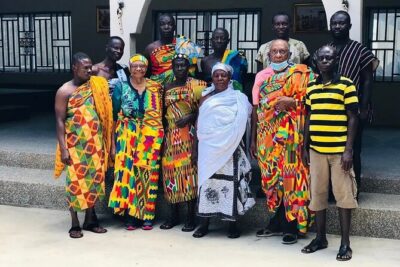
Naming Ceremony and Heritage Homecoming Experience for Diasporas
Read our review →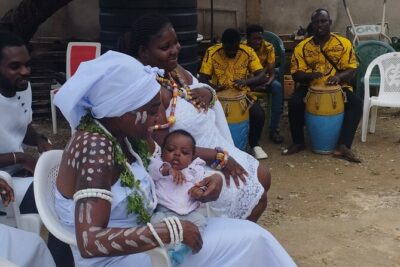
Traditional Naming Ceremony and Boat Cruise Experience
Read our review →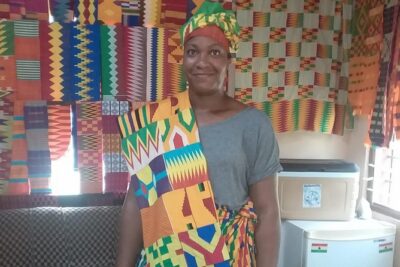
Kumasi Heritage Tours And Naming Ceremony In A Day
Read our review →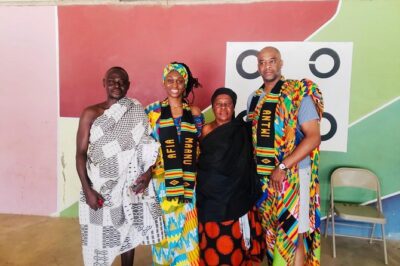
Traditional naming ceremony For African Diasporas in Kumasi
Read our review →
Naming Ceremony, Assin Manso Slave River and Cape Coast Castle
Read our review →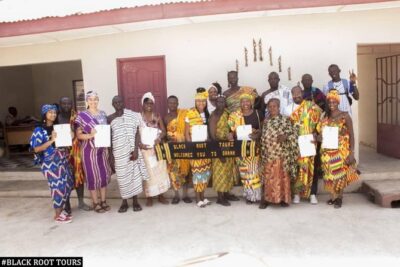
Traditional Naming Ceremony For African Americans In Kumasi
Read our review →
Full Day Tour with Traditional Naming Ceremony in Kumasi
Read our review →Browse the lists this tour appears in