
Reviewed · KUMASI CULTURAL TOURS
Lake Bosomtwe Boat Cruisely and Kumasi City Tours
Lake Bosomtwe is the star here: a quiet, crater-formed lake surrounded by fishing and farming villages, forested slopes, and old Ashanti stories. In one long day, you also visit Kumasi’s royal museums, the sacred Okomfo Anokye Sword Site, and enormous Kejetia Market.
I like the private vehicle and round-trip pickup, which saves you from arranging transport between scattered sights. I also like the mix of a boat ride, royal history, sacred tradition, and everyday market life, with lunch and entrance fees included.
The main catch is the itinerary. The tour summary mentions horseback riding, but the detailed schedule lists Kumasi museums and Kejetia Market instead, with no horse stable stop. Confirm the final plan before paying, especially since one booking had the horse ride canceled.
Key points to know before booking
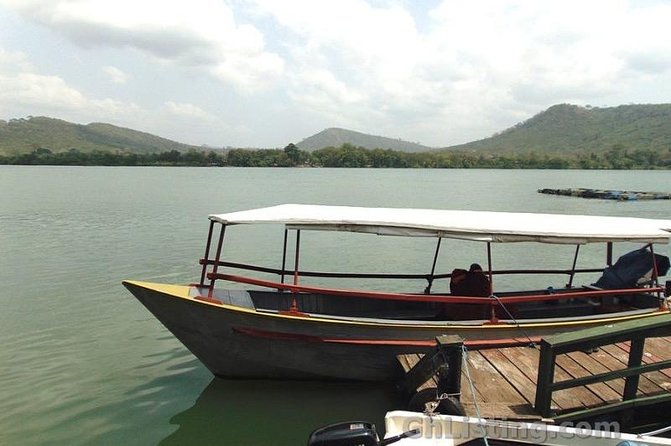
- Lake Bosomtwe is a meteor crater lake: You get a guided boat trip and views of villages around one of Ghana’s most unusual natural sites.
- The day combines nature with Ashanti history: Manhyia Palace Museum, Prempeh II Museum, and Okomfo Anokye Sword Site each tell a different part of Kumasi’s story.
- Kejetia Market is a full-sensory stop: Its thousands of stalls can feel confusing, so stay close to your guide and allow time to absorb the scene.
- Your party travels privately: The air-conditioned vehicle, fuel, bottled water, lunch, guiding, and entrance fees are included.
- The advertised schedule needs checking: Horseback riding appears in the main description, but the detailed itinerary replaces it with four Kumasi stops.
- Timing matters: The listed stops total about six hours before allowing for driving, so ask how the day will be paced.
From Kumasi to Lake Bosomtwe’s crater rim
The day begins at 7:00 am, with pickup in Kumasi and transport in a private, air-conditioned car. That matters in Ghana’s heat, particularly on a day that includes several stops and a long ride outside the city.
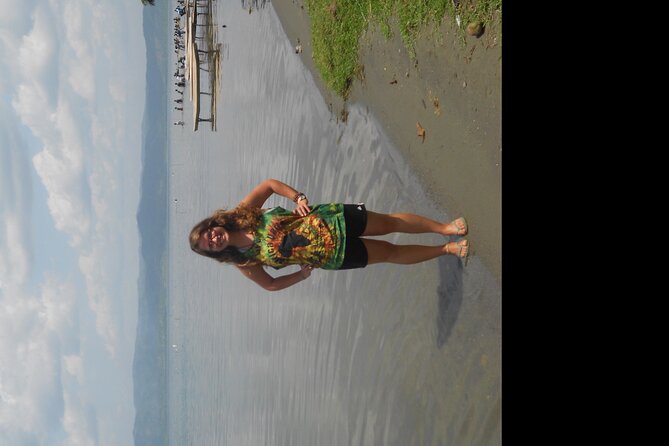
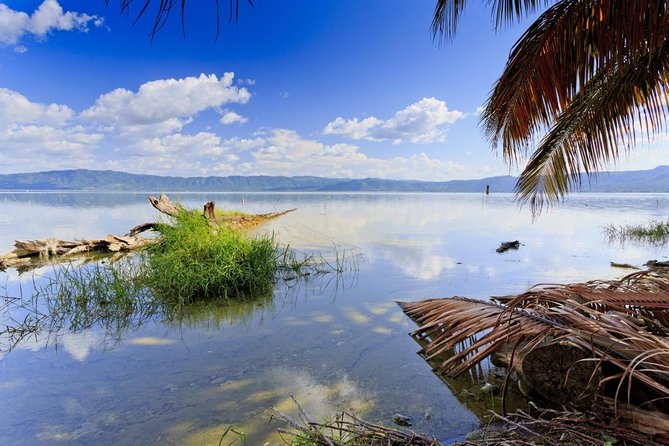
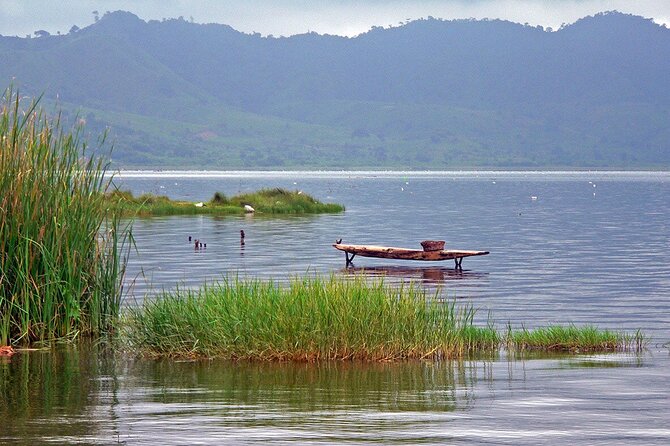
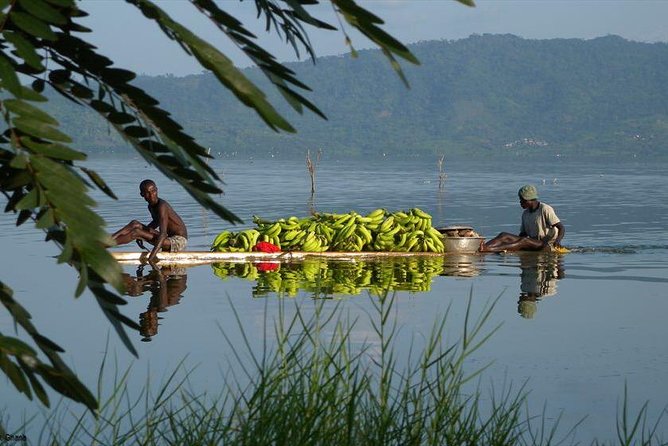
Lake Bosomtwe, also spelled Lake Bosumtwi, is about two hours of the planned experience. It was formed by a meteor impact roughly a million years ago, leaving a lake surrounded by steep, tree-covered slopes. Fishing and farming villages sit around the water, giving the visit a human side beyond the geology.
Your guide is expected to explain both the scientific story and the Ashanti oral tradition. The traditional account dates the lake’s discovery to 1648, when a hunter chased an injured antelope. The animal vanished into a small pond, and the hunter stayed beside it. The name Bosomtwe is associated with the antelope god.
That contrast is part of the appeal. You are not simply looking at water in a crater. You are hearing how the place fits into local belief, settlement, fishing, and farming. I would listen for the distinction between the meteor explanation and the traditional story rather than treating one as a replacement for the other.
More kumasi cultural tours in Kumasi:
- Tour Kumasi City Like a Local
★ 4.5 · 34 reviews - Traditional naming ceremony For African Diasporas in Kumasi
★ 5.0 · 10 reviews - Kumasi City Tour
★ 5.0 · 8 reviews
What the Lake Bosomtwe boat ride is like
The guided boat trip gives you a closer look at the lake and the communities around it. The supplied details do not specify the boat type, route, or exact length of the ride, so you should ask whether your outing will follow a shorter route or the larger loop around the lake.
The larger circuit may be harder to reach, but the available information describes it as quiet and rewarding for views. If you care most about scenery and stillness, ask about this before setting off. A shorter ride may fit the schedule better if the Kumasi stops are all going ahead.
The atmosphere can be relaxed. There is mention of time by the water, sand, swimming, and children jumping from the boat, but those activities are not stated as formal parts of the tour. Do not assume swimming or jumping is included, supervised, or suitable for your group. Ask the local boat crew and guide first.
I like that the boat trip is handled with a local crew rather than being treated as a quick photo stop. You can see the lake from the water, notice the villages along the shore, and connect the natural setting with daily life. Bring sun protection and a towel only if the operator confirms that swimming is allowed, since those items are not listed as included.
Manhyia Palace Museum and Ashanti royal history
Back in Kumasi, Manhyia Palace Museum gives the day a clear historical center. You begin with a video about the Ashanti people, then move through rooms containing original artifacts.
The museum helps explain the Ashanti Empire, its rulers, and the importance of the royal stool. The story of Yaa Asantewaa, the celebrated war queen, is part of the visit. You also learn about the current king and the role of the stool in Ashanti tradition.
Plan about one hour here. That is enough for an introduction, but not enough for a slow museum study. I would pay close attention to the guide’s explanation of how political authority, ceremony, and royal identity connect. The museum is also near the field used for Akwasidae gatherings, where Ashanti chiefs meet every six weeks, according to the supplied tour information.
That location adds meaning. You are not looking at royal objects in isolation. The palace setting still connects to ceremonies and leadership. Photography rules are not provided, so ask before taking pictures inside.
Okomfo Anokye Sword Site and the Golden Stool story
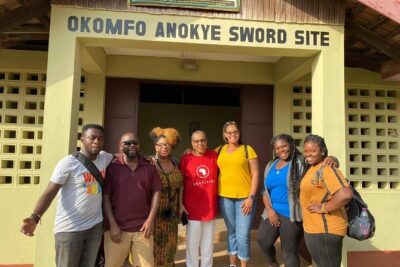
The Okomfo Anokye Sword Site is a short but important stop, planned for about one hour. Here you hear the story of Okomfo Anokye, the chief priest associated with the founding of the Ashanti nation.
The site marks the place where the Golden Stool is said to have descended into the lap of King Osei Tutu I. The sword was driven into the ground by Okomfo Anokye nearly 300 years ago, and tradition holds that no one can remove it.
This is a place where history and sacred belief are closely linked. The point is not simply to inspect a sword. Your guide should explain how the Golden Stool became a symbol of Ashanti unity and why this site remains important.
The stop may be especially useful if you have already seen royal objects at Manhyia Palace. The palace shows items connected with kingship, while Okomfo Anokye focuses on origin stories, spiritual authority, and national identity. I would treat the site respectfully and give the guide room to explain local meaning rather than rushing in for a photograph.
A few more Kumasi trips to weigh up
- Kumasi City Tour
★ 4.5 · 7 reviews - Kumasi City Tour
★ 4.5 · 3 reviews - Kumasi: City Tour
★ 5.0 · 3 reviews - Accra Detailed City Tour
★ 4.5 · 118 reviews
Prempeh II Museum’s personal royal objects
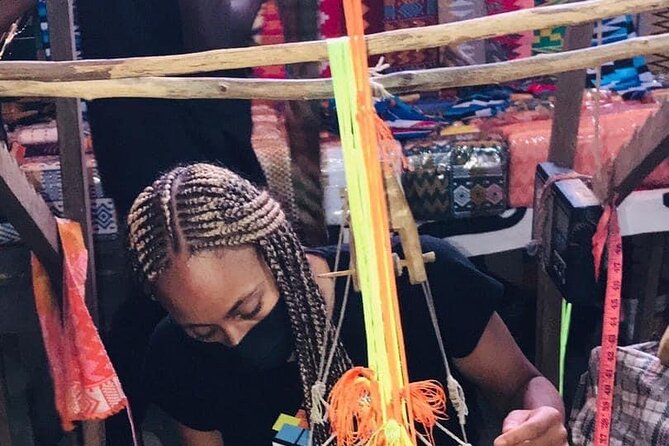
The Prempeh II Museum offers another one-hour look at Ashanti culture, this time through objects linked to King Prempeh II. The building was constructed to resemble an Ashanti chief’s house, giving the collection a setting that helps you picture how royal and ceremonial life was organized.
Displays include war attire, ceremonial clothing, jewelry, protective amulets, bathing and dining equipment, furniture, royal insignia, and examples of gold weighing objects. These details are useful because they move beyond famous names and major battles. A king’s personal equipment can show how ceremony, protection, daily routine, and status worked together.
I would expect this museum to feel more object-focused than the palace visit. It is a good place to ask questions about the difference between everyday use and ceremonial use. The tour includes admission, so you do not need to budget separately for the listed sites.
One possible drawback is repetition. Manhyia Palace and Prempeh II Museum both deal with Ashanti royalty. If you have limited interest in museums, ask your guide to explain how the collections differ and keep the visits moving at a pace that suits you.
Kejetia Market, Kumasi’s loudest hour
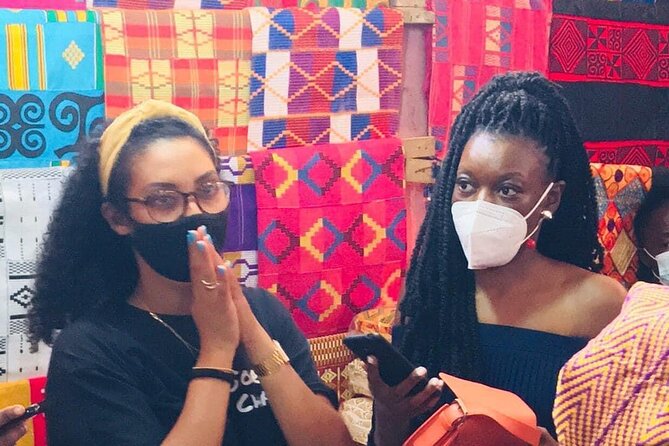
Kejetia Market is the most immediate contrast to the quiet lake and formal palace rooms. The market is described as having about 11,000 stalls and at least four times as many people working there. From outside, its huge circular form and rusting metal roofs can look almost unreal. Inside, the scale can be disorienting.
This is not a polished shopping arcade. It is a working market where you see the commercial heart of Kumasi. The value of the stop is the chance to walk through a place used for ordinary trade, not a staged cultural display.
Give yourself time to look, but stay aware of your belongings and your group. The information says you can walk around Kejetia like a local and learn about central Kumasi, but it does not specify a shopping list or guided route. You pay for anything you buy yourself.
If you enjoy markets, this may be your favorite stop. If crowded commercial areas tire you, one hour may feel intense. Tell your guide what you want to see, and agree on a meeting point before you wander. The market’s size makes casual regrouping difficult.
What the $185 price includes
The cost is $185 per person. For a private tour, that price covers a lot in one day: an air-conditioned car, fuel surcharge, bottled water, entrance fees, lunch, and guiding service. Pickup and return to the meeting point are also included.
The value depends on how many parts of the advertised program actually run. If you receive the lake boat trip plus the four Kumasi stops, the price buys a broad introduction to the area without separate admission payments or transport planning. A private tour also lets you ask for more explanation at the sites that interest you most.
The price looks less attractive if you book mainly for horseback riding and that activity is not provided. The supplied information contains a real inconsistency: the headline description says boat ride and horseback riding, while the detailed itinerary lists Lake Bosomtwe, Manhyia Palace Museum, Okomfo Anokye Sword Site, Prempeh II Museum, and Kejetia Market.
One booking problem involved a late start and a canceled horse ride at Green Ranch. The operator’s response says the planned departure was 7:30 am, while the current information gives a 7:00 am start, and it attributes the delay to the group not being ready. You should not assume the same circumstances will occur, but this is a good reason to confirm the pickup time and the exact stops in writing.
Pace, transport, and practical planning

The stated duration is six to seven hours. Yet the listed stop times add up to about six hours before driving between Kumasi and the lake. That makes the schedule quite full. You may spend less time at some stops than the individual time blocks suggest, or the day may run longer.
Ask three simple questions before booking:
- Is horseback riding included on your date?
- Are all four Kumasi stops planned alongside the lake?
- Is the boat route the short outing or the larger loop?
The tour is private, so the day is not tied to a large group. That is useful for families, couples, and small parties with different interests. The supplied information says most people can participate, but it does not give specific accessibility details, boat safety information, or horse-riding requirements.
Lunch and bottled water are included. Your own purchases at Kejetia are not. Since the day combines outdoor time with museums and a market, comfortable clothing and shoes make sense, though the operator does not provide a formal packing list.
Free cancellation is available up to 24 hours before the start time for a full refund. Changes or cancellations inside that window are not accepted, and poor weather can lead to a new date or a full refund. The experience requires good weather, especially for the lake portion.
Who will get the most from this private day
I would choose this tour if you want a broad first look at Kumasi rather than a single focused activity. It brings together Ashanti royal culture, sacred tradition, local commerce, and a major natural site in one private outing.
It suits families particularly well because the vehicle is private, lunch is included, and the lake offers a change of pace from museums. The supplied information also describes children enjoying the water, though you must confirm any swimming or boat-jumping plans directly with the crew.
History-minded visitors will appreciate the sequence of Manhyia Palace, Okomfo Anokye, and Prempeh II Museum. The three stops are not identical, but they work best when your guide explains how royal power, spiritual tradition, and personal objects fit together.
I would hesitate if your main goal is a guaranteed horseback ride, a slow boat trip, or a relaxed day with little driving. The schedule is ambitious, and the horse-riding details are not consistent. A direct confirmation from Bilson Tours Gh is essential.
Should you book Lake Bosomtwe and Kumasi?
Book it if you want a private, all-in-one introduction to Kumasi and Lake Bosomtwe, with transport, lunch, water, guiding, and entry fees handled for you. The strongest parts are the lake’s unusual origin story, the Ashanti royal sites, and the chance to see Kejetia as a working market rather than a quick roadside stop.
Before committing $185 per person, confirm the itinerary. Ask specifically if the horseback ride is operating, which Kumasi museums are included, what time the vehicle leaves, and how long the boat portion lasts. If the answer matches your priorities, this is a useful full-day introduction. If not, choose a shorter Kumasi history tour or arrange Lake Bosomtwe separately.
FAQ
Where does the tour start and end?
The tour starts with pickup in Kumasi at 7:00 am and ends back at the meeting point.
How long does the experience last?
The stated duration is approximately six to seven hours.
Is the tour private?
Yes. Only you and your party participate in the private activity.
What is included in the price?
The price includes an air-conditioned car, fuel surcharge, bottled water, entrance fees, lunch, and tour guiding service.
Is horseback riding included?
The main description mentions horseback riding, but the detailed itinerary does not list a horse stable. Confirm this directly with Bilson Tours Gh before booking.
What is the cancellation policy?
You can cancel up to 24 hours before the experience starts for a full refund. Cancellations or changes made less than 24 hours before the start time are not accepted, and poor weather may lead to a different date or a full refund.
Just added around Kumasi
- Kumasi Culture and Heritage Tours★ 4.5 · 3 reviews
- Traditional Naming Ceremony For African Americans In Kumasi★ 5.0 · 5 reviews
- Full Day Tour with Traditional Naming Ceremony in Kumasi★ 5.0 · 4 reviews
- Discover kumasi Tours★ 5.0 · 3 reviews
- Kumasi City Tour★ 4.5 · 3 reviews
- Kumasi: City Tour★ 5.0 · 3 reviews
- One day tour at Kumasi★ 5.0 · 6 reviews
- Kumasi City Tour★ 4.5 · 7 reviews
Kumasi Cultural Tours, compared.
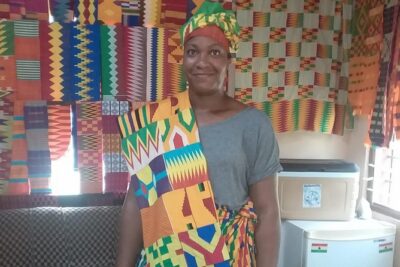
Kumasi Heritage Tours And Naming Ceremony In A Day
Read our review →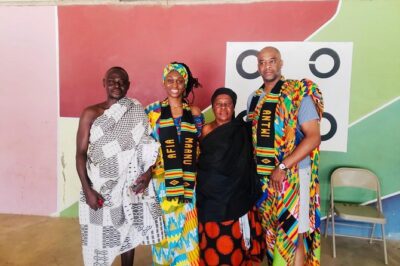
Traditional naming ceremony For African Diasporas in Kumasi
Read our review →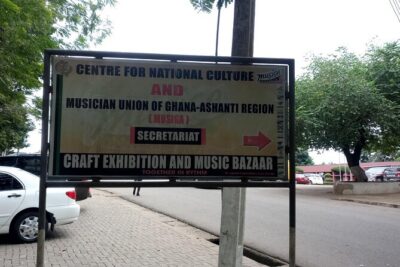
Full-Day Tour to Ashanti Region, Kumasi and Ghanaian History
Read our review →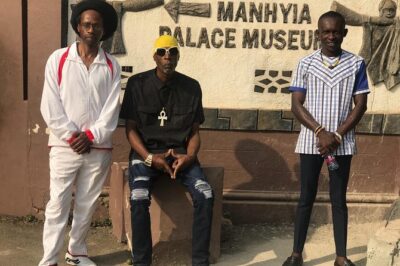
4 Days Trip in Accra, Cape Coast,Kumasi culture & heritage tours
Read our review →Browse the lists this tour appears in