
Reviewed · GHANAIAN NAMING CEREMONY EXPERIENCES
Naming Ceremony and Heritage Homecoming Experience for Diasporas
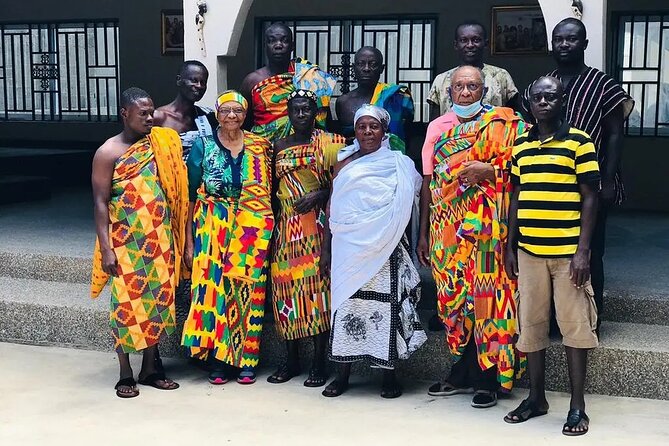
The heart of this homecoming is a traditional Ghanaian naming ceremony, led by a respected elder in a village or Accra community. You share your date of birth, receive a Ghanaian name and its meaning, and take part in rituals meant to connect you with Ghanaian identity and ancestry.
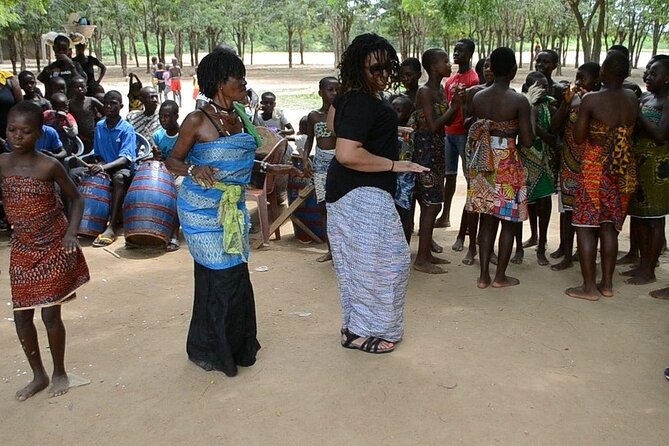
I like the ceremony’s personal touch: your name is tied to the day you were born, and you receive a certificate of recognition. I also like that the welcome is communal, with drumming, dancing, older women, elders, and local residents taking part. The main consideration is that the ceremony may happen in a rural village rather than an indoor venue in central Accra, so you should book it expecting an authentic community setting, not a polished stage show.
Key points to know before booking

- Your birth date shapes your Soul Name: You provide the day you were born as part of the naming process.
- A respected elder leads the ceremony: The event is conducted by a community elder known for strong moral standing.
- Village and Accra settings are possible: The ceremony may take place in a rural Ghanaian village or within a community in Accra.
- Drumming and dancing are part of the welcome: Local music and movement give the event its public, celebratory character.
- You receive keepsakes: The community gift may include beads or a Ghana Kente stole marked with Welcome to Ghana, along with a certificate.
- The private format keeps the focus on your group: Only your party participates in the booked activity.
A homecoming built around your name
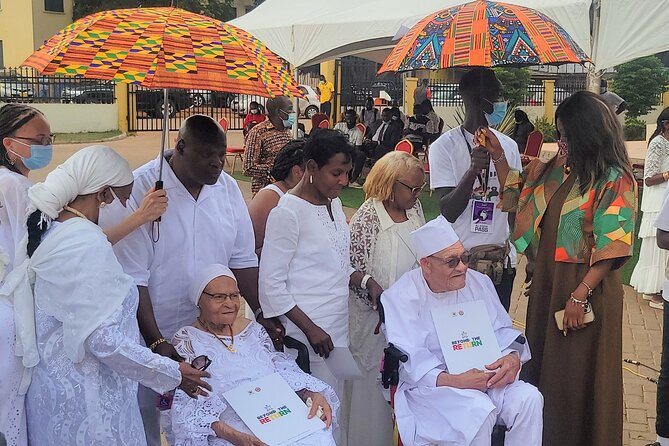
This is not a sightseeing tour with a naming ceremony tacked on at the end. The naming itself is the point. You are welcomed into a Ghanaian community, share your date of birth, and receive a local name connected to the traditional day-name system.
For people from the African American and Caribbean diasporas, that ritual can carry special weight. It offers a direct way to connect with Ghanaian culture and ancestry through a living community rather than only through museums, monuments, or historical sites.
The term Soul Name is used for the identity associated with the day you were born. You also receive a local name with a meaning, giving you something more substantial than a souvenir. The name becomes a personal link to the ceremony and to the community that presents it.
You should keep your expectations grounded. This is a cultural welcome, not a genealogy research service. The information provided describes a birth-based naming ritual, but it does not promise ancestral records, DNA work, family tracing, or a specific ethnic lineage.
More ghanaian naming ceremony experiences in Accra:
- The Ancestral Naming Ceremony and Home Coming Experience
★ 5.0 · 30 reviews - Traditional Naming Ceremony and Boat Cruise Experience
★ 5.0 · 15 reviews - Kumasi Heritage Tours And Naming Ceremony In A Day
★ 5.0 · 11 reviews
What happens from the 7:00 am pickup
The day begins at Kotoka Airport in Accra at 7:00 am. Pickup is offered, and the activity ends back at the meeting point. Since the full outing is estimated at five to eight hours, plan on giving it most of your morning and part of your afternoon.
The ceremony portion is listed at about three hours. The longer total allows for the movement between Accra and the community setting, along with the time needed for the welcome and presentation. Exact timing may vary, so do not schedule a tight airport connection or another fixed appointment immediately afterward.
The choice of Kotoka Airport as the meeting point is useful if you are newly arriving in Ghana or want a clear place to begin. It also means you should confirm the pickup details at booking, especially if your accommodation is elsewhere in Accra. The available information confirms pickup is offered, but it does not specify a hotel pickup window or the vehicle type.
You travel as a private group, not as part of a mixed coach party. That matters here. A naming ceremony is personal, and a private format lets the focus remain on your group rather than on a large crowd of unrelated sightseers.
Entering a Ghanaian village or Accra community
The setting is one of the most important choices built into this activity. The ceremony may take place in a rural Ghanaian village or in a community in Accra. You may want to ask for the intended setting when booking if that distinction matters to you.
A village setting gives the welcome a more local feel. You may meet elders and older women from the community, see the ceremony take place in the environment where local life unfolds, and receive the welcome as a community event. That is likely to feel more direct and less staged than an indoor presentation arranged only for visitors.
At the same time, a village ceremony may be less predictable than a formal venue. Roads, facilities, timing, and weather can affect the day, though no specific conditions are supplied. Wear practical clothing and shoes suitable for a community setting, and be prepared for the possibility that comfort and convenience will not match a hotel-based cultural show.
An Accra community setting may be easier for some people to reach and can still provide a local welcome. It may feel more urban and accessible, but the essential parts of the ceremony remain the same: the elder, your birth date, the local name, music, dancing, and recognition.
One past booking raised an important point about expectations. The participant anticipated a different kind of ceremony and was surprised that it took place in an actual village. The operator explained that the village setting was intentional, allowing contact with the village elders and older women. That exchange gives you the clearest practical advice: if you want a village welcome, this format may suit you well. If you expect an indoor ceremony in Accra, clarify the setting first.
The ceremony, from birth date to local name
The naming process begins with your date of birth. You provide the day you were born, and the ceremony uses that information to identify your Ghanaian day name, described here as your Soul Name.
You then receive a local name with a meaning. The precise names and meanings are not supplied in advance, so you should expect the result to be personal to your birth date rather than selected from a fixed menu.
A respected elder conducts the ceremony. The elder is described as someone with strong moral standing in the community, which gives the event a formal social role. This is not simply a guide reading a script. The ceremony is presented as a welcome given by a community authority.
The process also includes traditional drumming and dancing. These elements make the event participatory and public. You are not just listening to an explanation of Ghanaian customs. You are receiving the name in the presence of the people who host you, with music and movement marking the occasion.
The information provided does not spell out every ritual step, so you should avoid expecting a detailed, fixed sequence. Customs can vary by community, and the exact flow may depend on the setting and the elder leading the event.
A few more Accra trips to weigh up
- Experience the Beauty, History and the Culture Of Accra in a Day
★ 5.0 · 323 reviews - Ghana Heritage Tours – Beyond The Return
★ 5.0 · 36 reviews - 10 Days Ghana Cultural and Heritage Trip
★ 5.0 · 31 reviews - Cape Coast Historical Day Tour
★ 5.0 · 24 reviews
Cloth, beads, and a certificate to take home
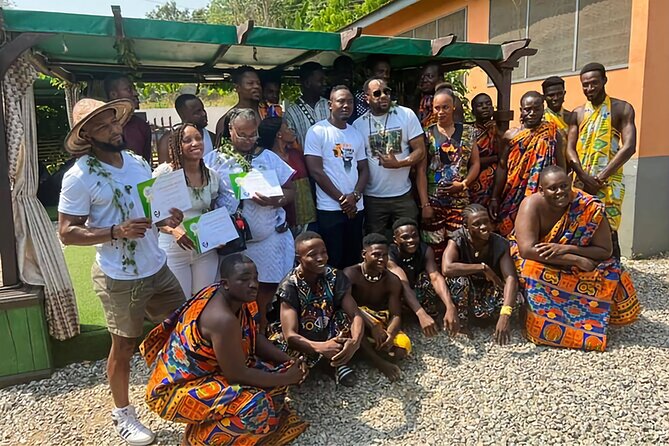
The physical gifts help make the ceremony easier to remember. You may receive beads or a Ghana Kente stole with Welcome to Ghana written and designed on it. The wording suggests a clear keepsake rather than an anonymous piece of merchandise.
You also receive a certificate of recognition. It records your participation and gives the naming ceremony a formal finish. For a family group, the certificate could become a useful reminder of the day and the name received.
There is also mention of Ghanaian cloth being tailored or arranged for you as a child of the earth and your roots. The wording does not provide enough detail to promise a particular garment, exact fabric, or fitting process. Treat the cloth as part of the ceremonial adornment that may be provided, not as a guaranteed custom-made outfit.
The same caution applies to the gift. Beads or a Kente stole may be included, but the exact item is not specified. If the gift is important to your decision, ask the operator what is normally provided on your date.
Why the private format matters
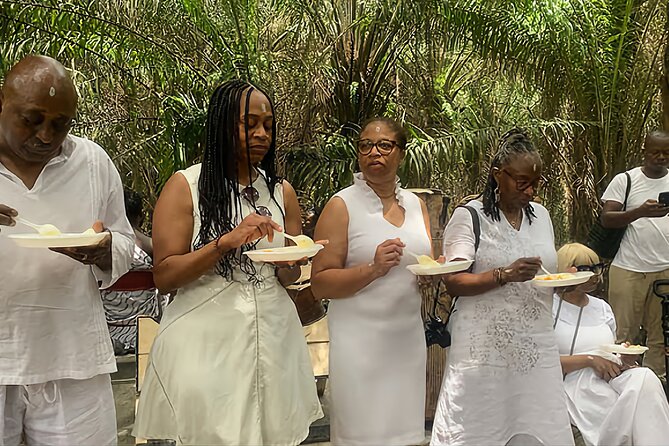
A private activity can make a major difference in a ceremony centered on identity. Only your group participates, so you are not placed inside a large tour crowd moving through a quick demonstration.
The private format may also suit families and diaspora groups traveling together. A naming ceremony can give the whole group a shared focus, with each person recognized within the same community setting.
You still need to understand what private means here. It means your booked party is the only tour group participating. It does not mean the ceremony happens in isolation. Local elders, drummers, dancers, and community members are part of the welcome, so the event remains social and public within the host community.
That balance is one of the stronger features of the activity. You get a focused booking without losing the communal character that gives the ceremony meaning.
The value of the $265 price
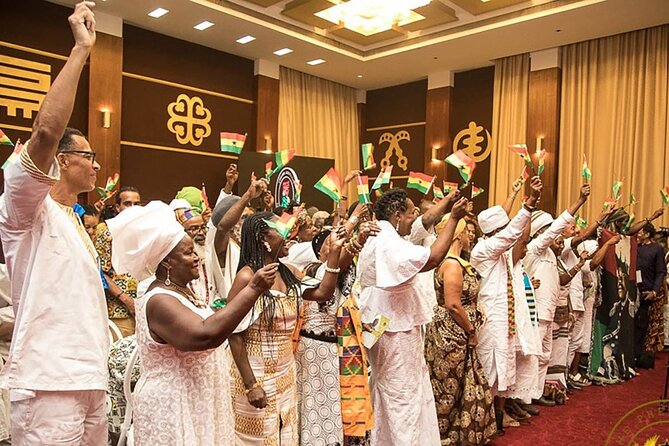
At $265 per person, this is not a low-cost sightseeing outing. The value depends on what you want from Ghana. If your aim is to collect landmarks quickly, you may find the price hard to justify. The activity centers on a single cultural event and does not list several major attractions.
The price makes more sense if you want a personal heritage ritual, private transportation or pickup support, a community welcome, an elder-led ceremony, music, a name, a certificate, and a keepsake. Those parts are bundled into a half-day outing that returns you to the starting point.
Group discounts may improve the value for families or organized diaspora groups. Since the activity is private, you should ask how the discount is applied and how many people qualify. The available details confirm that discounts are offered but do not give the rate.
I would compare this with the cost of arranging a private cultural visit on your own. The operator’s role includes connecting you with the community and organizing the ceremony, which can be difficult to arrange independently. The fair question is not simply how many hours you receive. It is how much you value the welcome and the formal naming ritual.
The rating of 4.6 from 15 reviews suggests a generally strong response, but the small number means you should read the description carefully rather than assume the event will fit every expectation. The one detailed criticism was about the village setting, not about the warmth of the people or the festive ceremony itself.
Who will get the most from this day
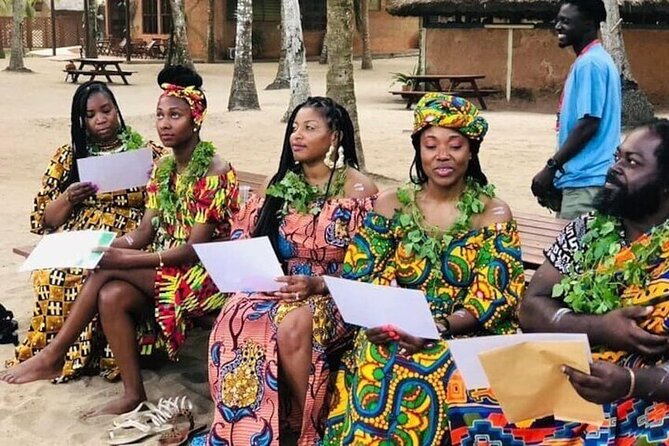
This is best for people with a clear interest in Ghanaian identity and heritage. It has particular meaning for members of the African American and Caribbean diasporas who want a symbolic connection with the African continent.
It can also suit visitors who have already seen Accra’s main sights and want a more personal cultural activity. Instead of moving from one attraction to another, you spend the central part of the day being welcomed by a community.
Families may appreciate the certificate and the shared ceremony. A group can discuss the new names, meanings, music, and welcome afterward, giving the day a lasting role in a larger Ghana trip.
You should think twice if you dislike ceremonial attention or prefer a tightly timed urban tour. The activity asks you to take part, not just observe. It also may involve a rural setting, and the total duration can stretch to eight hours.
This is not the right choice if you need a guaranteed indoor venue, a precise list of ritual steps, or a formal genealogy report. Those promises are not part of the available description.
Practical details that shape the day
Confirmation is received at booking, and mobile tickets are available. The activity accepts service animals, is near public transportation, and states that most people can participate.
The tour offers free cancellation with a full refund if you cancel at least 24 hours before the start time. Changes or cancellations made inside that 24-hour window are not accepted for a refund, and the cutoff follows local Ghana time.
Because the start is early, check your pickup instructions before the morning of the ceremony. The meeting point is Kotoka Airport, Accra, and the activity ends there as well. The information does not state that hotel pickup is automatic, so do not assume your accommodation is the default pickup location.
Bring your date of birth in an easy-to-access form. You will need it for the naming process, and having the correct information avoids an unnecessary scramble at the ceremony.
You should also allow time for the full five-to-eight-hour outing. The ceremony itself may take around three hours, but the total day is longer. Keep your schedule flexible, especially if this is planned around a flight, a business meeting, or another paid tour.
Should you book the naming ceremony?
Book this if you want a personal Ghanaian welcome rather than a standard city tour. The strongest reasons are the elder-led naming ritual, the use of your birth date, the local name and meaning, the drumming and dancing, and the chance to meet a community in a village or Accra setting.
Before paying, confirm the ceremony location and ask what gift will be provided. That single check can prevent the main disappointment, since at least one participant expected an indoor Accra event and found a village ceremony instead.
At $265, the activity is worth considering for diaspora visitors, families, and private groups who place real value on heritage and ceremony. It is less suitable for anyone looking for a cheap, short attraction stop. Go with an open mind, practical expectations, and enough time for the community welcome to unfold.
FAQ
Where does the naming ceremony take place?
It may take place in a rural Ghanaian village or in a community in Accra. Confirm the planned setting with the operator if you have a strong preference.
What time does the activity start?
The stated start time is 7:00 am.
Where is the meeting point?
The meeting point is Kotoka Airport in Accra, Ghana.
Where does the activity end?
The activity ends back at the meeting point.
How long does the experience last?
The full activity lasts approximately five to eight hours. The ceremony portion is listed at about three hours.
How is the Ghanaian name chosen?
You provide your date of birth, and the traditional naming process identifies your Soul Name and a local Ghanaian name with a meaning.
Who conducts the ceremony?
A respected community elder conducts the ceremony. The elder is described as having strong moral standing within the community.
What is included as part of the welcome?
The ceremony includes traditional drumming and dancing. You may also receive beads or a Ghana Kente stole marked with Welcome to Ghana, plus a certificate of recognition.
Is this a private activity?
Yes. Only your group participates in the private tour or activity. Group discounts are also offered.
Just added around Accra
- Visit Aburi Garden, Tetteh Quarshie Cocoa Farm & Waterfall★ 4.0 · 4 reviews
- Historical Day Tour to Cape Coast, Elmina and Kakum★ 5.0 · 3 reviews
- Private Airport Transfer to from ACC Kotoka by Business Car★ 5.0 · 4 reviews
- Private Slave Castles and Dungeons Tour in Cape Coast, Ghana★ 5.0 · 3 reviews
- Local Ghanaian Food Tasting Tours★ 5.0 · 3 reviews
- The Door Of No Return/ Dungeon & cape Coast Castle★ 5.0 · 4 reviews
- Historical tour in Cape Coast Ghana★ 5.0 · 3 reviews
- Cape Coast Castle and Kakum National Park 2-Day Private Tour★ 5.0 · 3 reviews
Ghanaian Naming Ceremony Experiences, compared.

The Ancestral Naming Ceremony and Home Coming Experience
Read our review →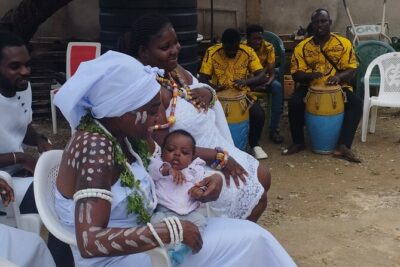
Traditional Naming Ceremony and Boat Cruise Experience
Read our review →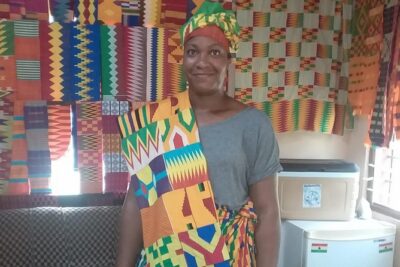
Kumasi Heritage Tours And Naming Ceremony In A Day
Read our review →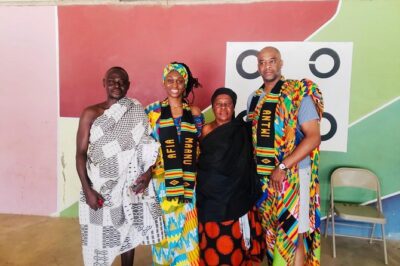
Traditional naming ceremony For African Diasporas in Kumasi
Read our review →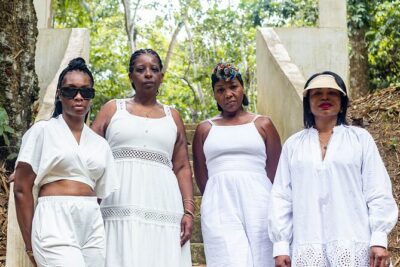
Naming Ceremony, Assin Manso Slave River and Cape Coast Castle
Read our review →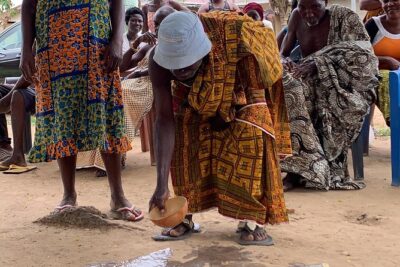
Cultural Village Tour: Traditional Naming Ceremony
Read our review →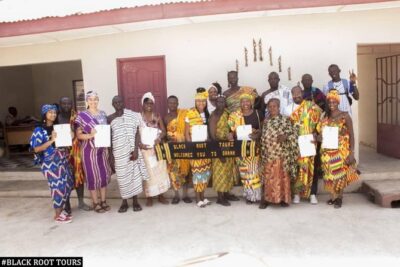
Traditional Naming Ceremony For African Americans In Kumasi
Read our review →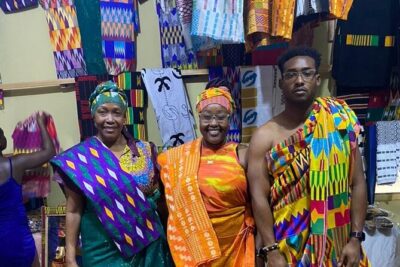
Full Day Tour with Traditional Naming Ceremony in Kumasi
Read our review →Browse the lists this tour appears in