
Reviewed · KUMASI TOURS
Bonwire Namimg Ceremony and Kente Tourist Center
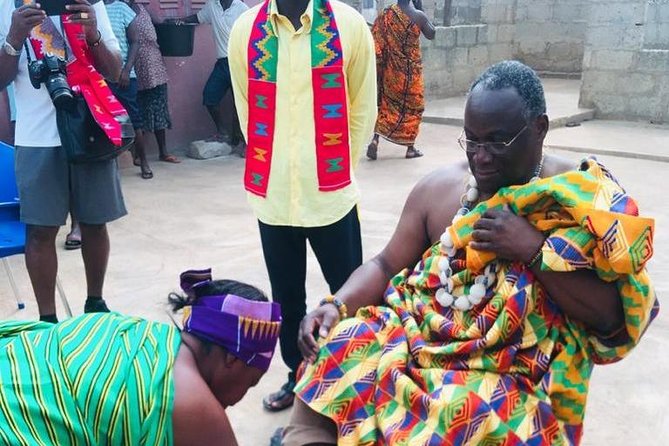
Bonwire gives you two meaningful ways to meet Ghanaian culture: you learn how Kente cloth is made, then receive an Akan name in a ceremony led by the village chief and Queen-mother. This is more personal than a quick museum stop, and the private format lets your group take the day at a comfortable pace.
I like the hands-on weaving lesson, because Kente makes more sense when you sit at the loom and see how patience, pattern, and color come together. I also like the naming certificate, a useful keepsake that records the Akan name given to you during the palace ceremony.
The main consideration is the price: $180 per person is a serious outlay for five and a half hours. It makes better value for a private group that wants transport, lunch, a ceremony, and a guide in one package than for someone seeking a short, low-cost craft visit.
Key Points to Know Before You Go
- Bonwire is linked with Kente cloth, and you can try weaving it yourself rather than only watching a demonstration.
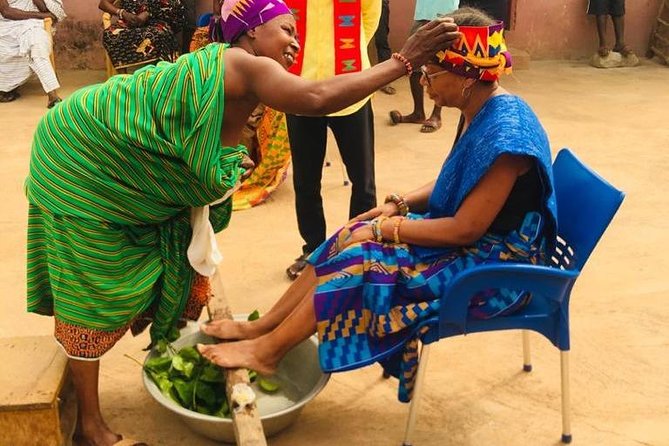
- The chief, Queen-mother, and village leaders conduct the Akan naming ceremony, adding a formal community setting to the visit.
- Your Akan name comes with a certificate, giving you a physical reminder of the ceremony.
- Pickup and private transport are offered, with an air-conditioned vehicle, bottled water, and local lunch included.
- The experience lasts about 5 hours and 30 minutes, though the listed Bonwire portion is described as about three hours.
- Guide Solomon and driver Kwame have been part of the service, with the team also handling an early airport pickup in one reported booking.
Why Bonwire Makes This More Than a Craft Stop
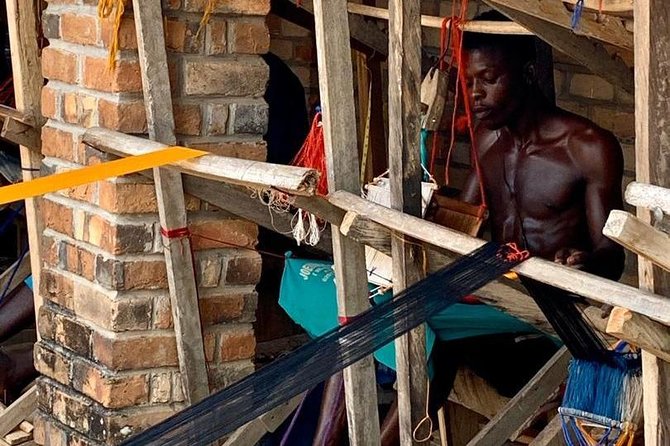
The appeal here is not simply buying a strip of colorful cloth. Bonwire is presented as the village where Kente cloth was invented, so the weaving center gives you a direct connection between place, craft, and identity.
Kente is made through careful weaving, with patterns and colors carrying meaning. You are taught about that meaning and given the chance to try the process yourself. I like this approach because it turns a visual subject into a practical one. After even a short attempt, you have a clearer sense of the work behind the cloth.
The experience also gives you something many city tours cannot: a formal cultural exchange. At Bonwire Palace, the chief and village leaders pray for you and assign a traditional Akan name. The Queen-mother is part of the ceremony as well.
That ceremony is the heart of the visit. It is not a staged photo stop described as a palace tour. You are there to take part in a naming custom, with a name connected to Akan culture and a certificate to mark the occasion. You should approach it with respect and a willingness to listen. The ceremony will mean more if you treat it as a cultural practice rather than a souvenir service.
Other Kumasi days people book alongside this one:
- Tour Kumasi City Like a Local
★ 4.5 · 34 reviews - Traditional naming ceremony For African Diasporas in Kumasi
★ 5.0 · 10 reviews - Kumasi City Tour
★ 5.0 · 8 reviews
The Drive From Kwame University to Bonwire
The day starts with pickup, and the experience information names Kwame University as the starting point. You travel by private, air-conditioned vehicle, so your group avoids the complications of arranging separate transport to the village.
The private setup matters in Kumasi. Only your party participates, which gives you more control than a large bus tour. You can ask questions as they arise, take your time at the weaving center, and discuss the ceremony with your guide without a crowd competing for attention.
The full experience lasts about five hours and 30 minutes. The Bonwire stop itself is listed at about three hours, leaving the rest of the time for pickup, driving, the ceremony, lunch, and transitions. Since exact driving times and the order of every activity are not specified, I would keep the rest of your day flexible.
One useful detail comes from the service provided on an earlier booking: guide Solomon and driver Kwame handled an early airport pickup and continued with the Kumasi visit. You should confirm your assigned team and pickup details at booking, but their names give you a sense of the personal service available through this operator.
Bottled water is included, as is lunch featuring a local meal. That is helpful on a half-day outing, especially since you do not need to break away from the activity to arrange food. Alcoholic drinks and dinner are not included, but neither is central to this daytime experience.
Learning the Loom at the Bonwire Kente Weaving Centre
At the weaving center, your guide explains Bonwire’s connection to Kente and teaches you how the cloth is made. You also get to try weaving it yourself.
That hands-on part deserves attention. Watching a craft is easy. Trying it shows you why Kente is valued. The work requires coordination and care, and the patterns do not appear by accident. Even if your own attempt is brief, you gain a practical sense of the skill involved.
You should expect the lesson to be educational rather than a full professional weaving course. The supplied timing gives the overall Bonwire portion as three hours, and that period includes both weaving and the naming ceremony. The exact amount of time at the loom is not stated.
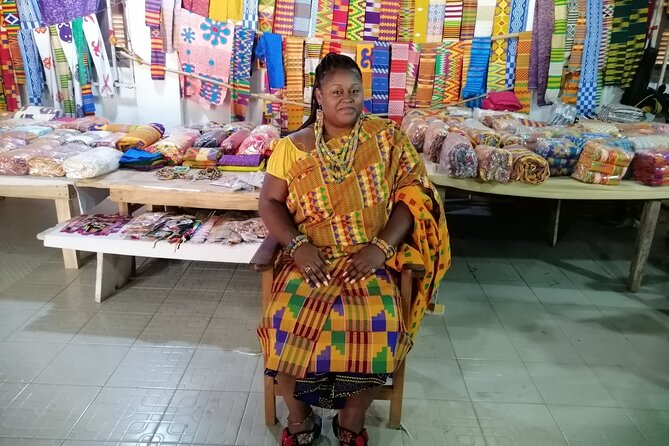
The center is also a sensible place to ask about the meanings of the cloth. The tour specifically includes an explanation of Kente’s meaning, so listen for the connection between design and cultural identity. You may find that the cloth becomes more interesting once you understand that it carries ideas, not just color.
This stop works well for people who like to make things, families with older children, and anyone who wants a cultural activity with a clear purpose. It may be less satisfying if you want a long shopping session or a detailed textile course. The emphasis is on learning, trying, and understanding the craft.
Receiving an Akan Name at Bonwire Palace
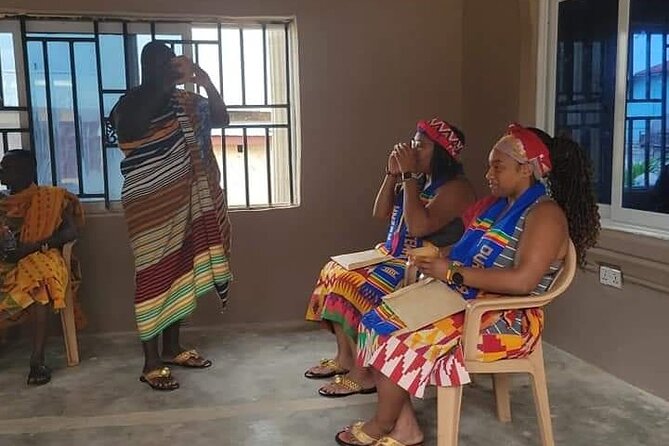
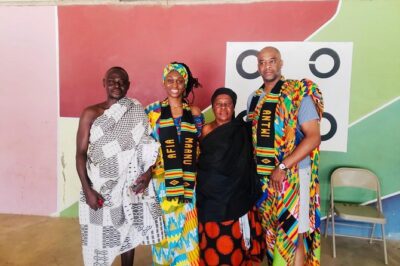
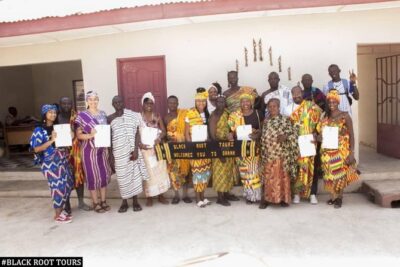
After the weaving visit, you go to Bonwire Palace for the Akan naming ceremony. The chief, Queen-mother, and village leaders pray for you and give you a traditional name. A certificate is included.
The setting gives the naming a sense of occasion. You are not simply handed a printed card by a guide. Village leaders take part, and the name is presented as part of a traditional ceremony. That makes this the most distinctive feature of the experience.
Akan names can relate to family, circumstances, or the day of birth, but the information provided here does not state how each individual name is selected. Your guide or the palace leaders can explain the meaning of the name you receive. Ask about it. The explanation will help you remember more than the spelling alone.
The certificate is a practical touch. It records your new Akan name and gives you something to take home. Treat it as a record of participation, not proof of a new legal identity. The value is cultural and personal.
You may also want to think about how you dress and behave. The ceremony takes place at the palace and involves community leaders. The tour details do not set a dress code, but respectful clothing and a calm attitude are sensible choices for any formal cultural setting.
The ceremony may be especially meaningful for families, couples, and people exploring a connection with Ghanaian culture. It also offers a different kind of memory from a standard sightseeing photograph. You leave with a name, a story, and a certificate tied to a specific village.
Same coastline, a completely different kind of day:
- Kumasi City Tour
★ 4.5 · 7 reviews - One day tour at Kumasi
★ 5.0 · 6 reviews - Lake Bosomtwe Boat Cruisely and Kumasi City Tours
★ 4.5 · 6 reviews - Traditional Naming Ceremony For African Americans In Kumasi
★ 5.0 · 5 reviews
What the Private Format Adds
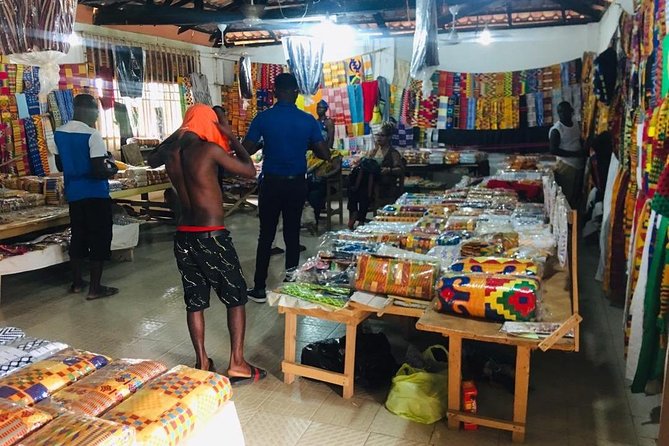
This is a private tour, so only your group participates. That is one of the strongest practical features.
Private transport saves you from arranging a taxi or navigating public transportation for a rural visit. The vehicle is air-conditioned, and pickup is offered. For a group staying in Kumasi, that combination can make the $180 price easier to justify.
The private format also supports conversation. You can ask your guide to clarify Kente patterns, explain the ceremony, or repeat a point without holding up a busload of people. If your party includes different ages or interests, the guide can give more attention to the people who want to ask questions.
There is a trade-off. Private tours cost more per person than a shared excursion, especially for a solo visitor. The price stays the same per person, so a larger private group may see better value than one or two people. Before booking, compare the cost with the value of included transport, lunch, water, admission fees, and the certificate.
The tour is also listed as suitable for most people, with service animals allowed and public transportation nearby. Those notes are useful, but they do not provide detailed information about the weaving setup or palace access. If you need specific mobility arrangements, ask before paying.
Is $180 a Fair Price?
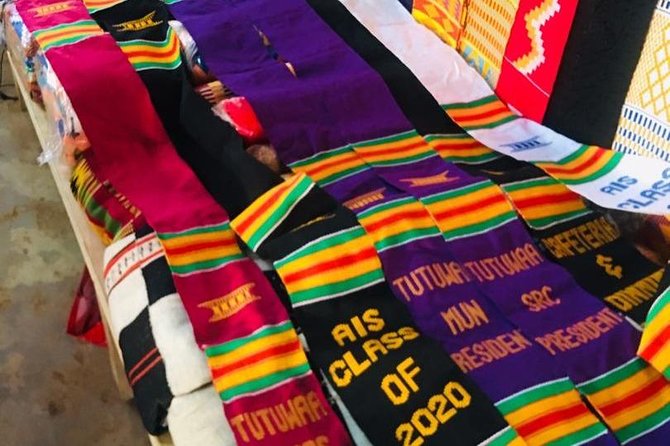
At $180 per person, this is not a bargain craft demonstration. It is a packaged private experience with several costs covered: an air-conditioned vehicle, all fees and taxes, bottled water, a local lunch, and the naming certificate.
The value depends on what you want from your Kumasi visit. If you only want to see Kente cloth, the price will likely feel high. If you want private transport to Bonwire, a weaving lesson, a formal Akan naming ceremony, food, and a guide in one half-day outing, the package is more reasonable.
The experience also avoids the need to coordinate separate bookings. You do not have to arrange transport, find a weaving center, locate the palace, and organize lunch on your own. That convenience has real value, particularly if you have limited time in Kumasi.
I would judge the price by the size of your group and the importance of the ceremony to you. A couple or family that wants a private cultural day may find it worthwhile. A solo visitor focused on keeping costs down may prefer a less elaborate plan.
The perfect score and 100 percent recommendation shown for the experience suggest strong satisfaction, but the more useful point is what the praise focuses on: care, attention, professionalism, and the work of the guide and driver. The reported booking involving Solomon and Kwame included an airport pickup, showing that the team can handle a demanding arrival day as well as a planned village visit.
Timing, Food, and Booking Details
Plan on about five and a half hours, and avoid placing another important appointment immediately afterward. The listed stop time is three hours, but transport and ceremony timing can vary.
Lunch is a local meal and is included. Bottled water is also supplied. Alcoholic beverages and dinner are not included, so plan separately if you need anything beyond the daytime meal.
Confirmation is received at the time of booking. Pickup is offered, but you should make sure your pickup point and start time are clear before the day begins. The published opening information shows Monday hours from 7:00 AM to 9:30 PM for the stated date range, though the format of that schedule is unusual. Confirm the operating day and exact start time for your booking.
The experience requires good weather. If poor weather causes cancellation, you are offered another date or a full refund. For your own plans, that means it is wise not to schedule a tight, nonrefundable connection after the tour.
Free cancellation is available up to 24 hours before the start time. Canceling or changing the booking within 24 hours does not qualify for a refund. The cutoff uses local time.
Who Will Get the Most From This Visit?
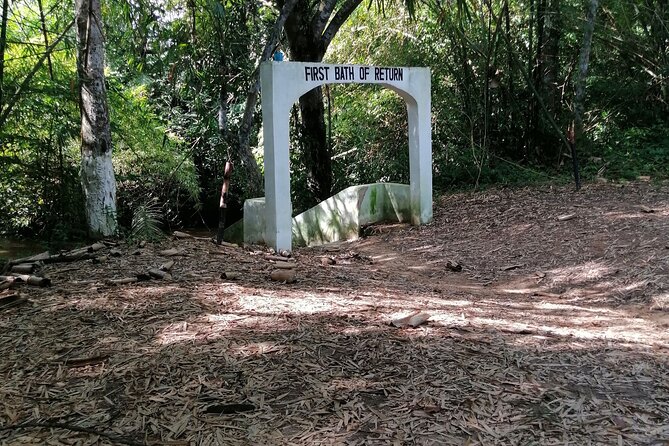
I would recommend this experience to you if you want personal contact with local cultural traditions rather than a quick city checklist.
It suits:
- Families looking for an activity with both making and ceremony
- Couples who want a meaningful shared keepsake
- First-time visitors to Kumasi with limited time
- People interested in textiles, design, and traditional craft
- Private groups that value a dedicated vehicle and guide
- Anyone who wants an Akan name explained and recorded on a certificate
You may want to reconsider if your main goal is a long shopping trip, a detailed study of textile production, or the lowest possible price. The experience gives you an introduction to weaving, not a full course, and the central purpose is the naming ceremony.
It is also important to bring the right attitude. You are entering a village and taking part in a ceremony led by community figures. Curiosity is welcome, but patience and respect matter more than getting the fastest possible photo.
Should You Book the Bonwire Naming Ceremony?
I would book this if the Akan naming ceremony is the reason you are interested. That part gives the half-day its identity, while the weaving lesson adds a useful, hands-on connection to Bonwire and Kente.
The package is strongest for a private group that wants transport, a local meal, a guide, and a formal cultural experience without managing separate arrangements. The names Solomon and Kwame also point to a service style that can include careful pickup and personal attention.
I would pause if $180 per person stretches your budget or if you only want to see Kente being made. In that case, the ceremony and private vehicle may be more than you need.
For the right visitor, this is a memorable Kumasi outing: you make a small attempt at a famous Ghanaian craft, meet village leaders, receive an Akan name, and return with a certificate that marks the occasion.
FAQ
Where does the experience take place?
The experience takes place in Bonwire village near Kumasi, Ghana. The day begins with pickup, with Kwame University identified as the starting point.
How long does the tour last?
The full experience lasts approximately 5 hours and 30 minutes. The Bonwire visit itself is listed as about three hours.
What happens at the Kente weaving center?
You learn about Bonwire’s connection to Kente cloth, hear about its meaning, and try weaving Kente yourself.
Who conducts the Akan naming ceremony?
The ceremony is conducted by the chief, Queen-mother, and leaders of the village.
Do I receive proof of my Akan name?
Yes. A naming ceremony certificate with your new Akan name is included.
Is lunch included?
Yes. A local meal is included. Alcoholic beverages and dinner are not included.
Is transportation provided?
Yes. Pickup is offered, and transport is provided in an air-conditioned vehicle.
Is this a private tour?
Yes. Only your group participates in the private tour or activity.
What is the cancellation policy?
You can cancel up to 24 hours before the experience for a full refund. Cancellations or changes made less than 24 hours before the start time are not refunded. If poor weather causes cancellation, you are offered another date or a full refund.
Just added around Kumasi
- Kumasi Culture and Heritage Tours★ 4.5 · 3 reviews
- Traditional Naming Ceremony For African Americans In Kumasi★ 5.0 · 5 reviews
- Full Day Tour with Traditional Naming Ceremony in Kumasi★ 5.0 · 4 reviews
- Discover kumasi Tours★ 5.0 · 3 reviews
- Kumasi City Tour★ 4.5 · 3 reviews
- Kumasi: City Tour★ 5.0 · 3 reviews
- One day tour at Kumasi★ 5.0 · 6 reviews
- Lake Bosomtwe Boat Cruisely and Kumasi City Tours★ 4.5 · 6 reviews
Kumasi Tours, compared.
Traditional naming ceremony For African Diasporas in Kumasi
Read our review →
Lake Bosomtwe Boat Cruisely and Kumasi City Tours
Read our review →
Traditional Naming Ceremony For African Americans In Kumasi
Read our review →
Full Day Tour with Traditional Naming Ceremony in Kumasi
Read our review →Browse the lists this tour appears in