
Reviewed · HISTORICAL TOURS
Ghana Heritage Tours – Beyond The Return
Ghana Heritage Tours is built around one powerful idea: you do not simply visit Ghana, you follow the routes, traditions, and stories tied to your African heritage. Over eight days, you move from Accra to Kumasi and Cape Coast, ending with a traditional naming ceremony led by chiefs, queen mothers, and elders.
I like the way the tour combines major historic sites with personal encounters, especially the hands-on cloth work at Ntonso and the visit to traditional kente weavers at Adanwomase. I also like that airport transfers, hotels, meals, admission fees, and a private air-conditioned vehicle are included. The main caution is the pace: several days are long, and the subject matter at Assin Manso, Cape Coast Castle, and Elmina Castle can be emotionally heavy.
Key points to know before booking
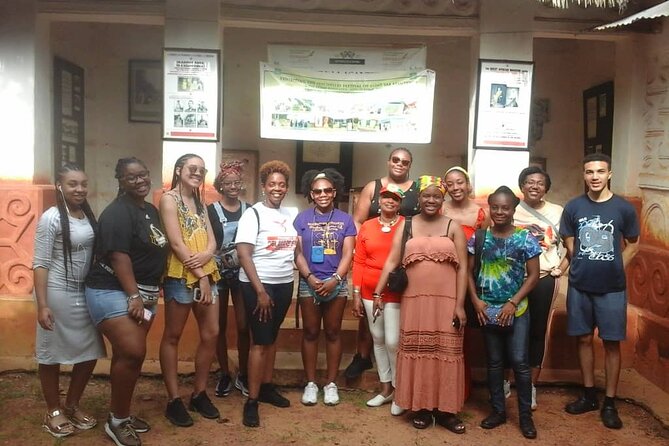
- Your African naming ceremony is the heart of the trip: Chiefs and elders welcome you with libation, drumming, dancing, and a traditional name.
- The route covers three major Ghanaian centers: Accra, the Ashanti capital Kumasi, and the coastal towns of Cape Coast and Elmina.
- You get more than museum visits: You can meet beadmakers, kente weavers, tailors, drum and sculpture makers, and adinkra cloth printers.
- The price includes most daily costs: Accommodation, breakfast, lunch, dinner, transport, water, guides, transfers, and excursion fees are covered.
- The history is serious and personal: Assin Manso and the coastal castles focus on the forced movement and imprisonment of enslaved Africans.
- This is a private tour: Only your own group participates, which allows more room for questions, shopping, reflection, and schedule adjustments.
Why this eight-day Ghana route works
At $3,595 per person, this is not a budget Ghana trip. It is a fully arranged heritage journey with private transport and a strong cultural focus. You are paying for more than entrance tickets. The cost also covers seven breakfasts, seven lunches, eight dinners, hotel accommodation, unlimited mineral water, fuel, airport transfers, an experienced driver, a local guide available around the clock, and all listed excursion fees.
That package can offer solid value if you prefer not to arrange several hotels, long road transfers, meals, and admission tickets yourself. Drinks, including soft and alcoholic drinks, are extra, as are flights and a visa. Group discounts may help reduce the per-person cost if you are traveling with family or friends.
The tour is private, so you are not sharing the vehicle with a large bus group. That matters here. You may want time to ask about family origins, pause at a memorial, negotiate for cloth, or spend longer with an artisan. The experience is still structured, but it is not built around rushing a crowd through each stop.
A few more Accra trips to weigh up
- Experience the Beauty, History and the Culture Of Accra in a Day
★ 5.0 · 323 reviews - 10 Days Ghana Cultural and Heritage Trip
★ 5.0 · 31 reviews - Cape Coast Historical Day Tour
★ 5.0 · 24 reviews
Arrival in Accra and your first evening
Your airport welcome begins with a search for the Ashanti African Tours sign after you leave the arrival hall. The team provides the transfer to your hotel, helps you settle in, and answers questions about the days ahead. A first dinner gives everyone time to discuss the journey and get oriented.
You can keep the first night quiet at the hotel, or go into Accra for nightlife. I would treat this choice according to your arrival time and energy. The published start time is listed as 12:00 am, but the practical arrangement described is an airport pickup tied to your arrival, followed by hotel check-in and dinner.
Accra’s museums, independence sites, and old coastal quarter
Day two opens at the National Museum of Ghana, a useful first stop because its displays introduce customs, objects, and traditions from Ghana and other parts of West Africa. The adjoining garden adds sculptures connected with regional beliefs and everyday life.
This is also a practical point to begin arranging custom clothing. Fabrics are available around the museum and nearby markets, and a tailor or seamstress can take your measurements and help select designs. If you order clothing, ask about the delivery timing early. The planned evening in Cape Coast is intended as a chance to wear the finished outfits.
At Kwame Nkrumah Memorial Park, you visit the burial place of Ghana’s first president and learn about the political work that led the Gold Coast to independence in 1957. The museum holds photographs and objects from his life. Nearby Independence Square and the Black Star Gate add national context, especially the flame of African liberation lit by Nkrumah in 1961.
The National Cultural Center is beside the memorial park and offers a large outdoor market for African fabrics, crafts, and other traditional goods. This is one of the tour’s better shopping opportunities, but remember that markets require patience and careful price comparisons. Your guide can help you understand what you are buying and arrange craft visits later in the week.
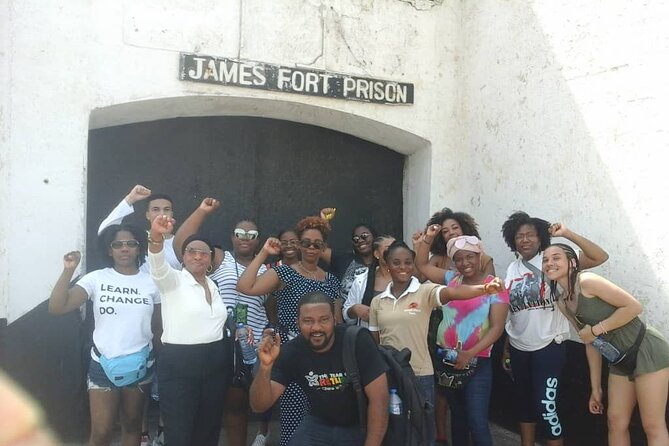
The walking tour through James Town shifts the focus from national history to a living Accra neighborhood. You see old structures, the 1871 British lighthouse, fishing boats, and Fort James, which began as a British trading post in 1673. The area helps explain the city before and during colonial rule.
The evening returns you to your hotel for dinner, tailoring arrangements, and the option of Accra nightlife. After a full day of museums, memorials, shopping, and walking, you may prefer the hotel. That flexibility is useful, since the following days continue at a steady pace.
DuBois, beads, and the Akuapem hills
Day three begins at the W.E.B. DuBois Centre, the former home and burial place of the American Pan-Africanist. DuBois spent his final years in Ghana, and the center now includes a library and research institute. For visitors tracing connections between Africa, the United States, and Pan-African thought, this stop gives the journey a wider frame.
At T.K. Beads, you see how traditional African beads are made and learn about their role in beauty, wealth, and social standing, particularly on important occasions. There is also an on-site shop. This is a good place to buy a personal item with a direct connection to a craft process you have just seen.
The road then climbs toward the Aburi Botanical Gardens in the Akuapem hills. The gardens offer broad views toward Accra, along with indigenous and exotic plants. Your guide identifies trees and plants, including some used for medicine in Ghana. The visit lasts about 45 minutes, so expect an introduction rather than a long botanical study.
The nearby Aburi Crafts Village focuses on drums, sculptures, and other handmade objects. You can watch craftspeople at work and shop at what is described as one of the less expensive craft markets in Ghana. Bring room in your luggage. The tour gives you several chances to buy textiles, beads, carvings, and other items.
Same coastline, a completely different kind of day:
- The Cape Coast Day Tour
★ 5.0 · 525 reviews - The Cape Coast Tour
★ 5.0 · 177 reviews - From Accra: Cape Coast, Elmina Castle & Kakum Park Day Tour
★ 4.6 · 144 reviews - Accra Detailed City Tour
★ 4.5 · 118 reviews
Kumasi and the power of Ashanti tradition
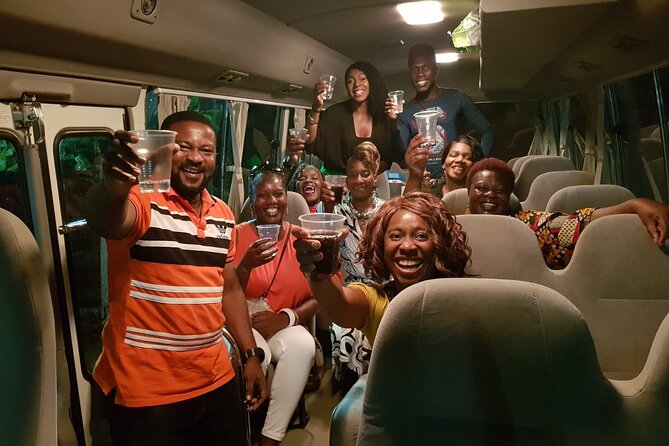
Day four takes you to Kumasi, the Ashanti capital, for a concentrated day of royal, religious, and commercial history. At Manhyia Palace Museum, you learn about the Asantehene, the Ashanti king, and the Asanteman Kingdom. The museum explains the role of the Ashanti state and the legacy of its rulers.
The Prempeh II Jubilee Museum, located at the National Cultural Centre in Bantama, adds older objects and a broader look at Ashanti history. These two museums work well together. Manhyia gives you the royal setting, while Prempeh II adds artifacts and historical background.
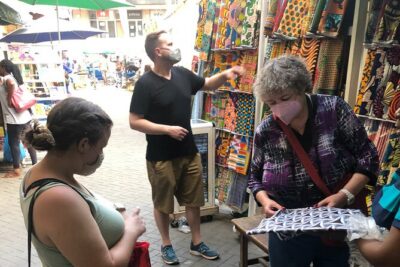
Kejetia Market brings you into the daily trade of Kumasi. It is a huge outdoor market made up of tightly packed stalls, and the scale can feel intense. Your guide is especially valuable here, helping you move through the maze and giving you a clearer view of how the market operates.
At the Okomfo Anokye Sword Site, you hear the story of the priest Okomfo Anokye and the founding traditions of the Ashanti kingdom. The sword is said to have been planted as a sign of unity and has remained in the ground despite attempts to remove it. The visit is short, but the legend carries real importance in Ashanti identity.
You can spend the evening at the hotel or go into Kumasi for nightlife. As with Accra, the option is there, not compulsory. If you want a quieter trip, use the evening to rest.
UNESCO buildings, kente, and adinkra symbols
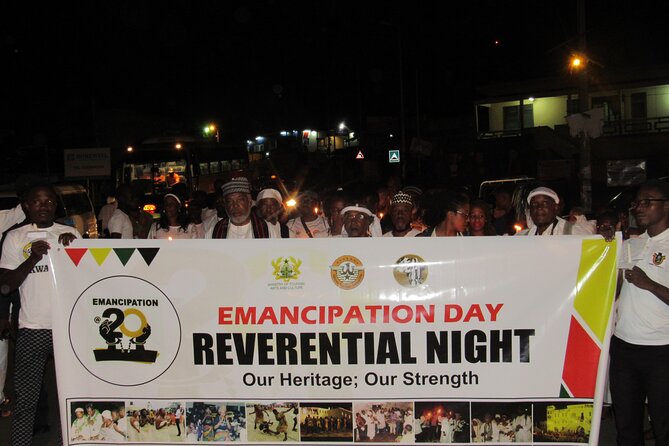
Day five moves beyond museums and into the communities that keep textile traditions alive. The Asante traditional buildings are UNESCO World Heritage sites and are linked with Nana Yaa Asantewaa, a major Ashanti warrior and Queen Mother of Ejisu Besease who led resistance against the British in 1901.
At Adanwomase, you meet kente weavers working on traditional looms. You learn how different patterns carry meaning and see how families have continued the craft across generations. The visit is more useful than a quick shop stop because you can watch the cloth being produced and then decide what you want to buy.
Ntonso is the home of adinkra cloth and symbols. The symbols are carved from calabash shells and printed on cloth with natural dyes made from local tree bark. You can make your own strip of adinkra cloth, choosing symbols with personal meaning.
This hands-on activity is one of the strongest parts of the itinerary. Kente and adinkra are not just souvenirs. They communicate ideas about status, mourning, festivals, leadership, and personal values. Your finished piece may be small, but you will understand more about the design than you would from buying fabric in a shop.
The afternoon and evening are free in Kumasi after lunch. That break is welcome after several days of visits and road travel.
Assin Manso and the coastal castles
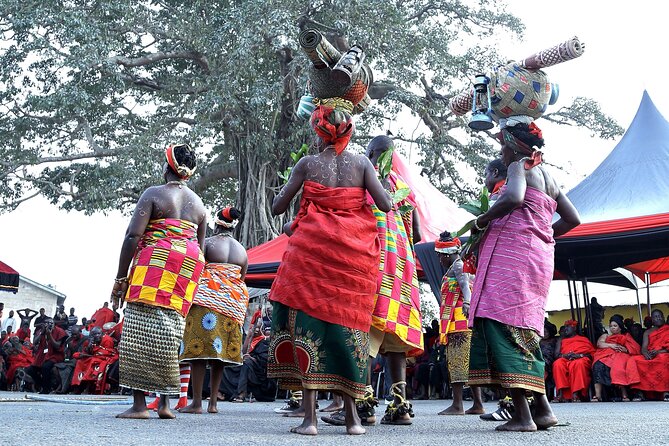
Day six is the most solemn part of the journey. At Assin Manso Ancestral Slave River Park, you learn about the route taken by enslaved Africans from northern Ghana, Burkina Faso, and Niger toward the coast. The Ndonkor Nsuo, or Slave River, was a place where people were bathed, examined, and rested before the final march to Cape Coast.
The visit asks for quiet attention. It is not a light sightseeing stop, and you may want time afterward before continuing. The tour’s focus on ancestors makes this site especially personal for people tracing family connections to the Americas.
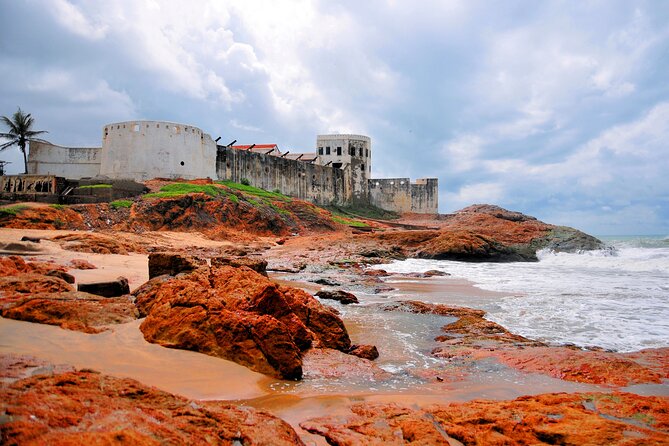
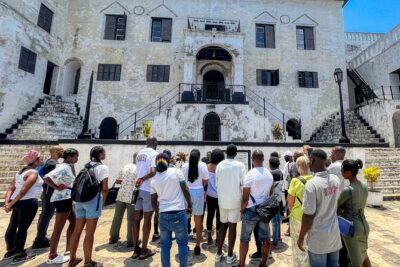
Cape Coast Castle is the major historical stop that afternoon. The castle’s dungeons held up to 1,300 African men, women, and children at one time under terrible conditions. You visit the rooms below the governor’s quarters and church, including the passage associated with the final departure from Africa.
The guide’s role is important here. You need clear historical explanation, but you also need space to process what you are seeing. This visit can be painful. It is best approached as a memorial and place of learning, not as a standard attraction.
Afterward, you check into a beachfront hotel in Elmina. Dinner is served near the water, giving you time to think about the day. The setting may feel peaceful, but the subject remains close. The contrast is part of the experience.
Kakum and the naming ceremony
Day seven begins at Kakum National Park, where a seven-bridge canopy walkway hangs about 40 meters above the rainforest floor. The bridges connect emerging trees and include viewing platforms. You should be comfortable with heights before committing to this part of the day.
The walkway is short enough to fit into the broader schedule, but it offers a sharp change from the castles and memorials. You get forest views from above and a physical activity after several days focused on museums and historic buildings.
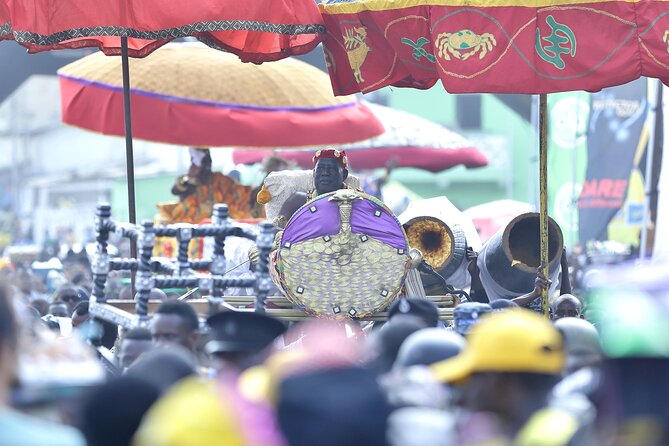
The central event follows at a local village near Cape Coast. You pay a courtesy call to chiefs, queen mothers, and elders. Libation formally welcomes you home, then drumming and dancing bring the ceremony to life.
The naming ceremony is personal rather than a staged photo opportunity. The elders officially give you an African name and welcome you to the place where your ancestors’ culture continues. Ask your guide to explain the meaning and pronunciation of the name so you can use it with confidence after returning home.
That evening is set aside for celebration in Cape Coast. Tailored clothing ordered earlier may have arrived, giving you a natural reason to wear it. You return to the beach hotel for dinner, then head into town for nightlife.
Elmina Castle and the final return to Accra
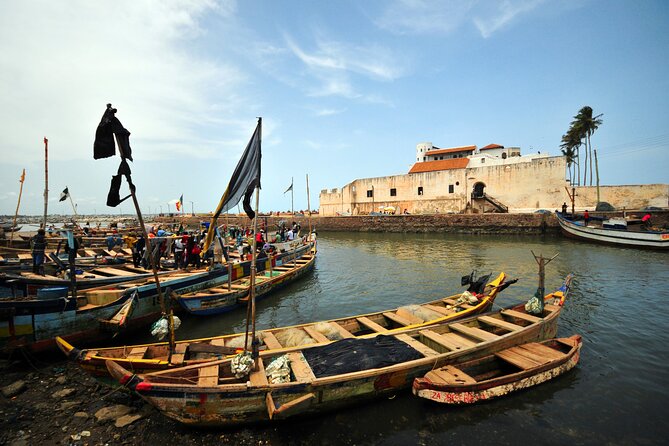
The final day visits Elmina Castle, built in 1482 and described as the oldest surviving colonial building in sub-Saharan Africa. Like Cape Coast Castle, it is a UNESCO World Heritage site with a museum focused on local history and the transatlantic slave trade.
The visit continues in Elmina town, where you see the fishing market and walk to boat builders. That local detail matters. It connects the castle to the coastal community around it rather than leaving the site as an isolated monument.
You then travel back to Accra for an early evening meal and farewells before the airport transfer or drop-off at a prearranged Accra location. Because the final road transfer and international departure happen on the same day, confirm your flight timing before booking. The tour data does not provide exact driving times, so leave a sensible margin for the return journey.
What the $3,595 price really covers
The fee is easiest to justify if you want a single organized package. You receive an air-conditioned vehicle, an experienced driver, unlimited mileage and mineral water, accommodation, meals, admission fees, airport transfers, insurance, and office support at all hours.
Eight dinners, seven lunches, and seven breakfasts cover nearly the full trip, but drinks are excluded. You should also budget separately for fabrics, beads, carvings, kente, adinkra cloth, tailoring, visas, and international flights.
The strongest value comes from the private arrangement and the number of included cultural visits. Someone booking each hotel, transfer, guide, meal, and ticket independently might spend less, but would also take on the planning and coordination. Group discounts may make the package more appealing for families or heritage groups.
Who should book this Ghana heritage journey?
I would recommend it to first-time visitors who want Ghana’s major heritage sites without handling intercity transport themselves. It is especially well suited to people with a personal or family connection to West Africa, since the naming ceremony and ancestral sites give the trip an emotional center.
It also suits shoppers and craft lovers. You have repeated chances to buy fabric, clothing, beads, drums, sculptures, kente, and adinkra cloth, while also seeing how several of those items are made.
I would hesitate to recommend it to someone seeking a slow beach holiday or a light cultural tour. The schedule covers a lot of ground, and the slave-trade sites are difficult. You should also be ready for long days, changing from city streets to markets, hill gardens, rainforest bridges, and coastal historic sites.
The company has received a 5 out of 5 rating from 36 reviews, with 100 percent recommendation shown in the supplied information. One response specifically names Alex, Eric, and the wider Ashanti African Tours team. Names and staff assignments can change, but those details suggest you may have direct contact with a small operating team rather than an anonymous large operator.
Should you book it?
Book this tour if you want Ghana presented through family connection, Ashanti culture, craft traditions, independence history, and the forced journey of enslaved Africans to the coast. The traditional naming ceremony is a rare feature, and the combination of private transport, meals, hotels, and local guiding removes much of the practical work.
Skip it if you want to set your own pace, spend long stretches on the beach, or avoid emotionally difficult history. For the right person, the cost buys a carefully connected journey, not just eight days of sightseeing. Before paying, confirm the exact hotels, flight timing on day eight, the current guide assignment, tailoring arrangements, and what the group discount includes.
FAQ
How long does Ghana Heritage Tours, Beyond The Return last?
The experience lasts approximately eight days, with visits in Accra, the Akuapem hills, Kumasi, Assin Manso, Cape Coast, Elmina, and Kakum National Park.
What is included in the $3,595 price?
The price includes accommodation, breakfast, lunch, dinner, an air-conditioned vehicle, fuel, unlimited mileage, mineral water, an experienced driver, an expert local guide, excursion fees, airport transfers, insurance, and 24/7 office support.
Are international flights included?
No. International flights and the Ghana visa are not included.
Are drinks included with the meals?
No. Soft drinks and alcoholic drinks are not included.
Is airport pickup available?
Yes. Airport transfers are included. On arrival, you should look for the Ashanti African Tours sign after leaving the arrival hall.
Is this a private tour?
Yes. Only your group participates in the activity.
Does the tour include a traditional African naming ceremony?
Yes. The ceremony takes place near Cape Coast in a local village and includes a welcome from chiefs, queen mothers, and elders, along with libation, drumming, dancing, and the giving of an African name.
Can you cancel for a full refund?
Yes, if you cancel at least three full days before the experience start time. Cancellations or changes made less than three full days before the start are not refunded or accepted. Weather or minimum-participant cancellations may result in a different date, another experience, or a full refund.
Just added around Accra
- Visit Aburi Garden, Tetteh Quarshie Cocoa Farm & Waterfall★ 4.0 · 4 reviews
- Historical Day Tour to Cape Coast, Elmina and Kakum★ 5.0 · 3 reviews
- Local Ghanaian Food Tasting Tours★ 5.0 · 3 reviews
- Private Airport Transfer to from ACC Kotoka by Business Car★ 5.0 · 4 reviews
- Private Slave Castles and Dungeons Tour in Cape Coast, Ghana★ 5.0 · 3 reviews
- The Door Of No Return/ Dungeon & cape Coast Castle★ 5.0 · 4 reviews
- Historical tour in Cape Coast Ghana★ 5.0 · 3 reviews
- Cape Coast Castle and Kakum National Park 2-Day Private Tour★ 5.0 · 3 reviews
Historical Tours, compared.

Experience the Beauty, History and the Culture Of Accra in a Day
Read our review →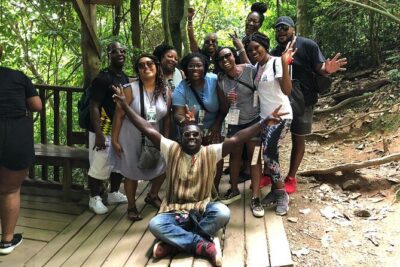
Full-Day Private Culture and History Tour of Accra
Read our review →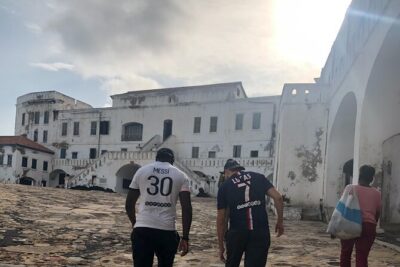
Ghana Private Historic Tour through Castles and Nature
Read our review →
7-Day Private Cultural and Heritage Tour in Ghana
Read our review →
The Historic Cape Coast and Elmina Tour (The Land of History).
Read our review →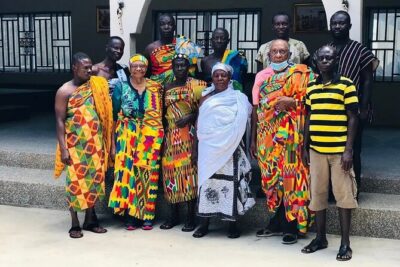
Naming Ceremony and Heritage Homecoming Experience for Diasporas
Read our review →Browse the lists this tour appears in