
Reviewed · HISTORICAL TOURS
Experience the Beauty, History and the Culture Of Accra in a Day
Accra’s story comes into focus when you move from Kwame Nkrumah’s memorial to Independence Square, then on to James Town, Makola Market, and the W.E.B. Du Bois Centre. This private six-hour tour links Ghana’s independence, Pan-African thought, colonial past, street life, and local crafts in one busy day.
I like the private vehicle and hotel pickup, which save you from arranging separate taxis across a spread-out city. I also like the mix of serious history and everyday Accra, especially Makola Market and the Center for National Culture. The main caution is traffic: one family could not reach Makola because parking and road congestion took too much time, and some sites may not open on Sundays.
Key points
- Six major Accra sights in about six hours: The route covers national monuments, historic James Town, two cultural centers, and two major shopping areas.
- Private touring makes the day flexible: Only your party participates, and guides have adjusted the schedule for family needs and earlier meals.
- Emmanuel, Samuel, Benjamin, and Bernice have received especially warm praise: Expect clear explanations, help with photographs, and a relaxed approach.
- Makola Market is the most unpredictable stop: It offers a close look at daily commerce, but heavy traffic and limited parking can affect the visit.
- The tour is strongest for first-time visitors: It gives you a useful map of Accra before you explore the city on your own.
- Bring water and a snack: The day includes substantial time outside in Accra’s heat and humidity, and lunch is not included.
Why this Accra tour works as a first day
This is a fast orientation to Accra, not a slow museum day. You move between political landmarks, memorials, markets, and historic neighborhoods while a local guide explains how the pieces connect.
That range is the tour’s main strength. You do not spend six hours looking at similar monuments. Instead, you see where Ghana’s independence is commemorated, where its first president is remembered, where European settlement took root, and where modern Accra shops and trades.
I would choose this tour early in a Ghana visit. It gives you names, places, and historical reference points that make later sightseeing easier. After hearing about Kwame Nkrumah, Pan-Africanism, and James Town with a guide, you can return to the places that interested you most and spend more time there.
The private format matters. You travel only with your own party, in a chauffeur-driven vehicle, with round-trip transport from your Accra accommodation included. That is useful in a city where moving between central districts can take patience. It also lets you ask questions freely and request small changes without trying to fit into a large group’s rhythm.
The tour receives a 4.8 rating from 323 reviews, with 97 percent recommending it. Those figures point to a consistently strong experience, especially for guide quality, punctuality, historical explanations, and the ease of seeing major sights without arranging separate rides.
A few more Accra trips to weigh up
- Ghana Heritage Tours – Beyond The Return
★ 5.0 · 36 reviews - 10 Days Ghana Cultural and Heritage Trip
★ 5.0 · 31 reviews - Cape Coast Historical Day Tour
★ 5.0 · 24 reviews
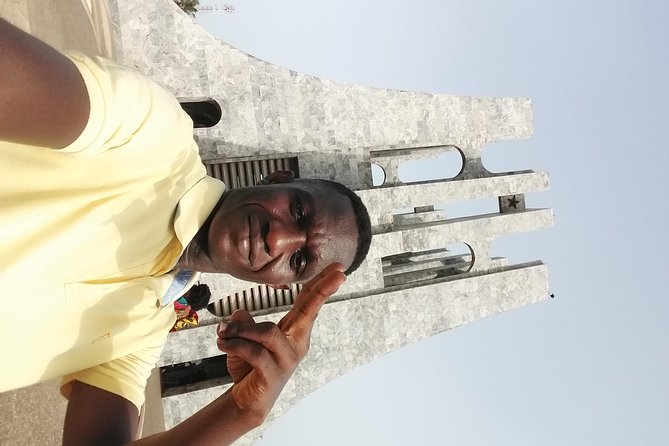
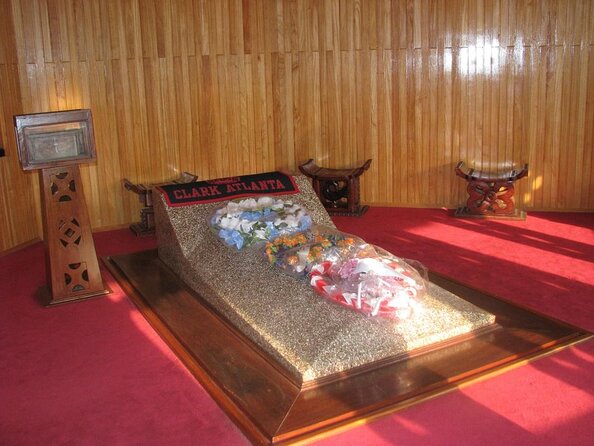
Kwame Nkrumah Memorial Park begins the story
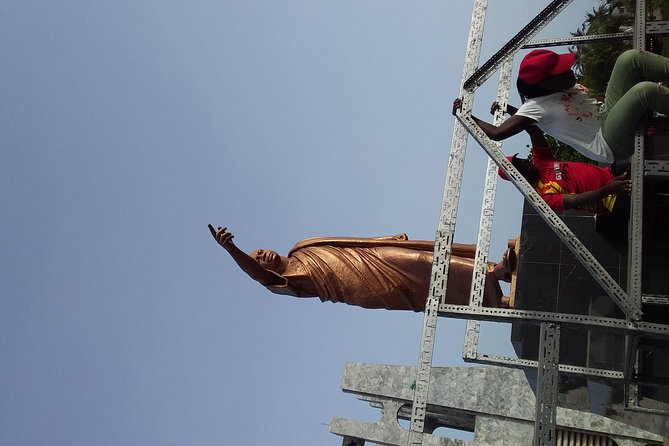
The first stop is the Kwame Nkrumah Memorial Park, with about an hour set aside and admission included. This is the place to learn about Dr. Kwame Nkrumah, Ghana’s independence leader and first president.
The memorial gives the tour its political starting point. Your guide can explain Nkrumah’s role in Ghana’s independence and help place the country’s early years as a modern nation into context. For many visitors, this is more meaningful than simply taking photographs at a monument because the guide connects the site to the wider independence movement.
Give yourself time to listen. The historical value here depends heavily on the explanation, and guides such as Emmanuel and Samuel have been praised for making the material clear and easy to discuss. One especially strong part of the experience is the chance to ask questions rather than receive only a set speech.
The one-hour plan is sensible, though you should remember that the schedule is an estimate. Traffic, parking, and the pace of your group can affect later stops. If the history of modern Ghana is your main reason for booking, tell your guide early so you can make the most of this visit.
Makola Market shows everyday Accra
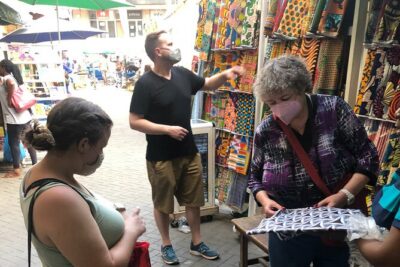
Makola Market brings a sharp change of pace. You leave formal memorial grounds and enter one of Ghana’s major open-air markets, where the focus is daily buying, selling, bargaining, and movement through the city.
This is the stop that makes the tour feel connected to present-day Accra. You are not only seeing official monuments. You are also getting a glimpse of how people shop and work. A guide can help you understand what you are seeing and, when needed, assist with conversations or negotiations with local merchants.
That help can be valuable if you want to buy something but are unsure how to approach a seller. One guide, Emmanuel, was praised for helping with negotiations, which is exactly the sort of practical support that can make a market visit more comfortable.
Makola is also the least predictable stop. Traffic around the market can be severe, and parking may be difficult. One family had to miss it because road congestion and parking delays consumed too much of the day. I would treat the market as a major goal, but not assume it can be reached on schedule every time.
Wear comfortable shoes, keep your belongings secure, and bring water. You may find the market crowded and demanding, but that is part of its value. This is a working commercial area, not a staged cultural display.
Independence Square puts Ghana’s freedom on a grand scale
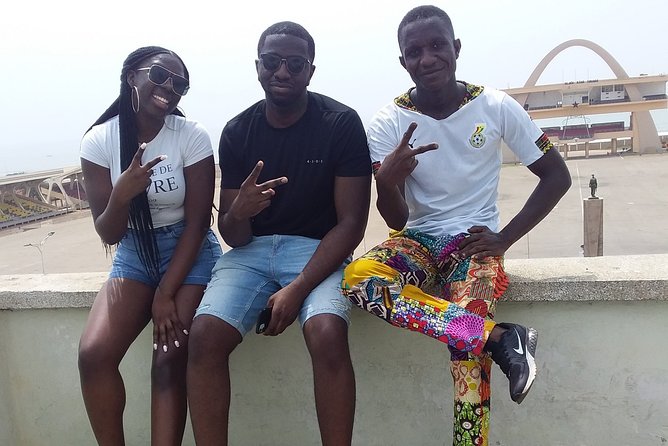
Independence Square, also known as Black Star Square, gives the tour a broad public setting after the close quarters of Makola Market. The visit focuses on Ghana’s struggle for independence and the national meaning of the square.
This is a place for scale and symbolism. Your guide can explain why the square matters to Ghana and how national celebrations and public ceremonies relate to the country’s independence story. The wide open space also creates a useful contrast with the market and the more intimate memorial sites.
You will likely spend about an hour here. The amount of walking and time outside makes sun protection and water important, particularly on a hot, humid day. The tour does not include lunch, so you should plan ahead rather than expect a meal break to be built into the price.
I like the way this stop follows the Nkrumah memorial. The two sites deal with related themes but from different angles: one centers on a major independence leader, while the other presents national freedom in a public, ceremonial setting.
Same coastline, a completely different kind of day:
- The Cape Coast Day Tour
★ 5.0 · 525 reviews - The Cape Coast Tour
★ 5.0 · 177 reviews - From Accra: Cape Coast, Elmina Castle & Kakum Park Day Tour
★ 4.6 · 144 reviews - Accra Detailed City Tour
★ 4.5 · 118 reviews
The W.E.B. Du Bois Centre adds a wider Pan-African view
The W.E.B. Du Bois Centre shifts the focus from Ghana’s national story to the wider Pan-African movement. Here you learn about Dr. W.E.B. Du Bois, an important Pan-African thinker and organizer whose life connected the United States, Africa, and international Black political thought.
This may be the most rewarding stop for visitors who want more than a basic city tour. The subject invites discussion about identity, colonial rule, African unity, and the long political relationship between Africa and the African diaspora. A strong guide can help explain why Du Bois matters in Ghana, not just in American history.
One visitor described this as the most eye-opening part of a Ghana trip and said the visit changed how they understood both Du Bois and Nkrumah. You should not expect an academic seminar, but you can expect a useful introduction, especially if you ask questions.
The center also gives the day a more reflective pause. After the noise and commerce of Makola, you get space to consider the ideas behind the political movements that shaped Ghana and the wider Pan-African cause.
James Town Lighthouse connects Accra to its colonial past
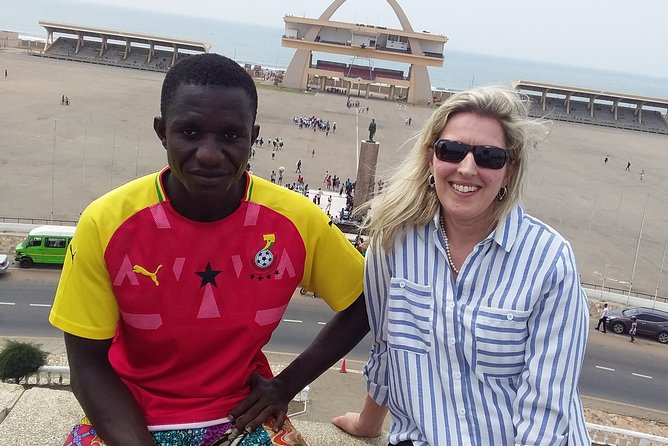
At James Town Lighthouse, the guide explains the history of the first British settlement in Accra. The stop places you in one of the city’s older historic areas and adds a colonial chapter to the day’s political story.
James Town is valuable because it is not simply a monument isolated from city life. The lighthouse represents an early point of British presence, while the surrounding area helps you see how older Accra developed. The guide’s explanation is important here, since the meaning of the site comes from its place in the city’s longer story.
You have about an hour for this stop. Depending on the day’s traffic and the exact plan, you may spend part of that time walking and listening outdoors. Ask your guide about the connection between James Town, the British settlement, and modern Accra.
The stop also gives you a different visual experience from Independence Square. Instead of a formal national plaza, you are seeing an older urban district with a stronger sense of place. It is one of the tour’s better transitions from national history to local history.
The Center for National Culture is the place for crafts
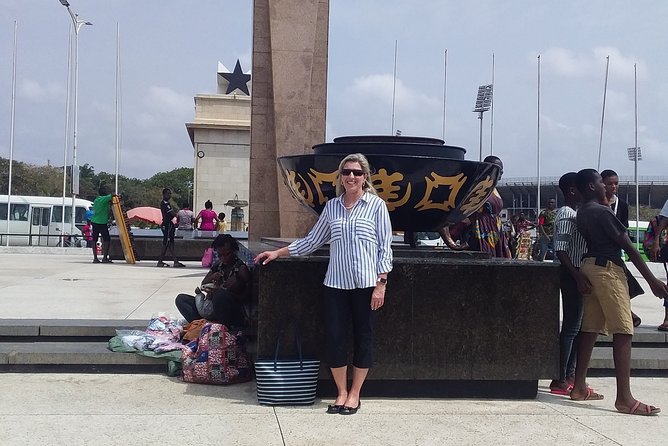
The final listed stop is the Center for National Culture, Ghana’s largest craft market. This is where you can browse handmade goods and look for gifts connected to Ghanaian artistic traditions.
I would save some energy and shopping interest for this stop. The market gives you more room for deliberate browsing than Makola, which is primarily a working commercial market. Here, you can compare crafts, ask questions, and decide what you genuinely want to take home.
A guide can be useful when you need help understanding prices or speaking with sellers. Still, keep your own budget in mind. Shopping is not included in the tour price, and bargaining may be part of the process.
The center rounds out the day well. You begin with the country’s first president and end with objects made for daily use, decoration, or souvenirs. That movement from national leaders to local commerce gives the tour a human scale.
Six hours, private transport, and the real value of $80
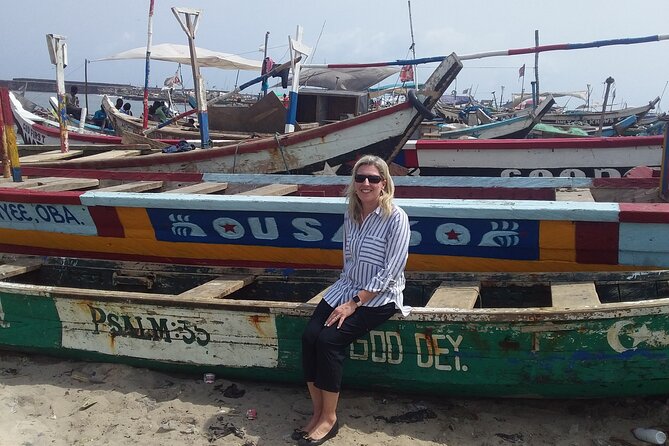
The price is $80 per person. That includes private transportation, all listed fees and taxes, and pickup and return transport from your Accra accommodation. Lunch and personal purchases are extra.
For one person traveling alone, the value depends on how much you want convenience and a dedicated guide. Hiring separate taxis, finding each site, managing parking, and arranging admission on your own could take more time and energy than expected. The private format also gives a solo visitor a more comfortable way to ask questions and request photographs.
For couples, families, and small groups, the price becomes easier to justify because the vehicle and guide serve only your party. A group of 10 also used the private arrangement successfully, with the guide accommodating the size of the group. Confirm the vehicle details for your party when booking, since the supplied information does not specify seating capacity.
The six-hour duration is ambitious. The published plan allows roughly one hour at each of six stops, but that leaves little room for traffic, parking, meals, or extended shopping. The schedule can work well when roads cooperate, yet you should expect the day to be adjusted if Makola or another central area is slow to reach.
The private arrangement helps here. Guides have shown flexibility when families wanted to eat earlier or change the timing. That does not guarantee every requested change, but it is a better setup than a fixed large-group departure.
Guides make the difference
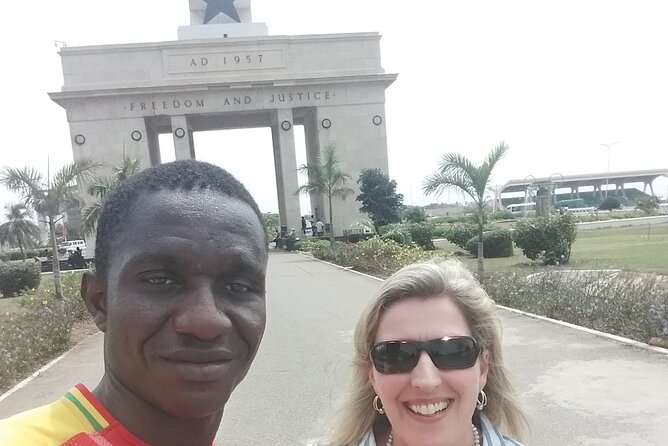
Guide quality is the strongest thread running through this experience. Emmanuel is repeatedly praised for his relaxed manner, safe driving, clear explanations, photography help, and ability to answer questions. Samuel is also praised for his historical explanations and friendly approach.
Benjamin handled a group of 10 with patience and useful information. Bernice was praised for her city knowledge, personal explanations at each stop, and for taking photographs so visitors could pay attention instead of constantly using their phones.
Your guide may be one of these hosts or another member of the Bigbentours1gh team. You cannot assume a specific guide unless the company confirms one, but you can request a preferred guide when booking. The most useful qualities to look for are clear historical storytelling, comfort with questions, and flexibility when traffic affects the schedule.
The driving matters, too. Several comments emphasize feeling safe and comfortable, including solo visitors. That is important in a six-hour city tour, since time in the vehicle forms a large part of the day even though the official duration focuses on the stops.
Practical advice for a smoother day
Start at 9 a.m. and expect a full morning and early afternoon. Pickup is offered from your Accra accommodation, so provide clear lodging details and be ready at the agreed time.
Bring:
- Plenty of water
- A small snack
- Sun protection
- Comfortable walking shoes
- Room in your budget for crafts and market purchases
Lunch is not included. Since the day can be hot and the timing may shift, discuss a meal stop with your guide early, particularly if you are traveling with children or older family members.
Sunday planning deserves special care. Some places may not be open on Sundays, so confirm the operating schedule before choosing that day. The tour allows service animals, is near public transportation, and most people can participate, but the information does not specify detailed mobility arrangements. If you have mobility needs, ask the provider about walking distances and access before booking.
Free cancellation is available if you cancel at least 24 hours before the local start time. Cancellations or changes made within 24 hours are not refunded or accepted.
Who should book this Accra experience?
I would choose this tour if you are visiting Accra for the first time, have only one free day, or want a guide to handle transportation between major sights. It also suits solo visitors who prefer a private vehicle and families who need some control over meal timing and pace.
It is a good fit if you want both political history and ordinary city life. The Nkrumah Memorial Park, Independence Square, and W.E.B. Du Bois Centre give the day its intellectual center, while Makola Market and the Center for National Culture add shopping and street-level contact.
I would hesitate only if you want a slow, deeply detailed visit to each site. Six stops in six hours is a lot, and traffic can cut into time at Makola or elsewhere. Sunday visitors should also confirm opening hours.
Book it if you want a useful first look at Accra with private transport, a dedicated guide, and a broad mix of history and culture. Skip it if you would rather spend an entire day in one neighborhood or museum. For most first-time visitors, the $80 price is fair because it combines transport, entry fees, and personal guidance in a city where getting between sites can be the hardest part.
FAQ
How long is the Accra tour?
The tour lasts approximately six hours.
What time does the tour start?
The listed start time is 9:00 a.m.
Is hotel pickup included?
Yes. Round-trip transportation from your Accra accommodation is included.
Is this a private tour?
Yes. Only your group participates in the activity.
How much does the tour cost?
The listed price is $80 per person.
What is included in the price?
Private transportation, all fees, and all taxes are included.
Is lunch included?
No. Lunch is not included.
Which historical sites are visited?
The tour visits Kwame Nkrumah Memorial Park, Independence Square, the W.E.B. Du Bois Centre, and James Town Lighthouse.
Which markets are included?
The route includes Makola Market and the Center for National Culture.
Are admission tickets included?
Admission is listed as included for each scheduled stop.
Can I cancel for a full refund?
Yes. You must cancel at least 24 hours before the experience start time for a full refund. Cancellations within 24 hours are not refunded.
Just added around Accra
- Visit Aburi Garden, Tetteh Quarshie Cocoa Farm & Waterfall★ 4.0 · 4 reviews
- Historical Day Tour to Cape Coast, Elmina and Kakum★ 5.0 · 3 reviews
- Private Airport Transfer to from ACC Kotoka by Business Car★ 5.0 · 4 reviews
- Private Slave Castles and Dungeons Tour in Cape Coast, Ghana★ 5.0 · 3 reviews
- Local Ghanaian Food Tasting Tours★ 5.0 · 3 reviews
- Historical tour in Cape Coast Ghana★ 5.0 · 3 reviews
- The Door Of No Return/ Dungeon & cape Coast Castle★ 5.0 · 4 reviews
- Half Day Accra City Sightseeing Tour With Guide★ 5.0 · 3 reviews
Historical Tours, compared.
Full-Day Private Culture and History Tour of Accra
Read our review →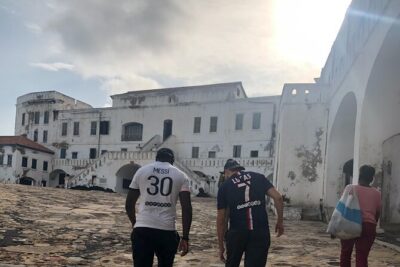
Ghana Private Historic Tour through Castles and Nature
Read our review →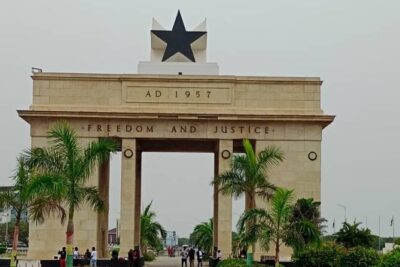
7-Day Private Cultural and Heritage Tour in Ghana
Read our review →
The Historic Cape Coast and Elmina Tour (The Land of History).
Read our review →
Naming Ceremony and Heritage Homecoming Experience for Diasporas
Read our review →Browse the lists this tour appears in