
Reviewed · GHANAIAN NAMING CEREMONY EXPERIENCES
The Ancestral Naming Ceremony and Home Coming Experience
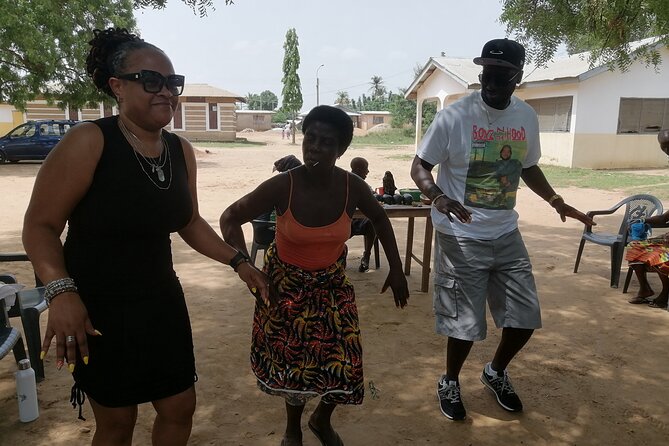
A traditional name, given by community leaders after a warm welcome of drumming and dancing, is the heart of this homecoming experience. You travel from Accra to a village in the Volta Region, meet the chiefs, take part in a naming ceremony, and spend time with local residents rather than simply looking at Ghana through a vehicle window.
I like two things right away: the private format, which keeps the day personal, and the way the route links the ceremony with Lake Volta and Shai Hills. Guide Toufic is praised for safe driving, cultural insight, and staying close during the ceremony. The main drawback is the long road day, which may run to seven hours and includes rough, potholed sections.
Key points to know before booking

- Your name is tied to your birthday: The ceremony gives you a traditional African name based on the day you were born.
- The welcome is active, not staged from a distance: Chiefs and traditional leaders receive you with drumming and dancing.
- You visit an Ewe community: The village connection is especially meaningful for people tracing West African roots.
- Lake Volta breaks up the journey: Lunch beside the water adds a calm, scenic pause after the morning ceremony.
- The tour is private: Only your group takes part, with an air-conditioned vehicle, lunch, water, and taxes included.
- Bring cash: You may want local crafts, and cash is also useful for donations that support heritage work.
Leaving Accra for the Volta Region
The day begins at 8:00 am, with pickup from an Accra hotel or residence. The stated meeting point is in Osu, and the activity finishes back there or at your pickup point. A private, air-conditioned vehicle makes a real difference on this route, since you are spending several hours on the road.
The drive takes you away from Accra and toward the Volta Region. The trip is not just a transfer. Toufic has been praised for explaining Ghanaian culture along the way, answering questions, and keeping the journey comfortable and well organized. That matters here because the meaning of the ceremony grows when you understand more about the area before arriving.
Allow five to seven hours for the full outing, including driving, the village visit, lunch, and the return route. The listed arrival at the village is around 10:00 am. Road conditions can add a little uncertainty, so do not schedule an important appointment soon after the tour.
The private setup suits couples, families, and small groups who want room for conversation. It also gives you a better chance to ask personal questions about ancestry and the naming process without having to speak over a large crowd.
More ghanaian naming ceremony experiences in Accra:
- Naming Ceremony and Heritage Homecoming Experience for Diasporas
★ 4.5 · 15 reviews - Traditional Naming Ceremony and Boat Cruise Experience
★ 5.0 · 15 reviews - Kumasi Heritage Tours And Naming Ceremony In A Day
★ 5.0 · 11 reviews
Meeting the chiefs and receiving your African name
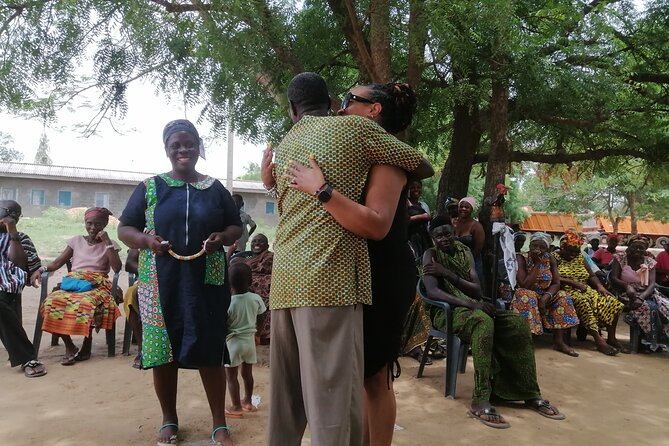
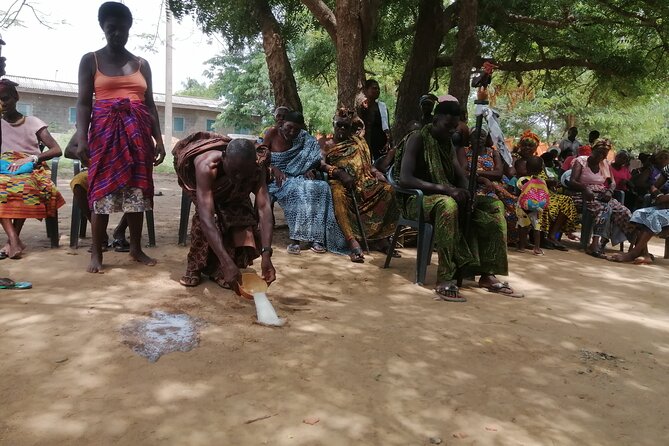
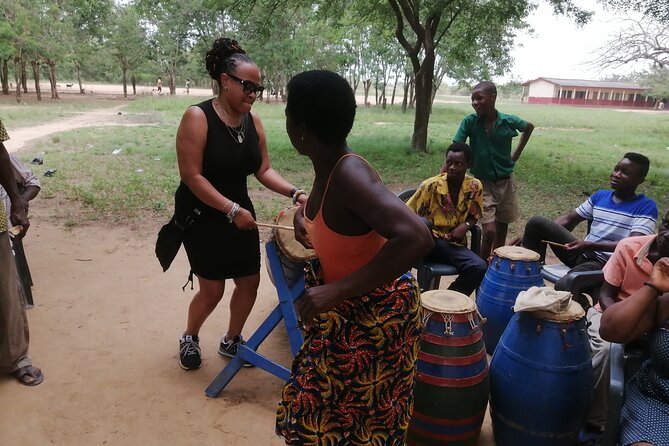
The first major stop is the village in the Volta Region. You make a courtesy call on the chiefs and traditional leaders, who welcome you with drumming and dancing. This is the emotional center of the day.
Your traditional name is based on your birthday. In many Ghanaian naming traditions, the day of the week carries meaning, so this part of the visit connects a personal fact about your life with a local cultural practice. The ceremony gives the homecoming a clear form. You are not only touring a village. You are being formally received.
The ceremony is described as interactive. You may be invited to take part rather than sit quietly at the edge. That can make the moment more powerful, but it also means you should arrive ready to be present, respectful, and open to participation.
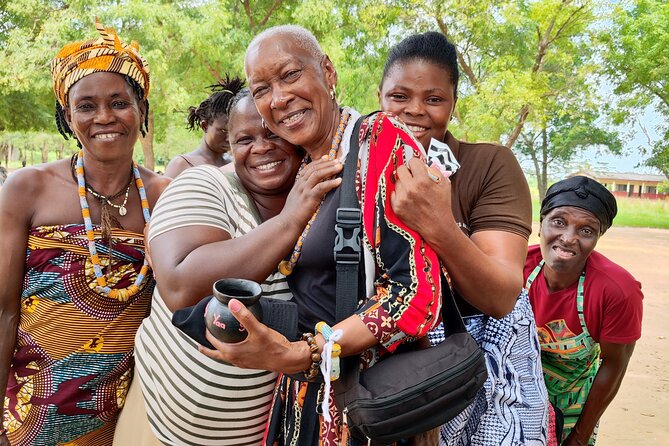
The village is associated with the Ewe community, and the visit offers a direct connection to local people, elders, and children. One particularly moving account came from a visitor with Haitian family roots who found the village familiar in ways that went beyond sightseeing. That kind of recognition cannot be promised to every person, but the setting gives people with African ancestry a meaningful place to reflect on family history and belonging.
It is important to keep expectations grounded. The tour can provide a cultural welcome and a traditional name, but it cannot identify your exact ancestral village or prove a specific family lineage. Think of it as a symbolic and communal homecoming, not a genealogy investigation.
Clay pottery and village life
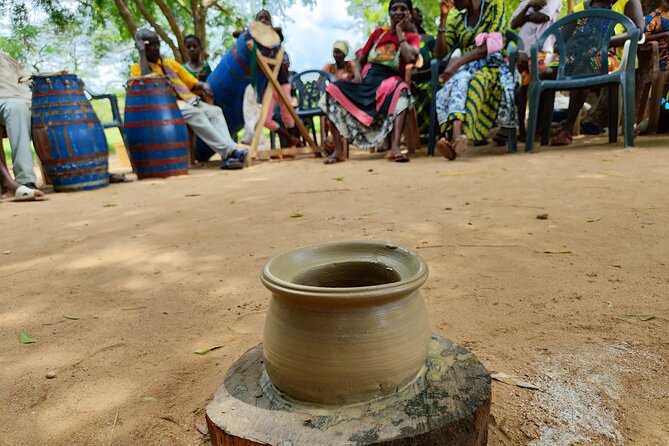
The experience also includes village activities such as clay pottery making. You may get the chance to try shaping a pot yourself, which adds a hands-on element to the visit. It is a small detail, but it helps you understand how local skills are learned through practice rather than through a museum display.
The pottery session also gives the visit a slower pace. After the ceremony, you have time to notice how people interact and how community life is organized. One account describes the villagers as welcoming and recalls the joy of trying to make a clay pot. That is the sort of simple encounter that often stays with you longer than a polished performance.
You should still remember that you are entering a living community. Ask before taking close-up photographs, listen when someone explains a custom, and treat the village as a home rather than a backdrop. The strongest part of this experience is the sense of welcome, and respectful behavior helps protect that exchange.
The overview also points to cultural performances. Drumming and dancing are part of the arrival, creating a lively welcome for the group. These performances are not presented as a separate evening show. They are woven into the courtesy call and ceremony, which makes them feel connected to the occasion.
Lunch beside Lake Volta at Akosombo
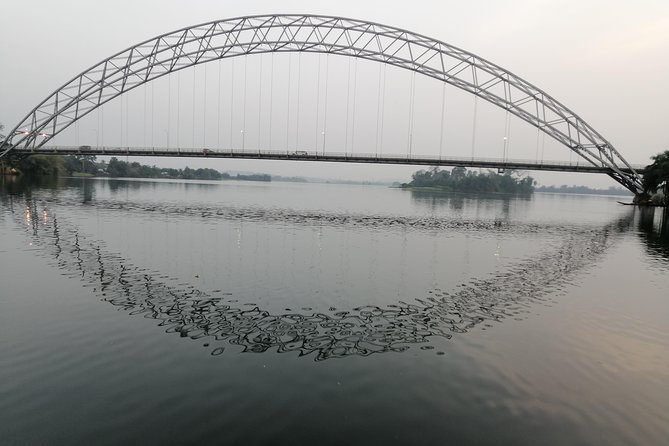
After the village visit, the route continues to Akosombo and Lake Volta. The drive gives you a change of mood: from ceremony and village activity to open water and a quieter lunch stop.
Lake Volta is described as the largest man-made lake in Africa and the second largest in the world. Lunch is included at a lakeside restaurant, along with bottled water. The setting provides a welcome pause before the return to Accra.
I like this part of the plan because it keeps the outing from becoming a ceremony-only trip. Some visitors will find the lake view restorative after the social energy of the morning. It also gives you time to talk with your guide and reflect on the new name and the welcome you received.
Do not expect a long boat cruise based on the information provided. The stop is for lunch by the lake, not a separate water excursion. If you want a full day of activities on Lake Volta, you would need to arrange that elsewhere.
The lunch is included in the $265.39 price, which makes the cost easier to assess. You are paying for private transport from Accra, a guide, the village visit, the ceremony, lunch, water, and all listed fees and taxes. For a solo visitor, this is a substantial price. For a couple or small private group, the value improves because the vehicle and guide are reserved for your party.
Alcohol is not included. Bring extra cash if you want to buy crafts or make a donation to support efforts to preserve local heritage. The tour information specifically advises carrying cash for these purposes.
Same coastline, a completely different kind of day:
- The Cape Coast Day Tour
★ 5.0 · 525 reviews - Experience the Beauty, History and the Culture Of Accra in a Day
★ 5.0 · 323 reviews - The Cape Coast Tour
★ 5.0 · 177 reviews - From Accra: Cape Coast, Elmina Castle & Kakum Park Day Tour
★ 4.6 · 144 reviews
A possible Shai Hills wildlife stop
On the way back, the itinerary includes Shai Hills, described as the closest national game park reserve to Accra. You may see baboons along the road, and there can be a chance to stop for photographs before continuing to the city.
Keep this stop flexible. The wording indicates that wildlife sightings are possible, not guaranteed, and the stop may be brief. You should not book this trip expecting a full safari or a dedicated game drive.
The baboon sightings can still be a fun final touch. One account recalls feeding the baboons along the road, but you should follow your guide’s instructions about animals and food. Wildlife encounters are best handled carefully, especially when photographing or stopping near the roadside.
Shai Hills works well as a final scenic pause because it breaks up the return drive. After a full morning and lunch, you may be ready for a quiet ride back. The route also lets you see a little more of the countryside before the tour ends in Accra.
What the $265.39 price really covers
At $265.39 per person, this is not a low-cost sightseeing outing. Its value rests in the private arrangement and the personal nature of the ceremony.
Your price includes:
- Round-trip transport in an air-conditioned vehicle
- A private guide and private activity
- Lunch
- Bottled water
- All fees and taxes
- Pickup from an Accra hotel or residence
You are not paying only for a drive to a village. You are paying for a full day of logistics, a private cultural introduction, and a ceremony arranged with local traditional leaders. The guide’s role is especially important. Toufic is repeatedly praised for prompt pickup, safe driving, warmth, clear explanations, and support during what can be an emotional event.
The price makes the most sense if the naming ceremony is central to your Ghana trip. If you only want countryside views or a quick village stop, cheaper day trips may serve you better. If you are returning to Ghana as part of the African diaspora and want a formal welcome, the cost may feel justified.
The tour is often booked about 76 days ahead. That suggests you should plan early if your Ghana dates are fixed, especially if you want a private day with a particular schedule.
Who will value this homecoming most
This experience is best suited to people who want culture, personal meaning, and direct community contact. It may be especially fitting if you are:
- Exploring African ancestry or diaspora identity
- Returning to Ghana for the first time
- Traveling with a partner or family member
- Comfortable with a long road day
- Interested in traditional ceremonies and local crafts
- Looking for a private experience rather than a large group tour
You do not need to be an expert in Ghanaian history to take part. Curiosity and respect matter more. The tour can also work for people without a known Ghanaian family connection, provided they understand that the ceremony has particular meaning for those seeking a link to African heritage.
The emotional tone varies from person to person. Some people may feel joyful, others reflective, and some may find the ceremony unexpectedly moving. The experience creates space for that response, but it does not promise a single emotional result.
Most people can participate, and the activity is near public transportation, though the tour itself includes pickup and private driving. The provided information does not list detailed mobility arrangements, so you should ask the operator about any specific access needs before booking.
Practical advice for a smoother day
Wear comfortable clothing for a long outing and village activities. Since clay pottery may be part of the day, choose clothes you do not mind getting dusty or marked.
Carry cash for crafts and donations. Alcohol is not included, and no other paid extras are listed, but cash gives you flexibility when supporting local makers or community preservation work.
Keep your schedule open. The planned timing is clear, but road conditions, the ceremony, and the wildlife stop can affect the return time. If your flight leaves Accra the same day, this is not a sensible pairing.
The tour requires good weather. If poor weather forces cancellation, you are offered another date or a full refund. You can also cancel for a full refund up to 24 hours before the 8:00 am start time. Changes or cancellations inside that window are not accepted.
Should you book the Ancestral Naming Ceremony?
Book this experience if receiving a traditional name, meeting community leaders, and taking part in a symbolic homecoming are your main reasons for visiting Ghana. The combination of ceremony, pottery, drumming, Lake Volta, and a private guide gives the day more substance than a basic city excursion.
Think twice if you dislike long drives, want a tightly timed schedule, or are looking for a full wildlife tour or boat trip. The road can be rough, and the day’s power comes from the people and ceremony, not from a long list of attractions.
For the right person, this is a meaningful and carefully structured introduction to Ghana beyond Accra. Toufic’s warm, steady guidance is a major asset, and the private format lets you experience the welcome at your own pace. If this is the kind of connection you came to Ghana seeking, reserve well ahead and bring an open mind, comfortable clothes, and some cash.
FAQ
Where does the Ancestral Naming Ceremony and Home Coming Experience take place?
The experience begins in Accra and travels to a village in Ghana’s Volta Region, with additional stops at Akosombo, Lake Volta, and Shai Hills.
What time does the tour start?
The tour starts at 8:00 am.
Where is the meeting point?
The stated meeting point is in Osu, Accra, Ghana. Pickup is also offered from an Accra hotel or residence.
How long does the experience last?
The activity takes approximately five to seven hours.
Is this a private tour?
Yes. Only your group participates in the private tour or activity.
What happens during the naming ceremony?
You make a courtesy call on chiefs and traditional leaders, receive a welcome with drumming and dancing, and are given a traditional African name based on your birthday.
Is lunch included?
Yes. Lunch at a lakeside restaurant near Lake Volta is included.
Is transportation included?
Yes. Round-trip transportation in an air-conditioned vehicle is included.
Is alcohol included?
No. Alcoholic beverages are not included.
Can I cancel for a refund?
You can cancel at least 24 hours before the start time for a full refund. Cancellations or changes made less than 24 hours before the start are not accepted. If bad weather cancels the experience, you will be offered another date or a full refund.
Just added around Accra
- Visit Aburi Garden, Tetteh Quarshie Cocoa Farm & Waterfall★ 4.0 · 4 reviews
- Historical Day Tour to Cape Coast, Elmina and Kakum★ 5.0 · 3 reviews
- Private Airport Transfer to from ACC Kotoka by Business Car★ 5.0 · 4 reviews
- Private Slave Castles and Dungeons Tour in Cape Coast, Ghana★ 5.0 · 3 reviews
- Local Ghanaian Food Tasting Tours★ 5.0 · 3 reviews
- Historical tour in Cape Coast Ghana★ 5.0 · 3 reviews
- The Door Of No Return/ Dungeon & cape Coast Castle★ 5.0 · 4 reviews
- Half Day Accra City Sightseeing Tour With Guide★ 5.0 · 3 reviews
Ghanaian Naming Ceremony Experiences, compared.
Naming Ceremony and Heritage Homecoming Experience for Diasporas
Read our review →
Traditional Naming Ceremony and Boat Cruise Experience
Read our review →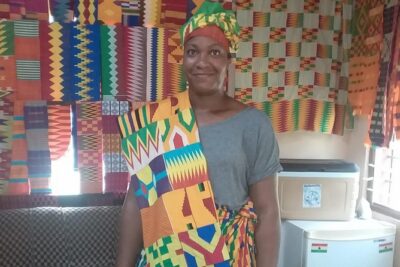
Kumasi Heritage Tours And Naming Ceremony In A Day
Read our review →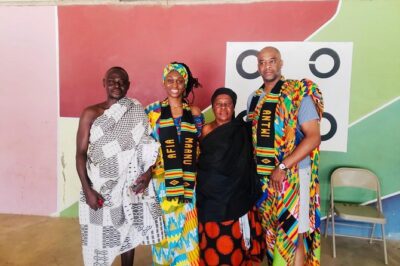
Traditional naming ceremony For African Diasporas in Kumasi
Read our review →
Naming Ceremony, Assin Manso Slave River and Cape Coast Castle
Read our review →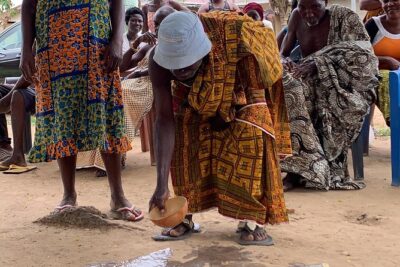
Cultural Village Tour: Traditional Naming Ceremony
Read our review →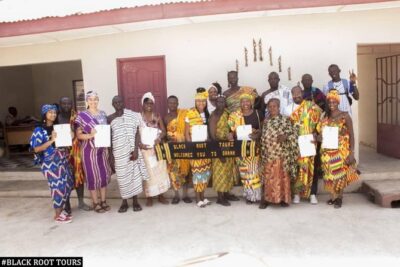
Traditional Naming Ceremony For African Americans In Kumasi
Read our review →
Full Day Tour with Traditional Naming Ceremony in Kumasi
Read our review →Browse the lists this tour appears in