
Reviewed · KUMASI CULTURAL TOURS
Full-Day Tour to Ashanti Region, Kumasi and Ghanaian History
Kumasi is the heart of Ashanti culture, and this private day trip gives you a useful look at its royal past, busy markets, sacred places, and living craft traditions. The best moments come when you move beyond displays and watch Kente weavers work, make Adinkra designs, or bargain for handmade goods with help from your guide. Bonwire Kente Village and Kejetia Market are my favorite parts because they connect history to daily life.
I also like the careful handling of a very demanding schedule. Drivers have arranged early pickups, checked in before departure, and adjusted plans for older members of a group. The drawback is simple: Kumasi is about a six-hour drive from Accra, so this is a long day with much of it spent on the road. Lake Bosomtwe, Fort Kumasi, Ntonso, and other stops may require careful timing.
Key points at a glance
- A 12 to 16-hour private outing: You travel only with your own group, with pickup and return at Kotoka Airport in Accra.
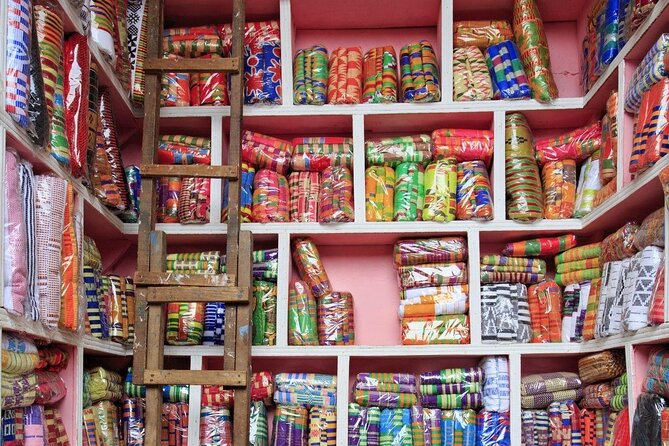
- Kente from thread to finished cloth: At Bonwire, or sometimes another Kente village, you can see how Akan cloth is woven and buy pieces.
- Royal Ashanti landmarks: Manhyia Palace Museum and the Okomfo Anokye Sword Site explain the origins and leadership of the Ashanti Kingdom.
- Two hours at Kejetia Market: Your guide can help you find sections, compare prices, and negotiate for crafts, fabric, food items, or jewelry.
- Hands-on local arts: The Center for National Culture offers craft demonstrations, while Ntonso is listed for making Adinkra banners and clothing.
- A scenic finish at Lake Bosomtwe: You can relax by Ghana’s only natural lake, with boating and horseback riding available for extra fees.
Why Kumasi makes such a worthwhile day from Accra
Accra gives you Ghana’s coastal and national story. Kumasi gives you the Ashanti story, with royal traditions, court symbols, weaving, market trade, and sacred places woven into the city itself.
This trip is built around contrast. You may begin in a quiet museum devoted to the Ashanti royal family, then find yourself in Kejetia surrounded by sellers, shoppers, fabrics, food, and household goods. Later, a craft village shows you how a design is made by hand rather than simply displayed behind glass.
The distance is the price of seeing this side of Ghana. The drive from Accra takes about six hours, and the full outing lasts roughly 12 to 16 hours. I would choose the earliest available start, with one reported departure at 5:30 a.m. The driver arrived early, allowing the group to leave by about 5 a.m. That kind of head start matters if you want time for the main Kumasi stops.
This is a private activity, so your group does not share the vehicle or schedule with strangers. That gives the guide room to respond to your interests, mobility needs, and shopping plans. It does not remove the long drive, traffic, or the need to keep moving.
More kumasi cultural tours in Accra:
- Kumasi Heritage Tours And Naming Ceremony In A Day
★ 5.0 · 11 reviews - 4 Days Trip in Accra, Cape Coast,Kumasi culture & heritage tours
★ 5.0 · 5 reviews - Tour Kumasi City Like a Local
★ 4.5 · 34 reviews
Manhyia Palace Museum and the Ashanti royal story
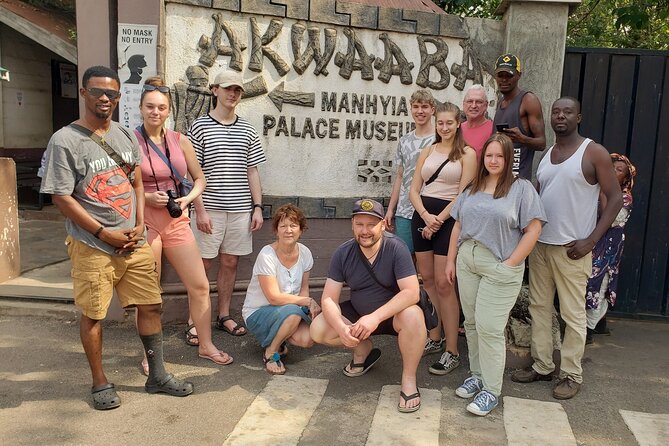
Manhyia Palace Museum is a sensible first major stop because it gives context to the places that follow. You spend about an hour with displays, video presentations, and objects connected to Ashanti culture and Ghana’s past before and during British colonial rule.
The museum helps you understand why Kumasi is more than Ghana’s second-largest city. It was the seat of Asante power, and Manhyia remains linked to the Ashanti King and the Asante people.
I would pay close attention to the guide here. The objects matter, but the explanation connects them to royal authority, community identity, and the changes brought by colonial rule. A one-hour visit is enough for an introduction, though it will not cover every part of Ashanti history.
Manhyia Palace itself is also listed as a place to explore. The museum visit is the clearer scheduled stop, while the broader palace experience may depend on the day’s timing and access. Ask your guide what can be seen during your visit.
The Okomfo Anokye Sword Site and the kingdom’s beginning
The Okomfo Anokye Sword Site offers one of the day’s most unusual sights: a sword said to be more than 300 years old, wedged into a rock face. It is located on the grounds of Komfo Anokye Teaching Hospital and is treated as a protected historical landmark.
The site is linked to Okomfo Anokye, the legendary spiritual figure associated with the founding of the Ashanti Kingdom. You have about an hour here, which gives the guide time to explain the story rather than rushing you past the sword for a quick photograph.
This stop is valuable because it shows how sacred belief and political origin overlap in Ashanti tradition. You are not simply looking at an old object. You are visiting a place that still carries meaning for the people connected to the kingdom.
The setting is practical rather than peaceful. The site sits within hospital grounds, so do not expect a remote shrine or a large open monument. Its importance comes from the story and the object itself.
Kejetia Market requires two hours and an open mind
Kejetia Market is the city’s great burst of movement. The refurbished market is described as the largest single market in West Africa, with sections for food, fabric, footwear, gold and jewelry, pottery, household goods, oils, soaps, spices, and handmade items.
You have two hours here, a useful amount of time but not enough to see every corner. The market is divided into sections, and finding a particular item may take help. Tell your guide what interests you before you enter. Looking for beads is a different mission from shopping for fabric, spices, or sandals.
The strongest practical feature is the guide’s help with bargaining. Daniel is specifically praised for watching people’s needs, explaining how the past shaped Kumasi, and negotiating good prices for souvenirs. That is useful in a large market where you may not know the usual price or the best section to visit.
Do not treat Kejetia as a quick shopping mall. It is a working market, and the point is seeing how goods move through Kumasi as much as buying something. You may find food, clothing, craft goods, and ordinary household items side by side.
Two hours can also feel intense after a long drive. Keep your shopping list short. Pick one or two things you truly want, and let the guide help you locate them instead of wandering without a plan.
A few more Accra trips to weigh up
- Experience the Beauty, History and the Culture Of Accra in a Day
★ 5.0 · 323 reviews - Ghana Heritage Tours – Beyond The Return
★ 5.0 · 36 reviews - 10 Days Ghana Cultural and Heritage Trip
★ 5.0 · 31 reviews - Cape Coast Historical Day Tour
★ 5.0 · 24 reviews
The Center for National Culture turns shopping into a craft lesson
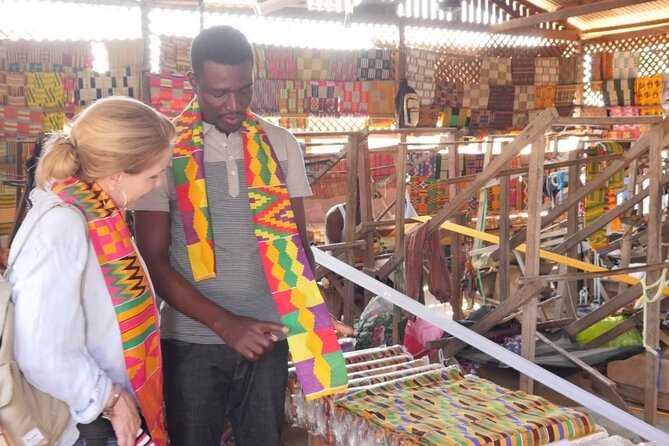
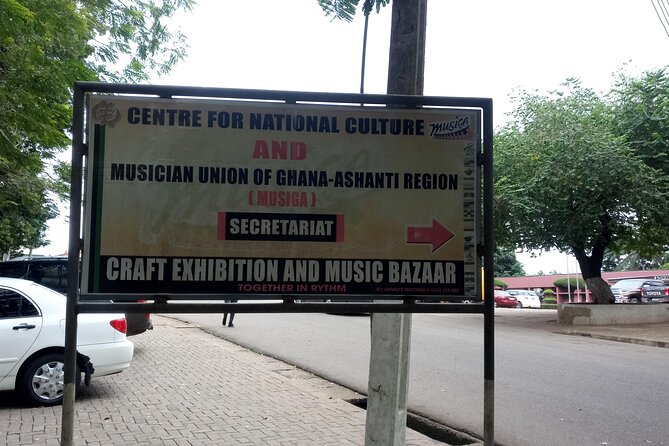
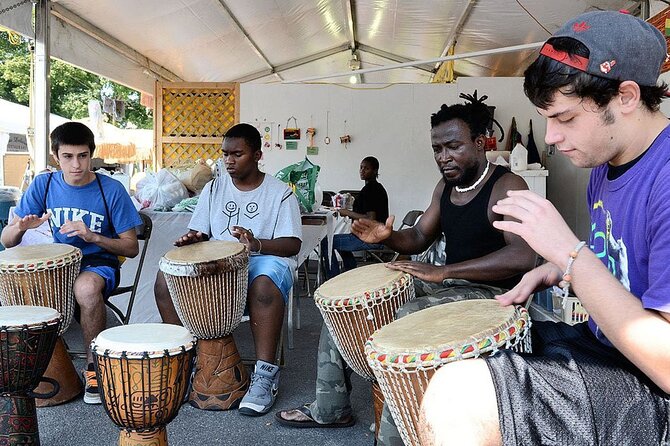
The Center for National Culture, also called the Kumasi Craft Centre, is a calmer place to look at local handmade work. Artisans produce Kente cloth, brass items, and pottery using traditional methods, and you may be able to try local drumming.
There is also a gift shop selling many of these goods. The tour information describes prices as reasonable, but your guide should still help with negotiation. That assistance is especially useful if you are comparing similar pieces or trying to understand why one item costs more than another.
I like this stop because it gives you time to look closely at workmanship. Kejetia shows the scale of commerce. The craft center lets you focus on the object itself.
It can also feel more commercial than a village workshop. If you want the strongest craft connection, save your attention for Bonwire or the Adinkra activity in Ntonso. At the Center for National Culture, the advantage is variety and a convenient place to buy.
Bonwire explains why Kente cloth matters

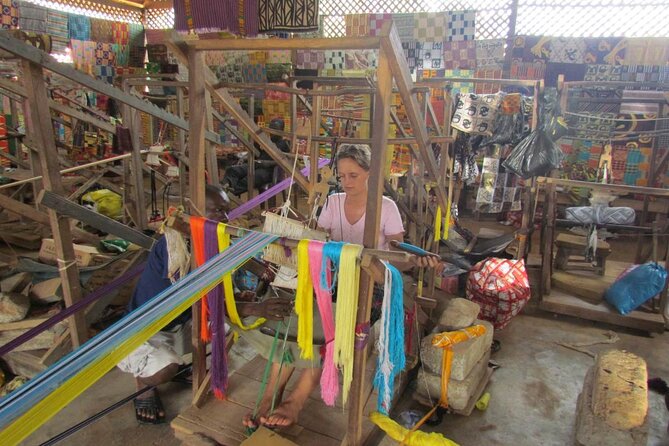
Bonwire is known as the home of Akan Kente cloth. Local tradition connects the craft to two friends who watched a spider spin its web and adapted the idea of interlaced threads.
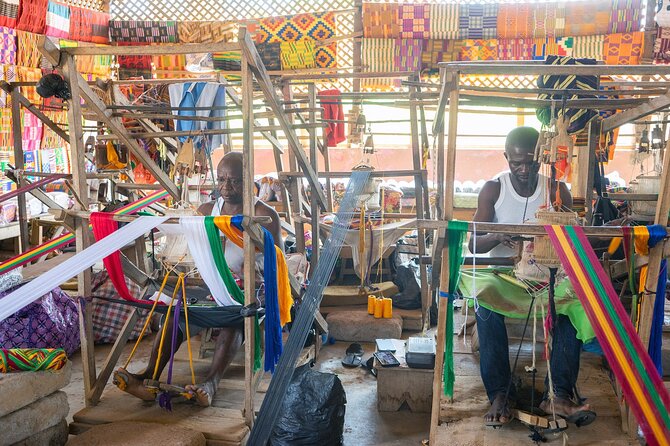
The planned visit lasts about two hours. You can watch the process from the beginning and see how local weavers turn thread into patterned cloth. This is the kind of stop that earns its place on a long trip because you are seeing a skill practiced rather than only hearing about it.
Kente is more than a colorful souvenir. The patterns, labor, and association with Akan culture give the cloth meaning. Your guide can help explain what you are seeing and help you decide if a piece is suitable for you.
You may want to buy fabric here, but take your time. Ask about the work, the size of the piece, and how it was made before agreeing to a price. A guide who is comfortable negotiating can make the purchase less stressful.
The precise craft village can vary. The tour description lists Bonwire or Adanwomase for Kente, while the detailed schedule names Bonwire. Ntonso is also included for Adinkra work. Confirm the day’s route if a particular village is important to you.
Ntonso and Adinkra offer the most hands-on activity
Ntonso is described as the only place in Ghana where traditional Adinkra is made locally from scratch. The planned activity lets you choose designs and make Adinkra banners and clothing.
This is different from watching a weaver. You take part in the creative process and leave with a clearer sense of how a symbol becomes a pattern on cloth. It is a good choice for families, artistic people, and anyone who prefers doing something to simply taking photographs.
Ntonso is part of the wider tour description, but it is not listed among the six detailed timed stops. That matters. The day already includes a great deal of driving and several two-hour visits, so ask how the Adinkra activity fits with Bonwire, Lake Bosomtwe, and the other stops.
If the route includes both Kente and Adinkra, you will see two major Akan textile traditions in one day. If time is tight, the guide may need to shorten a stop or adjust the order.
Lake Bosomtwe gives the day room to breathe
Lake Bosomtwe is Ghana’s only natural lake. After museums, market streets, workshops, and long hours in a vehicle, its two-hour stop offers a chance to slow down.
The area includes rainforest scenery and views toward Kumasi from the mountains while you are in the car or bus. You can also pay extra for a boat cruise on the freshwater lake. A nearby horse ranch offers rides through the forest and to seven surrounding villages, also for an extra fee.
Swimming and beach relaxation are part of the plan, so bring a swimsuit if you want to use the water. The lake stop is listed as free admission, but boating and horseback riding are not included in the tour price.
This is a pleasant way to end the day, though it may not work as a leisurely resort visit. The return drive to Accra still lies ahead, and the timing of earlier stops will affect how long you actually relax. Think of Lake Bosomtwe as a welcome pause, not a full lake holiday.
What the $280 price means in practical terms
The listed price is $280 per person. That is a serious cost, but the value depends on how much you want handled for you.
You are paying for a private day with pickup, transport between Accra and Kumasi, a driver, a guide, admission to listed paid sites, and help arranging a complicated route. The guide’s role matters most at Kejetia and the craft stops, where local knowledge can save time and help you avoid poor purchases.
The price makes more sense for a small group that divides the cost across several people. Group discounts are offered, though the exact saving is not stated. Since the activity is private, you also gain flexibility that a large shared bus tour would not provide.
Some costs remain outside the price. Boat rides and horseback riding at Lake Bosomtwe require extra payment. Purchases at markets and craft centers are also your responsibility.
I would book this for cultural access and convenience, not for luxury. The day is long, the road trip is substantial, and the schedule is ambitious. If you want a slow, unhurried Kumasi visit, stay overnight instead. If you have limited time in Ghana and want a guided introduction to Ashanti culture, the arrangement can be worthwhile.
Guides, drivers, and the value of good planning
The human side of this tour matters. Daniel is praised for explaining how historical events shaped Ghanaian and Kumasi culture, checking that the group understood, and helping with bargaining. Kwame is described as handling arrangements professionally, while James confirmed a pickup the day before and arrived early. Joseph and Mike are also named as members of the operating team.
Those details point to the sort of service you need on this route: punctual pickup, good local contacts, clear explanations, and attention to the group. One group with older members had its mobility needs considered, which suggests you should tell the operator about limitations before departure.
The experience works best when you communicate clearly. Tell the guide if you care most about textiles, royal history, shopping, drumming, photography, or the lake. The route includes more attractions than a single day can cover slowly, so your priorities help shape a better day.
Who should book this Kumasi day trip?
I would recommend it to you if:
- You have one open day in Accra and want to reach Kumasi without arranging several separate services.
- You care about Ashanti culture, royal traditions, local crafts, and markets.
- You like having a guide explain places and help with prices.
- You are comfortable leaving before sunrise and returning late.
- You are traveling with a private group and want the schedule to remain yours.
I would hesitate if you dislike long drives, crowded markets, or tightly packed sightseeing. The tour is also less suitable if Lake Bosomtwe is your main goal, since the lake comes after a full day of other stops and the return journey remains.
Pickup is offered from Kotoka Airport in Accra, and the activity ends back at the meeting point. Most people can participate, service animals are allowed, and the route is near public transportation. You should still discuss mobility concerns in advance.
Free cancellation is available if you cancel at least 24 hours before the start time. Changes or cancellations made later are not accepted for a refund.
Should you book it?
Book this tour if you want a broad first look at Kumasi and prefer a local team to manage the driving, timing, sites, and shopping. The strongest reasons are the Kente workshop, Kejetia Market, and the guide’s help with context and bargaining.
Do not book it expecting an easy day. The six-hour drive from Accra each way makes this a determined excursion, not a casual outing. Choose the earliest pickup, confirm which textile village and extra stops are included, bring a swimsuit if you want the lake, and decide in advance how much shopping time you need. With those expectations, this is a useful and culturally focused way to reach the Ashanti capital in one day.
FAQ
Where does the tour start and end?
It starts at Kotoka Airport in Accra, Ghana, and ends back at the meeting point.
How long does the experience last?
The full tour takes approximately 12 to 16 hours, including the travel time between Accra and the places visited.
How far is Kumasi from Accra?
Kumasi is about a six-hour drive from Accra.
Is pickup offered?
Yes. Pickup is offered, and the tour returns to the meeting point at the end of the day.
Is this a private tour?
Yes. Only your group participates in the private activity.
Which Kente village will the tour visit?
The tour may visit Bonwire or Adanwomase Kente Village. Bonwire is the specifically timed village in the detailed route.
What can I do at Lake Bosomtwe?
You can relax, swim, and enjoy the lake area. Boat cruises and horseback riding are available for extra fees.
Are admission tickets included?
Admission is included for Manhyia Palace Museum and the Okomfo Anokye Sword Site. The Center for National Culture and Lake Bosomtwe are listed as free admission stops.
Can most people participate?
Yes. Most people can participate, and service animals are allowed.
What is the cancellation policy?
You can cancel for a full refund up to 24 hours before the experience starts. Cancellations or changes made less than 24 hours before the start time are not accepted for a refund.
More Full-Day in Accra
- Cape Coast ,Elmina Castle and Kakum Full-Day Tour
★ 5.0 · 62 reviews - Full-Day Accra Safari and Boat Cruise Private Tour
★ 5.0 · 32 reviews - Full-Day Private Culture and History Tour of Accra
★ 5.0 · 23 reviews - Private Full-Day Ghanaian Delicacy and Dessert Tour in Accra
★ 5.0 · 13 reviews
Just added around Accra
- Visit Aburi Garden, Tetteh Quarshie Cocoa Farm & Waterfall★ 4.0 · 4 reviews
- Historical Day Tour to Cape Coast, Elmina and Kakum★ 5.0 · 3 reviews
- Local Ghanaian Food Tasting Tours★ 5.0 · 3 reviews
- Private Airport Transfer to from ACC Kotoka by Business Car★ 5.0 · 4 reviews
- Private Slave Castles and Dungeons Tour in Cape Coast, Ghana★ 5.0 · 3 reviews
- The Door Of No Return/ Dungeon & cape Coast Castle★ 5.0 · 4 reviews
- Historical tour in Cape Coast Ghana★ 5.0 · 3 reviews
- Cape Coast Castle and Kakum National Park 2-Day Private Tour★ 5.0 · 3 reviews
Kumasi Cultural Tours, compared.
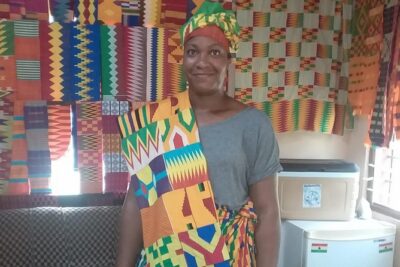
Kumasi Heritage Tours And Naming Ceremony In A Day
Read our review →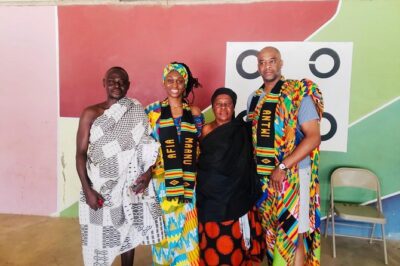
Traditional naming ceremony For African Diasporas in Kumasi
Read our review →

Lake Bosomtwe Boat Cruisely and Kumasi City Tours
Read our review →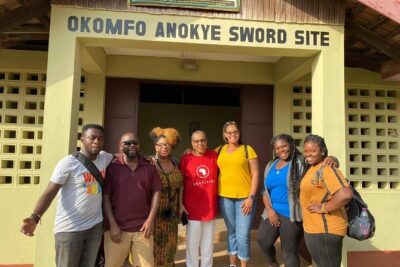
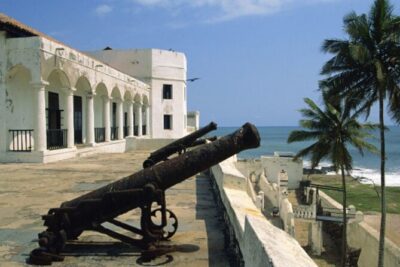
4 Days Trip in Accra, Cape Coast,Kumasi culture & heritage tours
Read our review →Browse the lists this tour appears in