
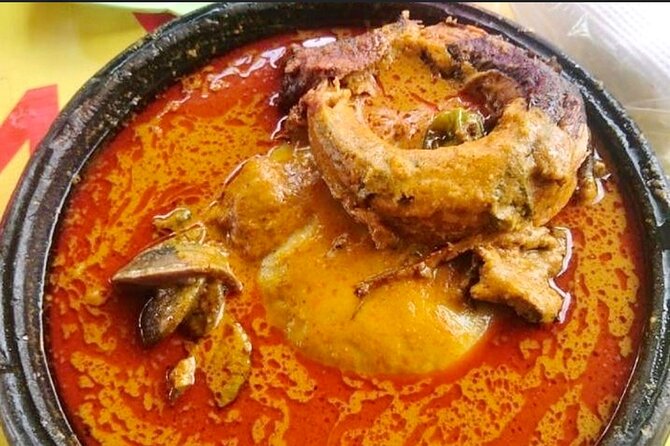
Reviewed · COOKING CLASSES
Authentic Ghanaian Cooking Lessons and Take Out Services.
Accra’s best kitchen lessons do more than hand you a recipe. Here, you choose Ghanaian dishes, cook them from scratch with Cecilia, and learn why they matter. You might make jollof rice, chicken groundnut soup, fried chicken, plantain, or vegetables, depending on your chosen package.
I like the hands-on format, since you are involved from the first preparation step to the final plate. I also like the practical extras: ingredient substitutes are explained for cooking at home, allergies are considered, and you leave with two packed portions. The one caution is time. Four hours is an estimate, and the menu can involve several dishes, so do not schedule a tight appointment afterward.
Key points before you book
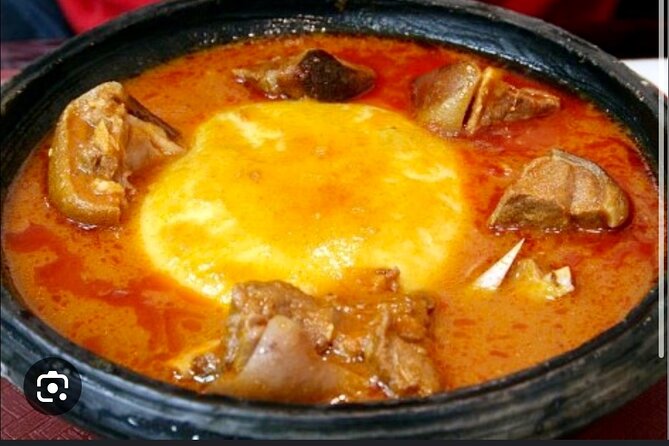
- Choose two complete meals: Each package includes two meals with either a side dish or dessert.
- Cook from scratch: You take part in the full process instead of simply watching a demonstration.
- Learn the story behind the food: Cecilia explains the background of each indigenous dish and answers questions about Ghanaian culture.
- Eat in or take away: Ingredients, lunch, utensils, taxes, and two packaged leftovers are included.
- Keep practicing: You can arrange a later kitchen session for a reasonable fee, or order extra food to share with friends or orphanages.
- Small-group setting: The maximum is 10 people, with a meeting point on Diabase Street in Accra.
What the four-hour Accra cooking lesson is really like
This is a cooking session first, but it also works as an informal introduction to Ghanaian daily life. You meet at Diabase Street in Accra, and the activity returns to that same point when the meal is finished. The location is near public transportation, though you need to arrange your own way there and back.
The mobile ticket makes the booking simple. Confirmation is provided at the time of booking, and you can select a schedule that suits you. That flexibility matters in Accra, where a cooking class is easier to enjoy when you are not rushing from another appointment.
The group can include up to 10 people. That is still small enough for a personal lesson, though the amount of individual attention may depend on how many people attend and how many dishes are being prepared. If you want the calmest pace, book with plenty of time and keep the rest of your day open.
A few more Accra trips to weigh up
- Home Cooking Class by Auntie K
★ 5.0 · 62 reviews - Local Ghanaian Cooking Class in Accra to help support wellness community center
★ 4.5 · 22 reviews - Authentic Ghanaian Cooking Class in Accra
★ 4.5 · 11 reviews
Choosing two Ghanaian meals and a side dish or dessert
At the start, you choose a package with two complete meals. The information provided does not set out one fixed menu, so ask about current choices when arranging your session. This is useful if you already have a favorite Ghanaian dish in mind or want to try something you have never eaten before.
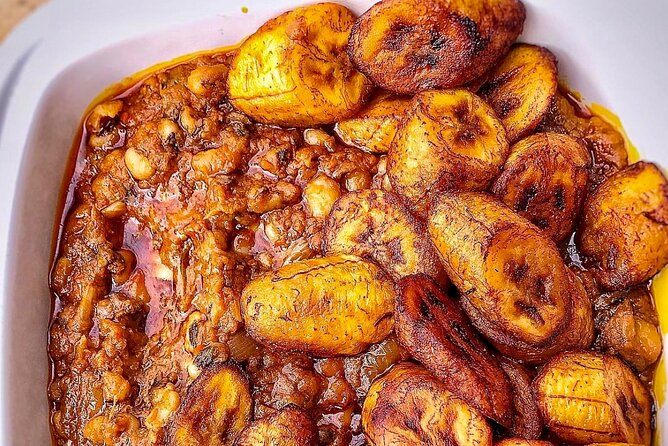
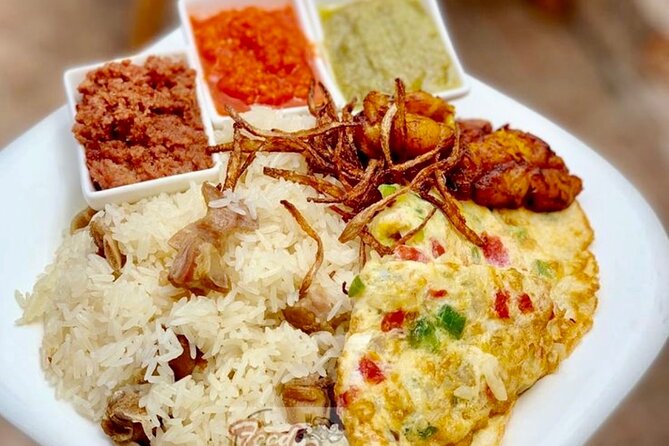
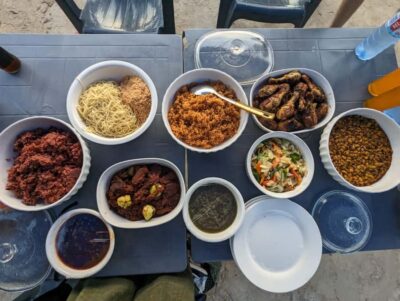
Several dishes have been prepared in past sessions, including jollof rice, chicken groundnut soup, fried chicken, plantain, and vegetables. That gives you a helpful idea of the range: you may work with a rice dish, a soup, a protein, and simple sides in one generous meal.
The choice also lets you match the class to your interests. Jollof is a natural pick if you want a famous West African rice dish. Groundnut soup offers a different lesson in texture and seasoning, while fried chicken, plantain, and vegetables can round out the meal.
You receive two complete meals with either a side dish or dessert. Be clear about what you want before cooking begins, especially if you have dietary restrictions or a particular meal in mind. Ingredient combinations can be adjusted for allergies, but it is sensible to raise those concerns early.
From preparation to the finished plate
The main strength of this experience is that you do not simply stand nearby while someone else cooks. You work through the process from beginning to end, with the required utensils supplied by the host.
That means the lesson has practical value after your holiday. You see how the ingredients are handled, how the dishes come together, and how the meal is finished. The teaching is meant to be repeated in your own kitchen, even if some ingredients used in Accra are hard to find at home.
Cecilia also explains substitute ingredients when a local product may not be available where you live. This is one of the most useful parts of the session. A recipe that depends on ingredients you cannot buy is interesting once, but a recipe with sensible alternatives can become part of your regular cooking.
The pace may be relaxed rather than fast. One especially useful tip is to avoid making plans immediately afterward. Preparing several dishes from scratch takes time, and the whole point is to let Cecilia guide you through each stage instead of racing to the table.
Meet Cecilia, the welcoming guide in the kitchen
The host is identified as Cecilia, with past visitors also referring to her as Ceccy or Cece. Her approach combines instruction with conversation, and the class is designed to feel comfortable rather than formal.
You can ask questions about the meals as well as Ghanaian culture more generally. That open format gives the class more depth than a standard recipe demonstration. Ask about the origin of a dish, how it is served, what makes it special, or how families might adapt it.
The food itself provides the main cultural connection. A dish is not presented as an isolated list of ingredients. Its background is explained as you prepare it, helping you understand why it belongs in Ghanaian cooking.
Music and games may also be part of the session. These touches keep the atmosphere light, though they are not the main reason to book. Come for the cooking and food, then treat the entertainment as a pleasant extra.
Same coastline, a completely different kind of day:
- The Cape Coast Day Tour
★ 5.0 · 525 reviews - Experience the Beauty, History and the Culture Of Accra in a Day
★ 5.0 · 323 reviews - The Cape Coast Tour
★ 5.0 · 177 reviews - From Accra: Cape Coast, Elmina Castle & Kakum Park Day Tour
★ 4.6 · 144 reviews
Lunch, leftovers, and takeout options
When the food is ready, you can enjoy the prepared meals at the kitchen or take them away in packed containers. Lunch is included, and ingredients are already covered in the price.
Two packaged leftovers are also included. That changes the value of the class in a practical way. You are not paying $25 only for instruction and a small tasting. You also get additional portions to enjoy later, assuming you choose to take them away.
You can request a larger quantity for an added fee if you want to share food with friends or donate meals to an orphanage. The information provided does not give a fixed extra price, so ask for the current amount before confirming the order.
There is also an option to replace the cooking lesson with an order for specific Ghanaian meals at the same $25 fee. This suits you if you want prepared food but do not have the time, energy, or interest for a four-hour kitchen session. It is a different experience, however, since you will miss the instruction and cultural conversation.
Why the $25 price can be good value
At $25 per person, the experience is priced below many structured food activities in major cities. The value comes from the package: food ingredients, cooking utensils, lunch, two leftovers, all taxes and fees, and several hours of personal instruction are included.
The strongest value is for someone who wants a skill to take home. You learn dishes from scratch, hear the background behind them, and receive substitute-ingredient guidance. That is more useful than a meal alone if you plan to cook Ghanaian food again.
The value is less clear if your only goal is a quick lunch. Four hours is a long time for a prepared meal, and the activity is not designed as a brief tasting stop. In that case, the takeout option may be the better fit, provided you confirm which dishes are available.
Private transportation is not included. You need to budget for your own trip to Diabase Street and back, although the meeting point is near public transportation. For a fair comparison, add that local transport cost to the $25 price.
Practical details that affect your day
The activity lasts approximately four hours. Since you may prepare two complete meals plus a side dish or dessert, the timing can shift with the menu and the pace of the group.
I would schedule it on a day with room to spare. You may want to take photographs, ask cultural questions, enjoy the food, and pack leftovers without watching the clock. Pictures and videos are allowed, so you can record the process and keep memories of the dishes you learned.
The maximum group size is 10 people. A smaller booking should feel more personal, while a full session may have a more social kitchen atmosphere. If you need a particular schedule, arrange it in advance because the experience allows clients to select a suitable appointment time.
The activity begins and ends at Diabase Street. There is no private transfer, hotel pickup, or separate drop-off listed. Plan your route before you go and allow enough time to reach the meeting point.
You can cancel for a full refund if you do so at least 24 hours before the start time. Cancellations or changes made within 24 hours are not accepted for a refund, and the cut-off follows Accra local time.
Who will enjoy this most
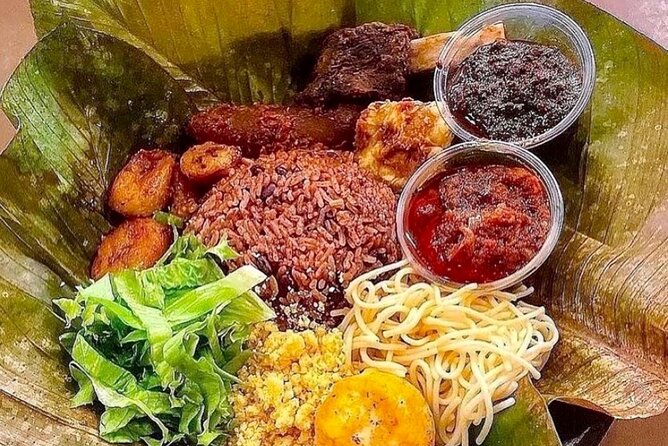
This lesson is a strong choice for home cooks, food lovers, and anyone who wants an activity with direct participation. It also suits families and siblings, since the class can combine cooking with games, conversation, and a shared meal.
You will get the most from it if you are willing to ask questions and take part. The class is not a passive food tour. You should expect to chop, mix, season, prepare, and follow instructions through the full cooking process.
It also suits visitors who have already eaten Ghanaian food and want to understand it better. Learning how jollof, groundnut soup, plantain, or other dishes are made gives you a stronger connection to the meal than ordering it at a restaurant.
The format may be less suitable if you need a tightly timed activity, dislike group cooking, or want a polished restaurant-style service. The kitchen setting is meant to feel relaxed and personal, not formal or highly staged.
Ways to get more from the class
Before the lesson, think about the Ghanaian dishes you most want to learn. If you are choosing between a rice dish, soup, protein, and sides, ask how the package will be arranged so the two complete meals fit your interests.
Tell Cecilia about allergies before ingredients are combined. The class takes allergies into account, but early notice gives the host a better chance to plan suitable substitutions.
Bring questions about cooking at home. Ask which ingredients have easy substitutes, how to find similar products locally, and which parts of the recipe matter most. You can also ask about Ghanaian customs and the background of each meal.
Plan to take food home. Since two leftovers are included, bring enough room in your day to carry packed meals safely. If you want extra portions for friends or an orphanage, arrange that in advance and confirm the added charge.
If you enjoy the session and need more practice, ask about booking the kitchen again for a reasonable fee. That follow-up option is unusual and useful: you can turn one holiday lesson into a second chance to repeat the techniques while they are still familiar.
Should you book Authentic Ghanaian Cooking Lessons?
Book it if you want to do more than eat Ghanaian food in Accra. For $25, you get a four-hour, hands-on session with Cecilia, two complete meals, lunch, two leftovers, ingredients, utensils, cultural background, and advice for recreating the recipes at home.
The main caution is the open-ended timing. You should not treat this as a quick class between fixed appointments. Transport is also your responsibility, and the experience may not suit you if you prefer a short demonstration instead of active kitchen work.
For a food-focused day in Accra, I would choose this experience if learning, conversation, and takeout value matter to you. Pick a menu that excites you, leave your schedule clear, and arrive ready to cook rather than simply watch.
FAQ
Where does the cooking lesson begin and end?
The activity starts on Diabase Street in Accra, Ghana, and ends back at the same meeting point.
How long does the experience last?
The cooking lesson lasts approximately four hours.
What is included in the price?
The $25 price includes ingredients, cooking utensils, lunch, all fees and taxes, and two packaged leftovers. You can eat the prepared food at the kitchen or take it away.
How many people can join?
The activity accepts a maximum of 10 travelers.
Can I choose the cooking schedule?
Yes. Clients can select a schedule that suits them, subject to appointment availability.
Can I request a meal instead of taking the cooking lesson?
Yes. You can replace the lesson by ordering specific Ghanaian meals of your choice at the same fee.
What is the cancellation policy?
You can cancel at least 24 hours before the start time for a full refund. Cancellations or changes made less than 24 hours before the start time are not accepted for a refund.
Just added around Accra
- Visit Aburi Garden, Tetteh Quarshie Cocoa Farm & Waterfall★ 4.0 · 4 reviews
- Historical Day Tour to Cape Coast, Elmina and Kakum★ 5.0 · 3 reviews
- Local Ghanaian Food Tasting Tours★ 5.0 · 3 reviews
- Private Airport Transfer to from ACC Kotoka by Business Car★ 5.0 · 4 reviews
- Private Slave Castles and Dungeons Tour in Cape Coast, Ghana★ 5.0 · 3 reviews
- The Door Of No Return/ Dungeon & cape Coast Castle★ 5.0 · 4 reviews
- Historical tour in Cape Coast Ghana★ 5.0 · 3 reviews
- Cape Coast Castle and Kakum National Park 2-Day Private Tour★ 5.0 · 3 reviews
Cooking Classes, compared.
Local Ghanaian Cooking Class in Accra to help support wellness community center
Read our review →
Browse the lists this tour appears in