
Reviewed · COOKING CLASSES
Home Cooking Class by Auntie K
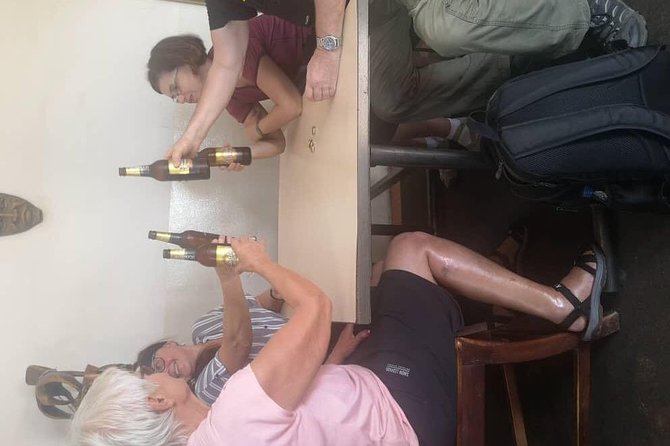
Ghanaian food is best understood with your hands, a mortar and pestle, and enough time for a pot of jollof rice to take on real flavor. At Auntie K’s home in Accra, you may shop for ingredients at a local market, help prepare a traditional meal, and eat what you have made around a table filled with conversation.
I like the family welcome from Auntie K, her daughters, sister, and assistants such as Deborah and Auntie Mary. I also like the old-school details: grinding spices by hand and cooking outdoors over charcoal. These touches make the experience feel tied to daily Ghanaian life rather than a polished restaurant lesson.
The main thing to consider is the meaning of hands-on. Some sessions involve chopping, sorting beans, seasoning, or shaping fufu, while others may feel more like a demonstration. The pace can also stretch from three to six hours, so this is not the right pick if you want a quick, tightly timed class.
Key points to know before booking
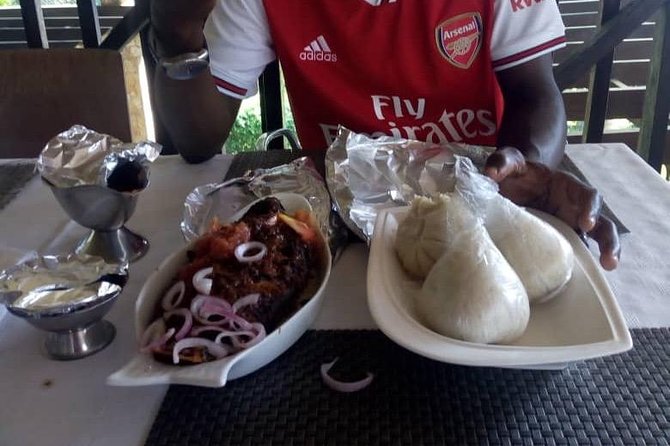
- Jollof rice is usually the star, often joined by kelewele, soup, fish, chicken, vegetables, fufu, banku, or dessert.
- The market visit is optional, but it adds useful context and lets you see the ingredients before they reach the cooking pot.
- Charcoal cooking and hand-ground spices give the class a traditional feel, though they also make the work slower.
- Auntie K can adapt the food, including lower spice levels and dietary restrictions, if you explain your needs ahead of time.
- The setting is a private home, sometimes a front-yard cooking area, not a purpose-built culinary school.
- Plan on about five hours, with some sessions taking closer to three hours and others lasting six.
Starting near Osu and settling into the home kitchen

The experience begins at Club 69, on La Crescent in the Osu area of Accra. It ends back at the same meeting point. A mobile ticket is accepted, and confirmation is provided when you book.
The meeting information lists Monday through Saturday availability from 9:00 a.m. to noon. Since the stated cooking time can run well beyond noon, I would confirm the exact start time before setting other plans for the day. The published duration is about five hours, but the class description allows anywhere from three to six hours depending on the number of people and the pace of the meal.
That loose timing is part of the appeal. Ghanaian cooking often includes peeling, pounding, frying, simmering, and seasoning in stages. It is not a quick demonstration of three tidy recipes. You should arrive ready to spend a good part of the day in one place.
The home setting also shapes the mood. Auntie K and her family create a friendly, informal atmosphere, and several sessions include plenty of conversation while the food comes together. You may find people moving through the front-yard area, so do not expect the quiet, controlled feel of a commercial cooking studio.
More ghanaian cooking classes in Accra:
- Local Ghanaian Cooking Class in Accra to help support wellness community center
★ 4.5 · 22 reviews - Authentic Ghanaian Cooking Class in Accra
★ 4.5 · 11 reviews - Accra: Cooking Class with Auntie KK in Osu
★ 5.0 · 3 reviews
The optional market stop gives the meal a beginning
If you choose the market option, you meet up and shop for the foodstuffs used in the class. This is one of the most useful parts for anyone who wants more than a meal. You see what the ingredients look like before they are cleaned, chopped, seasoned, and cooked.
The market visit also helps explain the menu. A dish such as jollof rice is not just rice and tomato sauce. The flavor depends on the peppers, onions, spices, stock, and cooking method. Looking at the raw ingredients first gives you a better sense of how Ghanaian meals are built.
The market is optional, so the exact shopping arrangements are not guaranteed for every booking. If you want it, request or confirm it in advance. I would choose this addition if you are interested in food culture and have enough time. If your main goal is simply to eat and cook, you can skip it.
Because this is a private activity, only your own group participates. That makes it easier to discuss food preferences, ask questions, and set the pace. It also means you do not get the energy of a larger class, but most people choosing a home-based lesson will prefer the personal setting.
Preparing jollof, kelewele, soup, and more
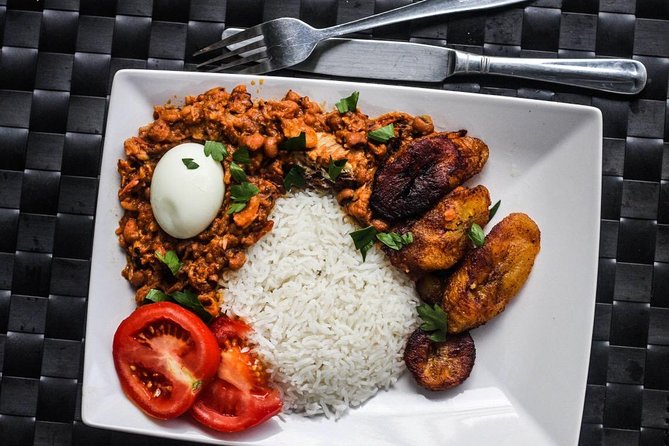
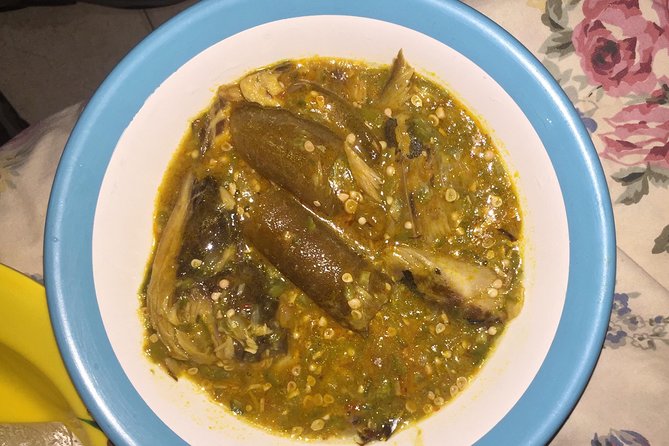
The menu can vary, but the food described across the experience includes several classic Ghanaian dishes. Jollof rice appears often, along with kelewele, spicy fried plantains. Other possible dishes include goat soup with fufu, grilled fish, chicken, fried turkey wings, sautéed vegetables, okra and fish stew, banku, and dessert.
Jollof is a good central dish because it shows how much flavor can come from careful seasoning and slow cooking. Kelewele offers a sharper contrast, with ripe plantains and spice. If you enjoy heat, you may appreciate the seasoning as served. If not, tell Auntie K in advance. She has adjusted spice levels for diners who prefer milder food.
Fufu is the most physical part of the meal. You roll up your sleeves and work the cooked mixture until it reaches the right texture. It can be tiring, especially in a warm outdoor setting, but that effort helps you understand why the dish is more than a side serving dropped onto a plate.
Some sessions include banku, fish, chicken, or okra stew. The menu is not presented as a fixed list, so you should not book expecting every dish named above. Ask what your group will make, especially if a particular recipe is the main reason you are booking.
Hand-ground spices and charcoal cooking
The traditional tools are a major part of the experience. Instead of relying entirely on a blender, you may use a pestle and mortar to crush vegetables, ginger, and spices. It takes more effort, but the process gives you a practical feel for how flavors were prepared before electric appliances became common.
Cooking over a charcoal stand adds another layer. You have to manage heat and wait for food to cook properly. One account describes using a fan to help with the charcoal, a small detail that shows the work involved. This is not simply a photo opportunity. Smoke, heat, and time are part of the setting.
I like this approach because it connects the recipes to real household methods. The tradeoff is speed. Ingredients may not be fully prepared before you arrive, and some of the work can take longer than expected. If you want step-by-step practice with every recipe, ask how much preparation you will personally do.
A few more Accra trips to weigh up
- Authentic Ghanaian Cooking Lessons and Take Out Services.
★ 5.0 · 9 reviews
How hands-on is the cooking class?
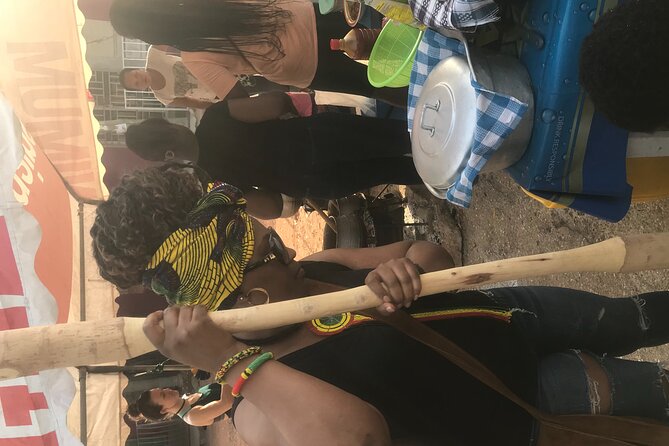
This is where expectations matter most. The experience is promoted as hands-on, and several menu descriptions support that. You may sort beans, peel and cut vegetables, season meat, help with preparation, grind spices, and work on fufu. Some people leave with enough confidence to recreate a dish at home, including fried turkey wings.
But the level of participation can differ. In some sessions, the group has mainly watched Auntie K cook after helping with a few early tasks. One account describes the experience as closer to a demonstration, with the group sorting beans and then observing the cooking. That is a significant difference from a class in which every person prepares each recipe from start to finish.
Auntie K appears to let you participate as much as you want, but you should make your preference clear at the beginning. Say that you want to chop, season, stir, pound, or shape the food yourself. If you prefer to watch and ask questions, that is also possible.
Last-minute bookings may be less suited to a highly structured lesson. With little preparation time, ingredients may not be chopped in advance, and the class can take longer. I would book earlier if you want a specific menu or a more active cooking role. The experience is booked an average of 35 days ahead, which suggests that planning early is sensible.
Eating the meal is part of the lesson
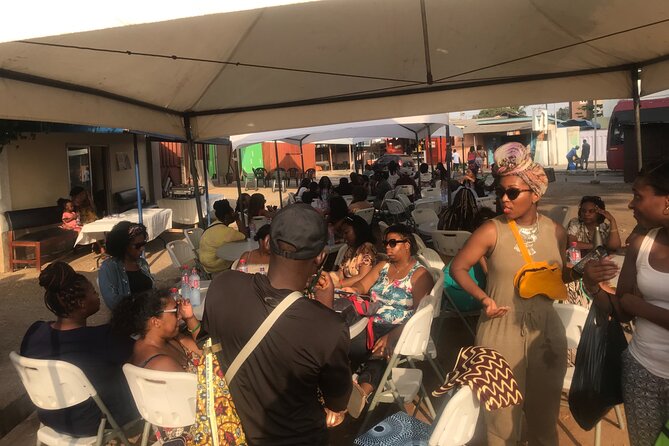
The class ends with lunch, and the food is included in the $89 price. This is not a small tasting plate. The portions described are generous, and you may leave with enough food to enjoy later.
Eating together matters because Ghanaian food is meant to be shared. The meal gives you a chance to taste the result while the cooking steps are still fresh. You can compare the smoky charcoal flavor, the heat of the pepper, the sweetness of the plantain, and the texture of fufu or banku.
The conversation is also part of the value. Auntie K, her relatives, and her assistants create the feeling of being welcomed into a family kitchen. You should not expect a formal lecture, but you can ask about ingredients, seasoning methods, and the role dishes play in Ghanaian food culture.
The class can work especially well for a solo visitor. You have a natural reason to talk with the host, and the activity gives the day structure. It also suits families and private groups that want to adjust spice levels or discuss dietary needs. Tell the provider about restrictions before the class rather than waiting until cooking begins.
What the $89 price really covers
At $89 per person, the cost is higher than buying a plate of jollof rice in Accra. But you are paying for several hours of instruction or demonstration, ingredients, lunch, a private booking, and access to a personal home setting. If the market visit is included in your arrangement, the day offers even more contact with local food culture.
The value depends on what you want. If you mainly want to eat Ghanaian food cheaply, this is not the economical choice. If you want a personal introduction to several dishes, hands-on work, and a meal at the end, the price is reasonable for a five-hour private experience.
The private format is important. Your group does not share the activity with strangers, which makes dietary adjustments and questions easier. The downside is that a private class does not guarantee a formal teacher-to-student setup. Part of the cost pays for time in the home and the social experience, not just written recipes.
I would judge the price by the amount of active participation you receive. Before booking, ask what the menu will be, which tasks you will do, and whether the market visit is part of your plan. Clear expectations make the value much better.
Practical details that affect your day
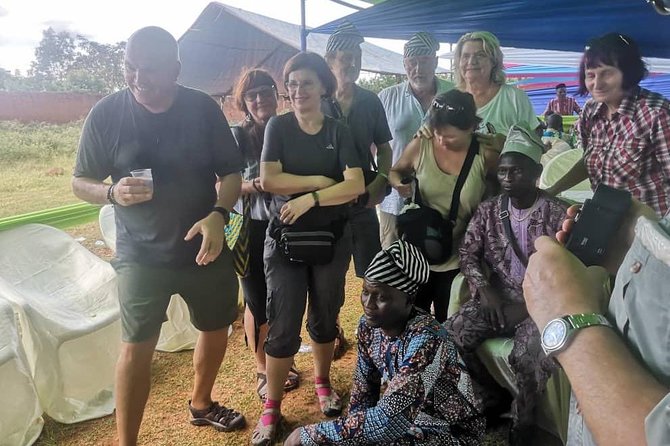
The experience requires good weather. If poor weather causes a cancellation, you are offered another date or a full refund. This matters because at least part of the cooking may take place outdoors over charcoal.
The meeting point is near public transportation, and service animals are allowed. An air-conditioned vehicle is not included, so you will need to arrange your own transport to Club 69 and back. The activity itself returns to the starting point.
Free cancellation is available up to 24 hours before the start time for a full refund. Changes made less than 24 hours before the start are not accepted, and late cancellations are not refunded. Keep the timing in mind when arranging airport transfers or other fixed plans.
Wear something comfortable for cooking and allow room in your schedule. The class may last longer than the approximate five-hour estimate, particularly if you join the market visit or prepare several dishes. Most important, arrive hungry but not so hungry that you cannot wait through the chopping and simmering.
Who will get the most from Auntie K’s class?
I would recommend this for you if you want a warm, personal introduction to Ghanaian food and do not mind a relaxed pace. It is a strong choice for people who enjoy learning through conversation, physical preparation, and eating a full meal afterward.
It also suits families, couples, and private groups. Auntie K has adjusted recipes for dietary restrictions and lower spice preferences, and the private format makes those requests easier to discuss. Solo visitors can also fit in well, especially if they enjoy meeting local people through food.
I would be more cautious if you want a polished culinary-school lesson. You may not receive a printed recipe for every dish, and participation can range from active preparation to watching the host cook. Ask direct questions before booking so you know which version you are getting.
Should you book this Accra cooking class?
Book it if you want Ghanaian food with family warmth, generous portions, and traditional methods such as charcoal cooking and hand-ground spices. The strongest parts are the personal contact, the range of possible dishes, and the chance to eat a meal made during your visit.
Think twice if you have only a few free hours or need a tightly managed class. The schedule is flexible, the setting is informal, and the hands-on element can vary. My advice is to confirm the menu, market option, start time, and your expected cooking role before paying.
For the right person, this is more than a recipe lesson. It is a long lunch, a look at household cooking in Accra, and a chance to call Auntie K by the end of the day.
FAQ
Where does the cooking class begin?
The meeting point is Club 69, Osu La Crescent, La Crescent, Accra, Ghana.
Where does the activity end?
The activity ends back at the meeting point.
How long does the experience take?
The approximate duration is five hours. The class may take between three and six hours depending on the number of people and the pace.
Is the market visit included?
A market visit is optional. You may meet the host and shop for the ingredients used in the class.
Is lunch included?
Yes. Lunch and the homemade cooking class are included.
Is this a private activity?
Yes. Only your group participates.
What dishes might I prepare?
Possible dishes include jollof rice, kelewele, soup, fufu, fish, chicken, sautéed vegetables, okra and fish stew, banku, fried turkey wings, and dessert. The exact menu may vary.
Can the food be made less spicy?
Yes. Auntie K has accommodated lower spice preferences. You should explain your needs before the class.
Is transportation included?
No. An air-conditioned vehicle is not included. The meeting point is near public transportation.
Can I cancel for a full refund?
Yes, if you cancel at least 24 hours before the experience start time. Cancellations made less than 24 hours in advance are not refunded.
More Workshops in Accra
- African Drum and Dance Lessons
★ 5.0 · 6 reviews - Half-Day Private African Drumming Lessons with Pick Up
★ 5.0 · 3 reviews
Just added around Accra
- Visit Aburi Garden, Tetteh Quarshie Cocoa Farm & Waterfall★ 4.0 · 4 reviews
- Historical Day Tour to Cape Coast, Elmina and Kakum★ 5.0 · 3 reviews
- Local Ghanaian Food Tasting Tours★ 5.0 · 3 reviews
- Private Airport Transfer to from ACC Kotoka by Business Car★ 5.0 · 4 reviews
- Private Slave Castles and Dungeons Tour in Cape Coast, Ghana★ 5.0 · 3 reviews
- The Door Of No Return/ Dungeon & cape Coast Castle★ 5.0 · 4 reviews
- Historical tour in Cape Coast Ghana★ 5.0 · 3 reviews
- Cape Coast Castle and Kakum National Park 2-Day Private Tour★ 5.0 · 3 reviews
Cooking Classes, compared.
Local Ghanaian Cooking Class in Accra to help support wellness community center
Read our review →
Authentic Ghanaian Cooking Lessons and Take Out Services.
Read our review →
Browse the lists this tour appears in