
Reviewed · COOKING CLASSES
Accra: Cooking Class with Auntie KK in Osu
The best part of this Accra cooking class is that you do not just eat Ghanaian food, you help make it. Auntie KK welcomes you at her family home in Osu, then guides you through local ingredients, preparation, cooking, and the meal at the end.
I like the family setting, which gives the class a warmer feel than a formal kitchen lesson. I also like the chance to learn where dishes such as jollof rice, banku and tilapia, kelewele, and red red come from. The main drawback is the price: at $185 per person for three hours, this is a premium food experience, not a cheap cooking lesson.
Key details before you book
- Meet Auntie KK in Osu: Look for the white wall and blue gate across from the Club 69 signboard.
- Cook in a family home: You learn recipes and food customs in a personal setting rather than a restaurant kitchen.
- Work with local ingredients: The class covers ingredients used in Ghanaian cooking and includes the food you prepare.
- Eat your own meal: Food and drinks are included, along with the satisfying final tasting.
- English and Twi instruction: Auntie KK teaches in English and Twi.
- Three hours, with transport separate: Hotel pickup and drop-off are not included, but you can arrange a ride back afterward.
Meeting Auntie KK near Club 69 in Osu
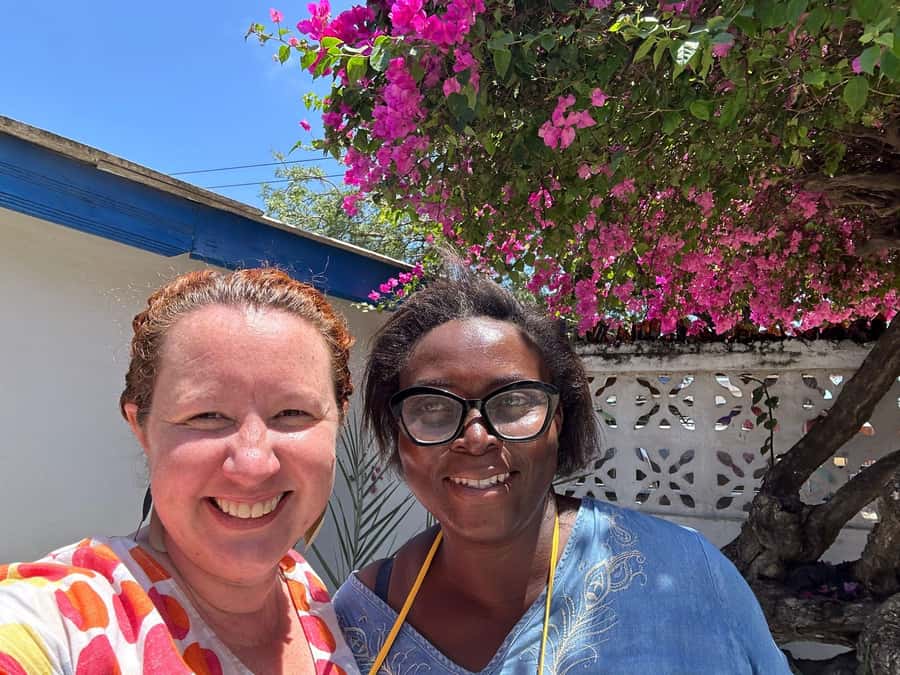
Your starting point is specific but easy to miss if you are not paying attention. Meet in front of Club 69 in Osu, then look across the street for a white wall and blue gate. Auntie KK will be waiting there to welcome you.
This meeting arrangement matters because hotel pickup is not included. You need to make your own way to Osu, and the activity does not provide transportation. The good news is that the class ends in an area where you can get a ride back to your accommodation or next stop.
Osu is a practical place for this kind of activity. It gives you a chance to combine a food lesson with time in one of Accra’s better-known areas, though the class itself takes place in a family home rather than as a walking tour. If you are arriving by car, taxi, or ride service, allow a little extra time to identify the white wall and blue gate.
The meeting point is also a useful safeguard. Instead of wandering through residential streets looking for an unfamiliar house, you have a clear public landmark and a host who will lead you from there.
More ghanaian cooking classes in Accra:
- Home Cooking Class by Auntie K
★ 5.0 · 62 reviews - Local Ghanaian Cooking Class in Accra to help support wellness community center
★ 4.5 · 22 reviews - Authentic Ghanaian Cooking Class in Accra
★ 4.5 · 11 reviews
A family kitchen instead of a formal cooking studio
The setting shapes the whole experience. You are not simply watching a chef demonstrate a dish from behind a counter. You are welcomed into a family home and take part in the preparation yourself.
That gives the class a personal feel. Food becomes a way to learn about daily life, family meals, and the ingredients used in Ghana. Auntie KK is not only showing you what to do. She is also helping you understand the foundations of the food you are making.
I find this especially useful if you are new to Ghanaian cuisine. Restaurant menus can tell you the names of dishes, but they do not always explain how ingredients fit together or why certain combinations are so popular. Here, the cooking process gives you that context.
The class is led in English and Twi, so English-speaking visitors can follow the instruction. Twi adds a local language element to the encounter, though the activity information does not specify how much of the lesson is taught in each language.
Choosing what to cook in three hours
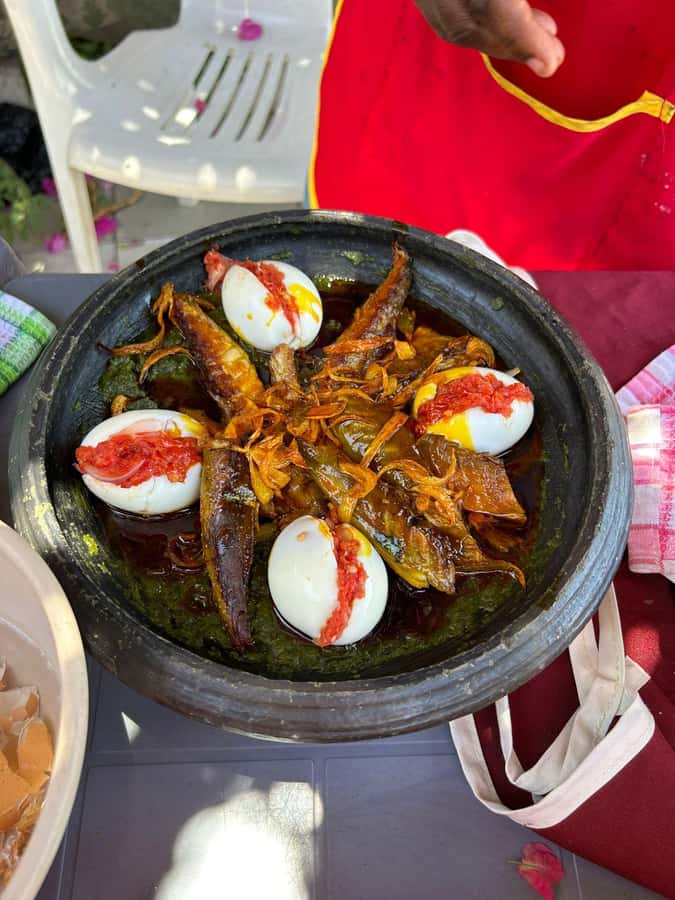
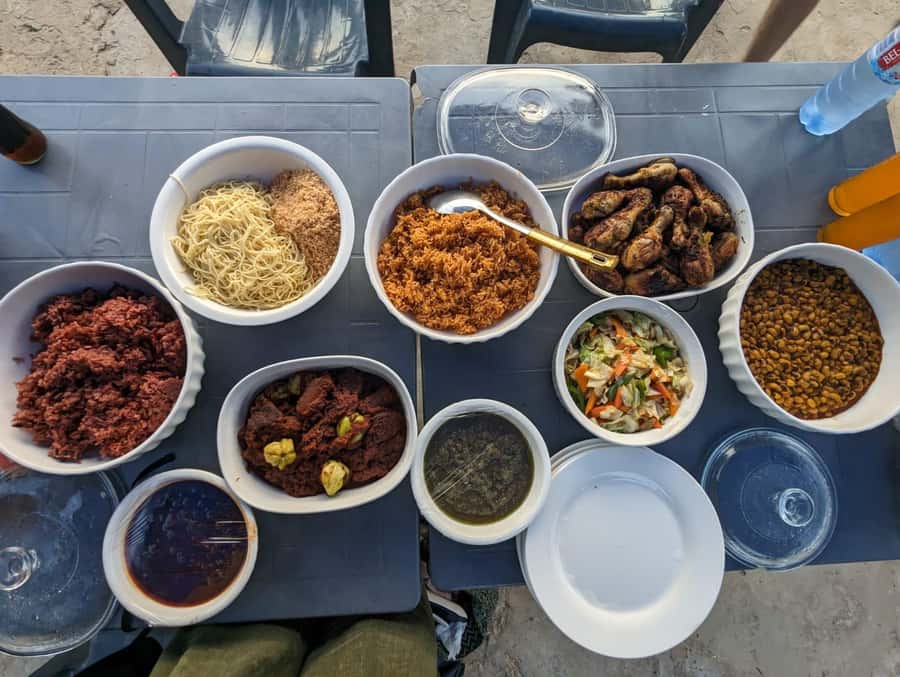
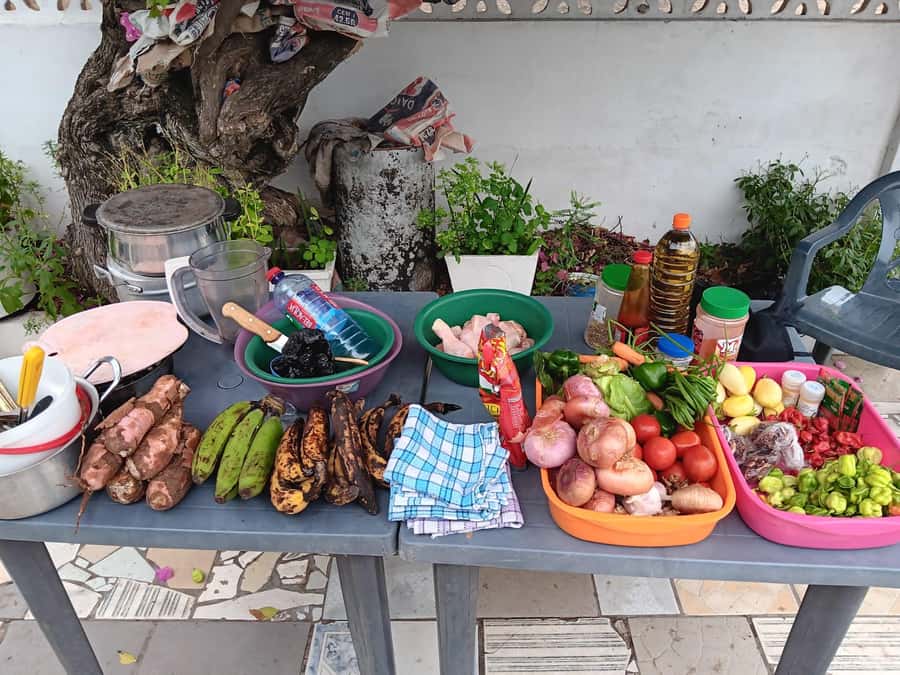
The class includes preparation of your chosen meal choices. The available food traditions offer plenty to work with, from rice dishes and stews to fermented doughs, fish, plantains, beans, and groundnuts.
You may encounter dishes such as:
- Jollof rice: Rice cooked in a seasoned tomato and pepper sauce, often served with vegetables and meat.
- Waakye: Rice cooked with sorghum leaves, giving it a reddish-brown color, with accompaniments such as fried fish, spaghetti, and hot pepper sauce.
- Banku and tilapia: Soft fermented corn and cassava dough served with grilled or fried tilapia.
- Fufu and light soup: A starchy side made from cassava, plantain, or yam, paired with a soup containing fish, meat, or vegetables.
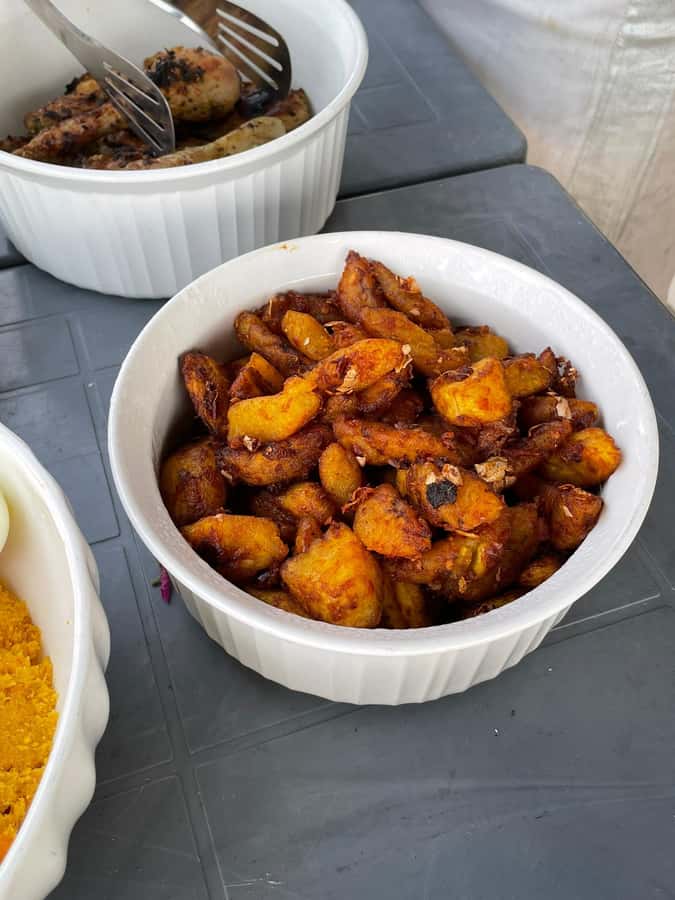
- Kelewele: Fried plantain seasoned with ginger, garlic, and hot peppers.
- Red red: Black-eyed pea stew made with palm oil, often paired with fried plantains or rice.
- Groundnut soup: A peanut-based soup with vegetables and, in some versions, meat or fish.
- Kenkey: Fermented corn and cassava dough wrapped in corn husks and steamed, often served with fish and pepper sauce.
The information provided does not guarantee that every one of these dishes is prepared in every class. Think of them as examples of the Ghanaian cooking traditions connected with the experience, not a fixed menu.
That is one point worth confirming when you book. If you have your heart set on jollof rice, banku and tilapia, or another particular dish, ask which choices are available on your date. The class is built around your selected meal, and the exact dish will shape the preparation time and the final meal.
Learning Ghanaian ingredients by handling them
The ingredient lesson is more useful than a simple list of names. You get started with the ingredients used in your selected recipe, then take part in preparing them for cooking.
That hands-on work helps you understand how a meal comes together. You can see the colors, smells, textures, and basic building blocks before they are turned into a finished dish. For many people, that is the difference between recognizing a Ghanaian meal and feeling able to recreate part of it at home.
The food traditions here also show how varied Ghanaian cooking can be. Pepper, ginger, garlic, palm oil, plantain, beans, cassava, corn, rice, fish, and groundnuts appear in different combinations. Fermentation plays a role in foods such as banku and kenkey, while frying, grilling, steaming, and stewing give the dishes their different textures.
I particularly like that the class connects the ingredients with their roots in Ghana. You are not just learning a recipe as a set of instructions. You are learning why the food matters and how it fits into communal dining.
The activity details do not list the exact ingredients or cooking equipment, so do not expect a specialist lesson about every regional variation. Its value is the direct introduction to local food and the chance to work alongside a local chef.
A few more Accra trips to weigh up
- Authentic Ghanaian Cooking Lessons and Take Out Services.
★ 5.0 · 9 reviews
From preparation to the meal you helped make
The class moves from ingredient preparation to cooking, then to the part everyone waits for: eating.
There is real pleasure in sitting down to food you have helped create. The final meal gives you a clear sense of what the preparation was for, and it lets you taste how the ingredients work together. Food and drinks are included, so you do not need to budget separately for the meal prepared during the class.
This is also where the social side of the experience comes into play. The activity is designed around shared food, new friends, and conversation. That communal element reflects the importance of eating together in Ghanaian culture.
The tasting is not a separate restaurant course. It is the result of your work, which makes it more memorable and gives the meal a stronger sense of place. You leave with a recipe and greater confidence to try the dish again in your own kitchen.
The class also includes photo and video opportunities. Since you are working in a family home, ask before photographing people or private areas. The activity specifically includes opportunities for photos and video, but it does not state exactly when or where they take place.
What the strongest praise tells you
The class has received a top rating from three verified bookings, with particular praise for the food, the friendly atmosphere, and Auntie KK’s family.
That pattern is useful. It suggests the experience succeeds less because of polished production and more because of the people, the meal, and the relaxed welcome. One visitor specifically highlighted fun, tasty food, and good vibes. Another praised Auntie KK and her family for their kindness and said every bite of the food was delicious.
You should read those points as a guide to the experience. This is a good choice if you value a warm host, a local home, and a meal shared after practical work. It may be less suitable if you want a high-end culinary school with professional workstations, a fixed tasting menu, or advanced chef training.
The available feedback is small, with only three ratings, so I would not treat it as proof that every class runs in exactly the same way. Still, the consistent top scores support the idea that the personal welcome and food are the main strengths.
Is $185 per person good value?
At $185, this class costs more than a basic market visit or short demonstration. The price needs to be judged against what is included and the kind of experience you want.
You receive the meeting arrangement, entry to the class, ingredients, food, drinks, instruction from a professional local chef, and photo and video opportunities. You also get three hours of direct participation in a family home, not just a restaurant meal.
That makes the price easier to understand for someone who values access and personal contact. You are paying for the host’s time, the ingredients, the teaching, the meal, and the setting. You are also paying for a cultural experience that continues after the plate is empty, because you leave with a recipe and new cooking skills.
Still, the price is high if your only aim is to sample Ghanaian food. You could spend less at a local restaurant, though that would not give you the same chance to prepare the meal or learn its background.
I would consider this experience good value for a food-focused visitor who wants a meaningful three-hour activity and is comfortable paying for a small-scale personal encounter. I would think twice if you are traveling on a tight budget, especially because transportation is extra.
Who will enjoy this Accra cooking class?
This class suits you best if you like to take part rather than watch. It is a strong pick for home cooks, food lovers, and anyone who wants a practical introduction to Ghanaian dishes.
It also works well for people who enjoy meeting local families. Auntie KK’s welcome and the family-home setting are central to the experience, so the social connection matters as much as the recipe.
You do not need to be an experienced cook. The class is built around preparation and guidance from a local chef, not around proving your technical skills. The three-hour length gives you enough time to take part without making the activity an all-day commitment.
The class can also suit visitors with mobility needs because it is listed as wheelchair accessible. Since every home has its own layout, you may still want to confirm any specific access requirements before booking.
This is less ideal for someone who wants a market tour, a long list of dishes, or a cooking class focused on advanced techniques. The exact menu is not specified, and the activity centers on preparing and enjoying a selected Ghanaian meal.
Practical details that affect your day
Plan for three hours from the class start. Starting times vary, so you need to check availability when choosing a date.
Bring a way to pay for your own transportation to Osu and afterward. Hotel pickup and drop-off are not included, although you can arrange a ride back after the class.
The booking terms are flexible. You can cancel up to 24 hours in advance for a full refund, and you can reserve now and pay later. Those terms help if your Accra plans are still moving around.
Wear something that allows you to work comfortably in a kitchen, though no special clothing requirement is given. Because the activity includes food and drinks, tell the provider about any dietary needs before you arrive. The supplied details do not state how dietary requests are handled, so you should not assume substitutions are available.
Most important, confirm the meal choice. The class description presents several Ghanaian dishes, but it does not promise all of them on every date.
Should you book Auntie KK’s cooking class?
Book this class if you want more than a meal in Accra. You will prepare Ghanaian food with Auntie KK, learn about local ingredients, eat what you make, and spend time in a family home.
The strongest reasons to go are the personal welcome, the hands-on format, and the chance to understand dishes such as jollof rice, banku, kelewele, red red, and groundnut soup from the kitchen side. The food and family atmosphere have earned excellent feedback.
Skip it if $185 feels too steep for a three-hour activity, if you need hotel transportation included, or if you want a formal culinary school with a guaranteed menu. For everyone else, especially food lovers who value local contact, this is one of the more personal ways to spend an afternoon in Osu.
FAQ
Where does the cooking class meet?
Meet in front of Club 69 in Osu. Look for a white wall and blue gate directly across the street from the Club 69 signboard.
Who teaches the cooking class?
Auntie KK teaches the class, with instruction available in English and Twi.
How long does the experience last?
The cooking class lasts three hours.
What is included in the price?
The price includes the class entry, ingredients, food, drinks, photo and video opportunities, and instruction from a professional local chef.
Is transportation included?
No. Hotel pickup, hotel drop-off, and transportation are not included. You can arrange a ride back after the class.
What Ghanaian dishes can I learn to make?
Possible Ghanaian dishes connected with the experience include jollof rice, waakye, banku and tilapia, fufu and light soup, kelewele, red red, groundnut soup, and kenkey. The exact meal choice is not specified.
Do I eat the food I prepare?
Yes. The experience includes enjoying the meal you cook, along with food and drinks.
Is the class wheelchair accessible?
Yes. The activity is listed as wheelchair accessible.
Can I cancel the booking?
Yes. You can cancel up to 24 hours in advance for a full refund.
Do I have to pay when I book?
No. The activity offers reserve now and pay later, so you can hold your place without paying at the time of booking.
More Workshops in Accra
- African Drum and Dance Lessons
★ 5.0 · 6 reviews - Half-Day Private African Drumming Lessons with Pick Up
★ 5.0 · 3 reviews
Just added around Accra
- Visit Aburi Garden, Tetteh Quarshie Cocoa Farm & Waterfall★ 4.0 · 4 reviews
- Historical Day Tour to Cape Coast, Elmina and Kakum★ 5.0 · 3 reviews
- Private Slave Castles and Dungeons Tour in Cape Coast, Ghana★ 5.0 · 3 reviews
- Local Ghanaian Food Tasting Tours★ 5.0 · 3 reviews
- Private Airport Transfer to from ACC Kotoka by Business Car★ 5.0 · 4 reviews
- The Door Of No Return/ Dungeon & cape Coast Castle★ 5.0 · 4 reviews
- Historical tour in Cape Coast Ghana★ 5.0 · 3 reviews
- Cape Coast Castle and Kakum National Park 2-Day Private Tour★ 5.0 · 3 reviews
Cooking Classes, compared.

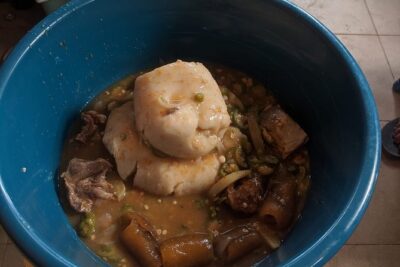
Local Ghanaian Cooking Class in Accra to help support wellness community center
Read our review →
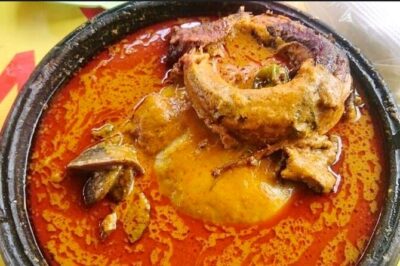
Authentic Ghanaian Cooking Lessons and Take Out Services.
Read our review →Browse the lists this tour appears in