
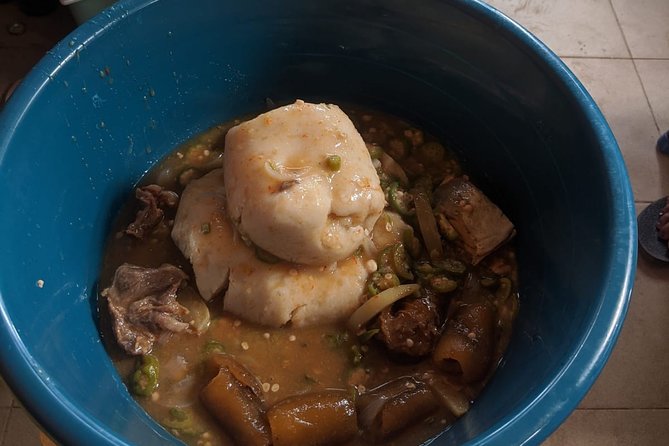
Reviewed · COOKING CLASSES
Local Ghanaian Cooking Class in Accra to help support wellness community center
Accra’s most unusual cooking class begins before the stove is lit. You ride by car to a local market, help gather ingredients, then return to cook Ghanaian food while supporting a wellness center that offers health screenings, nutrition lessons, children’s programs, and arts activities. You may also taste homemade akpeteshie spirits along the way.
I like the direct contact with local food and the clear community benefit. I also like the small-group setup, which gives hosts such as Gifty, Auntie Irene, and Ms. Pat room to explain dishes and adjust to dietary needs. The main caution is that the advertised six-hour length may not match your actual class time. One account describes a session lasting about two hours, and the amount of hands-on preparation can vary.
Key points to know before booking
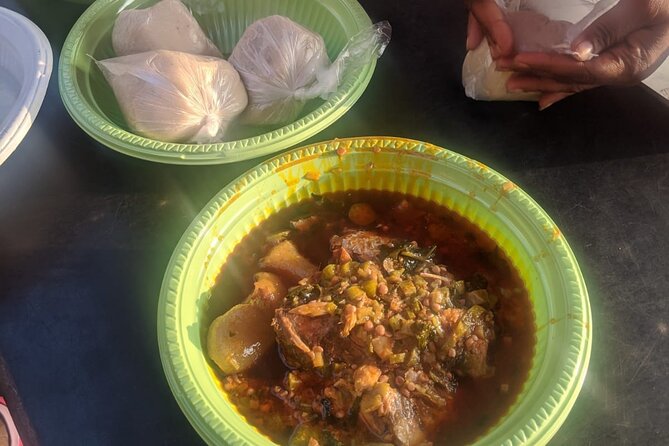
- The market visit comes first: You travel by car from Global Wellness Mission to buy the ingredients for your meal.
- You cook classic Ghanaian dishes: Options include fufu, banku, jiji, rice balls, jollof rice, fried fish, chicken, and several soups or stews.
- The community center benefits directly: Your booking helps fund exercise, nutrition, health, youth, art, and dance programs.
- Local spirits are part of the welcome: Emergency, Hatso, and Uwuba are made with akpeteshie and soaked with local bark or leaves.
- The class can be flexible: Dietary requests may be accommodated if you ask in advance.
- Expect some variation: The group may contain up to 20 people, and the cooking time and level of participation can depend on the host and menu.
Starting at Global Wellness Mission in Accra
Your day begins at Global Wellness Mission, CM7, Third Oloti Street, Accra. The activity returns to this same meeting point, so you do not need to arrange a second pickup location at the end.
The stated schedule runs Monday through Saturday, with opening hours listed from 8:00 a.m. to noon. The experience is advertised as approximately six hours, but that timing needs a close look. A past class was reported to last around two hours, which suited that couple well, while the full plan includes transport, market shopping, cooking, eating, and conversation.
I would confirm the start time and expected finish before setting up another appointment that day. The time difference may reflect the size of the group, the chosen dishes, the market stop, or how much preparation is done before you arrive.
The meeting point is near public transportation, and a mobile ticket is accepted. Confirmation is sent at booking. The maximum group size is 20, though the experience is presented as a small-group class. That wording leaves some room for variation, so ask about the expected group size if personal instruction is important to you.
More ghanaian cooking classes in Accra:
- Home Cooking Class by Auntie K
★ 5.0 · 62 reviews - Authentic Ghanaian Cooking Class in Accra
★ 4.5 · 11 reviews - Accra: Cooking Class with Auntie KK in Osu
★ 5.0 · 3 reviews
Riding to the market for the day’s ingredients
After meeting the host, you travel by car to a local market. This is not just a transfer before the real activity begins. It gives you a chance to see how the meal comes together from ordinary ingredients selected for that day’s cooking.
The information provided does not name the market or list every ingredient. That is useful in its own way: you should expect a local shopping stop rather than a fixed sightseeing attraction with a set display. Your host leads the buying, and the exact basket depends on the soup, stew, and starch you choose.
This part may be especially helpful if you want food context rather than a cooking demonstration alone. You see the raw materials before they become a finished meal, and you can ask about what you are buying as you go.
The drawback is that market time can be less predictable than a formal museum visit. If the group is large or several dishes are being prepared, the pace may feel uneven. I would wear comfortable shoes and keep your schedule open.
Meeting a community project through food
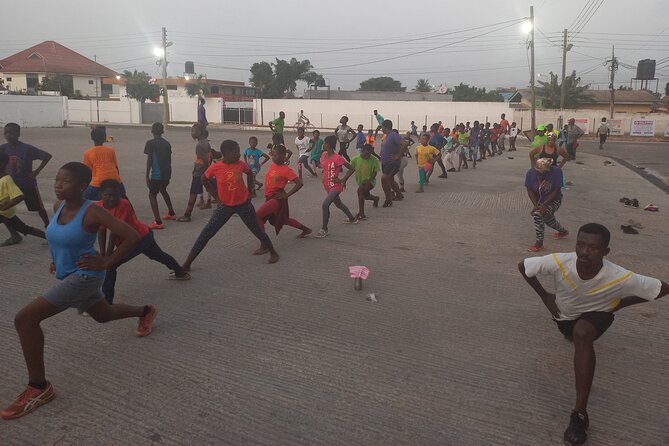
The class supports the Wellness Community Center connected with Global Wellness Mission. Its programs include physical activity, nutrition education, after-school lectures for children, health screenings, and art and dance activities.
That gives the $45 price more weight than a simple lunch or cooking lesson. You are paying for transport, instruction, ingredients, lunch, and local spirits, while also helping a center with practical community programs. The value is strongest if you want your spending to reach a local project rather than only cover a commercial activity.
The center also gives the cooking class a social purpose. You are not simply watching someone prepare food for you. You are spending time with a host and family or community members in a setting linked to ongoing local work.
Still, it is wise to keep expectations clear. The supplied information explains what the center does, but it does not state exactly how much of the $45 goes to each program. Think of the booking as community-supporting, not as a formal donation with a published breakdown.
Tasting Emergency, Hatso, and Uwuba
When you return from the market, the class includes locally made spirits. Emergency, Hatso, and Uwuba are made from akpeteshie, a Ghanaian spirit, and soaked with local bark or tree leaves.
This is a distinctive part of the experience because it connects the meal with local drinking customs and ingredients. You can taste these drinks as part of the welcome before moving into the cooking.
Alcoholic beverages are included, but soda and beer are not. If you do not drink alcohol, clarify what nonalcoholic option is available before the class. The provided details specifically mention dietary requests, not drink substitutions.
Because these spirits are homemade and infused, you should take the tasting at your own pace. You are not required to treat it like a drinking session. A small taste can be enough to understand the flavor and the role it plays in the gathering.
A few more Accra trips to weigh up
- Authentic Ghanaian Cooking Lessons and Take Out Services.
★ 5.0 · 9 reviews
Choosing between fufu, banku, jiji, and rice balls

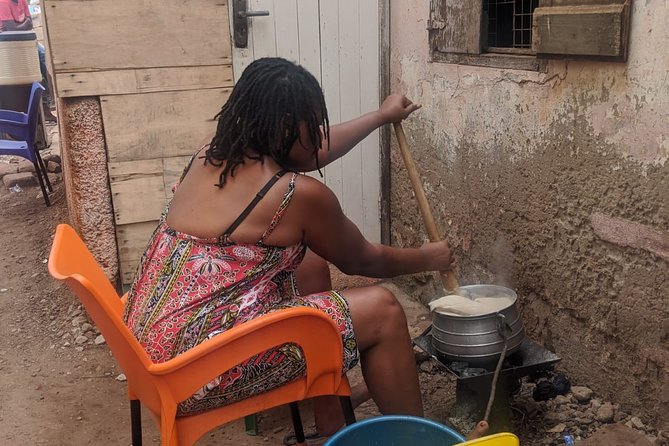
The starch is one of the most physical parts of the class. You may learn to pound fufu, banku, jiji, or rice balls, depending on the meal selected.
Fufu is made by pounding ingredients into a smooth, stretchy accompaniment for soup. Banku has a different texture and preparation style, while rice balls offer another way to serve a stew or soup. Jiji is also listed among the possible choices, though the supplied details do not explain its ingredients or method.
This variety lets you choose a dish that interests you, but it also means the class may not follow one fixed recipe. Ask which starch will be prepared and how much of the work you will do before the session begins.
That question matters. One person expected more hands-on work but found that some ingredient preparation had already been completed. The same account noted limited involvement during the banku preparation. If you want to chop, pound, stir, and shape everything yourself, say so clearly at the start.
Selecting your Ghanaian soup or stew
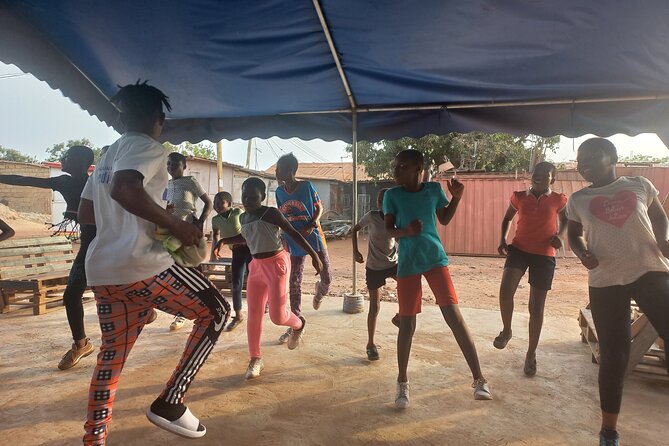
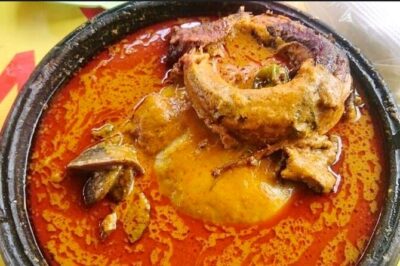
The main dish can include okra soup, groundnut soup, palm-nut soup, light soup, or plain soup. The provided options cover several familiar Ghanaian flavor profiles, from the thick, nutty character of groundnut soup to the fresh texture of okra and the fuller taste of palm nut.
You may also encounter a meal built around fried fish, chicken, stew, and jollof rice. One particularly successful class included banku, fried fish, stew, chicken, and jollof rice. If jollof is high on your list, ask whether it can be included rather than assuming every session serves it.
The ability to choose a soup or stew is a real benefit for repeat visitors and for anyone with strong food preferences. It also creates the chance to compare a familiar dish with something new.
There is a limit to that flexibility. The menu may depend on the market ingredients, the group, and the host’s cooking plan. Dietary requests can be accommodated upon request, but you should make those requests before arrival rather than waiting until food is being prepared.
Cooking with Gifty, Auntie Irene, and local families
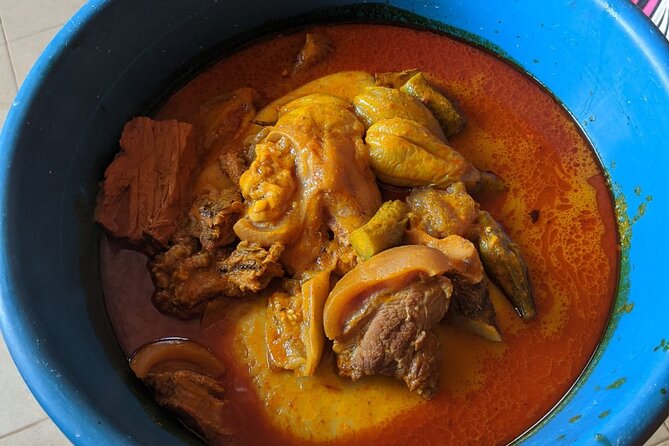
The class is built around personal instruction rather than a silent demonstration. Hosts connected with the experience include Pat and Maggie, while individual sessions have been led by Gifty, Auntie Irene, Ms. Pat, and Ms. Gifty. Linda has also been associated with helping visitors connect with a local seamstress.
These names matter because the character of the day depends heavily on who leads it. The strongest accounts describe warm hosts, easy conversation, laughter, and patient explanations. One person specifically appreciated Gifty’s effort to make the desired dishes and explain each step clearly.
The family setting can be the best part of the class. You are likely to spend time talking as well as cooking, and the food is served as lunch once it is ready. This makes the experience feel closer to being invited into a home kitchen than attending a polished culinary school.
It can also mean that instruction is informal. If you need exact measurements, a printed recipe, or a carefully timed lesson, you may find the style loose. If you prefer conversation and a relaxed meal, the format should suit you better.
What lunch is really worth at $45
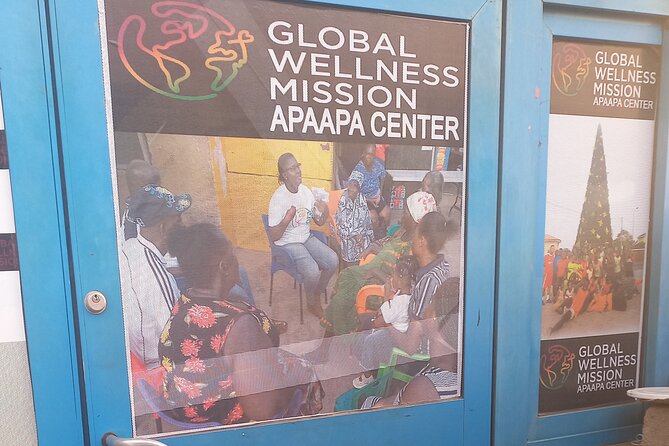
At $45 per person, this is not the cheapest way to eat in Accra. You are not paying only for lunch. The price includes the cooking activity, market transportation by car, ingredients, lunch, local spirits, and the community connection.
I consider that fair value for someone who wants several hours of cultural contact and a meal they helped prepare. The class also has an ethical reason for its price, since bookings support a wellness center with services for adults and children.
The value drops if you are mainly seeking a long, technical cooking lesson. The actual session may be shorter than the approximate six-hour description, and preparation may already be underway when you arrive. You should book for the full package: market visit, food, conversation, spirits, and community support.
The best approach is to contact the provider about the menu, hands-on tasks, timing, and dietary needs. A few questions can help you decide if the class fits your goals.
Who will enjoy this Accra cooking class
I would recommend this experience to you if you enjoy meeting local people, eating a home-style meal, and learning through participation rather than through a formal lecture. It is also a good match if you want a community project built into your Accra plans.
Families and couples may appreciate the social setting, though the alcohol tasting means parents should ask about nonalcoholic options. Food-focused visitors will like the range of soups, stews, starches, and possible jollof rice.
This may not suit you if you need a guaranteed six-hour itinerary, a strict recipe class, or complete control over every preparation step. It also may disappoint if your only goal is a market tour, since the market stop is one part of a larger cooking and lunch experience.
The group limit of 20 offers some protection against an oversized tour, but it does not guarantee one-on-one instruction. Ask about the expected number of participants if you want close guidance while pounding fufu or preparing banku.
Practical details for a smoother visit
Book ahead if possible. The experience is often reserved about 36 days in advance, which suggests that popular dates may fill before your Accra visit. Confirmation arrives at booking, and the mobile ticket makes entry straightforward.
Plan around the listed Monday-to-Saturday schedule and the 8:00 a.m. to noon opening window. Since the stated duration and actual reported length do not always match, confirm the finish time before arranging airport transfers, business meetings, or another tour.
The activity ends at the starting point. Service animals are allowed, and the location is near public transportation. The supplied information does not state whether the cooking space has special mobility features, so ask the provider if that is important for you.
Cancellation is free up to 24 hours before the start time for a full refund. Changes or cancellations made less than 24 hours ahead are not accepted for a refund, and the cutoff uses Accra local time.
Should you book Pat and Maggie’s cooking class?
Book it if you want a personal, community-linked food experience and can accept a flexible schedule. The best reasons are the local market visit, the chance to prepare Ghanaian dishes such as fufu, banku, okra soup, groundnut soup, and jollof rice, and the warm family-style setting associated with hosts including Gifty and Auntie Irene.
Before paying, ask four practical questions: Who will lead the class, which dishes are planned, how much preparation will be hands-on, and how long should you expect to stay? If the answers fit your plans, $45 is a reasonable price for food, transport, instruction, local spirits, lunch, and support for a wellness center.
Skip it if you need a tightly scripted culinary course or a guaranteed six-hour lesson. This is better understood as a social cooking morning with a market visit and a community purpose, not as a professional chef workshop.
FAQ
Where does the cooking class begin and end?
It begins and ends at Global Wellness Mission, CM7, Third Oloti Street, Accra, Ghana.
How long does the experience last?
The advertised duration is approximately six hours. One session was reported to last about two hours, so confirm the expected timing with the provider before booking other activities.
What days and times is it available?
The listed opening period runs Monday through Saturday, with hours shown from 8:00 a.m. to noon.
What food can I learn to prepare?
Possible dishes include fufu, banku, jiji, rice balls, okra soup, groundnut soup, palm-nut soup, light soup, plain soup, fried fish, chicken, stew, and jollof rice.
Is food and drink included?
Lunch and local alcoholic spirits are included. Soda, beer, and other pop drinks are not included.
Can dietary requests be accommodated?
Dietary requests can be accommodated upon request. Contact the provider before the class to explain your needs.
What is the cancellation policy?
You can cancel at least 24 hours before the experience starts for a full refund. Cancellations and changes made less than 24 hours before the start time are not accepted for a refund.
More Workshops in Accra
- African Drum and Dance Lessons
★ 5.0 · 6 reviews - Half-Day Private African Drumming Lessons with Pick Up
★ 5.0 · 3 reviews
Just added around Accra
- Visit Aburi Garden, Tetteh Quarshie Cocoa Farm & Waterfall★ 4.0 · 4 reviews
- Historical Day Tour to Cape Coast, Elmina and Kakum★ 5.0 · 3 reviews
- Private Slave Castles and Dungeons Tour in Cape Coast, Ghana★ 5.0 · 3 reviews
- Local Ghanaian Food Tasting Tours★ 5.0 · 3 reviews
- Private Airport Transfer to from ACC Kotoka by Business Car★ 5.0 · 4 reviews
- The Door Of No Return/ Dungeon & cape Coast Castle★ 5.0 · 4 reviews
- Historical tour in Cape Coast Ghana★ 5.0 · 3 reviews
- Cape Coast Castle and Kakum National Park 2-Day Private Tour★ 5.0 · 3 reviews
Cooking Classes, compared.
Authentic Ghanaian Cooking Lessons and Take Out Services.
Read our review →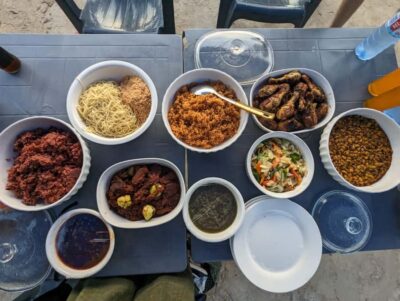
Browse the lists this tour appears in