
Reviewed · CITY TOURS
Accra: City Highlights Half-day Guided Tour with Transfers
Accra’s story comes into focus through the people who shaped modern Africa. This half-day tour links Kwame Nkrumah’s independence movement with W.E.B. Du Bois’s Pan-African work, then brings you to Black Star Square, where Ghana’s national story was proclaimed in stone and open space.
I like the hotel pick-up and included entrance fees, which make a five-hour city introduction easy to manage. I also like the mix of museums, public monuments, and a working craft market. The main caution is the market: if you only want to browse, say so firmly, since the sales pitch can become tiring.
Key points to know before you book
- Ghana’s independence is the central theme: The Kwame Nkrumah Museum and Black Star Square explain how the Gold Coast became independent Ghana.
- Pan-African ideas get a personal setting: The W.E.B. Du Bois Centre includes his library, museum, mausoleum, and former home.
- The craft market is for shopping as much as looking: Kente cloth, beads, carvings, and accessories are sold from many stalls.
- Five hours gives you a useful first look: You cover several major sights without giving up a full day.
- Transport and admissions are covered: Hotel pick-up, drop-off, fuel, guide support, and listed entrance fees are included.
- Guide quality matters: Gian has led the tour and was described as friendly, prepared, and helpful, though the amount of explanation can vary.
Why this five-hour Accra route works
Accra can feel scattered when you first arrive. Major sights sit across different parts of the capital, and a short stay does not leave much room for wrong turns or long waits. This tour gives you a fixed route and a driver, so you can concentrate on the meaning of the places rather than the mechanics of reaching them.
The experience lasts about five hours. That is long enough to cover four distinct stops, but short enough to fit around other plans. I would consider it a useful first-day outing, especially if you want an introduction before choosing where to spend more time on your own.
The route is also more than a checklist of monuments. It follows a clear idea: Ghana’s independence, Africa’s political awakening, the role of Pan-African thinkers, and the way national identity is presented today. That gives the stops a natural order.
Your English-speaking guide is expected to explain the sites and support you throughout the route. One guide named Gian has been praised for being friendly, prepared, and helpful. Still, do not assume every guide will give a long talk at every stop. Be ready to ask questions, particularly if you want more detail about political history.
A few more Accra trips to weigh up
- Half-Day Private History Tour in Nkyinkyim Museum
★ 5.0 · 9 reviews - Half-day Accra Guided Tour
★ 4.5 · 8 reviews - Half-day Accra Safari Tour
★ 4.5 · 6 reviews
Starting with Kwame Nkrumah’s independence story
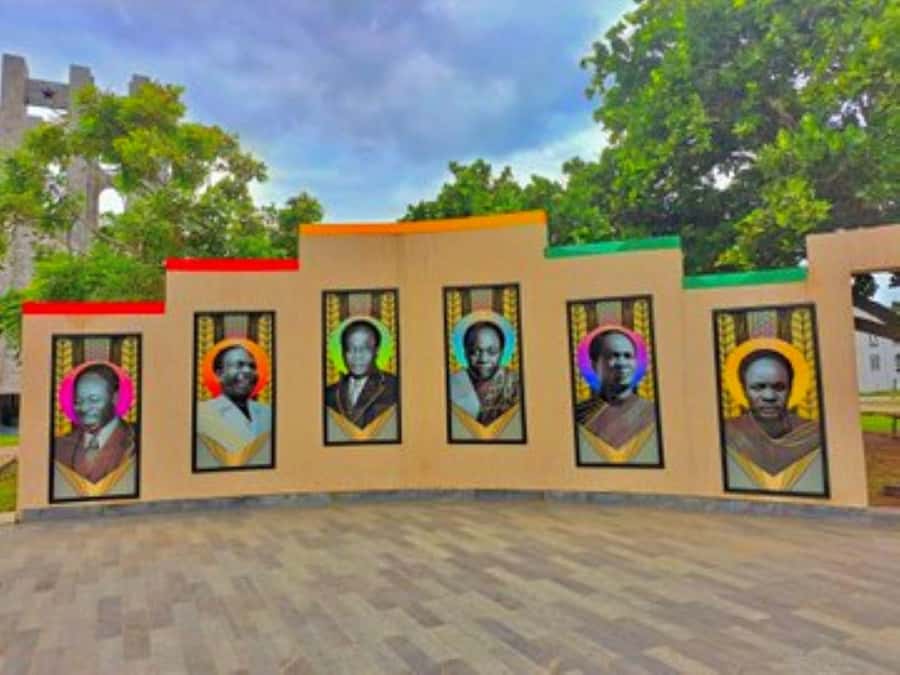
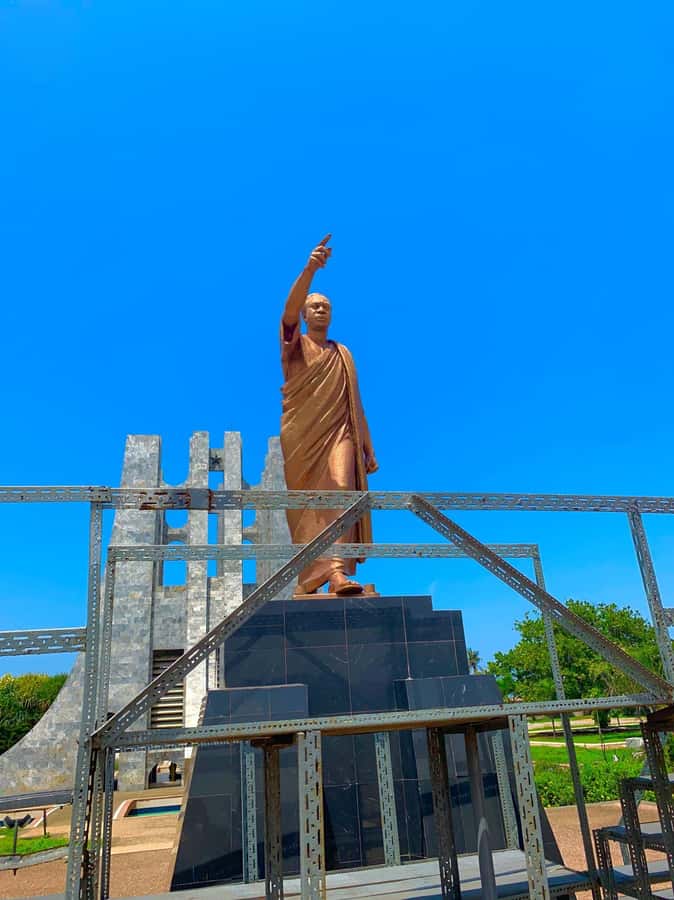
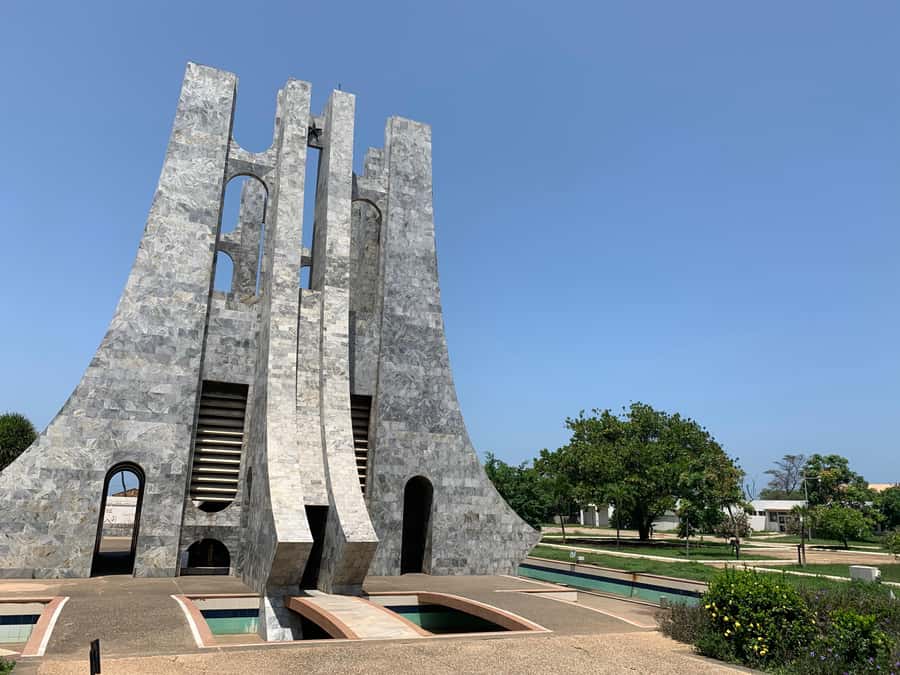
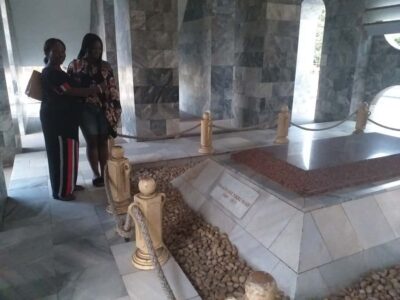
The Kwame Nkrumah Museum and Memorial Park is the emotional center of the tour. It is the final resting place of Ghana’s first president, Osagyefo Dr. Kwame Nkrumah, the leader associated with the end of colonial rule in the Gold Coast.
The grounds also mark the place where Nkrumah declared Ghana independent. That detail gives the visit weight. You are not simply looking at a political museum. You are standing at a location tied directly to the birth of the modern Ghanaian state.
Inside, the museum presents Nkrumah’s personal effects, publications, photographs, and material from different points in his life. The displays also connect him with well-known figures from around the world. I find this kind of collection useful because it puts a face and a working life behind the famous name.
Expect a compact historical visit rather than an all-day museum study. The value comes from the combination of objects, photographs, and the site itself. If your guide explains how Nkrumah’s ideas connected Ghana’s independence to liberation movements elsewhere in Africa, this stop can become the foundation for the rest of the tour.
Ask about the independence declaration, Nkrumah’s role as Ghana’s first president, and the meaning of the memorial setting. A few direct questions can turn a quick museum stop into a much better history lesson.
W.E.B. Du Bois Centre and the Pan-African connection
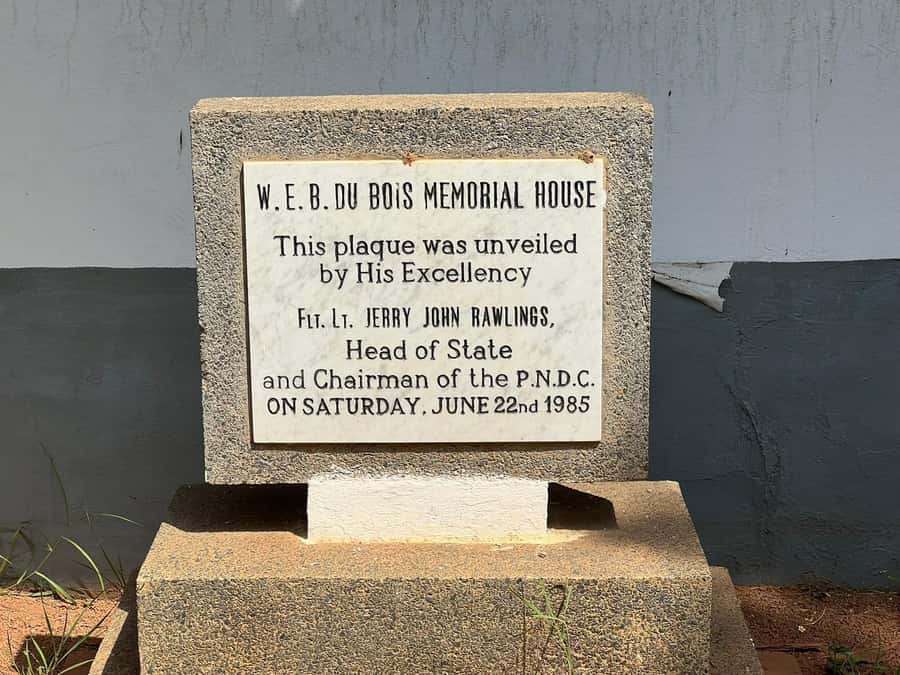
The W.E.B. Du Bois Centre gives the tour a wider international frame. William Edward Burghardt Du Bois was an American civil rights activist and a major figure in Pan-African thought. The centre is named for him and was once his home with his wife.
Here you can see his personal library, museum displays, and mausoleum. The site also serves as a research centre for Pan-African history and culture. Du Bois and his wife are buried at the centre, adding a quiet, personal element to the visit.
This stop is especially useful if you know Du Bois mainly as an American civil rights figure. His connection to Ghana shows how the struggle for Black political rights crossed national borders. The tour presents Accra not only as Ghana’s capital, but also as a place tied to wider African and diaspora movements.
The centre may appeal most to visitors who enjoy political history, literature, and ideas. It is less about grand public ceremony than the Independence Square stop. Take time with the library and memorial details, and ask your guide how Du Bois’s work relates to Pan-Africanism.
The amount of explanation matters here. The displays carry meaning, but a guide who gives only brief answers may leave you with a thinner understanding of why Du Bois chose to live in Ghana. If this subject interests you, make it clear that you want context, not only directions from room to room.
Black Star Square and the public face of independence
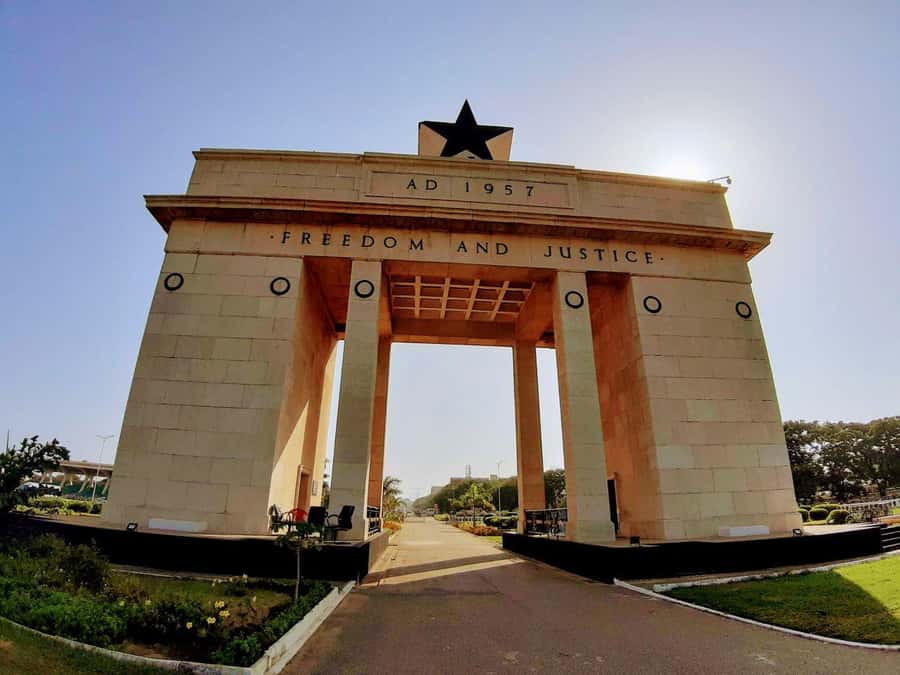
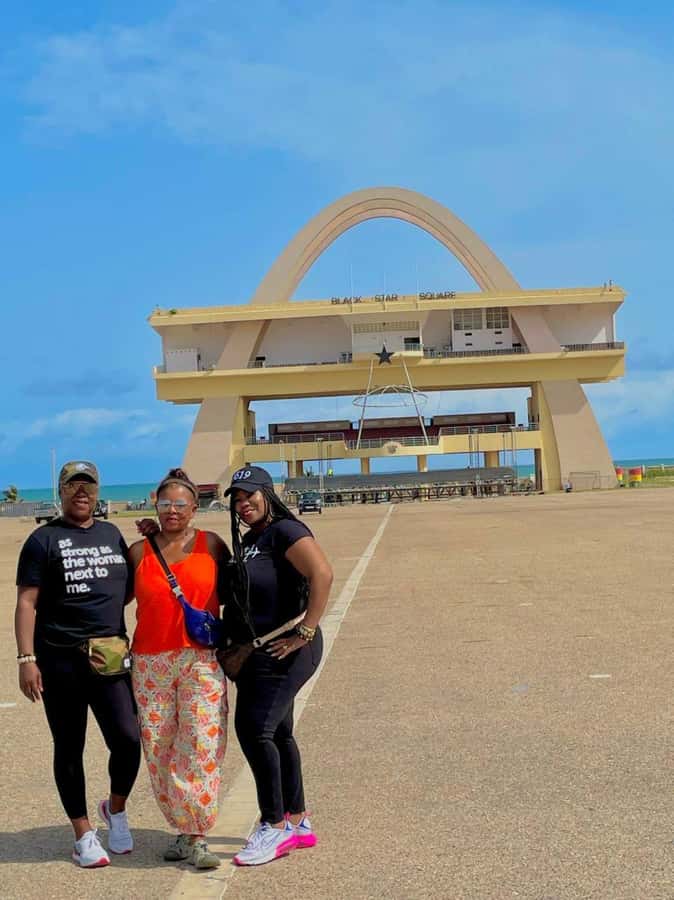
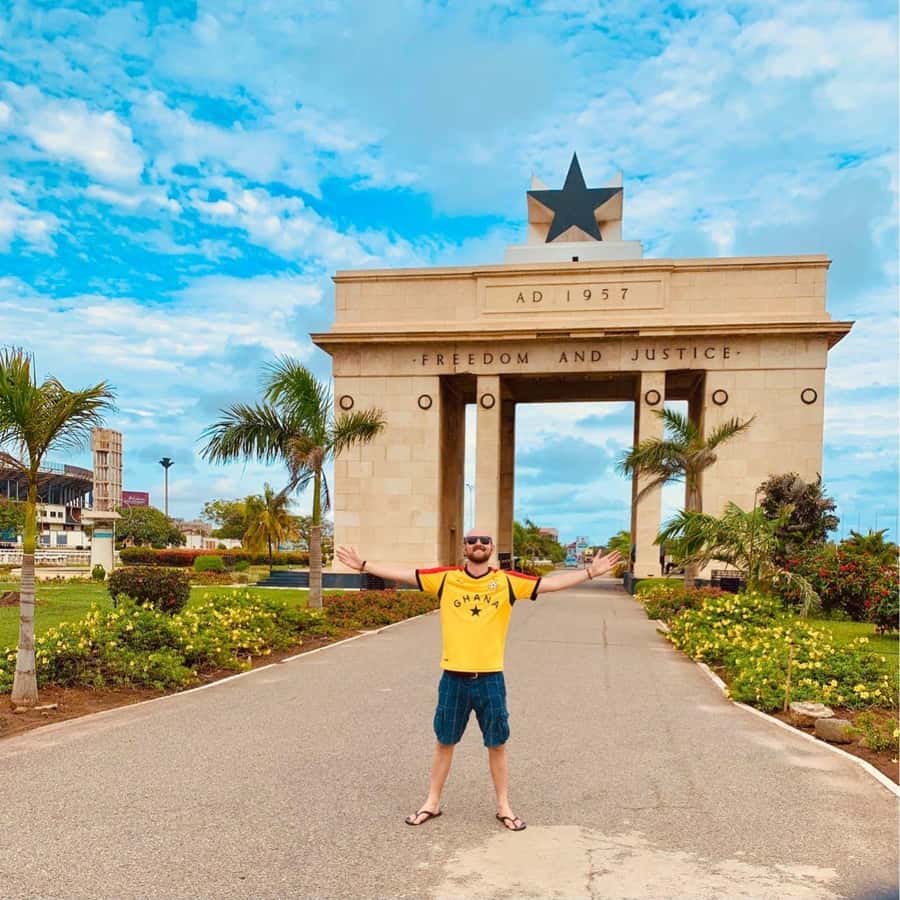
Black Star Square, also called Independence Square, gives you Accra’s biggest symbolic setting. The broad public space is overlooked by stands that can hold about 30,000 people. It is used for major national and commercial events.
The square was built by Kwame Nkrumah to mark Ghana’s independence and promote national unity and self-reliance. It was commissioned during Queen Elizabeth II’s visit to Ghana in 1961. That connection helps explain the scale of the site. This is a ceremonial space designed to show a new nation speaking for itself.
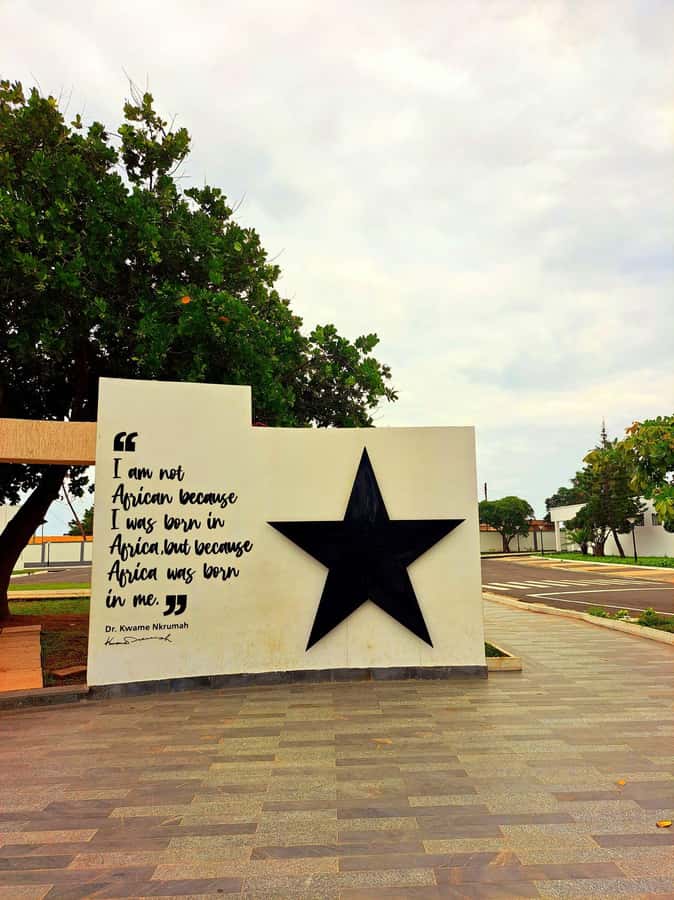
Look for the Independence Arch, the Flame of Liberation, and the Black Star Monument. Each feature adds to the message of sovereignty and national purpose. The open scale can be striking, though the square is not a museum with a long sequence of indoor exhibits. Much of the experience comes from understanding what the space represents.
I would listen carefully here, then take a moment to look around without rushing. Compare the formal architecture with the personal objects seen at the Nkrumah Museum. One stop shows the leader and his life. This one shows how a government chose to present independence to the public.
The square is also a good place to ask about national events and how the site is used today. Since it hosts large gatherings, the feel of the visit may depend on what is happening in the city at the time. The core monuments remain the point of the stop.
Same coastline, a completely different kind of day:
- The Cape Coast Day Tour
★ 5.0 · 525 reviews - Experience the Beauty, History and the Culture Of Accra in a Day
★ 5.0 · 323 reviews - The Cape Coast Tour
★ 5.0 · 177 reviews - From Accra: Cape Coast, Elmina Castle & Kakum Park Day Tour
★ 4.6 · 144 reviews
The Ghanaian Arts and Craft Market
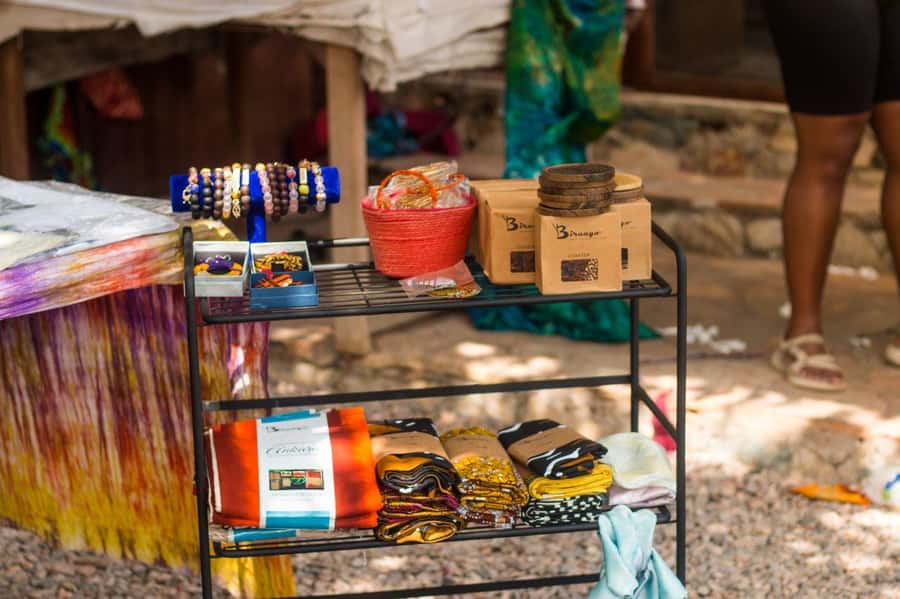
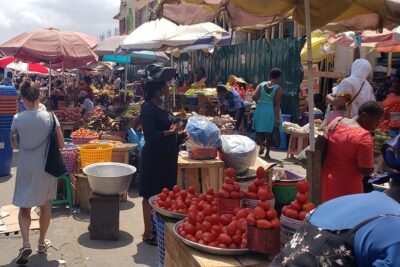
The final major stop shifts from political history to everyday commerce. The arts and craft market is made up of community stalls selling items linked to Ghanaian culture, including kente cloth, beads, carvings, and other accessories.
You can move from stall to stall, compare similar pieces, and choose a memento. Having several sellers offering related goods gives you a chance to look at differences in color, finish, size, and price. It also means you should not feel pressured to buy from the first stall you visit.
The market is not a quiet gallery. Vendors actively try to persuade you to consider their goods, especially when nearby stalls sell similar items. If you enjoy bargaining and shopping, this can be a lively finish. If you only want photographs or a calm look, it may feel uncomfortable.
My practical advice is simple: tell your guide before entering that you want to browse only, if that is your plan. Repeat it politely to vendors. One recent experience found the selling pressure annoying after making that preference clear, so this is the part of the tour where expectations matter most.
If you do want to shop, inspect the item carefully and compare several stalls before deciding. Kente cloth, beadwork, and carvings can make meaningful reminders of Ghana, but the market gives you a buying opportunity, not a formal lesson in how every item is made. Keep your focus on finding something you genuinely like.
Transport, timing, and what the price covers
The cost is $100 per person for five hours. That is not the cheapest way to see Accra, but the price includes transportation, fuel, hotel pick-up and drop-off, guide support, entrance fees, and the activities listed on the route.
That bundled cost matters. If you hired separate transport and paid individual admissions, you would still need to arrange the route and handle the driving. For a first visit, the convenience can make the price reasonable, especially if you value a fixed half-day plan.
The tour does not include meals, accommodation, or international airfare. Sightseeing outside the listed route is also not covered. Do not assume lunch is part of the experience. One recent outing included a restaurant with mainly Western food, so if a meal stop is discussed, ask what is included and what kind of menu to expect.
The five-hour length is a useful compromise. You get a broad introduction without committing a full day to museums and monuments. It also leaves time for another activity, rest, or independent exploration. Exact starting times depend on availability, so check the schedule before planning the rest of your day.
Hotel pick-up and drop-off remove one of the biggest practical problems in a short city visit. You do not need to find the meeting point or work out a return route after shopping. The experience is wheelchair accessible, which adds flexibility for visitors who need that feature.
The guide can make or break the history lesson
A city tour like this depends heavily on the guide. The buildings and memorials provide the setting, but the guide connects Nkrumah, Du Bois, Ghanaian independence, and Pan-Africanism into one understandable story.
Gian has been specifically described as friendly, prepared, and helpful, with only a minor delay at the start. Another outing had a punctual and pleasant driver, which is good news for a five-hour plan where wasted time quickly affects the final stop.
At the same time, you should not expect the same level of detail from every guide. One account found that information was offered mainly in response to questions. I recommend preparing a few questions in advance:
- How did Nkrumah connect Ghana’s independence with liberation elsewhere in Africa?
- Why did Du Bois spend his final years in Ghana?
- What do the Flame of Liberation and Black Star Monument represent?
- How is Black Star Square used for national events today?
These questions are easy to ask and help you get more from each stop. The tour is best when you treat it as a conversation rather than a silent ride between attractions.
Who will get the most from this Accra tour
I would recommend this experience to a first-time visitor who wants the main historical sights covered in one morning or afternoon. It also suits solo visitors. One person specifically found the experience worthwhile when taking it alone, and hotel transfers make solo planning simpler.
It is a good match for anyone interested in:
- Ghana’s independence and Nkrumah’s political legacy
- Pan-African history and the African diaspora
- W.E.B. Du Bois and civil rights
- Public monuments and national symbolism
- Ghanaian textiles, beads, carvings, and souvenirs
You may want something else if you prefer a slow, unplanned city walk or a food-focused tour. The route is built around museums, monuments, transport, and shopping. It will not give you a broad look at every side of Accra.
You should also think carefully about the craft market. Shoppers will likely enjoy comparing goods and buying gifts. People who dislike bargaining or repeated sales approaches may prefer to keep that stop brief.
How to prepare for a better half-day
Wear comfortable clothing and shoes for moving between museum areas, memorial grounds, the square, and market stalls. The tour includes transport, but you will still spend time on your feet at the sights.
Bring questions about Nkrumah and Du Bois. The tour covers important subjects, but the depth of the explanation may depend on how much you ask. If you want a stronger history lesson, tell the guide at the start.
Set a clear shopping budget before reaching the market. Compare items at several stalls, and do not feel obliged to buy because a vendor has spent time speaking with you. You can appreciate the craft without purchasing every piece that catches your eye.
Keep the meal policy in mind. Food is not included, and any restaurant stop should be treated as separate from the tour cost. Ask early if you need lunch arranged, and do not assume the menu will focus on Ghanaian dishes.
The booking terms also make planning easier. You can cancel up to 24 hours before the start for a full refund, and you can reserve now while paying later. Those policies are useful if your Accra schedule is still changing.
Should you book this Accra city tour?
Book it if you want an efficient introduction to Ghana’s capital, especially its independence story and Pan-African connections. The strongest parts are the Nkrumah Museum, the W.E.B. Du Bois Centre, and Black Star Square, with hotel transfers and admission fees making the $100 cost easier to assess.
Go in with realistic expectations. Guide commentary may be brief unless you ask questions, and the craft market can involve firm selling. If you want to shop, it is a useful final stop. If you only want to look, set that boundary early.
For a first visit, a solo outing, or a short stay, I think the tour is a sensible way to get your bearings. It gives you the key political landmarks in five hours, then leaves you free to explore Accra at your own pace.
FAQ
How long does the Accra city tour last?
The tour lasts five hours.
What sights are included?
The route includes the W.E.B. Du Bois Centre, Kwame Nkrumah Museum and Memorial Park, the Ghanaian Arts and Craft Market, and Black Star Square, also called Independence Square.
Is hotel transportation included?
Yes. Hotel pick-up and drop-off are included, along with transportation and fuel charges.
Are entrance fees included?
Yes. Entrance fees and the cost of activities listed in the route are included.
What language does the guide speak?
The live guide service is in English.
Are meals included?
No. Meals are not included in the tour price.
Is the tour wheelchair accessible?
Yes, the activity is listed as wheelchair accessible.
Can I cancel the booking for a refund?
You can cancel up to 24 hours in advance for a full refund. You can also reserve now and pay later.
Just added around Accra
- Visit Aburi Garden, Tetteh Quarshie Cocoa Farm & Waterfall★ 4.0 · 4 reviews
- Historical Day Tour to Cape Coast, Elmina and Kakum★ 5.0 · 3 reviews
- Private Airport Transfer to from ACC Kotoka by Business Car★ 5.0 · 4 reviews
- Private Slave Castles and Dungeons Tour in Cape Coast, Ghana★ 5.0 · 3 reviews
- Local Ghanaian Food Tasting Tours★ 5.0 · 3 reviews
- Historical tour in Cape Coast Ghana★ 5.0 · 3 reviews
- The Door Of No Return/ Dungeon & cape Coast Castle★ 5.0 · 4 reviews
- Cape Coast Castle and Kakum National Park 2-Day Private Tour★ 5.0 · 3 reviews
City Tours, compared.

Escape Accra City to Aburi Gardens and Tetteh Quarshie Cocoa Farms
Read our review →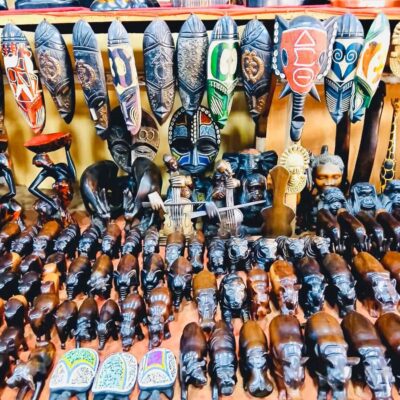
Browse the lists this tour appears in