
Reviewed · CITY TOURS
Accra Guided City Tour Experience
Accra’s story is best understood through its landmarks, and this tour puts the major chapters in one day: independence at Black Star Square, Pan-African thought at the W.E.B. Du Bois Center, local trade at Makola Market, and Ghanaian art at the Center for National Culture. It is a solid first look at the city, especially if you have limited time.
I like the way the tour connects politics, culture, and daily life instead of taking you only to monuments. I also like the practical help at Makola Market, where guides such as Michael, Eben, and Thompson have helped visitors bargain, stay oriented, and take photos. The main consideration is the pace. Six hours is a lot of ground to cover, and traffic can affect both the pickup time and the length of the day.
Key points to know before booking
- Start early at 7:00 AM: The early pickup is meant to reduce the effect of Accra traffic, though the exact time can change with road conditions and your pickup location.
- Six major stops: You visit Kwame Nkrumah Memorial Park, Makola Market, Independence Square, the Center for National Culture, the W.E.B. Du Bois Center, and the Ghana National Museum.
- Strong guide element: Guides including Emmanuel, Michael, Thompson, Eben, Fred, Peter, and Godfred have been praised for clear explanations, patience, photography, and market assistance.
- Comfortable transport: Hotel pickup and drop-off, bottled water, air conditioning, and WiFi are included.
- Bring cash: You will have chances to buy textiles, clothing, food, electronics, sculptures, and other local goods.
- Lunch is not included: Plan for the possibility of buying food yourself, as the schedule can be full and one review specifically wished for a food stop.
Why this tour works as an Accra introduction
At $45 per person, this is priced as a practical orientation tour rather than a private luxury outing. You get transportation between several parts of Accra, an English-speaking guide, entry costs for the listed activities, water, hotel pickup and drop-off, and WiFi in the vehicle.
That bundle matters in Accra. You are not arranging separate rides to six sites, working out museum hours on your own, or trying to understand the city from isolated visits. The guide gives the stops a shared thread, linking Ghana’s independence, its wider African identity, and the ordinary commercial life you see at the market.
The tour also works well for solo visitors. One reviewer specifically described it as a good way to meet people, and the shared vehicle makes the day more social than hiring a car alone. At the same time, the group format means you will have less control over how long you spend at each place.
The provider advertises a six-hour experience, with pickup beginning around 7:00 AM because traffic can be heavy. Exact timings may shift because of weather, road conditions, pickup locations, or the pace of the group. I would keep the rest of your day flexible rather than booking a fixed appointment soon after the advertised return time.
A few more Accra trips to weigh up
- Accra Guided City Tour Experience
★ 5.0 · 76 reviews - Accra: Guided City Tour with Lunch
★ 4.5 · 40 reviews - Private Aburi Hill Guided Tour
★ 5.0 · 34 reviews
Kwame Nkrumah Memorial Park: Ghana’s independence begins here
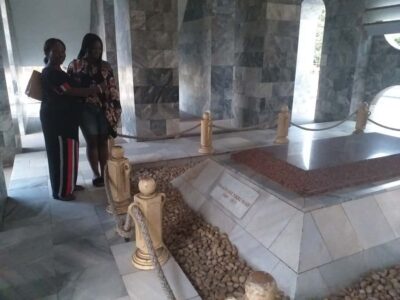
The first major stop is Kwame Nkrumah Memorial Park, dedicated to Dr. Kwame Nkrumah, Ghana’s first president and one of the central figures in the country’s independence movement. You see his mausoleum, a museum, and a bronze statue set within landscaped grounds.
This is an important opening stop because it gives the rest of the tour a political frame. Ghana gained independence in 1957, and Nkrumah’s role helps explain why independence sites appear so prominently across Accra. Your guide can connect the memorial’s objects and symbols to the country’s political development.
The park also offers a change of pace from the roads. After the early ride, the gardens give you room to walk and take photographs. Visitors who enjoy monuments, national history, and presidential memorials will likely want time here.
Do not expect the park alone to explain every part of Ghana’s past. It focuses on Nkrumah and independence, so listen closely to the guide for context. The tour becomes stronger because the later stops broaden the picture beyond one leader.
Makola Market: the tour’s most direct look at daily Accra
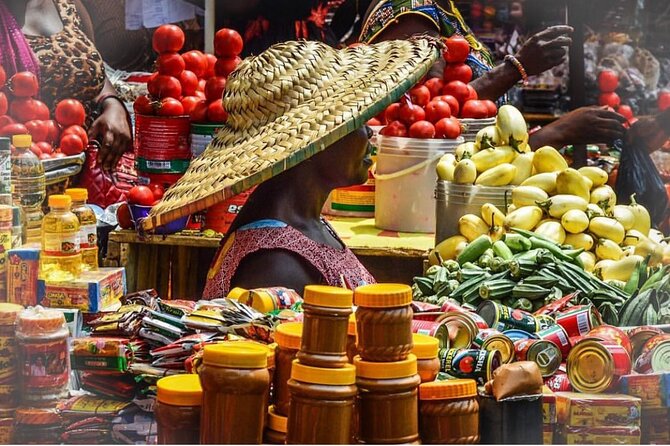
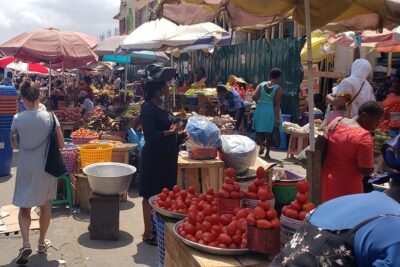
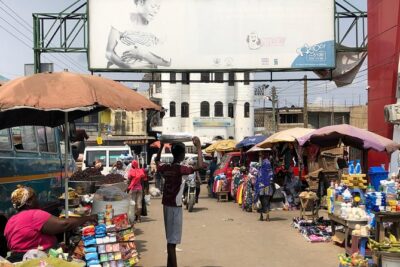
Makola Market brings you into the working center of Accra’s trade. Stalls and shops sell textiles, clothing, food, electronics, and other goods. This is not a quiet museum visit. It is a chance to see how commerce, negotiation, movement, and social contact shape everyday city life.
I consider this one of the most useful stops because it asks you to engage with Accra rather than simply look at it. Your guide can help you find your way through the market and may assist with bargaining. Several guides, including Michael and Eben, received special praise for helping visitors negotiate fair prices.
Bring small amounts of cash and decide before arriving how much you really want to buy. It is easy to get caught up in the energy of the market, especially when you see textiles or clothing that you will not find at home. The tour information specifically advises carrying cash for purchases.
Makola is also where you should pay attention to your belongings and your pace. The group will need to stay together, and you may not have unlimited time to compare every item. If shopping is your main goal, a separate market visit would give you more freedom. On this tour, the point is to see the market as part of Accra’s daily life, with shopping as an added benefit.
Black Star Square and Independence Square
Independence Square, also called Black Star Square, is one of Accra’s major public symbols. The Black Star Gate and Independence Arch mark Ghana’s break from colonial rule, while the open square looks toward the Atlantic Ocean.
This stop pairs naturally with Kwame Nkrumah Memorial Park. At the park, you focus on the leader and the independence movement. Here, the scale of the public space helps you understand how national ceremonies and public memory are presented.
The square is more about setting, symbols, and explanation than a long indoor visit. Your guide’s commentary matters, especially if you want to understand the meaning of the Black Star and the date of independence in 1957. You should also allow a little time for photographs, since the open space and monuments make clear images possible.
The weather can be hot, and there may be limited shade in the square. Wear light clothing, bring water, and use the bottled water provided. This is one reason the air-conditioned vehicle is valuable between stops.
Same coastline, a completely different kind of day:
- The Cape Coast Day Tour
★ 5.0 · 525 reviews - Experience the Beauty, History and the Culture Of Accra in a Day
★ 5.0 · 323 reviews - The Cape Coast Tour
★ 5.0 · 177 reviews - From Accra: Cape Coast, Elmina Castle & Kakum Park Day Tour
★ 4.6 · 144 reviews
Center for National Culture: Ghanaian arts and shopping
The Center for National Culture shifts the focus from politics to Ghanaian creative work. You can browse sculptures, textiles, and crafts, and the schedule may include cultural performances that show elements of Ghana’s heritage.
This is a useful place to buy a physical reminder of the trip. Textiles and carved works can help you remember the visit in a way that a photograph cannot. Prices may be negotiable, so ask your guide for help if you are unsure how to handle a purchase.
The center is also a good place to ask questions about materials, patterns, and the use of local craft traditions. You may find that the shopping element takes more or less time depending on your interests and the day’s schedule.
Keep in mind that the tour includes the cost of activities on the planned route, but it does not cover personal purchases. The souvenirs are extra, and cash is the safest option according to the tour information.
W.E.B. Du Bois Center: a wider Pan-African connection
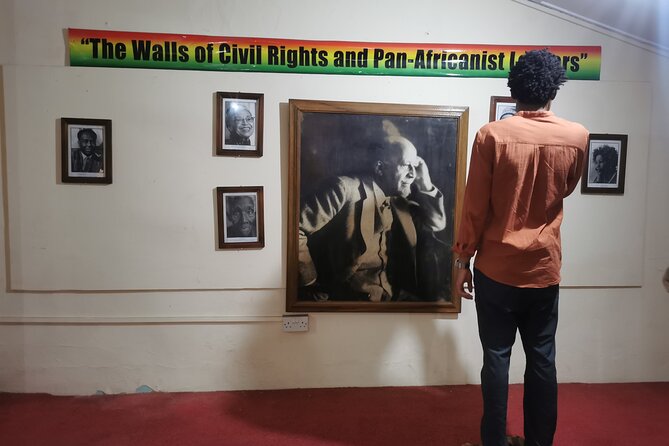
The W.E.B. Du Bois Center adds an international dimension to the day. You visit the mausoleum of the American scholar and civil rights thinker, along with a museum devoted to his work and ideas about Pan-Africanism and African unity.
This stop can be especially meaningful if you are interested in the links between Ghana, African independence movements, and the African diaspora. Du Bois’s connection to Ghana shows that the country’s story was never isolated from wider debates about race, colonialism, identity, and unity.
The center is smaller in scope than a national museum, but that focus is its strength. You can concentrate on one person and the political ideas surrounding him. One visitor found the discussion of Du Bois’s life, struggles, and Ghanaian nationality especially memorable, which points to the kind of detail a good guide can add.
Ask questions here. The subject is not always familiar to every visitor, and the guide’s explanation can make the displays easier to place in the wider day. This is also a stop where respectful behavior matters. Do not touch exhibits, and follow instructions around the mausoleum and museum displays.
Ghana National Museum: ending with the broadest view
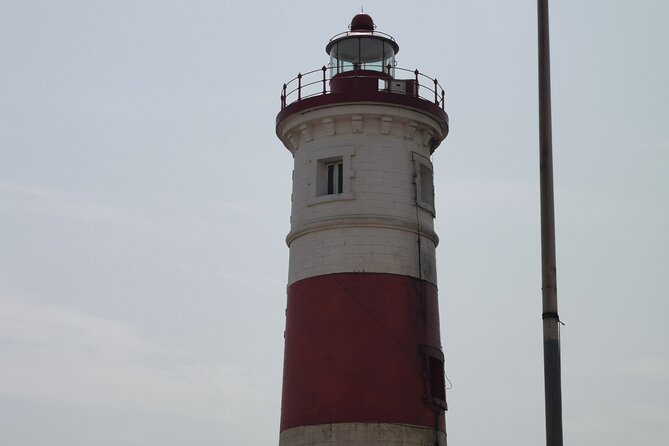
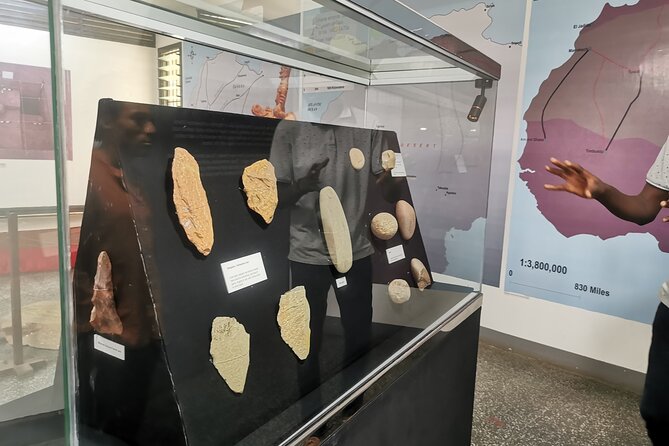
The Ghana National Museum is scheduled as the final stop and offers the widest look at the country’s cultural past. Its collections include art, archaeological material, and objects connected to Ghana from pre-colonial times onward.
Ending here makes sense. The earlier stops focus on particular people, events, and public symbols. The museum gives you a broader frame for the country’s societies, artistic traditions, and material culture.
If you are most interested in archaeology or museum collections, you may wish the tour allowed more time here. The day already includes several stops, and traffic can put pressure on the schedule. Still, the museum is valuable because it keeps the tour from becoming only a story about modern independence.
As at the other museums, do not touch the exhibits. Take notes if you want to remember names and dates, since the tour covers a lot of information in a short period.
Guides make the difference
The guide is the strongest part of this experience. Names that appear repeatedly in the feedback include Emmanuel, Michael, Thompson, Eben, Fred, Peter, Godfred, Thomas, and Derrick. That does not guarantee a particular guide on your date, but it gives you an idea of the team’s strengths.
The most useful guide qualities are not just facts. You want someone who can explain the landmarks clearly, answer questions, keep the group moving, help at Makola Market, and make you comfortable asking for photographs or clarification.
Specific guides have been praised for different personal touches. Thompson has been described as punctual and helpful with photos. Michael has helped with bargaining and even coached a visitor in Twi. Eben has been praised for his care at Makola Market and for taking pictures. Emmanuel has been noted for his detailed explanations, friendly manner, and professional organization.
Several people also appreciated guides who took photos during the day. That is particularly useful for solo visitors, though you should still bring your own phone or camera for the moments you want to capture yourself.
Transport, WiFi, and the reality of the schedule
The vehicle is air-conditioned, and that is not a minor perk in Accra. You will move between outdoor sites, market streets, and museums, so having a cool place to recover between stops makes the day more comfortable.
Hotel pickup and drop-off are included, with Accra listed as both the pickup area and return point. WiFi is available on board, letting you share updates while you ride. Bottled water is included too.
The main logistical challenge is traffic. The 7:00 AM pickup is designed to help, but traffic, weather, road conditions, and the location of your hotel can alter the start or return time. One person reported a communication issue about tour times that was later resolved, so check the confirmed pickup details carefully before the morning of your tour.
The day is packed. One review described spending the whole day visiting the sites, even though the advertised duration is six hours. That may reflect traffic, group timing, or the time needed at each location. I would treat six hours as the planned duration, not a promise that you will be back at the exact minute.
Food, comfort, and what to pack
Lunch is not included. A review specifically suggested adding a food stop around midday, and another found lunch less satisfying than the rest of the experience. Since the route is full, do not assume you will have a long restaurant break.
Eat before pickup and carry cash in case food becomes available during the day. The supplied water helps, but it is still sensible to bring any snacks you need.
Wear comfortable clothing and shoes suitable for walking through museums, public squares, gardens, and a market. Sun protection is useful at the outdoor sites. Avoid bringing alcohol, drugs, or explosive substances, and remember that touching exhibits is not allowed.
The experience is not recommended for pregnant women, people with back problems, or people over 95. Those limits reflect the vehicle travel, walking, heat, and full schedule.
Is $45 good value?
For $45, the tour offers a lot of coverage. You are paying for six hours, hotel transport, a dedicated English-speaking guide, an air-conditioned vehicle, WiFi, water, and activity costs at the listed stops. If you would otherwise need several separate taxi rides and entrance payments, the price is sensible.
The value is strongest for a first visit, a short stay, or a solo trip. You get a useful map of the city and a basic understanding of Ghana’s independence, public figures, arts, museums, and commerce in one outing.
The value is less clear if you prefer slow travel. You may want longer at the Ghana National Museum, more time to shop at Makola Market, or a relaxed lunch. In that case, this is a good starting point, followed by your own return visits to the places that interest you most.
The overall rating is 4.7 from 88 reviews, with especially strong praise for the guides, transport, organization, and educational content. The recurring weaknesses are the lack of included lunch and occasional confusion around timing.
Should you book the Accra Guided City Tour?
I would book this tour if you want a broad, guided introduction to Accra and do not want to organize transport between major sights yourself. It is particularly suitable for first-time visitors, solo visitors, short-stay visitors, and anyone who wants historical explanation rather than sightseeing without context.
I would think twice if your priority is an unhurried market visit, a long museum session, or a food-focused day. The route covers a lot, and traffic can stretch the timetable.
Book with a flexible afternoon, confirm your pickup time, eat beforehand, and carry cash. If you receive a guide such as Emmanuel, Michael, Thompson, Eben, Fred, or Peter, expect the personal guidance, photography, and market help that have made this tour so popular. For a single day in Accra, it is a practical and worthwhile introduction.
FAQ
How long does the Accra Guided City Tour last?
The planned duration is six hours. Traffic, road conditions, weather, pickup locations, and the pace of the day can affect the exact timing.
What time is pickup?
Pickup is listed for 7:00 AM because an early start helps with Accra traffic. The exact pickup time may change depending on your hotel and current road conditions.
Where does the tour begin and end?
Pickup and drop-off are provided in Accra. The tour starts in Accra and returns to Accra.
What places are included?
The route includes Kwame Nkrumah Memorial Park, Makola Market, Independence Square and Black Star Square, the Center for National Culture, the W.E.B. Du Bois Center, and the Ghana National Museum.
Is hotel pickup included?
Yes. Hotel pickup and drop-off are included.
Is lunch included?
No. Lunch is not included, so eat before pickup and bring cash in case you need to buy food during the day.
Is the tour conducted in English?
Yes. The live tour guide language is English.
Does the vehicle have air conditioning and WiFi?
Yes. The vehicle is air-conditioned, and WiFi is available on board.
Should I bring cash?
Yes. Cash is recommended for local purchases at Makola Market, the Center for National Culture, and other attractions.
Can I cancel for a full refund?
You can cancel up to 24 hours in advance for a full refund. The reserve-now-and-pay-later option lets you book without paying immediately.
Just added around Accra
- Visit Aburi Garden, Tetteh Quarshie Cocoa Farm & Waterfall★ 4.0 · 4 reviews
- Historical Day Tour to Cape Coast, Elmina and Kakum★ 5.0 · 3 reviews
- Private Airport Transfer to from ACC Kotoka by Business Car★ 5.0 · 4 reviews
- Private Slave Castles and Dungeons Tour in Cape Coast, Ghana★ 5.0 · 3 reviews
- Local Ghanaian Food Tasting Tours★ 5.0 · 3 reviews
- Historical tour in Cape Coast Ghana★ 5.0 · 3 reviews
- The Door Of No Return/ Dungeon & cape Coast Castle★ 5.0 · 4 reviews
- Half Day Accra City Sightseeing Tour With Guide★ 5.0 · 3 reviews
City Tours, compared.

Escape Accra City to Aburi Gardens and Tetteh Quarshie Cocoa Farms
Read our review →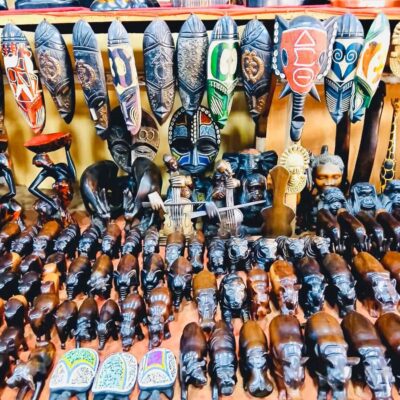
Browse the lists this tour appears in