
Reviewed · HISTORICAL TOURS
7-Day Private Cultural and Heritage Tour in Ghana
Ghana’s story comes alive on this private seven-day journey from Accra through the Volta and Ashanti regions to Cape Coast. You move from independence landmarks and Pan-African history to Kente cloth, Adinkra symbols, royal traditions, slave-trade memorials, and tropical forest.
I like the hands-on cultural stops, especially making an Adinkra textile strip and watching Kente being woven. I also like the practical setup: airport pickup, a private air-conditioned vehicle, hotels, six breakfasts, entrance fees, and a certified guide are included.
The main drawback is the pace. You cover a large part of southern Ghana in seven days, so some days include long drives and short visits. Optional ceremonies, boat rides, drinks, meals, and some evening activities cost extra.
Key points at a glance
- A private route from Accra to Kumasi and Cape Coast: Your group travels alone with a guide and driver, allowing some room for questions and adjustments.
- Real craft experiences: Watch Kente weaving in Adanwomase and stamp your own Adinkra cloth in Ntonso.
- Powerful heritage sites: The Kwame Nkrumah Memorial Park, Manhyia Palace Museum, Assin Manso, and Cape Coast Castle give the trip serious historical weight.
- Good range of scenery: The program includes the Volta River, Adomi Bridge, Aburi Botanical Gardens, coastal roads, and Kakum National Park.
- Strong arrival and departure support: Pickup at Kotoka International Airport and drop-off at the airport or another designated location are included.
- A good fit for culture-focused visitors: This is best for you if you prefer a planned, private trip over arranging several hotels, drivers, and entry tickets yourself.
Starting in Accra with an akwaaba welcome
Your first day is intentionally light. A representative meets you at Kotoka International Airport at a pre-arranged time, then takes you by air-conditioned vehicle for an akwaaba, or welcome, refreshment. If your arrival schedule allows, you receive a short orientation to Accra before going to the hotel.
That gentle start matters. International arrivals can be tiring, and having someone meet you at the airport removes the first major chore of a Ghana trip. You can collect your luggage, settle into the vehicle, and begin learning your bearings without negotiating transport on your own.
The itinerary lists Accra Mall as the first stop, but this is not presented as a major sightseeing visit. Think of Day 1 as a transfer and rest day. If you arrive early, ask what kind of city orientation is possible. If you land late, getting to the hotel and preparing for the next morning is the sensible choice.
Timeh Tours has used guides including Timothy Dadgie, JoJo, Eric, Mike Amuzu, and Adams. Your assigned guide may differ, but the personal nature of the service is central to the experience. A private guide can explain local customs, help with timing, and make the route feel less like a string of scheduled stops.
A few more Accra trips to weigh up
- Experience the Beauty, History and the Culture Of Accra in a Day
★ 5.0 · 323 reviews - Ghana Heritage Tours – Beyond The Return
★ 5.0 · 36 reviews - 10 Days Ghana Cultural and Heritage Trip
★ 5.0 · 31 reviews
Accra’s independence story and evening on Oxford Street
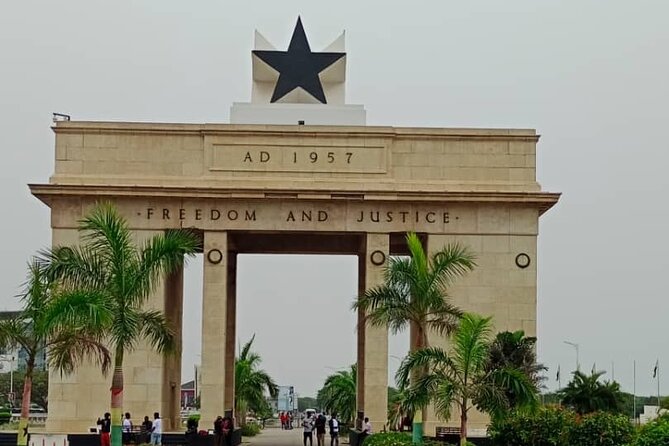
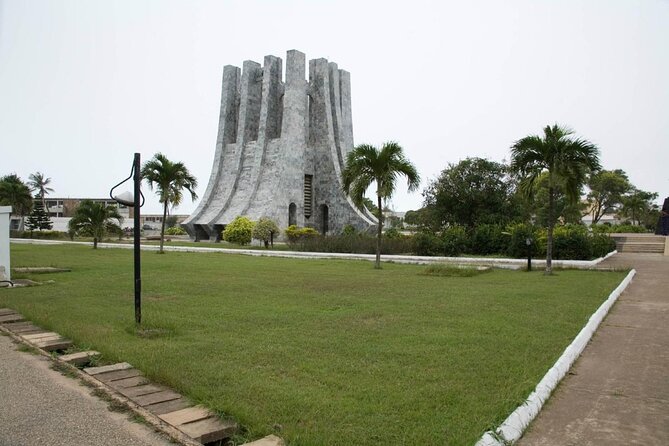
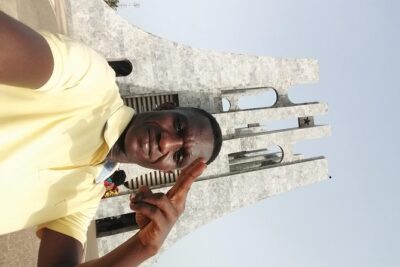
Day 2 begins at the Kwame Nkrumah Memorial Park. The monument and memorial grounds focus on Ghana’s independence and the leadership of Kwame Nkrumah, a key figure in the country’s modern political story. You then continue to Independence Square, another major national landmark.
The scheduled visit is about an hour, so expect a focused introduction rather than a slow museum morning. I would pay close attention to your guide here. The value is not only in seeing the monument, but in understanding how Ghana’s independence fits into the wider African independence movement.
The Arts Center offers a different mood. You can browse local products, practice bargaining, and take a drumming lesson. Shopping here can be enjoyable, but go with a clear budget and patience. A private guide is useful when you want help understanding prices, choosing a meaningful craft, or moving on when you have seen enough.
The W.E.B. Du Bois Center adds a Pan-African chapter to the day. Its connection to Du Bois makes it especially relevant for anyone interested in Black intellectual history, civil rights, and the links between Africa and the wider African Diaspora.
The final stop is Oxford Street, where you can experience Accra after dark at your own expense. This is the least structured part of the tour, which is a plus if you want a taste of city nightlife. It is also one of the places where your bill can grow, since evening food, drinks, and entertainment are not included.
Aburi, beads, and the wide Volta River
Day 3 takes you east from Accra toward the Volta region. You stop at the Aburi craft market before reaching Aburi Botanical Gardens. The garden visit offers a slower hour after the city touring, with scenic views and the option to rent bicycles for a more relaxed ride.
The program describes Aburi as one of Ghana’s most beautiful gardens, but the appeal here is best understood as a change of pace. You get fresh air, greenery, and a chance to stretch your legs. If you want to cycle, confirm the rental details and available time with your guide rather than assuming a long ride is included.
A bead workshop follows. This is a useful stop because it connects a finished souvenir with the work behind it. You can look at handcrafted beads, ask about the process, and choose something with a clearer sense of its origin than you might get from a generic shop.
The route then reaches the Volta River and Adomi Bridge, Ghana’s only steel arch bridge according to the tour description. The bridge makes a memorable photo stop, while the river gives the day its calm center.
A canoe ride is available on the river. A motorboat ride costs extra. The canoe is the quieter option and better suited to taking in the surroundings; the motorboat is for a faster, more energetic outing. Neither should be treated as included, so budget accordingly.
You spend the night at a nearby resort. Day 3 is appealing because it mixes craft, gardens, water, and engineering without trying to turn every stop into a lecture. Still, the one-hour schedule at each listed point means you should expect highlights rather than extended exploration.
From the Volta to Ashanti craft villages
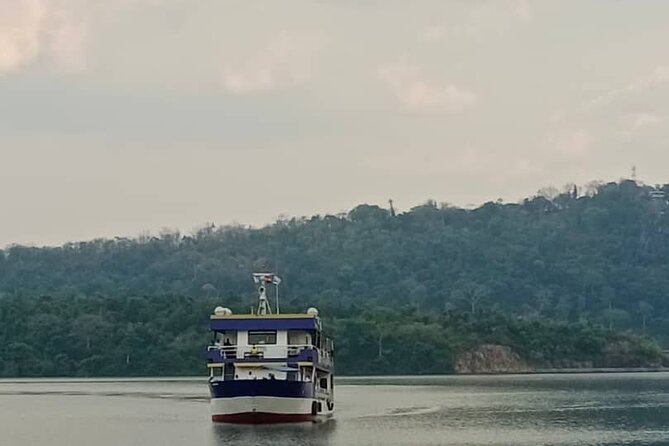
Day 4 starts beside the Volta River, with time to relax or swim while watching local fishermen bring in their early catch. This is one of the few pauses built into the itinerary, and I would protect it. Seven days of touring can become tiring, so a quiet hour by the water is not wasted time.
The long move toward the Ashanti Kingdom then begins. In Adanwomase, you see authentic Ghanaian Kente being woven. This is one of the strongest stops on the entire trip because the cloth is not simply displayed as a finished product. You see the skill and patience behind its patterns.
An optional Naming Ceremony at the chief’s palace can be arranged for an additional fee. The ceremony includes drumming, dancing, and the chance to wear Kente cloth. This could be a meaningful addition if you want a more participatory cultural event, but ask about the exact cost, timing, and what participation involves before agreeing.
In Ntonso, you get a direct creative activity: stamping your own textile strip with Adinkra symbols. Each symbol carries a meaning or value, and you choose the styles that speak to you. The finished strip becomes a personal souvenir, not just another item bought from a shop.
This is the kind of activity I value most on a culture-focused trip. You leave with a better sense of how symbols communicate ideas, and you have something tied to the place and the day.
The final stop is Ahwiaa, known for woodcarving shops and traditional sculptures. You can browse the work of local artisans before continuing to your Kumasi hotel. As with the Arts Center, shopping is part of the experience, but not every item will suit every budget or suitcase. Keep your spending plan in mind.
Same coastline, a completely different kind of day:
- The Cape Coast Day Tour
★ 5.0 · 525 reviews - The Cape Coast Tour
★ 5.0 · 177 reviews - From Accra: Cape Coast, Elmina Castle & Kakum Park Day Tour
★ 4.6 · 144 reviews - Accra Detailed City Tour
★ 4.5 · 118 reviews
Kumasi’s royal center and Kejetia Market
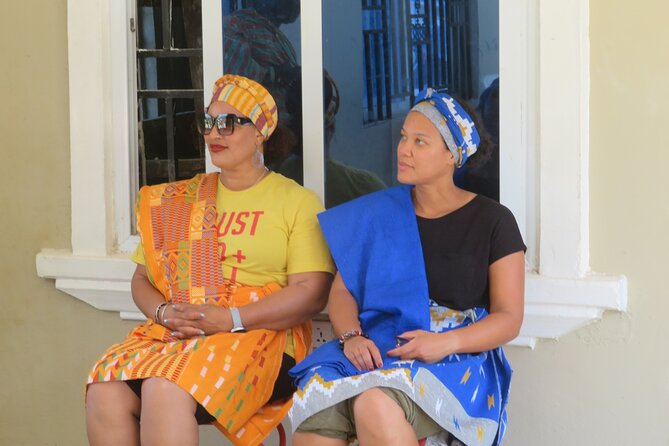
Day 5 opens at Manhyia Palace Museum, once the residence of the Ashanti King. The visit introduces royal traditions, governance, and the place of the Ashanti Kingdom in Ghana’s past and present.
The palace stop is important because it gives context to the craft villages from the previous day. Kente, Adinkra symbols, royal customs, and Ashanti identity are not separate subjects. Your guide can help connect them, so ask questions rather than rushing through the grounds.
Next comes the National Cultural Center, described as one of Ghana’s finest museums. Its collection of cultural objects gives you a wider national frame after the more focused palace visit. The Komfo Anokye sword is a notable point of interest, tied to Ashanti history and folklore.
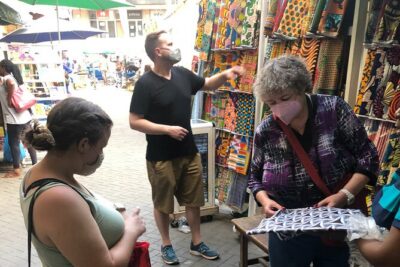
Kejetia Market ends the day. It is known as West Africa’s largest outdoor market, and it is likely to feel intense, crowded, and full of movement. You will find crafts, local goods, fresh produce, and countless stalls. Wear comfortable shoes, keep valuables secure, and stay close enough to your guide to regroup easily.
The market is not a polished attraction, and that is part of its value. It gives you a glimpse of everyday commerce rather than a staged cultural display. It can also be tiring, particularly after the palace and museum. The itinerary wisely leaves the rest of the day for rest.
Assin Manso and the difficult history of Cape Coast
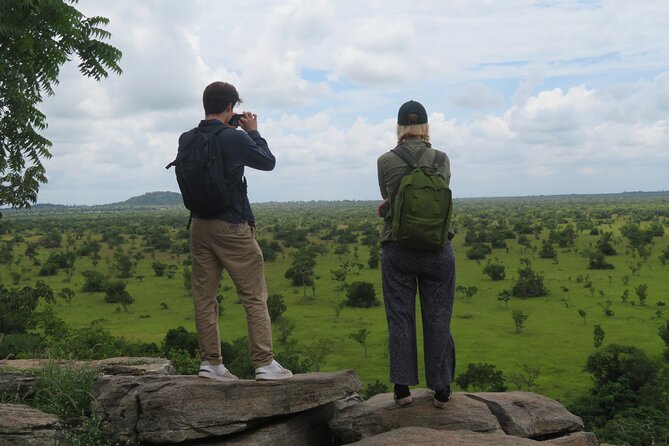
Day 6 is the emotional center of the tour. At Assin Manso Ancestral Slave River Park, you learn about a site connected to the transatlantic slave trade, including a former slave cemetery and market.
This visit asks for attention and quiet. The stop is not simply another landmark to photograph. It provides a setting for thinking about the people who were captured, sold, forced to travel, and separated from their homes and families.
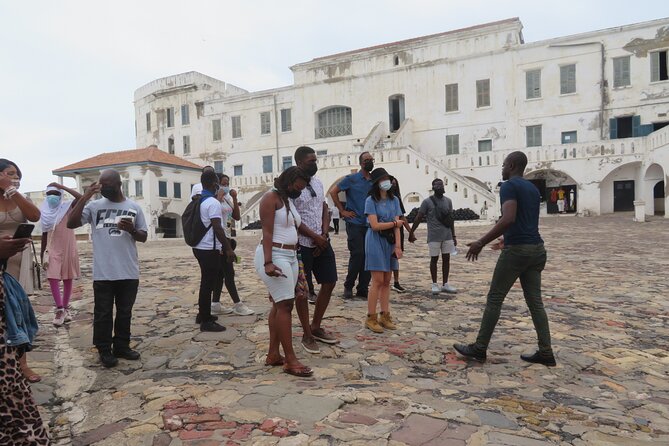
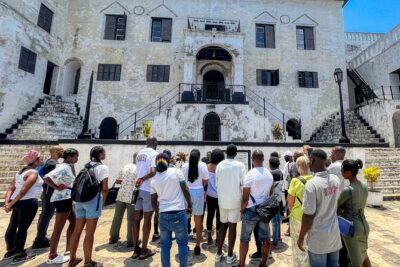
Cape Coast Castle brings that history into sharper focus. You visit the former slave dungeons and learn about the castle’s role in the slave trade and its importance to the African Diaspora. The experience can be heavy, so do not schedule a carefree evening in your head. Give yourself room to process what you have seen.
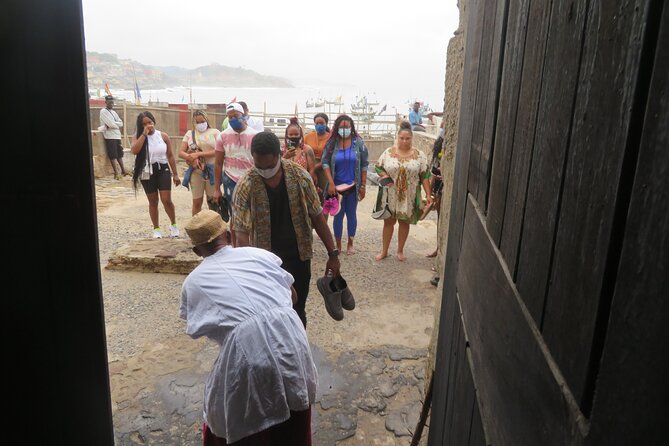
For an additional fee, you can take part in a Door of Return ceremony. It symbolizes a return to the motherland after the forced departure of enslaved Africans. This may carry special meaning if you are visiting Ghana as part of a personal heritage journey, but the symbolism is personal, not automatic. Take part only if it feels right for you.
An evening cultural performance is also optional and costs extra. You may join the dancing and drumming, including time on stage. That offers a change of mood after Cape Coast Castle, though it can feel like a sharp shift on the same day. I would ask your guide about the schedule so you know how much time you have for reflection before the performance.
Kakum’s canopy walkway and the return to Accra
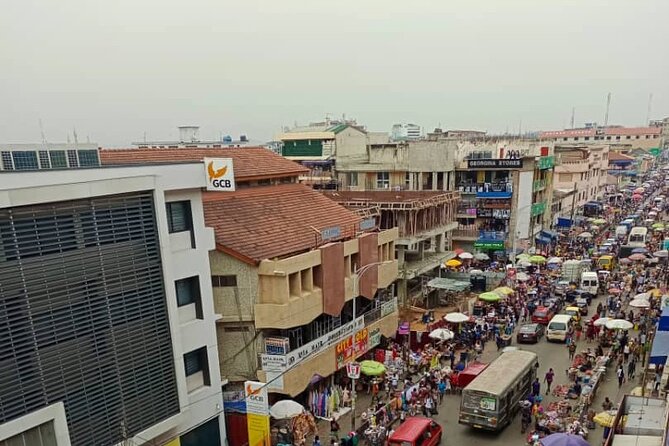
The final day takes you to Kakum National Park, one of Ghana’s best-known attractions. The park protects tropical forest and offers a canopy walkway, along with birdwatching opportunities.
The visit is scheduled for about an hour. That should be enough for a brisk experience, but it may feel short if you want to linger in the forest or spend serious time looking for birds. Bring comfortable shoes and be ready for a moderately active morning. The tour requires a moderate level of physical fitness, and the canopy walkway is not a passive sightseeing stop.
After Kakum, the route turns toward Accra with a stop in Mankessim to see one of the region’s remaining Posuban shrines. The stop adds a religious and artistic note to the coastal drive and breaks up the final transfer.
The planned airport drop-off is two hours before your flight. This is useful, but you should confirm the timing with the operator based on your flight and the day’s road conditions. You can also be dropped at another designated location, according to the arrangements.
What the $1,998.95 price covers
At $1,998.95 per person, this is not a shoestring tour. Its value depends heavily on whether you want convenience and a private vehicle more than the lowest possible price.
The package includes accommodations, an air-conditioned vehicle, a certified guide, entrance fees, six breakfasts, office support around the clock, and the guide and driver’s meals and lodging. Those inclusions remove several costs that are easy to underestimate when you plan a multi-city Ghana route yourself.
Your own meals are not included, apart from breakfast, and neither are alcoholic or non-alcoholic drinks. International flights, travel insurance, and immunizations are also separate. Add money for lunch, dinner, bottled drinks, market purchases, the motorboat, the Naming Ceremony, the Door of Return ceremony, and the evening performance.
The private format is especially useful for solo visitors, couples, families, and small groups who want direct support. A solo booking may still feel expensive, but the service includes the same vehicle, guide, hotel planning, and transfers that make independent arrangements time-consuming.
Comfort, pace, and practical details
The air-conditioned vehicle is more than a luxury in Ghana’s warm climate. It gives you a clean, cool place to recover between stops, especially on the longer drives toward Kumasi and Cape Coast. One of the strongest practical features is having the same organized support from airport arrival through departure.
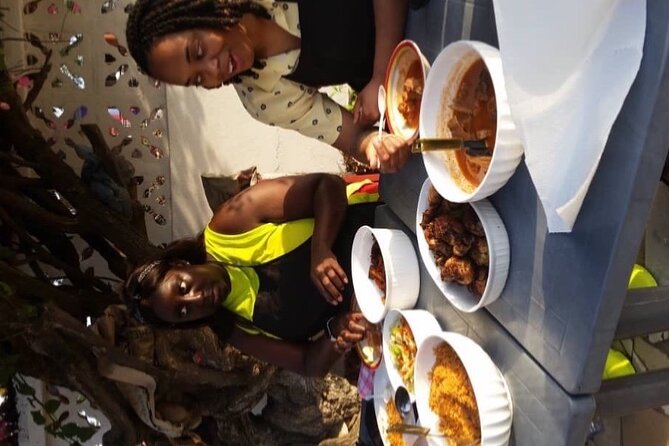
Past bookings have included clean hotels with breakfast, well-maintained vehicles, gentle driving, and local food such as jollof rice, chicken soup, and fried yam. Meals outside breakfast are not part of the package, but you should ask your guide for suggestions if you want to try local dishes.
The schedule is busy. Most listed visits last about an hour, with a two-hour Accra segment on Day 2. You will see a great deal, but you will not have unlimited time at any one site. If a particular subject matters most to you, tell the company before arrival and ask where the schedule can be adjusted.
The tour operates as a private activity for your group alone. Confirmation is provided at booking, service animals are allowed, and the meeting information lists operation from 6:00 AM to 10:30 PM Monday through Friday during the stated period. Free cancellation is available up to 24 hours before the start time. Within 24 hours, the payment is not refunded, and poor weather may lead to a new date or full refund.
Who should book this Ghana tour?
I would choose this trip if I wanted Ghana’s major heritage sites without managing intercity transport, hotels, guides, and entry fees on my own. It suits you if your priorities are culture, history, craft traditions, and personal support rather than beaches or wildlife alone.
It is also a good choice for a first visit, a heritage-focused trip, or a meaningful return to Ghana. The strongest days are the ones in which you do something or meet a living tradition: weaving in Adanwomase, stamping Adinkra cloth in Ntonso, browsing Kejetia, and sharing music during an optional ceremony or performance.
I would hesitate if you dislike long drives, need a slow schedule, or want every meal and activity included in one price. You should also consider a shorter regional tour if Kakum, Cape Coast, or Kumasi matters more to you than seeing all three areas.
Should you book it?
Book this tour if you want a private, well-supported introduction to Ghana that connects national independence, Pan-African thought, Ashanti culture, craft, the slave trade, and the natural world. The route is broad, the support is substantial, and the hands-on activities give the week more substance than a simple sightseeing circuit.
Before paying, confirm the hotel standards, exact daily driving times, optional activity prices, and your preferred guide. If you accept the busy pace and set aside money for meals and extras, this is a strong way to see a wide slice of southern Ghana in one carefully arranged week.
FAQ
Is airport pickup included?
Yes. You are met at Kotoka International Airport at a pre-arranged time, and airport drop-off is also provided at the end of the tour.
Is this a private tour?
Yes. Only your group participates in the private tour or activity.
What meals are included?
Six breakfasts are included. Your other meals and alcoholic or non-alcoholic drinks are not included.
Are hotels included?
Yes. Accommodations are included in the tour price.
Are entrance fees included?
Yes. The included package covers entrance fees for the listed attractions. The Naming Ceremony, motorboat ride, Door of Return ceremony, and evening cultural performance require additional payment.
Can I cancel for a full refund?
Yes, if you cancel at least 24 hours before the experience start time. Cancellations within 24 hours are not refunded, and changes made within that period are not accepted.
Just added around Accra
- Visit Aburi Garden, Tetteh Quarshie Cocoa Farm & Waterfall★ 4.0 · 4 reviews
- Historical Day Tour to Cape Coast, Elmina and Kakum★ 5.0 · 3 reviews
- Private Airport Transfer to from ACC Kotoka by Business Car★ 5.0 · 4 reviews
- Private Slave Castles and Dungeons Tour in Cape Coast, Ghana★ 5.0 · 3 reviews
- Local Ghanaian Food Tasting Tours★ 5.0 · 3 reviews
- Historical tour in Cape Coast Ghana★ 5.0 · 3 reviews
- The Door Of No Return/ Dungeon & cape Coast Castle★ 5.0 · 4 reviews
- Cape Coast Castle and Kakum National Park 2-Day Private Tour★ 5.0 · 3 reviews
Historical Tours, compared.
Experience the Beauty, History and the Culture Of Accra in a Day
Read our review →
Full-Day Private Culture and History Tour of Accra
Read our review →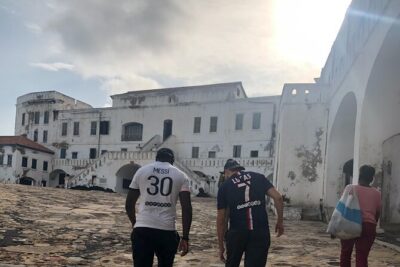
Ghana Private Historic Tour through Castles and Nature
Read our review →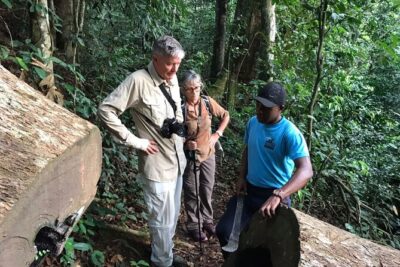
The Historic Cape Coast and Elmina Tour (The Land of History).
Read our review →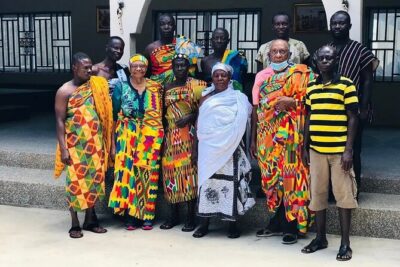
Naming Ceremony and Heritage Homecoming Experience for Diasporas
Read our review →Browse the lists this tour appears in