
Reviewed · ACCRA TOURS
7days/6nights Eco Tourism
Ghana packs a remarkable range of experiences into this seven-day trip. You move from Accra’s botanical gardens and Lake Volta to mountain villages, waterfalls, Ashanti royal sites, a meteorite lake, safari country, slave-trade landmarks, and a rainforest canopy walkway.
I like the way the tour combines wildlife and outdoor stops with serious cultural sites. I also like that the price includes meals, entrance fees, bottled water, WiFi, an air-conditioned vehicle, and private transport. The main drawback is the pace: you cover a lot of Ghana, so expect long road days and fairly short visits at some stops.
Key points to know before booking
- Seven days, six nights across Ghana: The route links Accra, Akosombo, the Volta region, Kumasi, Mole National Park, and Cape Coast.
- Private travel for your group: You travel with your own guide and driver rather than joining a large shared coach.
- Wildlife comes in several forms: You see monkeys at two sanctuaries, look for animals at Mole, and visit forests filled with birds and butterflies.
- Outdoor activity is a real part of the tour: Plan for mountain trekking, waterfall walks, caves, boat travel, and the Kakum canopy walkway.
- Many costs are covered: Breakfast, lunch, dinner, admission fees, taxes, purified bottled water, WiFi, and a Star Tours Ghana T-shirt are included.
- Your booking supports a charity: Star Tours says profits from its trips go to Future Stars Ghana, which supports more than 150 orphans and destitute children.
What this seven-day Ghana route does well
This is not a slow resort holiday. It is a broad introduction to Ghana, designed for someone who wants to see as much as possible without arranging a chain of separate transfers, guides, and tickets.
The route has a useful rhythm. You begin with gardens and a lake, then move into the Volta region for monkeys, mountains, waterfalls, and caves. Kumasi brings royal Ashanti history. Northern Ghana changes the mood with safari and Islamic architecture. The final stretch focuses on the painful history of the Atlantic slave trade, followed by forest and treetop views.
I especially like the mix of polished attractions and rural places. Manhyia Palace Museum gives you a formal introduction to the Ashanti kingdom, while Liate Wote and the cave sites offer a closer look at village settings and local traditions. The trip is not only about checking off famous places.
The practical setup helps. A private, air-conditioned vehicle matters in Ghana because the itinerary covers large distances. With a guide and driver handling the route, you can focus on the scenery and conversations instead of road directions. The included meals also make budgeting easier, though you should still allow for personal drinks, souvenirs, and any optional bicycle use.
The price is $1,980 per person. That is a serious sum, but the value depends on how much independent planning you would otherwise do. Seven days of private transport, accommodation, three meals daily, entrance fees, safari activities, boat travel, and guiding can add up quickly. The charitable purpose adds another reason to consider the cost, though you should book this for the itinerary first, not only for the donation.
A few more Accra trips to weigh up
- 7-Day Private Cultural and Heritage Tour in Ghana
★ 5.0 · 17 reviews - Private Multi-Day Ghana Tour about Culture History and Wildlife – 7 Days
★ 5.0 · 8 reviews - 7 Day Artisanal Tour
★ 5.0 · 4 reviews
Day one: Accra gardens and a boat ride at Akosombo
The trip starts at 7:00 a.m. with Legon Botanical Gardens. You spend about three hours among the gardens before continuing toward a riverside retreat in Akosombo.
This is a gentle opening to a busy week. The gardens give you room to stretch your legs and adjust to the heat before the longer drives begin. The tour description also refers to Aburi Botanical Gardens in the day-one overview, but the scheduled stop specifically names Legon Botanical Gardens. If seeing Aburi is important to you, confirm the exact plan before departure.
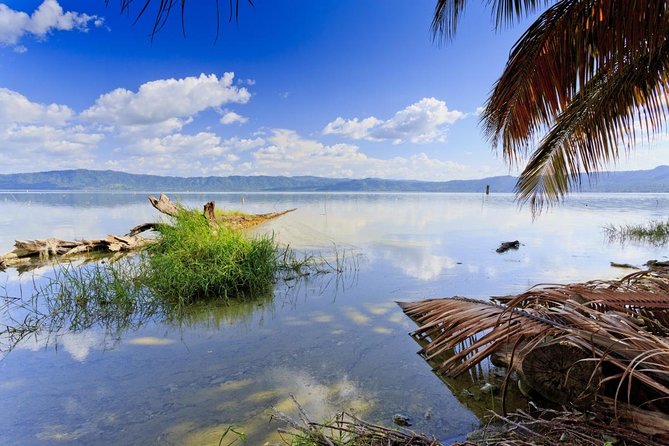
At Sajuna Beach Club, you have about an hour for a boat ride on Akosombo Lake. The stop is brief, but it breaks up the transfer and gives you a first look at one of Ghana’s major inland waterways. The setting should appeal to you if you prefer a bit of open air and water time early in a trip.
Do not expect day one to feel like a full holiday at the beach. The boat ride is one part of a travel day, and the main value is the change of pace between garden paths, road travel, and the lake.
Day two: monkeys, Mount Afadjato, and Wli Waterfalls
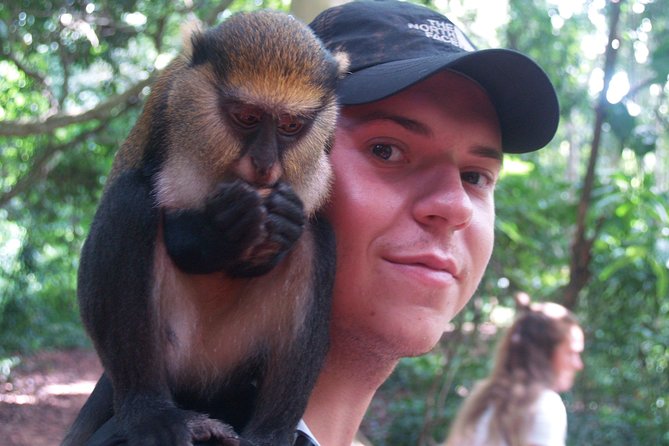
The second major day takes you into the Volta region, beginning at Tafi Atome Monkey Sanctuary and Cultural Village. You have about two hours to observe, feed, and interact with monkeys in their natural setting.
This stop works best when you pay attention to the sanctuary’s conservation and village setting rather than treating it as a quick animal photograph. The chance to see monkeys close up gives the day an easy, playful start, but you should still follow the guide’s instructions when feeding or approaching them.
The route then continues toward Liate Wote, a remote village linked with the climb up Mount Afadjato, described as Ghana’s highest mountain. The visit includes trekking through remote villages and a climb lasting about three hours. This is one of the more active parts of the tour, so sturdy shoes and a willingness to walk uphill are important.
The itinerary uses both Mount Afadja and Mount Afadjato, names that refer to the same mountain area. The stop is not simply a viewpoint from the vehicle. You are expected to walk, and the heat can make the climb feel harder than its listed duration suggests.
Wli Waterfalls follows, with about three hours for the hike and waterfall visit. Wli is described as Ghana’s highest waterfall and the tallest in West Africa. The lower and upper falls give you a choice of how ambitious to be, although the schedule does not specify exactly which route is included.
I like this day because the activities feel connected: village paths, a mountain, and a waterfall. The drawback is obvious. After a three-hour climb, another three-hour waterfall stop can leave you tired, especially in warm weather. This is not the best choice if you want a low-effort holiday.
Day three: Likpe caves and the Ashanti royal story
An early visit to the six Likpe caves introduces the history of the area before the journey to Kumasi. You have roughly two hours at the caves, and the stop adds a different kind of adventure to the itinerary.
Caves are valuable here because they connect natural features with local history. The description notes that the visit is intended to teach you the story of the caves, not just show you rock formations. Expect uneven ground and a more rustic setting than the formal museums later in the day.
In Kumasi, Manhyia Palace Museum gives you an hour to learn about the Asantehene and the Ashanti kingdom. This is an important cultural stop because it provides context for the region’s royal structure and political past. A guide makes a difference here, since the palace is more meaningful when you understand the people and events behind the displays.
The Okomfo Anokye Sword Site follows for another hour. The mysterious sword is tied to Ashanti tradition, and the visit works as a second chapter to the palace. Together, the two sites give you a clearer picture of Ashanti identity than either stop would on its own.
The day ends at Lake Bosumtwi, Ghana’s only natural lake, formed by a meteorite strike. You have about an hour to relax and take in the views. The name is translated as Antelope God, a detail that hints at the lake’s place in local belief.
This is a history-heavy day, but the lake provides a welcome quiet finish. The main issue is time. Four stops plus the journey from the Volta region to Kumasi make for a full day, and the one-hour visits are introductions rather than long explorations.
Same coastline, a completely different kind of day:
- The Cape Coast Day Tour
★ 5.0 · 525 reviews - Experience the Beauty, History and the Culture Of Accra in a Day
★ 5.0 · 323 reviews - The Cape Coast Tour
★ 5.0 · 177 reviews - From Accra: Cape Coast, Elmina Castle & Kakum Park Day Tour
★ 4.6 · 144 reviews
Day four: Bobiri forest, butterflies, and sacred caves
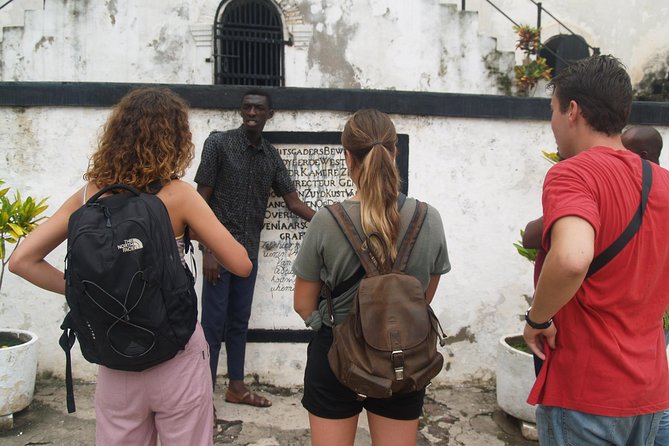
Bobiri Forest Reserve and Butterfly Reserve receives about two hours. The focus is on forest, butterflies, and time outdoors after the museums and royal sites of the day before.
I like the shift in subject. You are not only looking at Ghana’s past in buildings and monuments. You are seeing protected natural areas and the smaller details of the forest. The tour information highlights butterflies and forest exploration, so bring patience if you enjoy watching wildlife rather than rushing from one viewpoint to another.
Boabeng Fiema Monkey Sanctuary is another two-hour stop. It is home to more than 700 Geoffrey’s Pied Colobus and Campbell Mona monkeys, along with caves and a natural setting. Since you have already visited Tafi Atome, you get a useful comparison between two sanctuaries rather than a single brief wildlife encounter.
The second sanctuary is not just a repeat. Different monkey species and settings give the day more variety, and the caves add a cultural element. You will likely enjoy this most if animals and conservation are central reasons for choosing the trip.
Tano Sacred Grove, also called Tano Boase in the description, brings the day to a historical and spiritual setting. You explore rock formations, sacred groves, and caves where villagers sought refuge during slave raids and tribal wars.
That context makes this more than a short nature walk. The caves connect Ghana’s natural spaces with the difficult periods that shaped local communities. Allow one hour, so expect a focused visit rather than a long hike.
Day five: waterfalls, a canopy walkway, and your first safari
Kintampo Falls begins day five. The stop includes time around the waterfall, swimming beneath it, and a canopy walkway. You have about an hour, so swimming may need to be brief, and you should not assume there will be time for a long rest.
Fuller Falls provides another short forest and waterfall visit before the route continues to Mole National Park. Two waterfalls in one day can feel repetitive if you are not especially interested in nature, but they also break up another long road journey.
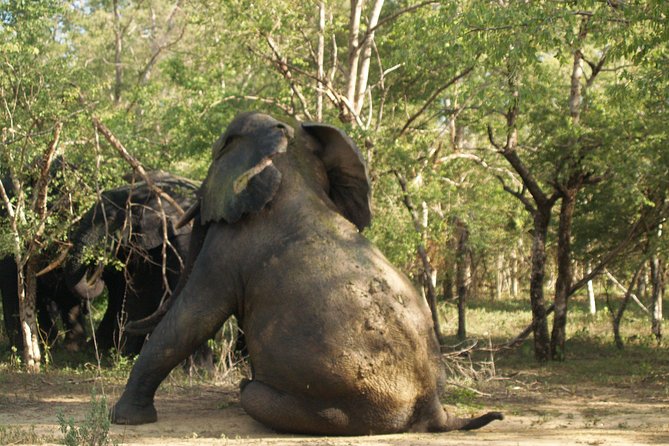
Mole is where the trip changes from cultural touring to safari. The first visit is listed at about an hour, with the goal of seeing wildlife. Since safari sightings depend on conditions and animal movement, you should approach this as a chance to look for wildlife, not a guarantee of a particular animal.
The timing is the day’s weak point. Kintampo, Fuller Falls, and Mole are all worthwhile, but each is short. I would view this as an introduction to the northern part of the country, with the main safari time arriving on day six.
Day six: two Mole safaris and Larabanga Mosque
Mole gets the early start it deserves. You take an all-terrain vehicle into the park, return by 8:00 a.m. for breakfast, and then set out again on foot through the forest.
The two formats give you different ways to experience the park. The vehicle covers more ground, while the walking safari puts you closer to the sounds and textures of the forest. The schedule lists each Mole visit as about an hour, although the morning sequence includes the drive, return for breakfast, and second expedition.
This is one of the most appealing parts of the trip for anyone who wants wildlife without giving up cultural sites. It is also the part where patience matters most. A safari is not a zoo visit, and the supplied details do not promise specific sightings.
The route then includes Larabanga Mosque, described as the oldest mosque in Ghana and one of the oldest in West Africa. Its Sudanese architectural style gives you a sharp contrast with the Ashanti palace, Christian-influenced coastal forts, and forest reserves seen elsewhere on the route.
After the mosque, you drive toward Cape Coast. This is a major transfer, so day six is not a relaxed poolside day. Still, the change from Mole to Larabanga and then to the coast gives the trip a strong sense of Ghana’s regional variety.
Day seven: Assin Manso, Cape Coast Castle, and Kakum
The final day begins at Assin Manso Ancestral Slave River Park. This site was the final link in the slavery route from northern Ghana and served as a major slave market before people were taken to Cape Coast Castle.
This visit matters because it places the coastal castles within a larger system. You first consider the inland route, then continue to the castle where captives were held before the Atlantic crossing. I recommend giving this stop your full attention. It can be emotionally difficult, but skipping the context would make the later castle visit less clear.
Cape Coast Castle receives about two hours, including a tour with local guides and time to explore. You see the dungeons, cannon-lined walkways, and other parts of the fort. The contrast between the grand exterior and the grim dungeons is central to the visit.
The castle is not light sightseeing. You should expect a serious, sobering tour. The local guides are an important part of the experience because the site needs explanation, not just photographs.
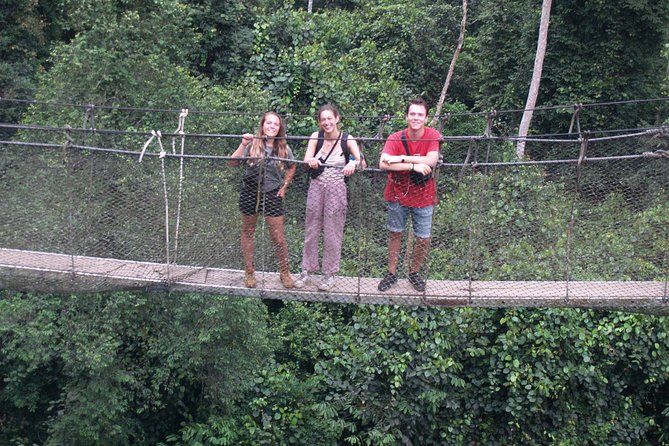
Kakum National Park follows with its famous canopy walkway, suspended 45 meters above the ground. The park is home to butterflies and birds, including African grey parrots and horn-bills. The walkway gives you treetop views and a memorable final nature stop.
The last listed stop is Fort St Jago, with the description also referring to Elmina Castle. The timing shows two minutes, which is almost certainly a scheduling error or a placeholder, so confirm the exact plan with Star Tours Ghana. The description says local guides lead tours at the castles and that you have time to explore afterward, but the available information does not clearly set out how long you spend at each site.
What the $1,980 price includes
The package includes an air-conditioned vehicle, all fees and taxes, seven breakfasts, seven lunches, and seven dinners. It also provides purified bottled water without a stated limit, free WiFi, and a Star Tours Ghana T-shirt.
Entrance fees are included across the gardens, sanctuaries, museums, waterfalls, safari activities, castles, and parks. That is useful because this itinerary contains many paid stops. You do not need to keep calculating admission costs each morning.
The tour is private, meaning only your group participates. That gives you more room to ask questions and adjust the pace within the fixed route. It also makes the per-person price more reasonable for families or small groups who would otherwise arrange private transport and guides themselves.
Bicycle use is not included. No other major exclusion is listed, but I would still budget for personal purchases and confirm accommodation details before paying. The supplied information says accommodation was comfortable and food was excellent, but it does not name the hotels or describe room arrangements.
Who will enjoy this tour most
I would choose this trip if you want a strong first look at Ghana and do not mind moving often. It suits active people who enjoy hiking, caves, waterfalls, wildlife, and long road journeys.
It is also a good fit if you care about cultural context. The Ashanti sites, Larabanga Mosque, Assin Manso, Cape Coast Castle, and Fort St Jago give the trip real depth beyond scenic stops.
Families and private groups may appreciate the flexibility and included meals. Most people can participate, according to the tour information, but the itinerary includes mountain trekking, uneven cave visits, walking safaris, and a canopy walkway. If you have mobility concerns, ask for a detailed assessment before booking.
The charitable connection may also matter to you. Star Tours Ghana directs trip profits to Future Stars Ghana, which supports more than 150 orphans and destitute children in Buduburam. That gives your holiday a social purpose, while still leaving you free to judge the tour on its transport, guiding, schedule, and value.
Booking details and cancellation
Pickup is offered, and the stated start time is 7:00 a.m. Confirmation is received when you book, and the activity is offered as a private experience for your group.
Free cancellation is available up to 24 hours before the local start time for a full refund. Cancellations or changes made within 24 hours are not refunded, and poor weather can lead to a different date or a full refund.
Final call: should you book it?
I would book this tour if your priority is seeing many sides of Ghana in one organized trip. The combination of wildlife sanctuaries, waterfalls, Ashanti culture, safari, historic mosques, slave-trade sites, and Kakum is unusually broad.
I would not book it if you want leisurely mornings, long stays in each town, or a carefully paced specialist safari. The route is ambitious, and several stops are short. Before booking, confirm the accommodation, the exact Aburi and Elmina or Fort St Jago plans, and how the listed six nights fit the seven-day schedule.
For an active first visit, the included meals, private vehicle, entry fees, and charity support make $1,980 a defensible price. Just arrive ready for early starts, long drives, warm-weather walking, and a lot of Ghana in one week.
FAQ
Where does the tour start?
The tour starts in Accra, Ghana. Pickup is offered, and the stated start time is 7:00 a.m.
How long does the experience last?
The trip lasts approximately seven days and includes six nights.
Is this a private tour?
Yes. Only your group participates in the activity.
Are meals included?
Yes. Breakfast, lunch, and dinner are included for seven days.
Is transportation included?
Yes. An air-conditioned vehicle is included.
Are entrance fees included?
Yes. All fees and taxes are included, along with admission fees for the listed attractions.
Is bottled water provided?
Yes. The tour includes unlimited purified bottled water.
Does the tour include WiFi?
Yes. Free WiFi is included.
What wildlife can I see?
The itinerary includes monkeys at Tafi Atome and Boabeng Fiema Monkey Sanctuaries, plus wildlife viewing at Mole National Park. Kakum National Park is noted for butterflies and birds, including African grey parrots and horn-bills.
Can I cancel for a full refund?
Yes. You can cancel at least 24 hours before the experience start time for a full refund. Cancellations within 24 hours are not refunded.
Just added around Accra
- Visit Aburi Garden, Tetteh Quarshie Cocoa Farm & Waterfall★ 4.0 · 4 reviews
- Historical Day Tour to Cape Coast, Elmina and Kakum★ 5.0 · 3 reviews
- Private Airport Transfer to from ACC Kotoka by Business Car★ 5.0 · 4 reviews
- Private Slave Castles and Dungeons Tour in Cape Coast, Ghana★ 5.0 · 3 reviews
- Local Ghanaian Food Tasting Tours★ 5.0 · 3 reviews
- Historical tour in Cape Coast Ghana★ 5.0 · 3 reviews
- The Door Of No Return/ Dungeon & cape Coast Castle★ 5.0 · 4 reviews
- Half Day Accra City Sightseeing Tour With Guide★ 5.0 · 3 reviews
Accra Tours, compared.
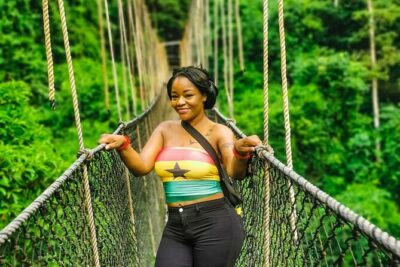
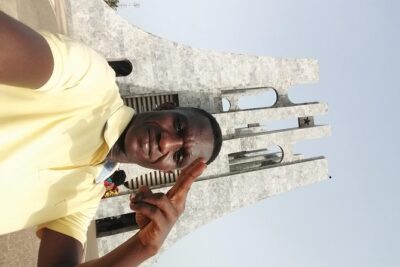
Experience the Beauty, History and the Culture Of Accra in a Day
Read our review →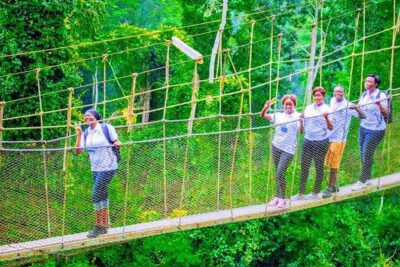
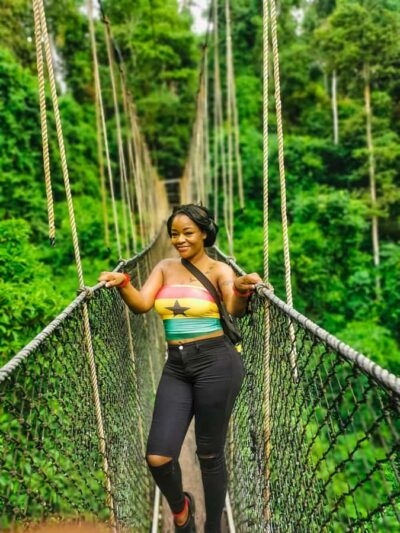
Cape Coast, Elmina Castle & Kakum Park Day Tour
Read our review →
Browse the lists this tour appears in