
Reviewed · TOURS
African custom clothing making experience with fabric tour
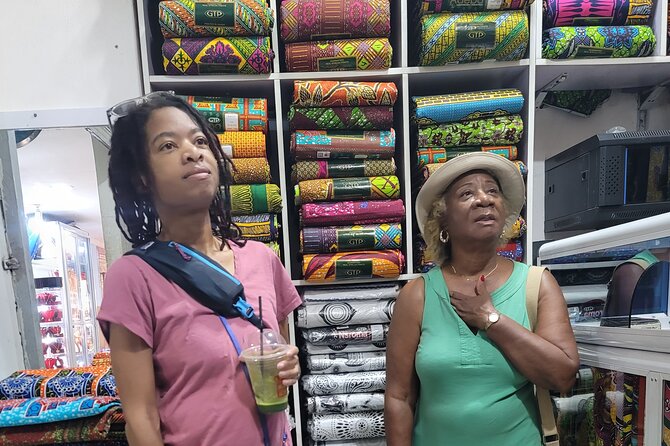
The best part of this six-hour Accra experience happens before the sewing machine starts. At Makola Market, you choose your fabric while learning how Ghanaian prints, kente styles, and their symbols carry meaning. The cloth becomes more than a souvenir once you have helped turn it into clothing.
I like the fabric tour at Makola Market, especially the chance to compare many prints instead of choosing from a small rack. I also like the practical format: you take measurements, help cut the pattern, try basic stitching, and watch the studio assistant finish the garment while you have snacks.
The main consideration is time and expectation. At $240 per person, this is not a cheap market visit or a quick sewing lesson. It is a private, full-day-style experience with transport, fabric, instruction, and one finished garment, but the exact design and finish should be discussed clearly before the work begins.
Key points to know before booking
- Makola Market comes first: You learn about Ghanaian fabrics and the meanings behind their symbols before selecting your print.
- You choose from about 100 prints: The fabric cost is included, so your main decision is the style and pattern you want to wear home.
- You take part in the making: Measuring, cutting, and basic stitching give you a hands-on role, while a studio assistant handles the final work.
- Your garment can be a dress, shirt, or caftan: Other African-print items may be possible if you ask about them in advance.
- Transport and refreshments are included: Pickup and drop-off, an air-conditioned vehicle, bottled water, soda, and snacks are part of the price.
- This is a private activity: Only your group participates, which makes it easier to discuss fit, fabric, and design.
Start at Makola Market with a lesson in Ghanaian cloth
Your meeting point is the new building at Makola Shopping Mall on Market Street in Accra. Pickup is also offered, so confirm the arrangement when you book rather than assuming you need to find the market on your own.
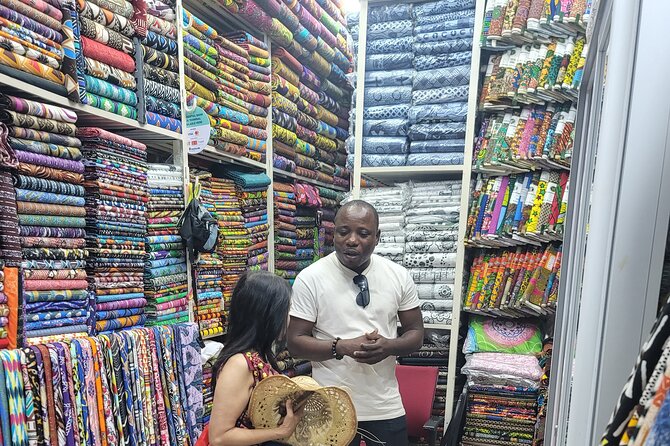
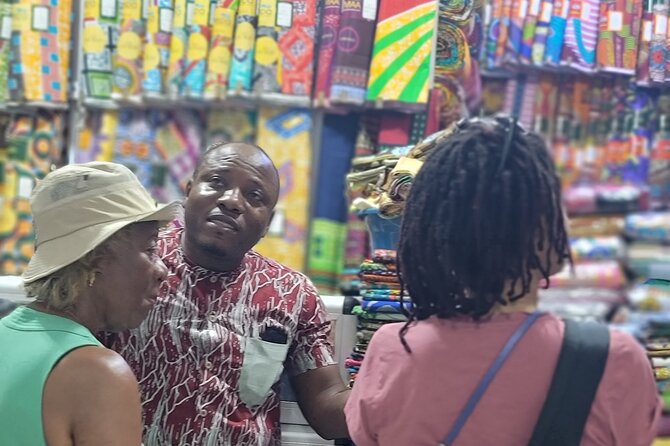
The first stage is a walk or ride to the fabric market. This is not simply a shopping stop. Your host introduces you to different types of fabric used in Ghana and explains the names and meanings of symbols printed on them.
That context gives the shopping a purpose. A pattern is not just a color choice or a fashionable design. The symbol may carry a message, and learning that meaning helps you choose cloth with more care. One particularly useful part of the experience is the introduction to different kinds of kente fabric and the symbols associated with them.
You can look through roughly 100 African prints before settling on one. That wide choice is useful, but it can also make the decision harder. If you already have an idea of the colors, sleeve length, neckline, or general shape you want, bring it with you in your head or discuss it by message before the activity.
The fabric cost is included, which removes one common surprise from custom clothing experiences. Still, do not rush this step. The print will determine how the final garment feels, and a pattern that looks appealing on a folded bolt may look different once it is cut into a dress, shirt, or caftan.
Other Accra days people book alongside this one:
- The Cape Coast Day Tour
★ 5.0 · 525 reviews - Experience the Beauty, History and the Culture Of Accra in a Day
★ 5.0 · 323 reviews - The Cape Coast Tour
★ 5.0 · 177 reviews
Choosing between a dress, shirt, and caftan
The standard clothing options are a custom African-print dress, shirt, or caftan. You can also ask about another African-print item, but that possibility should be checked before you arrive.
A dress gives the fabric the largest visual role. If you choose a bold print, the cut matters. A simpler shape may let the cloth speak for itself, while a more detailed design could break up a large pattern. The experience description does not promise a particular style, so use the workshop conversation to agree on the basic shape before cutting begins.
A shirt is a practical choice if you want something easier to wear at home after your trip. It also usually uses less fabric, which may give you more flexibility with a large or striking print, though the exact result depends on the design you choose.
A caftan offers a looser form and can be a good option if you prefer comfort over a close fit. Since the activity is based on your measurements, discuss how loose or fitted you want it. This is one of the moments when clear communication matters more than trying to make a quick choice.
The experience is strongest when you treat the garment as a shared project rather than a fixed product ordered from a catalogue. You select the cloth, but the final cut and finishing depend on the conversation with the tailoring team.
Moving from measurements to a paper pattern
After the market visit, you go to the workshop. Here, the focus changes from Ghanaian fabric culture to the practical work of making clothing.
You learn how body measurements are taken for your custom wear. This is an important step because a beautiful print cannot rescue a poor fit. Pay attention as the measurements are recorded, and explain your preferences plainly. If you want more room, a shorter length, or a less fitted shape, this is the time to say so.
The next stage is cutting the pattern and fabric pieces. You participate in this process, with help from the studio assistant. Cutting is the point of no return, so it is sensible to confirm the garment type and general proportions before scissors touch the cloth.
You are not expected to arrive as a trained tailor. The activity supplies the sewing equipment and gives you training in how to use it. The emphasis is on learning the basics in a practical way, not on sending you home as an expert.
That makes the experience a good fit for someone who enjoys making things with their hands. If you prefer to sit back and receive a finished garment with no involvement, you may find the workshop portion slower than expected.
Try basic stitching while the workshop does the hard work
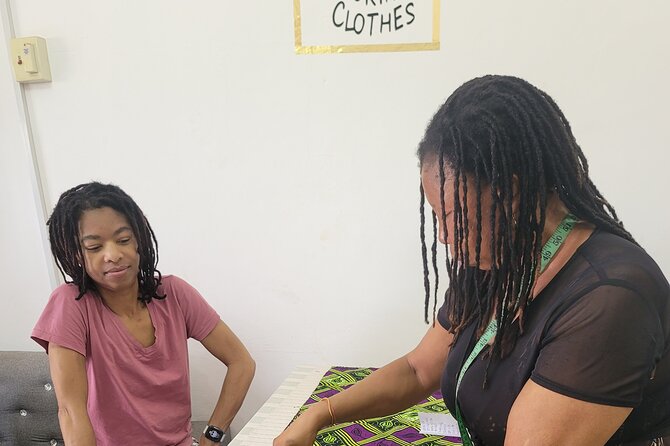
You get a practical lesson in basic stitching or hand sewing as the garment comes together. An experienced studio assistant guides or assists you, so you have support while you learn.
This is a useful middle ground. You get to understand how the clothing is assembled without being responsible for every seam. The final quality does not depend entirely on your first attempt at sewing, since the assistant completes the work.
The activity description says you will help put together your garment, then enjoy snacks while the assistant finishes your dress, shirt, or caftan. That means the hands-on section is real, but it is not a promise that you will personally complete every part of the garment.
Expect the pace to vary. A simple design may move along quickly, while a more involved cut may need more work from the assistant. The advertised duration is about six hours, so plan your day around the activity rather than trying to squeeze in a tightly timed attraction afterward.
Snacks, bottled water, and soda are included. Lunch and dinner are not. The refreshments will help during the workshop, but you should plan a separate meal if you need something substantial.
Same coastline, a completely different kind of day:
- From Accra: Cape Coast, Elmina Castle & Kakum Park Day Tour
★ 4.6 · 144 reviews - Accra Detailed City Tour
★ 4.5 · 118 reviews - Accra Guided City Tour Experience
★ 4.7 · 88 reviews - Accra Guided City Tour Experience
★ 5.0 · 76 reviews
What makes the Makola stop worth your time
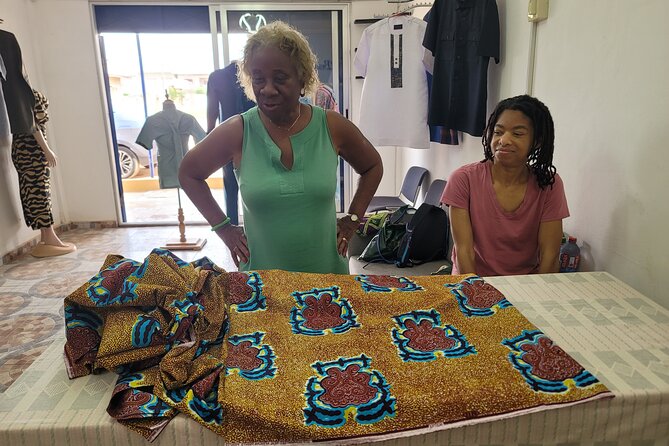
Makola is valuable here because it connects the finished clothing to everyday commerce in Accra. You are not only visiting a workshop to receive a made-to-measure item. You are also learning where the material comes from and how to read some of its visual language.
The fabric tour can be the most memorable part for anyone interested in design, clothing, photography, or local craft. You see many possible prints before deciding, and the guide explains fabric types and symbols rather than leaving you to guess.
The shopping portion also gives you a chance to make a personal choice. Two people can take the same activity and leave with completely different garments because the fabric selection changes the result.
There is a practical point to remember. The meeting point is near public transportation, but the market environment may be busy and the address is given as a shopping mall location. If you are not using pickup, allow time to find the new building at Makola Shopping Mall and confirm the exact meeting instructions.
Is $240 a fair price for six hours?
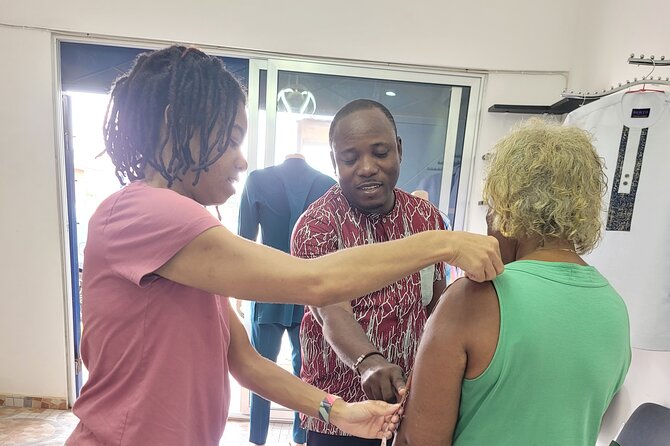
At $240 per person, this costs more than buying ready-made fabric or having a short market orientation. The value comes from the combination of services included in one private experience.
Your price covers:
- Fabric for the garment
- A custom African-print dress, shirt, or caftan
- Pickup and drop-off
- An air-conditioned vehicle
- All fees and taxes
- Sewing equipment and instruction
- Snacks, bottled water, and soda
That package makes the price easier to understand. You are paying for transport, teaching, tailoring time, material, and a finished piece of clothing. You are also paying for a private format, so your group does not share the workshop with other participants.
The value is strongest if you genuinely want the garment and will wear it after returning home. It is weaker if you mainly want a short introduction to Ghanaian textiles. For that purpose, a market visit without custom tailoring would likely take less time and cost less, though this activity offers much more direct participation.
A good way to judge the price is to ask yourself what you want to bring home. If the answer is a custom piece with a story behind its fabric, the package has a clear purpose. If you are uncertain about wearing African print or do not care about the sewing process, the cost may feel high.
Private format, transport, and the six-hour schedule
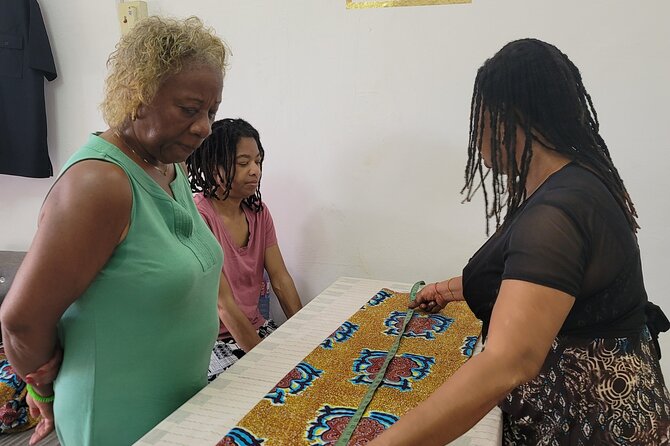
This is a private tour or activity, so only your group takes part. That matters when you are discussing fit and design. You can ask questions without waiting for a large group to finish, and the workshop can focus on your garment.
Pickup and drop-off are included. The listed meeting point is Makola Shopping Mall, but the service also provides an air-conditioned vehicle. Confirm whether pickup is arranged from your hotel and what time you should be ready.
The activity lasts about six hours. That includes the market tour, fabric selection, transport to the workshop, measuring, cutting, sewing instruction, finishing, and return transport. The exact time needed for the garment may depend on the design.
The experience is listed as operating Monday through Sunday from 9 a.m. to 6 p.m. Booking about a week ahead is sensible, since the clothing work requires workshop time and the experience is not a quick drop-in activity.
Most people can participate, and the activity is near public transportation. No special skill is required because sewing equipment and training are provided.
How to get the best result from your custom garment
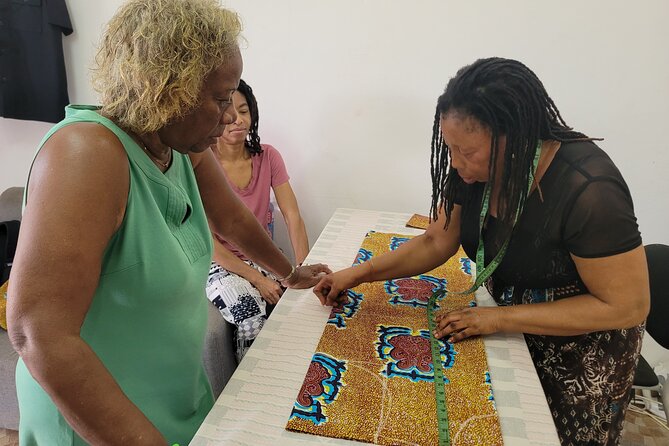
Before the activity, think about what you want to wear. A few simple decisions will make the workshop easier:
- Decide whether you prefer a dress, shirt, or caftan.
- Think about loose versus fitted clothing.
- Have a general idea of sleeve length and garment length.
- Choose colors you already wear comfortably.
- Ask in advance about any item outside the standard choices.
- Discuss the design before the fabric is cut.
Do not treat the fabric choice as a five-minute purchase. The print is central to the experience, and the included fabric gives you room to compare patterns without paying an extra material charge.
It is also worth remembering that handmade clothing is not the same as an off-the-rack item. Small differences in fit or finish may be part of the process. The workshop assistant completes the garment, but you should still speak up if something about the design does not match what you discussed.
Bring patience. The reward is not only a finished piece. You also leave with a better understanding of the cloth, the symbols, and the steps behind custom African wear.
Who will enjoy this experience most?
I would recommend this to you if you like clothing with a story, enjoy local markets, or want a creative activity rather than a standard sightseeing loop. It is especially suited to people who value personal participation and want a wearable reminder of Accra.
It can also work well for couples, families, or friends in a private group. Each person can choose a different print and style, though the price is charged per person.
This may not suit you if you want a quiet, short activity, a guaranteed exact design, or a full meal included. It is also not the right choice if you would rather spend the day touring several Accra sights than working on one garment.
The main praised feature is the fabric shopping and the chance to learn the meanings of kente symbols. The other clear strength is the final garment itself. One participant was especially happy with the finished clothing and wanted to repeat the experience, which points to the two things you should value most: thoughtful fabric selection and a wearable result.
Should you book the Makola fabric and clothing experience?
Book it if you want more than a souvenir. The combination of Makola Market, fabric meanings, personal measurements, basic sewing, and a finished garment gives you a genuine craft-focused day in Accra.
At $240, it deserves careful planning. Confirm your preferred garment, ask about any special design, and allow the full six hours. If you do that, the experience offers solid value for someone who wants custom clothing and an active role in making it.
Cancel at least 24 hours before the start time for a full refund. Changes or cancellations made later are not accepted for a refund, and poor weather may lead to a new date or full refund. Tips are not included, so budget for that separately if you choose to give one.
FAQ
Where does the experience start?
It starts at the new building at Makola Shopping Mall, GQWV+67G, Market Street, Accra, Ghana. Pickup is also offered, so confirm the arrangement when booking.
How long does the activity last?
The experience lasts approximately six hours, including the market tour, workshop, sewing instruction, garment finishing, and transport.
What type of garment can I make?
The standard choices are a custom African-print dress, shirt, or caftan. You can ask about another African-print item through a message before the activity.
Is the fabric included in the price?
Yes. The cost of the African print or fabric is included, along with the custom African wear.
Do I need sewing experience?
No. Sewing equipment and training are provided, and a studio assistant guides or helps you with basic stitching and hand sewing.
What refreshments are included?
Snacks, bottled water, and soda are included. Lunch and dinner are not included.
Is transportation included?
Yes. Pickup and drop-off are included, along with an air-conditioned vehicle. The activity ends back at the meeting point unless another drop-off arrangement is confirmed.
Can I cancel for a full refund?
Yes, if you cancel at least 24 hours before the experience start time. Cancellations or changes made less than 24 hours in advance are not refunded or accepted. Poor weather may result in a different date or a full refund.
Just added around Accra
- Visit Aburi Garden, Tetteh Quarshie Cocoa Farm & Waterfall★ 4.0 · 4 reviews
- Historical Day Tour to Cape Coast, Elmina and Kakum★ 5.0 · 3 reviews
- Local Ghanaian Food Tasting Tours★ 5.0 · 3 reviews
- Private Airport Transfer to from ACC Kotoka by Business Car★ 5.0 · 4 reviews
- Private Slave Castles and Dungeons Tour in Cape Coast, Ghana★ 5.0 · 3 reviews
- The Door Of No Return/ Dungeon & cape Coast Castle★ 5.0 · 4 reviews
- Historical tour in Cape Coast Ghana★ 5.0 · 3 reviews
- Cape Coast Castle and Kakum National Park 2-Day Private Tour★ 5.0 · 3 reviews
Tours, compared.


Cape Coast, Elmina Castle & Kakum Park Day Tour
Read our review →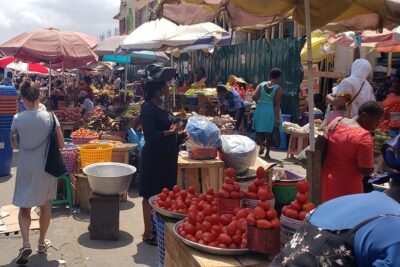
Boti Falls, Umbrella Rock, Aburi Gardens & Cocoa Farm Tour
Read our review →Browse the lists this tour appears in