
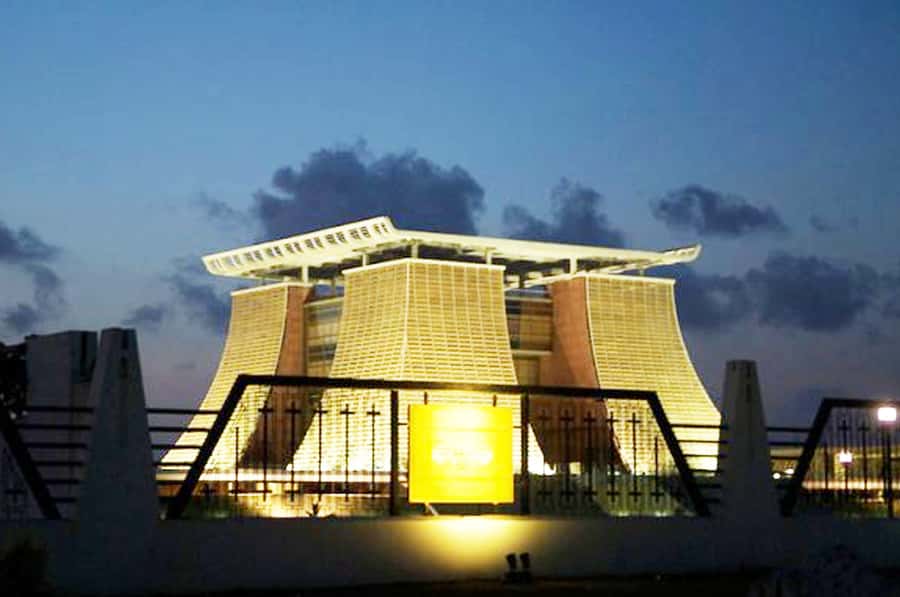
Reviewed · TOURS
Accra Architectural Tour
Accra’s old quarters tell the city’s story through buildings rather than museum labels. On this tour, you move from European-influenced streets and old mansions to the Ga-Mashie neighborhood of Jamestown, then finish with time for souvenirs at the Accra International Art Centre. The architecture is the main event, but the local stories give each street more meaning.
I like the clear historical route through the Danish, Dutch, and English neighborhoods, and I like that the tour does not stop at colonial-era buildings. Ga-Mashie adds a local African setting, while the art centre gives you a practical way to take home a piece of Ghana. The guides, including Abena, Princess, and driver Kwame, are praised for being friendly and easy to talk with.
One point needs attention: the tour lasts six hours, but the walking portion is described as about three to four hours. That leaves time for driving and stops, yet the exact pace and order may vary. Bring water, sun protection, and good shoes, and ask at booking how much walking is planned for your date.
Key points at a glance
- Colonial Accra in three chapters: Compare Danish, Dutch, and English architectural traces across the capital.
- Ga-Mashie and Jamestown: Visit one of Accra’s historic local neighborhoods rather than seeing only formal colonial buildings.
- Stories behind the facades: Your guide explains the people, influences, and events connected with old homes and public buildings.
- A useful finish at the art centre: Shop for Ghanaian souvenirs after the walking portion.
- Private transport included: You are not expected to walk between every area, which matters during a six-hour outing.
- Flexible booking terms: You can cancel up to 24 hours before departure for a full refund and reserve without paying today.
Why Accra’s buildings make a better introduction than a checklist
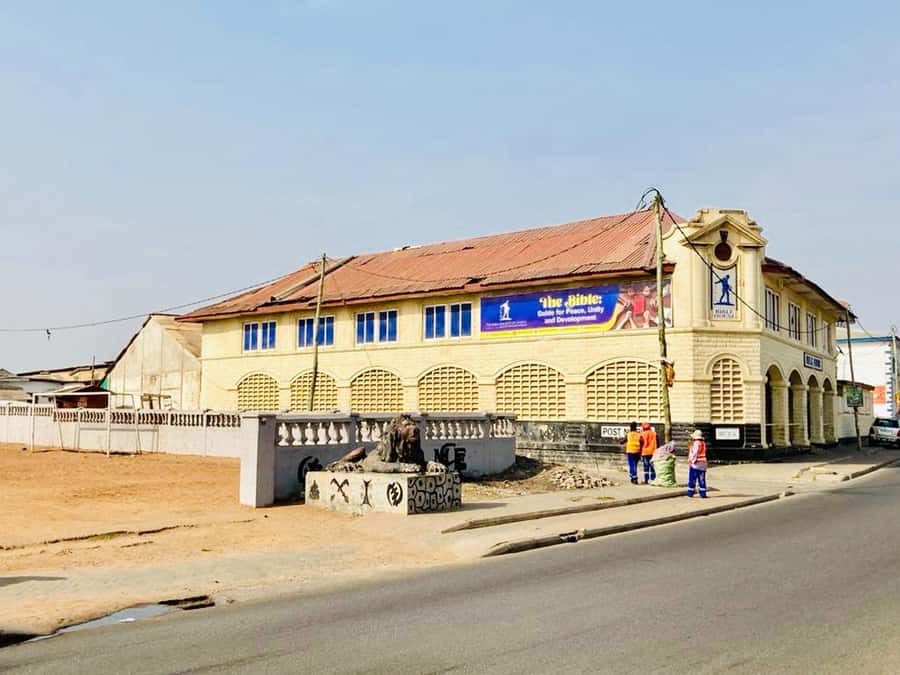
I like architecture tours that use buildings as clues. Accra works especially well for this because its older streets reflect several outside powers, local traditions, and the city’s growth before and after colonial rule.
You will see pre-colonial and post-colonial structures, along with elegant homes and imposing mansions linked to early Dutch and Danish colonizers. The point is not simply to count old buildings. Your guide helps explain why European powers built in Accra, how those influences shaped the capital, and how local neighborhoods remain part of the story.
The tour also gives you a way to compare different architectural styles. Danish, Dutch, and English areas are presented as distinct parts of Accra’s past, so you can pay attention to changes in building form, scale, and setting. The information provided does not name every building or promise access inside each one, so expect a street-based experience rather than a series of interior visits.
That distinction matters. You are mainly looking at buildings from the outside and hearing the stories that bring them to life. If you enjoy urban history, photography, and old city streets, this approach can be more useful than a quick drive past the same places.
Other Accra days people book alongside this one:
- The Cape Coast Day Tour
★ 5.0 · 525 reviews - Experience the Beauty, History and the Culture Of Accra in a Day
★ 5.0 · 323 reviews - The Cape Coast Tour
★ 5.0 · 177 reviews
Walking through the Danish, Dutch, and English quarters
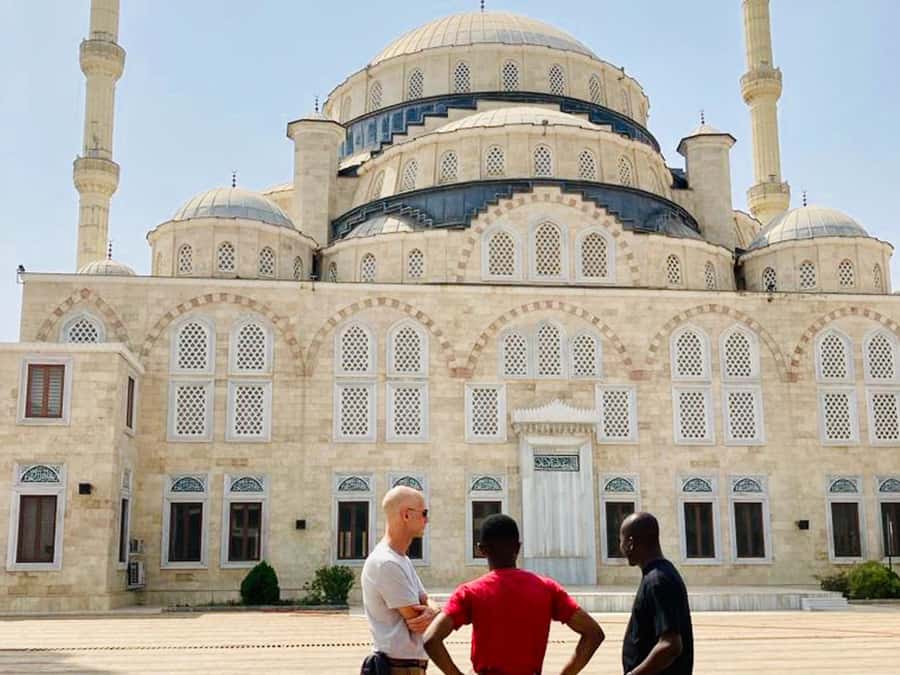
The central walking section is listed as about three to four hours, within a total tour time of six hours. Your private vehicle handles some transfers, while your guide leads you through the historic parts on foot.
You will encounter streets connected with Danish, Dutch, and English influence. The tour focuses on the architectural highlights of coastal Accra, including old residences, mansions, and other pre-colonial and post-colonial buildings that have survived for many years.
I would treat this as a conversation-led walk. The buildings may not explain themselves, and their importance can be easy to miss if you pass them alone. A guide who can point out details and explain the setting changes the experience from simple sightseeing into a lesson in how Accra developed.
The guides receive strong praise for their friendliness and historical explanations. Abena and Princess were especially appreciated by one solo visitor for creating a comfortable atmosphere, while Kwame, the driver, was noted for friendly conversation and useful insight into Ghana.
The experience appears to suit people who want personal explanation rather than a silent architectural survey. At the same time, the exact number of buildings and the length of each stop are not stated. You should not expect a fixed list of interiors, named architects, or technical building analysis unless the guide adds that detail during the visit.
Wear sports shoes and comfortable clothing. Sunglasses, a hat, sunscreen, and water are sensible for a long outdoor route. A camera is also worth carrying, but ask before photographing people or private property.
Ga-Mashie and Jamestown: the local side of the story
The stop in Ga-Mashie, in the Jamestown area, is important because it broadens the tour beyond European influence. Accra’s past is not only found in grand houses linked with foreign colonizers. Local neighborhoods, daily streets, and community life also belong in the city’s architectural story.
The supplied details do not promise a specific building, museum, market visit, or interior tour in Ga-Mashie. That is useful to know before booking. You are going to the neighborhood as part of a guided look at historic Accra, not for a separate activity with a published list of attractions.
I like this part of the route because it keeps the tour from becoming a polished colonial postcard. You can see how different layers of the city sit near each other. The contrast between formal homes and a local neighborhood is likely to be one of the most instructive parts of the day, even though the exact sights depend on the guide’s route.
Your guide’s role matters here. A good explanation can help you understand the area without reducing it to scenery. Kormi’s team is described as welcoming, and the positive comments about the team’s attitude suggest that solo visitors and people new to Accra should feel supported during the walk.
Still, you should approach Ga-Mashie with respect. This is a lived-in neighborhood, not a stage set. Keep your camera ready, but use it thoughtfully, and listen when your guide explains what is appropriate.
Ending at the Accra International Art Centre
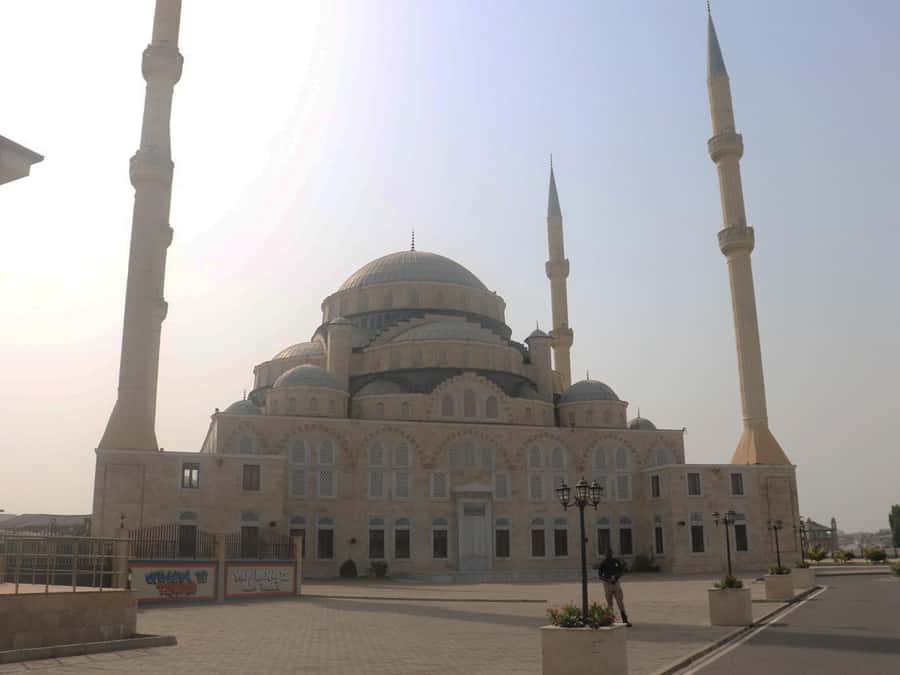
The final stop is the Accra International Art Centre, where you can shop for souvenirs. This is a practical ending because it gives you time to look for something connected with Ghana after spending the day learning about the capital.
The available information does not specify which artists, crafts, or products will be available, and it does not say that shopping is included in the price. Treat this as an opportunity to browse and buy, not as a guaranteed shopping package.
I like having this stop at the end rather than at the beginning. You will have some context for the place you are visiting, and you can decide what interests you instead of rushing through a shop before the main tour. If you plan to buy something, carry enough room in your bag and ask about prices, materials, and care instructions.
The art centre also gives the six-hour schedule a clear finish. After several hours of walking and listening, browsing can be a calmer way to close the day before returning to your pickup point.
Same coastline, a completely different kind of day:
- From Accra: Cape Coast, Elmina Castle & Kakum Park Day Tour
★ 4.6 · 144 reviews - Accra Detailed City Tour
★ 4.5 · 118 reviews - Accra Guided City Tour Experience
★ 4.7 · 88 reviews - Accra Guided City Tour Experience
★ 5.0 · 76 reviews
What the $130 price includes
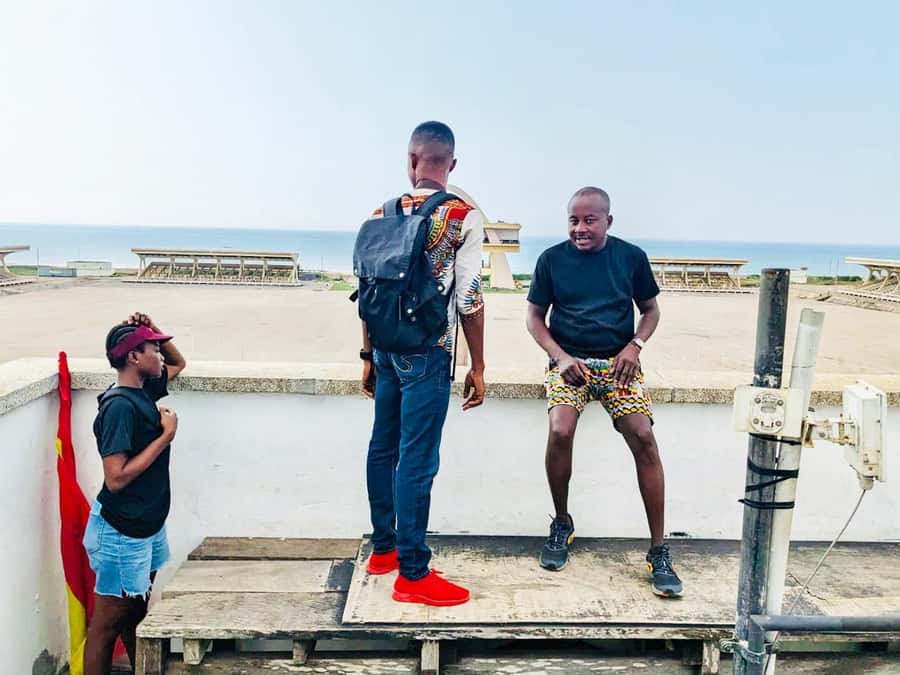
At $130 per person, this is not a low-cost city walk. The value depends on what you want from Accra.
The fee includes transportation in a private vehicle, an English-speaking guide, and entrance fees. Those inclusions matter because Accra’s historic areas are spread across more than one neighborhood, and private transport saves you from arranging separate transfers. You are paying for a guided day rather than only for access to a route.
The price makes more sense for you if you want history explained in person, prefer a private vehicle between areas, and value a planned introduction to Accra. It is less convincing if you only want to photograph old buildings or are happy to explore independently.
Group size is not stated, so do not assume that private vehicle means a fully private tour unless the booking details confirm it. The vehicle itself is included, but the information does not clearly say that every departure is private for one booking party.
Entrance fees are included, which helps keep the final cost easier to judge. Shopping at the art centre is separate, and you should budget for anything you choose to purchase.
The booking terms add useful flexibility. You can reserve now and pay later, and cancellation is free up to 24 hours before the start time. The activity is listed as wheelchair accessible, but the walking route through historic neighborhoods may still require practical questions about surfaces, distances, and vehicle drop-off points. Confirm those details before booking if access is a major concern.
Guides, languages, and the feel of the day
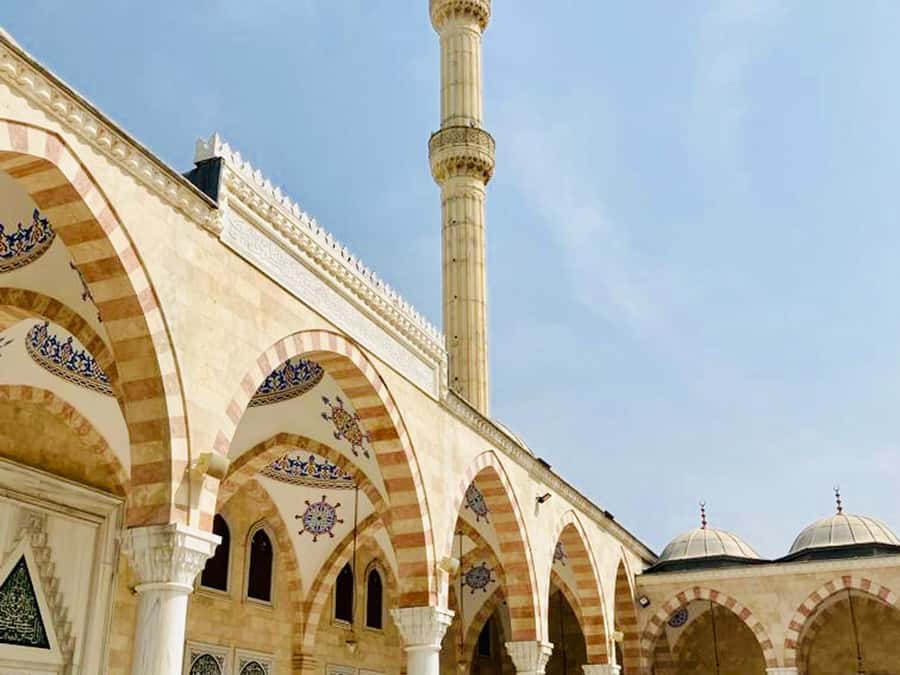
The tour includes a live guide, with English and French listed as guide languages. Audio support is listed in English, French, and German. Since the main description specifically promises an English-speaking guide, you should confirm your preferred language before the tour begins.
Kormi’s team receives the strongest praise for warmth, organization, and personal attention. Abena and Princess were appreciated for making the experience comfortable for a solo female visitor, while Kwame was praised as a friendly and thoughtful driver. These details matter because a walking tour through unfamiliar streets depends as much on how the team handles the day as on the buildings themselves.
The tour is also described as well organized, with guides who explain Ghanaian culture and history at different locations. I would expect the quality of the day to come from the guide’s storytelling. The information does not promise academic lectures, so you are likely to get an accessible city introduction rather than a specialist course in architectural history.
One caution is worth keeping separate from this architecture experience. A person who missed the architectural tour was accommodated on a different food tour and found that substitute disappointing. That account does not assess the architecture route itself, but it does suggest that you should make sure you are booking the experience you actually want. This tour is for buildings, neighborhoods, and history, not food tasting or salon activities.
Timing, comfort, and what to pack
The total duration is six hours, with starting times available according to the date you choose. The walking section is described as three to four hours, so the remaining time likely covers driving, stops, and transitions between areas.
That difference is not a problem, but it affects how you plan your day. Do not schedule a tight afternoon appointment immediately afterward unless you have confirmed the actual pickup and return times. Accra traffic and the pace of a guided walk can affect the day, though no specific traffic estimate is provided.
The packing advice is straightforward:
- Sports shoes for several hours on foot
- Comfortable clothing
- Water
- Sunglasses, a hat, and sunscreen
- Personal medication
- A camera
- Passport or ID card
Carry your identification because it is specifically requested. Keep water accessible rather than buried in your bag. You may also want a small amount of space for purchases at the art centre.
The tour is listed as wheelchair accessible, but I would still ask how the walking portion works in practice. Historic streets can vary, and the supplied information does not describe pavement conditions, ramps, or restroom access.
Who will get the most from this Accra tour
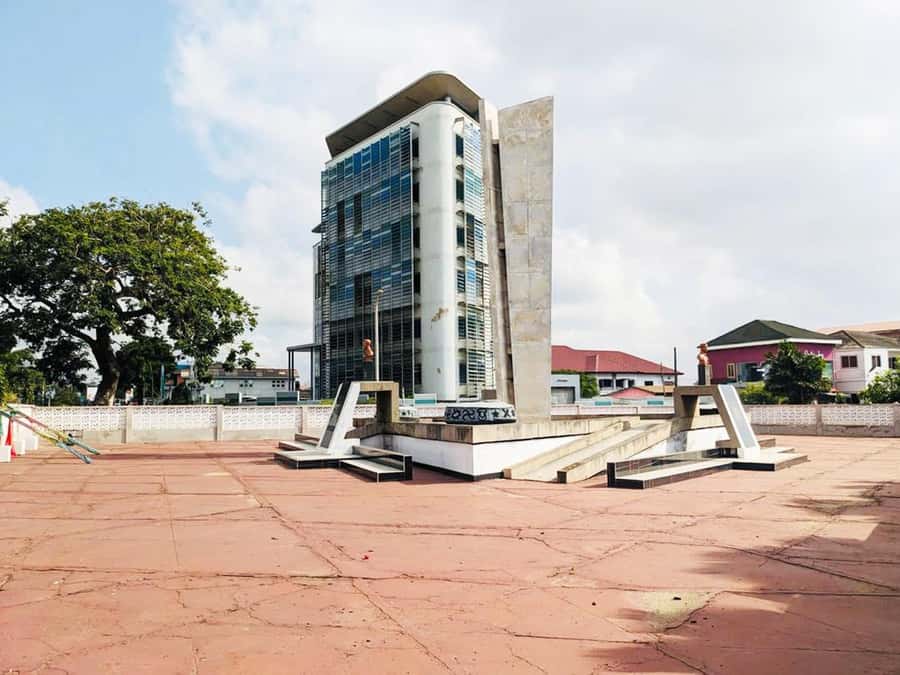
I would recommend this experience to you if you are visiting Accra for the first time and want a guided introduction to its older districts. It is also a good fit if you enjoy taking photos, asking questions, and connecting architectural details with political and cultural history.
Solo visitors may appreciate the organized transport and friendly team. The positive experience of a solo female participant suggests that the guides take personal comfort seriously, though every booking is different.
You will probably enjoy it less if you want a fast, tightly timed list of famous sights or a purely technical architecture tour. The route is designed around stories and neighborhoods, and the exact buildings covered are not listed in detail.
I would also think twice if you dislike outdoor walking. Three to four hours on foot is a meaningful part of the day, even with private transport. Good shoes and sun protection are not optional extras here.
Should you book the Accra Architectural Tour?

Book it if you want a human introduction to Accra’s built history, especially the contrast between Danish, Dutch, English, and local Ga-Mashie areas. The combination of a walking route, private transport, local explanation, and art-centre stop gives you more context than an unescorted drive through the city.
At $130 per person, the tour earns its price through convenience and guiding rather than through a long list of paid attractions. Before confirming, ask about the exact walking route, group size, language, and how the six-hour schedule is divided.
My practical call: this is a good choice for history-minded visitors who want Accra explained street by street. It is not the best match for someone seeking food, nightlife, or a bargain walking tour. Bring water, wear proper shoes, and arrive ready to listen as much as look.
FAQ
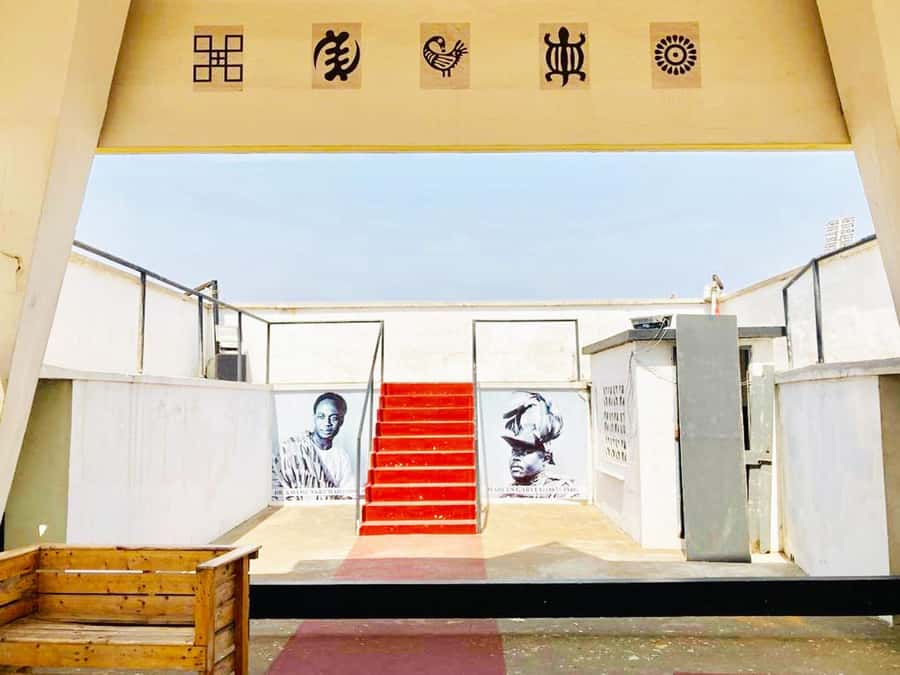
Where does the Accra Architectural Tour take place?
The tour takes place in Accra, Ghana, in the Central Region. It includes the Danish, Dutch, and English neighborhoods, the Ga-Mashie neighborhood of Jamestown, and the Accra International Art Centre.
How long does the tour last?
The full activity lasts six hours. The walking portion is described as about three to four hours, with private transportation used as part of the day.
What is included in the price?
The $130 per person price includes transportation in a private vehicle, an English-speaking guide, and entrance fees.
What languages are available?
Live guiding is listed in English and French. Audio support is listed in English, French, and German. The main tour description specifically identifies an English-speaking guide, so confirm your preferred language when booking.
Is transportation included?
Yes. Transportation in a private vehicle is included, and the tour returns you to the pickup point at the end.
Is the tour wheelchair accessible?
The activity is listed as wheelchair accessible. Because the tour includes several hours of walking in historic neighborhoods, confirm the route’s practical access details before booking.
What should I bring?
Bring sports shoes, comfortable clothing, water, sunglasses, personal medication, a camera, a passport or ID card, a hat, and sunscreen.
Can I cancel for a full refund?
Yes. You can cancel up to 24 hours in advance for a full refund.
Can I reserve now and pay later?
Yes. The activity allows you to reserve your place and pay later, keeping your travel plans flexible.
Just added around Accra
- Visit Aburi Garden, Tetteh Quarshie Cocoa Farm & Waterfall★ 4.0 · 4 reviews
- Historical Day Tour to Cape Coast, Elmina and Kakum★ 5.0 · 3 reviews
- Local Ghanaian Food Tasting Tours★ 5.0 · 3 reviews
- Private Airport Transfer to from ACC Kotoka by Business Car★ 5.0 · 4 reviews
- Private Slave Castles and Dungeons Tour in Cape Coast, Ghana★ 5.0 · 3 reviews
- The Door Of No Return/ Dungeon & cape Coast Castle★ 5.0 · 4 reviews
- Historical tour in Cape Coast Ghana★ 5.0 · 3 reviews
- Cape Coast Castle and Kakum National Park 2-Day Private Tour★ 5.0 · 3 reviews
Tours, compared.


Cape Coast, Elmina Castle & Kakum Park Day Tour
Read our review →
Boti Falls, Umbrella Rock, Aburi Gardens & Cocoa Farm Tour
Read our review →Browse the lists this tour appears in