
Reviewed · ACCRA TOURS
A Taste of West Africa – Ghana Togo & Benin
West Africa comes into focus on this eight-day private trip through Ghana, Togo, and Benin. You move from rainforest and coastal forts to markets, royal sites, sacred places, and villages built on water. The route covers a lot, but it also gives you a useful first look at three neighboring countries.
I like the strong mix of history and living culture, especially the slave-trade castles, the Togoville shrines, the Gelede and Zangbeto traditions mentioned in the tour overview, and Benin’s links with Brazil and the Caribbean. I also like the personal format: solo visitors can have a dedicated guide, and Patrick is specifically praised for his care, driving, and good company.
The trade-off is the pace. Eight days is tight for three countries, and several days involve long road transfers alongside short visits. You’ll get breadth rather than a slow, settled stay in each place, so arrive ready for full days and a moderate level of physical activity.
Key points to know before booking
- Three countries in eight days: Ghana, Togo, and Benin are covered in one compact route from Accra.
- Cape Coast and Elmina castles: These powerful coastal sites explain the human cost of the Atlantic slave trade.
- Private guiding: Only your group takes part, allowing for a more personal pace and easier questions.
- Ganvie by boat: Lake Nokoue leads to a 500-year-old village built on the water.
- Cultural encounters: Markets, coffin makers, shrines, the Fetish Market, and traditional ceremonies add more than standard sightseeing.
- Price and inclusions: At $2,861.54 per person, accommodation and some meals are included, but the exact hotels and meal schedule should be confirmed before payment.
Accra begins with old streets and local craft
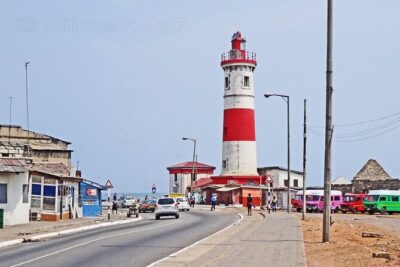
Your first day starts with a hotel transfer from Accra. A Blastours representative meets your group, and if your arrival time allows, you can take a walking tour through James Town, one of old Accra’s most historic areas.
That flexible first afternoon is useful. You are not forced into a full sightseeing program immediately after landing, yet you still have a chance to begin with the city’s older streets and coastal character. If your arrival is late, the day remains a simple transfer and orientation.
Day four returns to Accra for a fuller look at the capital. At Nungua Local Market, you visit the fantasy coffin makers. These artisans create coffins shaped around a person’s work, interests, or affiliations. The idea can sound cheerful at first, but it also opens a thoughtful conversation about Ghanaian ideas of identity, family, and remembrance.
The Artists Alliance Gallery shifts the mood toward contemporary Ghanaian art. You can see paintings and sculpture by established and newer artists, making this a better stop for anyone who wants more than monuments and museums.
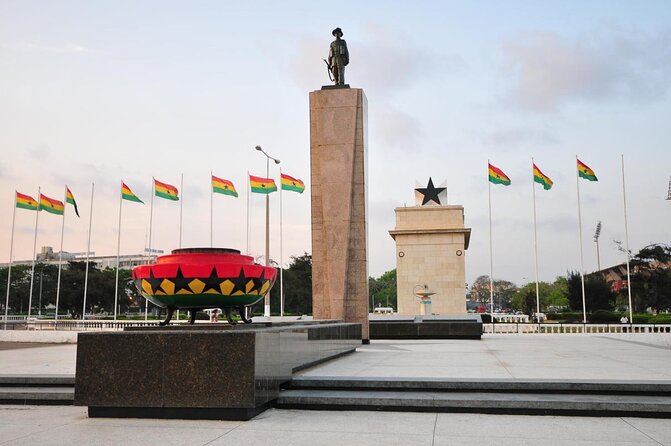
Independence Square, also called Black Star Square, marks Ghana’s break from colonial rule in 1957. The visit is brief, about 30 minutes, but it gives political meaning to the capital’s public spaces.
The Center for National Culture is your chance to shop for crafts, African art, and traditional clothing. Bargaining may be part of the market experience, although the tour details do not set out a fixed shopping budget or buying guidance. If you prefer browsing to shopping, allow yourself room to look without feeling obliged to purchase.
Other Accra days people book alongside this one:
- The Cape Coast Day Tour
★ 5.0 · 525 reviews - Experience the Beauty, History and the Culture Of Accra in a Day
★ 5.0 · 323 reviews - The Cape Coast Tour
★ 5.0 · 177 reviews
Kakum and Cape Coast tell two very different stories
Day two heads west toward Kakum National Park. The park protects undisturbed rainforest, and you have two ways to see it: a one-hour forest-trail walk or a walk across the longest and highest canopy walkway in West Africa, according to the tour description.
The canopy option is the signature activity. It gives you a view from above the forest floor, while the trail offers a closer look at the ground-level setting. Admission is included, and the stop is planned for about two hours. You should still wear practical shoes and be comfortable with walking, stairs, and height, since the tour asks for moderate physical fitness.
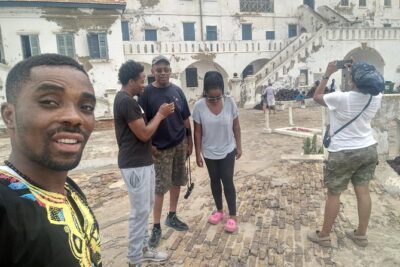
The route then continues to Cape Coast Castle, a fortress built by the Swedes in 1653, later seized by the Danes, and eventually taken by the British. The one-hour visit focuses on the castle’s role in the slave trade.
Before reaching the castle, the route includes brief stops at an oil-palm plantation and a local factory. These short visits add everyday economic context, though they are not the main reason to choose the tour.
Cape Coast Castle can be a difficult visit. It is not simply an old fort with good photographs. The rooms, dungeons, and position on the coast connect directly to the forced movement of enslaved people across the Atlantic. I would plan some quiet time afterward rather than treating the stop as just another item to tick off.
Elmina adds another layer to the coastal past
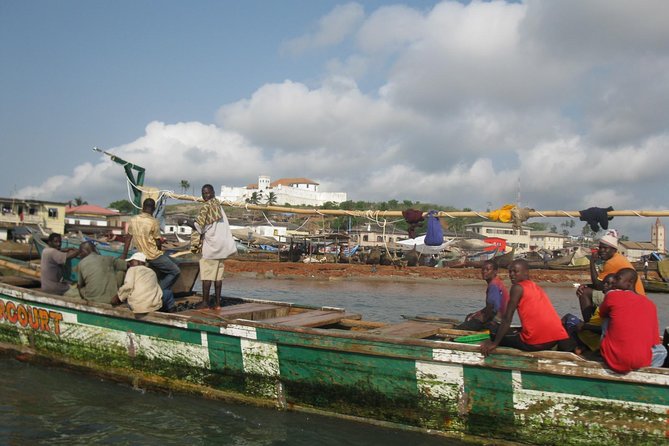
Day three centers on Elmina Castle, a well-preserved fort that offers another view of the slave trade and European control along the coast. The visit lasts about an hour, so your guide’s explanations matter. A private format gives you a better chance to ask about details that catch your attention.
Fort St Jago follows as part of an Elmina city tour. Here, the emphasis shifts toward colonial history and the present-day life of the Fanti people. That combination is important. You are not shown only European buildings or only painful historical sites. You also get a glimpse of the community that continues to live around them.
The two stops work best together. Elmina Castle explains the machinery of trade and imprisonment, while Fort St Jago and the city tour help place that history in a living setting. The schedule is not designed for a long independent exploration, so keep expectations realistic. You will receive a focused introduction, not several days of archival research or free time in Elmina.
Togo brings markets, ritual, and Lake Togo
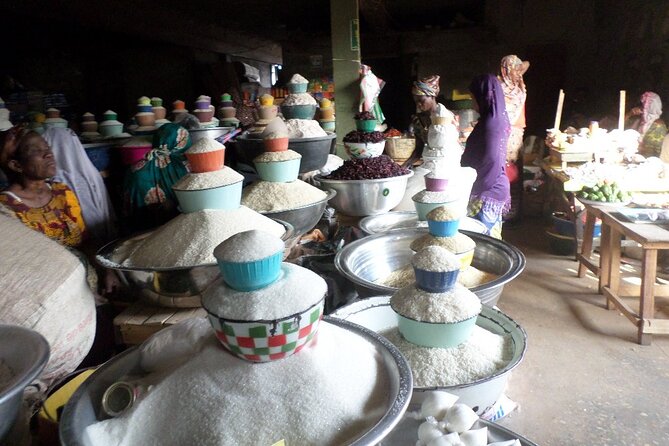
Day five crosses into Togo and begins at Grand Marche, a large open-air market associated with the famous Nana Benz traders. This is a practical place to see commerce at work, and it gives the day a people-first start after the more formal castle visits in Ghana.
The Akodessewa Fetish Market offers a very different encounter. It is described as a voodoo market where local sorcerers obtain charms and remedies. The stop is short, about 30 minutes, and admission is not included. That small extra cost should be allowed for.
You should also approach the market with respect. The subject may attract curious looks, but this is connected to religious practice, not a theatrical display made for outsiders. Your guide is especially important here, since context can help you understand what you are seeing without reducing it to the exotic.
The day continues to Lake Togo, where a boat ride takes you to Togoville. There, you visit shrines, an old German cathedral, and the traditional museum of the King of Togoville. The full stop lasts about two hours, including the boat ride.
This is one of the route’s strongest changes of pace. You leave the road for the water and encounter a place where religious, royal, German colonial, and local traditions meet. The boat segment also gives your legs a break from repeated roadside sightseeing, though conditions on the lake can affect the feel of the visit.
The tour overview also refers to a Gelede masked dance and a Zangbeto Ceremony as part of its cultural focus. The supplied schedule does not assign these to a specific day or promise a performance time, so you should confirm whether they are planned for your departure date rather than assuming they will happen automatically.
Same coastline, a completely different kind of day:
- From Accra: Cape Coast, Elmina Castle & Kakum Park Day Tour
★ 4.6 · 144 reviews - Accra Detailed City Tour
★ 4.5 · 118 reviews - Accra Guided City Tour Experience
★ 4.7 · 88 reviews - Accra Guided City Tour Experience
★ 5.0 · 76 reviews
Porto-Novo shows Benin’s links across the Atlantic
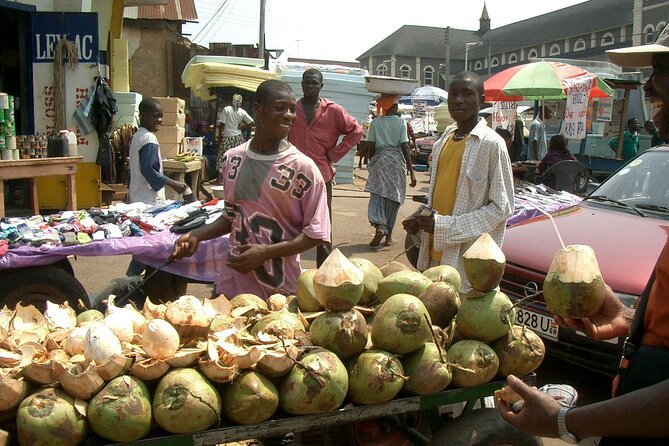
Day six takes you to Porto-Novo, Benin’s capital, where Afro-Brazilian influence is central to the visit. People who returned to Africa after emancipation in Brazil helped shape the city’s architecture and cultural connections.
The Great Mosque of Porto-Novo was formerly a church designed in Brazilian style. It is an unusual building to encounter in West Africa, and it makes the city’s Atlantic connections visible in brick, form, and decoration.
The visit also includes the market, Ethnographic Museum, Da Silva Museum, and the 300-year-old Palace of King Toffa. The palace helps explain Porto-Novo’s royal past, while the museums add objects and stories that a street tour alone would miss.
Two hours is enough for an introduction but not a leisurely study of every site. If museums are a major reason for your trip, ask how the time is divided. If you prefer variety, this packed sequence works well because each stop offers a different angle on the city.
Ganvie is the trip’s most distinctive setting
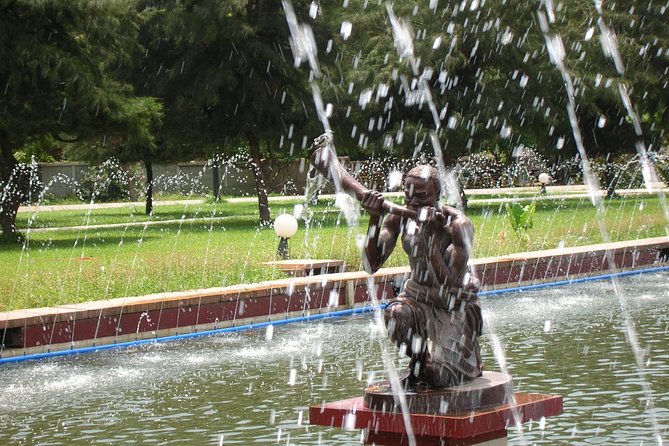
Day seven begins on Lake Nokoue with a boat ride to Ganvie, often called the Venice of the continent. The village is about 500 years old and was built on the water by people seeking refuge from attacks by Fon and Dahomey warriors. A belief that fighting on water was forbidden helped make the lake a place of safety.
The boat ride lasts about two hours and is the kind of outing that gives the trip a clear sense of place. Instead of looking at a display about history, you reach a settlement whose location grew from that history.
Ganvie is also a place where respectful behavior matters. You are entering a lived-in community, not a film set. Listen to your guide, avoid treating homes and residents as props, and give yourself time to notice how the setting shapes daily life.
The Temple des Pythons follows. You visit the Sacred Forest and a temple that is home to sacred snakes. This may be outside your comfort zone, especially if you dislike close contact with animals, but it is included as part of the tour’s look at Beninese religious traditions.
At the Ouidah Museum of History, housed in a former Portuguese fort, exhibits focus on the slave trade and Benin’s cultural links with Brazil and the Caribbean. The visit is only about 30 minutes, so consider it a concise introduction rather than a complete museum visit.
The overview says the trip shows where voodoo was created. The Ouidah and Akodessewa visits are the clearest parts of that theme, but the schedule gives limited time at each. You will get a useful orientation, while a specialist interested in religion may want a separate, longer stay in Ouidah.
The final morning leaves room for shopping
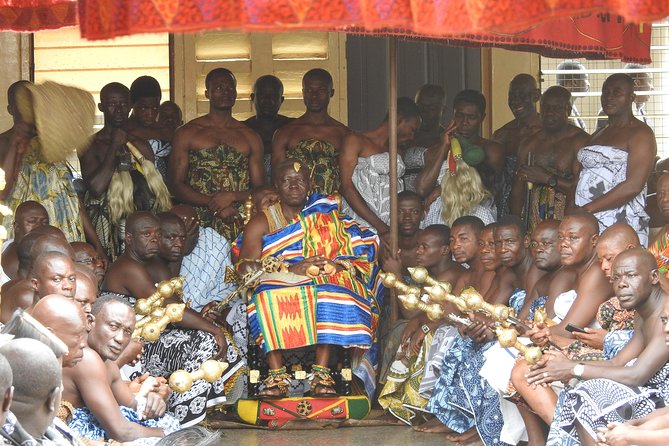
Day eight is set aside for Osu Oxford Street, with about two hours for shopping before departure. This is a sensible finish after a busy week. You can look for crafts, clothing, or other purchases without squeezing shopping into the middle of a museum day.
The tour ends back at the meeting point in Accra. The stated start time is 8:00 am, though the first day depends on your arrival time. Since the schedule crosses national borders and includes road travel, you should confirm the exact pickup arrangements, hotel details, and departure timing before you go.
The tour is operated as a private activity, so only your group participates. That is especially valuable for solo visitors or families who need questions answered at their own pace. The guide may be multilingual, and specific dietary needs should be provided at booking.
What the $2,861.54 price really covers
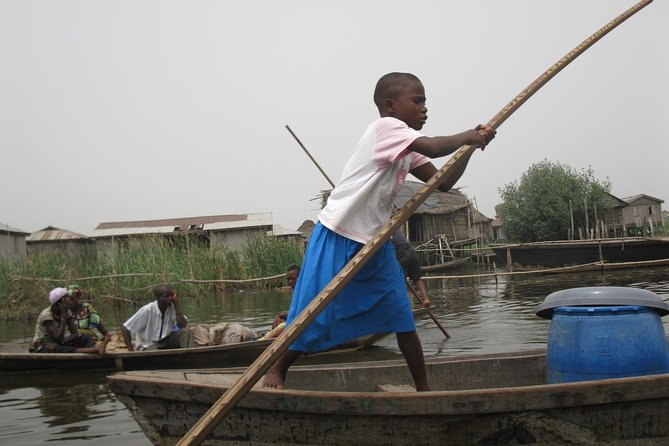
At $2,861.54 per person, this is not a budget sightseeing package. The price makes more sense when you consider the private guide, cross-border route, transport, included admissions at many major sites, accommodation, and some meals.
Still, you should ask for a clear list of what is included. The itinerary states that accommodation and some meals are covered but does not name the hotels or say which meals are provided. Admission to the Akodessewa Fetish Market is specifically not included, while many other stops list admission as included or free.
The value is strongest if you want a single company to arrange a demanding three-country route. Planning Ghana, Togo, and Benin independently would require more attention to transport, border timing, local guides, and changing daily arrangements. The private format also gives you flexibility that a large group trip usually cannot match.
The value is weaker if you want long stays, slow mornings, or detailed time at every museum. This schedule favors variety and coverage. You pay for access to a broad regional route, not for a relaxed week in one city.
Who will enjoy this route most
I would choose this trip if you want a first look at West Africa through several lenses: coastal history, rainforest, markets, royal sites, Afro-Brazilian culture, and traditional religion.
It suits solo visitors who want support without joining a large group. One solo visitor had Patrick as a guide and praised his care and driving, while another described Blastours as reliable, flexible, quick to answer, and reassuring for a first visit to Africa. Those details point to a useful strength: personal support matters a great deal on a route with three countries and many moving parts.
It also fits couples, families with older children, and small groups who value privacy. Children must be accompanied by an adult, and everyone should be comfortable with moderate physical activity, boats, forest walking, and full sightseeing days.
I would hesitate if your priority is luxury accommodation, a fixed culinary program, or a specialist-level study of one subject. The itinerary is broad, and not every stop receives enough time for deep study.
You can cancel for a full refund up to 24 hours before the local start time. Changes or cancellations inside that window are not accepted or refunded, so keep that deadline in mind.
Should you book A Taste of West Africa?
Book it if you want one well-organized private route through Ghana, Togo, and Benin, and you are happy to trade slow travel for range. The strongest moments are likely to be the Cape Coast and Elmina castles, the boat ride to Ganvie, Togoville, and the cultural stops that bring religion and daily life into the trip.
Before paying, confirm the hotel standard, meal inclusions, border arrangements, guide language, and whether the Gelede masked dance or Zangbeto Ceremony is available on your dates. If those details match your needs, the tour offers a practical way to see a demanding part of West Africa with personal support. If you want a slower, more flexible holiday, book a shorter route focused on one country instead.
FAQ
Where does the tour start?
The tour starts in Accra, in Ghana’s Greater Accra region. A representative meets your group for a hotel transfer on day one.
Where does the tour end?
The activity ends back at the meeting point in Accra.
How long does the tour last?
The tour lasts approximately eight days.
What time does the tour start?
The stated start time is 8:00 am. Day one depends on your arrival time, and a walking tour of James Town may be possible if you arrive early enough.
Is this a private tour?
Yes. Only your group participates in the activity.
Are accommodation and meals included?
Accommodation and some meals are included. The provided details do not name the hotels or list exactly which meals are covered, so confirm those points before booking.
Are entrance fees included?
Many listed admissions are included, including Kakum National Park, Cape Coast Castle, Elmina Castle, Fort St Jago, Lake Togo, the Great Mosque of Porto-Novo, Lake Nokoue, the Temple des Pythons, and the Ouidah Museum of History. The Akodessewa Fetish Market admission is not included, and the Center for National Culture is listed as free.
Is the tour suitable for children?
Children must be accompanied by an adult.
Can I cancel for a full refund?
Yes. You can cancel at least 24 hours before the local start time for a full refund. Cancellations or changes made less than 24 hours before the start are not accepted or refunded.
Just added around Accra
- Visit Aburi Garden, Tetteh Quarshie Cocoa Farm & Waterfall★ 4.0 · 4 reviews
- Historical Day Tour to Cape Coast, Elmina and Kakum★ 5.0 · 3 reviews
- Local Ghanaian Food Tasting Tours★ 5.0 · 3 reviews
- Private Airport Transfer to from ACC Kotoka by Business Car★ 5.0 · 4 reviews
- Private Slave Castles and Dungeons Tour in Cape Coast, Ghana★ 5.0 · 3 reviews
- Historical tour in Cape Coast Ghana★ 5.0 · 3 reviews
- The Door Of No Return/ Dungeon & cape Coast Castle★ 5.0 · 4 reviews
- Cape Coast Castle and Kakum National Park 2-Day Private Tour★ 5.0 · 3 reviews
Accra Tours, compared.


Experience the Beauty, History and the Culture Of Accra in a Day
Read our review →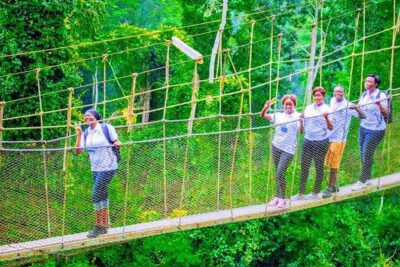

Cape Coast, Elmina Castle & Kakum Park Day Tour
Read our review →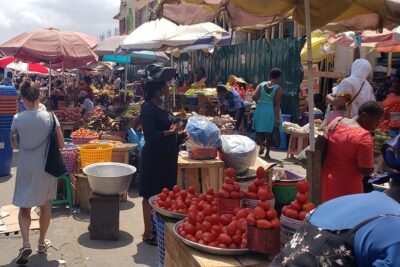
Browse the lists this tour appears in