
Reviewed · HISTORICAL TOURS
6 day Culture & History Tour in Ghana
Elmina Castle and Kakum National Park give this trip its strongest pull, but the best part is the broad look at Ghana between those major sights. You move from coastal slave-route history to Ashanti royal culture, cocoa farming, Kente weaving, and the Volta River in six days.
I like the private format, since your group can keep the pace with one guide rather than wait for strangers. I also like that accommodation, transport, taxes, and entry fees are included. The tradeoff is clear: some days are long, with up to 12 hours on the road or at sights, so this is not a slow, stay-put holiday.
Key points
- A private route across three major Ghanaian regions: Accra, the Volta area, Kumasi, Elmina, and Kakum all fit into six days.
- Emmanuel is the named guide: Previous bookings describe him as punctual, careful behind the wheel, responsive, and willing to tailor plans.
- Ashanti culture gets real attention: You visit Kente weavers, Adinkra cloth makers, wood carvers, cocoa growers, Manhyia Palace, and Kejetia Market.
- The price covers the costly basics: Air-conditioned transport, accommodation, admission fees, taxes, and other listed fees are included.
- The schedule is energetic: Day 3 runs about 12 hours, while Days 5 and 6 run about 10 hours each.
- Meals are separate: Plan for food and drinks on your own, since neither is included.
Why this six-day Ghana route works

Ghana is too varied for a quick city break. Accra gives you the capital, the Volta area adds river scenery and craft work, Kumasi brings the Ashanti center, and the coast connects difficult history with forts, fishing communities, and forest.
This tour works because it links those places in a sensible south and central Ghana circuit. You are not spending all six days in one city, and you are not seeing only the familiar headline sights. The craft villages and cocoa farm help explain how people make a living and how local traditions continue beyond museums.
The private vehicle matters here. Ghana’s roads and distances can make a group transfer tiring, but an air-conditioned vehicle gives you a more comfortable base for the longer drives. Emmanuel is the named guide, and the information provided about his work points to prompt airport pickup, careful driving, quick replies, and help with trip planning and visa concerns.
That said, the route asks a lot from you. The schedule is full, and the phrase six days can sound more relaxed than it is. This is a good choice if you want range and structure. If you prefer long mornings, unplanned walks, and extra time in each town, you may find it hurried.
A few more Accra trips to weigh up
- Experience the Beauty, History and the Culture Of Accra in a Day
★ 5.0 · 323 reviews - Ghana Heritage Tours – Beyond The Return
★ 5.0 · 36 reviews - 10 Days Ghana Cultural and Heritage Trip
★ 5.0 · 31 reviews
Day 1: Arriving in Accra and settling in Osu
Your trip begins with a morning meeting at Kotoka International Airport. Transport to the hotel is provided in an air-conditioned vehicle, a welcome comfort after an international flight and the airport process.
The first day is intentionally light. After checking in, you have time to refresh and relax, followed by a neighborhood or Accra orientation if the schedule allows. Your overnight stay is at a mid-range hotel in Osu.
Osu is a useful base for a first night because it puts you in Accra rather than sending you straight back onto the road. The day is not built around major sightseeing, and that is sensible. Arrival times can shift, and a short orientation is more useful than forcing in a long museum visit when you are tired.
You should treat this as a landing day, not a full city tour. The plan does not specify particular Accra markets or museums for this day, despite the wider promise of seeing the capital. If Accra is your main reason for visiting Ghana, ask about adding more city time before booking or extending your stay.
Day 2: Aburi gardens, glass beads, and the Volta River
Day 2 heads toward the Akwapim highlands and Aburi Botanical Gardens. The gardens offer a change from the city, with a cooler highland setting and room to walk before the cultural stops later in the day.
You also visit the Aburi carvers market. This is one of the better stops for seeing Ghanaian craft as a working trade rather than a display behind glass. Wood carving can be a shopping opportunity, but you should take your time, compare prices, and remember that a large carving may be difficult to transport home.
The route then reaches a traditional glass bead workshop near the Volta River. This stop gives you a close look at a handcraft that depends on patient, skilled work. The tour does not specify the exact workshop length, so leave room for the pace to vary.
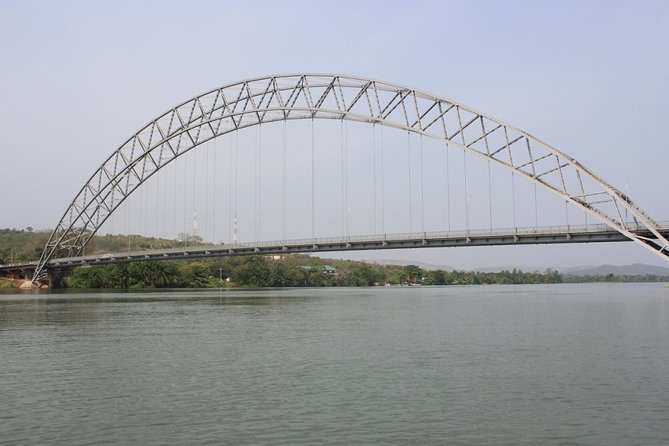
A motorboat ride on the Volta River takes you toward the Akosombo dam and Volta Lake. After the markets and workshop, the water offers a welcome shift in pace. Your overnight stay is at a resort on the Volta River.
This is an appealing day, but it is also an eight-hour outing, and the number of stops means you should expect a steady schedule. The value comes from variety: gardens, carving, beads, a boat ride, and a river resort in one day. It is less about spending hours at any single site.
Day 3: Akaa Falls and the handmade traditions of Asante
Day 3 is the heaviest day, listed at about 12 hours. The route includes a scenic drive to seasonal Akaa Falls, where reaching the bottom requires 250 concrete steps.
That stair count is important. Akaa Falls may be a fine reward for an active visitor, but the return climb can be demanding, especially in heat or after rain. The falls are seasonal, so their appearance can vary. If stairs are difficult for you, ask the operator how much of the stop can be enjoyed without going all the way down.
The rest of the day focuses on traditional Asante handcrafts in several villages. You see Kente cloth weaving, Adinkra cloth stamping, and wood carving. These visits are more meaningful than a quick souvenir stop because they connect finished objects with the work behind them.
Kente is associated with carefully woven patterned cloth, while Adinkra stamping uses repeated symbols and designs. The supplied schedule does not promise a hands-on workshop, so expect demonstrations and visits rather than assume you will make your own cloth.
You also visit a cocoa farm. That is a valuable addition because cocoa is often enjoyed far from the farms where it is grown and harvested. Here, the crop becomes part of the place rather than an abstract export product.
The day ends in Kumasi, with an overnight stay at a mid-range hotel in the city center. Kumasi is the practical base for the next day’s Ashanti sights, but the long schedule means this is likely to be a tired arrival. Wear comfortable shoes, carry water, and keep your shopping modest until you know how much room you have in the vehicle.
Same coastline, a completely different kind of day:
- The Cape Coast Day Tour
★ 5.0 · 525 reviews - The Cape Coast Tour
★ 5.0 · 177 reviews - From Accra: Cape Coast, Elmina Castle & Kakum Park Day Tour
★ 4.6 · 144 reviews - Accra Detailed City Tour
★ 4.5 · 118 reviews
Day 4: Manhyia Palace, Ashanti identity, and Kejetia Market
Day 4 is devoted to Kumasi, with about eight hours of visits. The National Cultural Center is listed as the morning museum stop and is described as one of Ghana’s best museums. It gives you a useful starting point for understanding the region’s art, customs, and cultural life.
Next comes Manhyia Palace Museum, the home of the Ashanti King. This is the place to focus on the Ashanti royal tradition and the role of the palace in Kumasi’s identity. The Komfo Anokye Sword is also part of the day’s historical material.
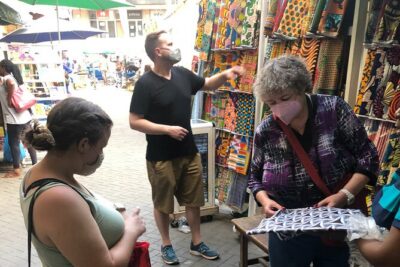
The schedule then takes you to Kejetia Market, described as West Africa’s largest outdoor market. This is not a quiet museum visit. Expect a large, active shopping setting with plenty to see and buy, but also a need to stay alert to your belongings and keep track of your group.
Kejetia is best approached with a simple plan. Decide if you want photographs, fabric, food items, or gifts, and ask Emmanuel to help with orientation and bargaining where needed. The description does not promise specific purchases or meals, so budget separately and do not assume market costs are covered.
I like the balance of palace, museum, and market. You get formal culture, royal history, and daily commerce in one day. The limitation is that Kumasi itself receives only this structured block of time. If Ashanti culture is your priority, ask before departure if extra time can be added.
Day 5: Assin Manso and the difficult history of Elmina
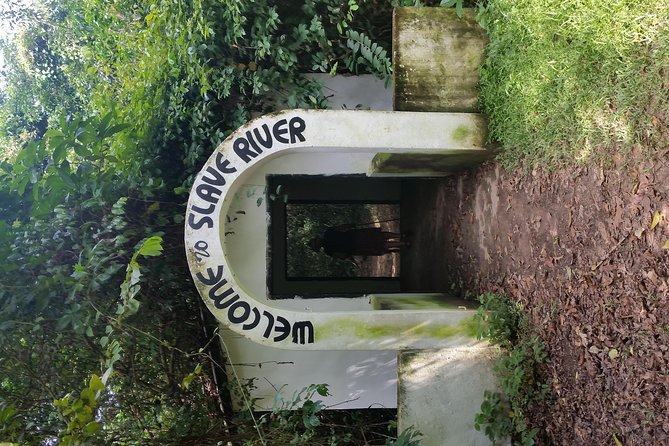
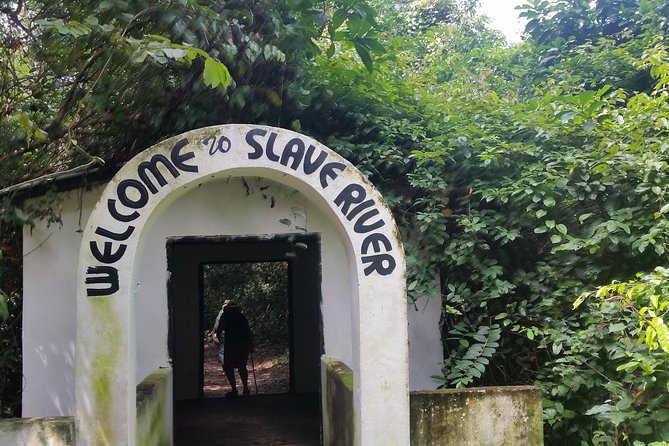
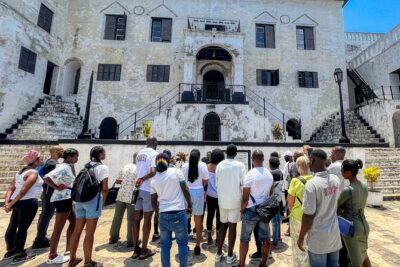
Day 5 turns toward the coast and follows the Slave Route. The first stop is the Slave River at Assin Manso, a place tied to the forced movement of enslaved Africans. This stop prepares you for the more extensive visit to Elmina Castle.
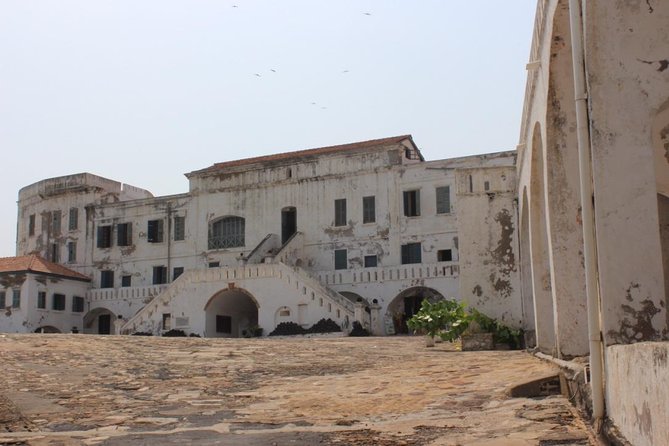
Elmina Castle is a UNESCO World Heritage Site and the oldest European structure in Africa, according to the tour details. Its history is painful, and it deserves more than a quick photograph. The value of having a guide here is the chance to place the rooms, walls, and waterfront setting within the larger story of the Atlantic slave trade.
This is one of the days when the quality of explanation matters as much as the building itself. Take your time, listen closely, and allow the site to be serious. The schedule lists about 10 hours for the day, including travel, so the castle is part of a full coastal route rather than an isolated half-day visit.
In central Elmina, you also see Posuban Shrines, Fort San Jago, and a fishing lagoon. Those stops widen the picture beyond the castle. Posuban shrines connect to local religious and social traditions, Fort San Jago adds another layer of coastal military history, and the lagoon brings you closer to the town’s working waterfront.
You spend the night at a mid-range beach resort. That is a welcome change after the road and the heavy subject matter. Still, do not confuse a beach resort overnight with a full beach holiday. The schedule does not set aside a separate day for swimming or extended relaxation.
Day 6: Kakum’s canopy walkway and the return to Accra
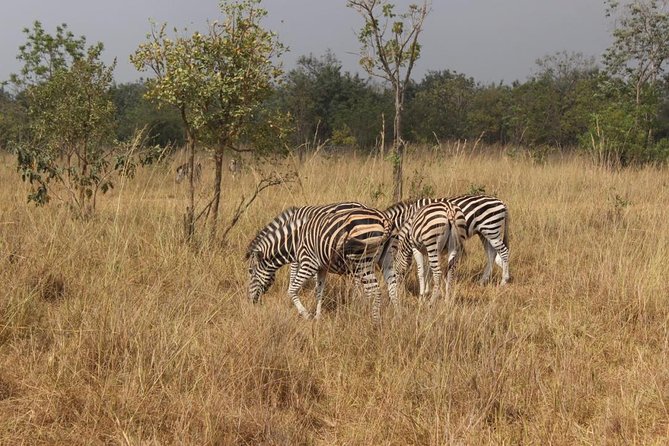
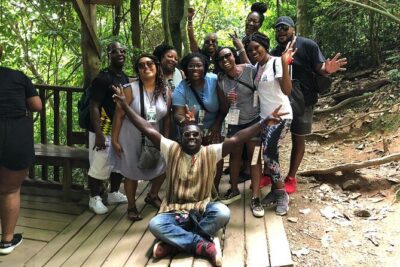
The final morning begins at Kakum National Park. Its rainforest canopy walkway is described as the highest in West Africa, and the elevated walk gives you a different view of the forest than a path at ground level.
The walkway is the day’s headline experience. If you dislike heights, you should consider that before booking, since the attraction is built around being high above the forest floor. The information provided does not state the walkway’s length or the exact time spent there, so your guide will be the best source for the day’s pace.
The route also includes crocodile ponds and a weaver bird community at Hans Botel. These stops add wildlife and birdlife to a trip otherwise centered on people, history, and craft. They also give the final day more variety than a quick park visit alone.
After Kakum, you return to Accra for drop-off at a location of your choice. The day is listed at about 10 hours, so do not plan a tight international departure immediately afterward unless the timing has been confirmed directly. The tour begins with airport pickup, but the final drop-off is described generally rather than specifically as airport transport.
What the $1,852.57 price really covers
At $1,852.57 per person, this is not a budget sightseeing package. The price becomes easier to judge once you account for the private vehicle, six days of guiding, accommodation every night, admission fees, taxes, and the fact that the route covers a large part of southern and central Ghana.
You are paying for structure and transport as much as for individual attractions. Booking each hotel, arranging a vehicle, organizing a river boat, and coordinating rural craft stops would take time and could create problems on a route with long distances. Here, those basics are grouped into one booking.
Meals and drinks are not included. That is the main extra cost to plan for, along with personal purchases at Aburi, Kejetia, the craft villages, and other stops. Since no meal plan is supplied, ask how meal breaks work before you leave. You will want to know when you can buy lunch and how much time is available.
Accommodation is described as mid-range hotels in Osu and central Kumasi, plus a Volta River resort and a coastal beach resort. The exact properties and room arrangements are not provided, so anyone with firm hotel needs should request those details before paying.
Who should book this Ghana tour?
I would choose this trip if you want a first broad introduction to Ghana and prefer a private guide to independent planning. It suits couples, families, and small groups that want their own vehicle and do not want to wait for a large coach.
It is also a strong fit for people interested in the connection between history and living culture. The route includes castles and forts, but also weaving, stamping, carving, cocoa, markets, shrines, and a river community.
You should think twice if your priority is a relaxed beach stay, a detailed Accra visit, or long independent time in Kumasi. The trip moves every day, and three days run for about 10 hours or more. The 250 steps at Akaa Falls and the Kakum canopy walkway also make mobility and comfort worth considering.
The available feedback gives special weight to Emmanuel’s service. The clearest practical themes are punctual pickups, careful driving, professional conduct, patient communication, and flexibility with trip requests. One French-speaking group also described its six-day stay as memorable, which suggests that communication can work well for international groups, though the tour details do not promise a particular language.
Cancellation is flexible only up to three full days before the start time. A cancellation made later is not refunded, and late changes are not accepted. Confirmation arrives at booking, most people can participate, and the activity is near public transportation, but specific accessibility arrangements are not detailed.
Should you book it?
Book this tour if you want Ghana in broad strokes, with the hard history of Elmina, the Ashanti center of Kumasi, the Volta River, craft villages, cocoa, and Kakum packed into one private route. The included transport, lodging, fees, and named guide make the higher price easier to defend.
Skip it, or request changes, if you need short driving days or more free time. Before booking, confirm the hotels, meal stops, final drop-off timing, language needs, and how the operator handles Akaa Falls if the steps are too much. With those points settled, this is a well-rounded and ambitious way to see Ghana in six days.
FAQ
How long is the Ghana Culture and History Tour?
The tour lasts approximately six days, beginning with airport pickup in Accra and ending with a return to Accra on Day 6.
What is included in the price?
The price includes an air-conditioned vehicle, accommodation, all listed fees and taxes, and admission tickets for the scheduled stops.
Are meals and drinks included?
No. Meals and drinks are not included, so you should budget for them separately.
Is this a private tour?
Yes. Only your group and guide participate in the activity.
Is airport pickup available?
Yes. Pickup is offered, and Day 1 includes meeting a morning arrival at Kotoka International Airport in Accra.
Which major Ghanaian sights are included?
The route includes Aburi Botanical Gardens, the Volta River and Akosombo dam area, Akaa Falls, Kumasi cultural sites, Manhyia Palace Museum, Kejetia Market, Elmina Castle, and Kakum National Park.
What is the cancellation policy?
You can receive a full refund if you cancel at least three full days before the experience start time. Cancellations or changes made less than three full days ahead are not accepted for a refund.
Just added around Accra
- Visit Aburi Garden, Tetteh Quarshie Cocoa Farm & Waterfall★ 4.0 · 4 reviews
- Historical Day Tour to Cape Coast, Elmina and Kakum★ 5.0 · 3 reviews
- Private Airport Transfer to from ACC Kotoka by Business Car★ 5.0 · 4 reviews
- Private Slave Castles and Dungeons Tour in Cape Coast, Ghana★ 5.0 · 3 reviews
- Local Ghanaian Food Tasting Tours★ 5.0 · 3 reviews
- Historical tour in Cape Coast Ghana★ 5.0 · 3 reviews
- The Door Of No Return/ Dungeon & cape Coast Castle★ 5.0 · 4 reviews
- Half Day Accra City Sightseeing Tour With Guide★ 5.0 · 3 reviews
Historical Tours, compared.

Experience the Beauty, History and the Culture Of Accra in a Day
Read our review →
Full-Day Private Culture and History Tour of Accra
Read our review →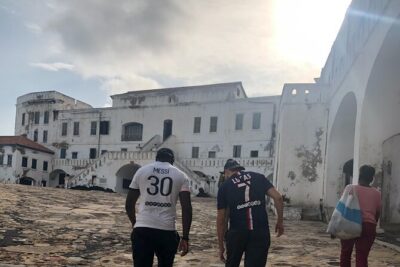
Ghana Private Historic Tour through Castles and Nature
Read our review →
7-Day Private Cultural and Heritage Tour in Ghana
Read our review →
The Historic Cape Coast and Elmina Tour (The Land of History).
Read our review →Browse the lists this tour appears in