
Reviewed · TOURS
Accra Slave Tour
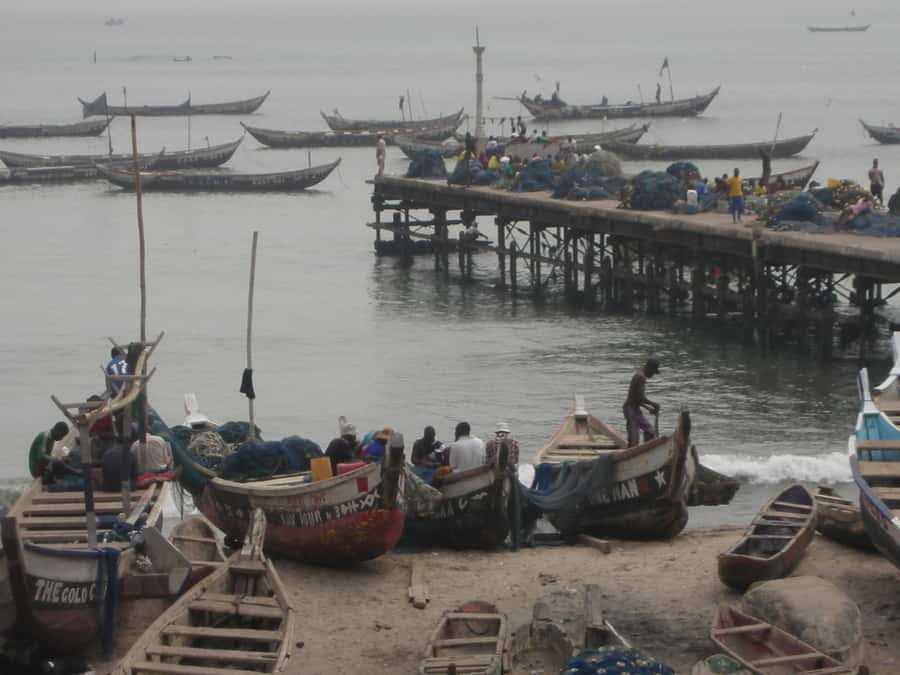
Accra’s role in the Trans-Atlantic Slave Trade is easy to miss if you only visit Cape Coast. This three-hour tour brings that story into the city, linking James Fort, Ussher Fort, the Lighthouse, Brazilian Lane, and old buildings tied to the trade.
I like two things right away: you get a local Jamestown perspective from Ritchie, while Prince handles the wider tour, and private transport keeps the outing simple. The main consideration is that this is a compact city tour, so you should expect a focused introduction rather than a full-day historical program.
Key points to know before you book
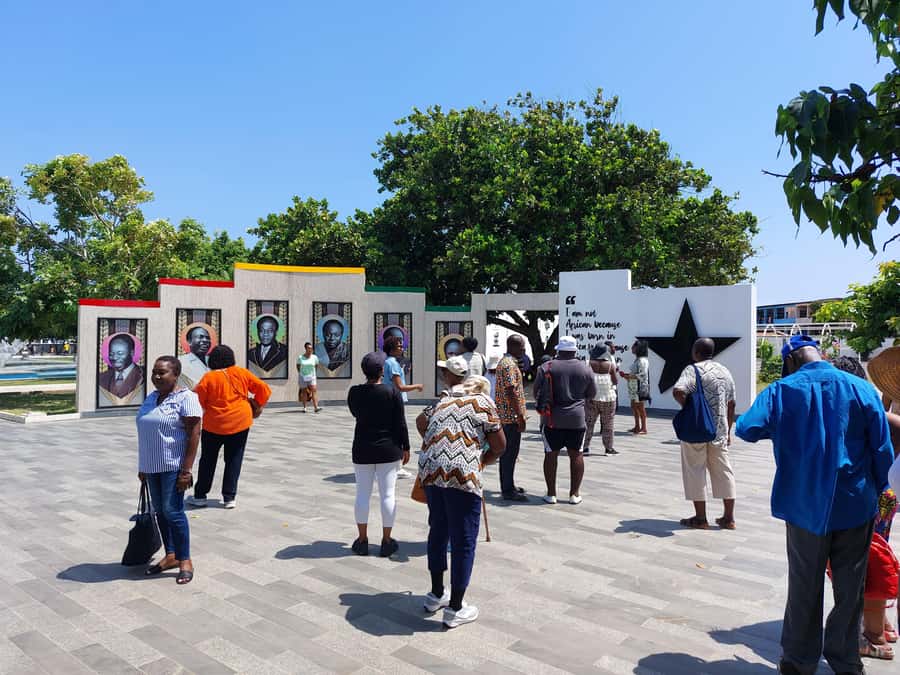
- James Fort gives the tour its historical center: Spend much of the walking portion around this former British fort and the nearby streets.
- Accra gets its own place in the story: You do not need to travel to Cape Coast to learn how the trade shaped this city.
- Ritchie adds a local Jamestown voice: His perspective helps connect the monuments to the neighborhood around them.
- Ussher Fort brings a Dutch connection: The tour points to the different European powers involved in Accra’s coastal trade.
- Shopping follows the history: You can browse after the guided visit before being dropped at your preferred Accra location.
- The $140 price buys convenience: Private transport, pickup, drop-off, fuel, water, and a guide are included, but lunch is not.
Why Accra deserves its own slave-trade tour
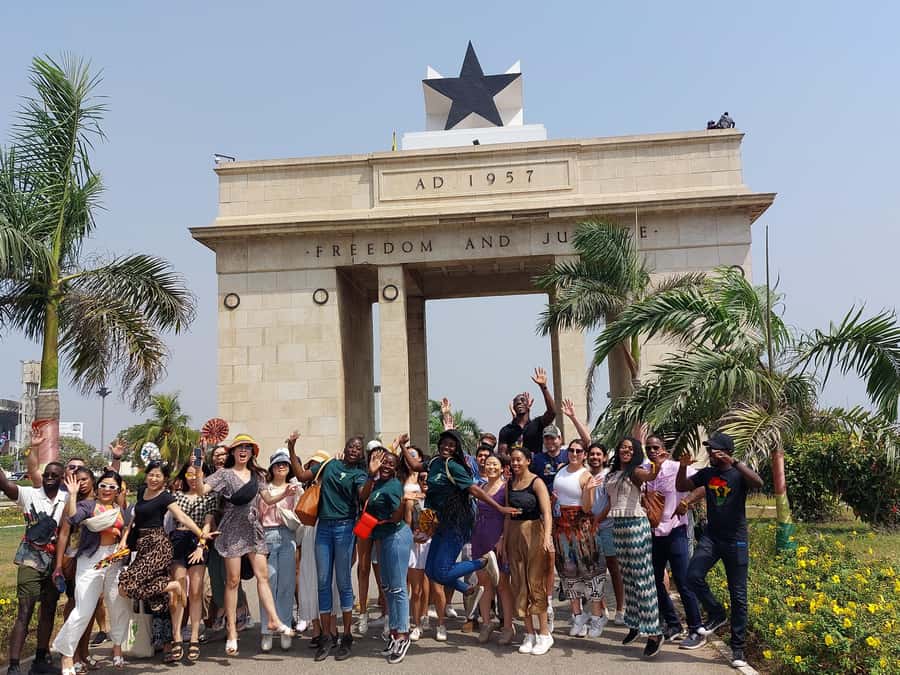
Many visitors know Cape Coast Castle as Ghana’s key site connected with the Atlantic slave trade. Accra tells a different but important part of the story. Its forts, lanes, houses, tunnels, and coastal landmarks show how the trade took root in the city and how European commercial interests shaped its early growth.
That makes this tour useful if you have only a short stay in Accra. Instead of spending a full day on the road to Cape Coast, you can examine several connected sites within the city and return to your accommodation afterward.
I also like the way the tour links history with the genesis of Accra. This is not only a visit to one preserved fort. You move through parts of the city that show how trade, settlement, and foreign influence came together. The result should feel more like a walk through a living city than a visit to an isolated museum.
Still, the subject is painful, and three hours can only cover the essentials. You may leave wanting more time for the wider history of the Gold Coast, the people affected, and the later consequences of the trade. If you want a longer, museum-style treatment, you may need to add another historical site to your Accra plans.
Other Accra days people book alongside this one:
- The Cape Coast Day Tour
★ 5.0 · 525 reviews - Experience the Beauty, History and the Culture Of Accra in a Day
★ 5.0 · 323 reviews - The Cape Coast Tour
★ 5.0 · 177 reviews
Starting with pickup in Accra
The experience begins with pickup in Accra and ends with drop-off in Accra. Transportation and fuel surcharges are included, which matters in a city tour because you do not need to arrange separate rides between the different locations.
The booking is for a private group, so you are not joining a large shared party. That gives the outing a more personal shape. You can ask questions as the sites come up, and the guide can focus the explanation on your interests, within the time available.
Water is included. Lunch is not, so plan to eat before the tour or after it. Since the activity lasts three hours, the lack of a meal is not a serious problem, but it is worth remembering if your pickup falls near lunchtime.
The starting time depends on availability. I would check that carefully before booking, especially if you have airport plans, a separate city tour, or evening reservations.
James Fort and the British chapter
The main guided portion takes place around James Fort Street and lasts about two hours. James Fort, built by the British, is one of the central places for understanding Accra’s involvement in the trade.
Here, the guide can place the fort within the wider coastal network. The important point is not simply that a European power built a fort. It is that these fortified trading posts helped organize commercial activity along the coast, including the forced movement of African people across the Atlantic.
Prince serves as the overall guide on this outing. His role is to keep the visit moving, explain the larger picture, and connect the individual places into one account. That matters because a fort can otherwise feel like a bare stone structure without a clear sense of how it fit into Accra’s development.
You should also expect walking around James Fort Street rather than spending the entire experience inside one building. Wear practical shoes and be ready to listen while moving between sites. The available information does not promise a long indoor museum visit, so approach this as a guided city walk with historical stops.
Ussher Fort and Accra’s European trading posts
The tour also includes Ussher Fort, built by the Dutch. Its presence helps show that Accra’s story involved more than one European power.
Seeing James Fort and Ussher Fort in the same outing gives you a useful comparison. You can better understand how competing foreign interests established footholds along the coast and how those forts formed part of a much larger trading system.
Ritchie, a local from Jamestown, provides the neighborhood perspective. His part of the tour is especially valuable because historical sites can feel disconnected from the people who live around them today. A guide with local roots can help you look at Jamestown as a present-day community as well as a place marked by the past.
The supplied information does not specify the exact rooms, exhibits, or tunnel access at each fort. For that reason, I would not book this expecting every interior area to be open. The strength here is the combination of place, explanation, and local context.
Same coastline, a completely different kind of day:
- From Accra: Cape Coast, Elmina Castle & Kakum Park Day Tour
★ 4.6 · 144 reviews - Accra Detailed City Tour
★ 4.5 · 118 reviews - Accra Guided City Tour Experience
★ 4.7 · 88 reviews - Accra Guided City Tour Experience
★ 5.0 · 76 reviews
The Lighthouse, Brazilian Lane, houses, and tunnels
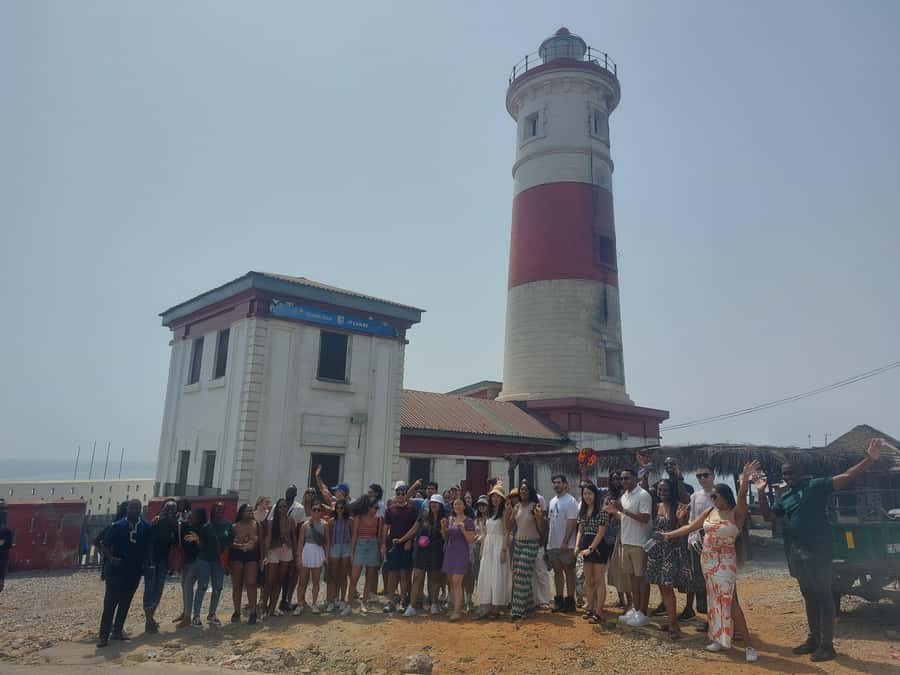
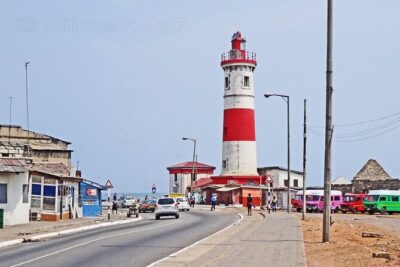
The forts are only part of the route. You also visit the Lighthouse, Brazilian Lane, and other houses and tunnels associated with the trade.
These stops make the history feel less confined to military walls. Streets and residential buildings can reveal how the commercial system reached into the wider settlement. Brazilian Lane adds another layer to the story, connecting Accra with people and places shaped by the Atlantic world.
The old houses and tunnels are also important because they point to the physical traces left behind. You may find that these sites require more explanation than a formal museum would. That is where the guide matters. Ask how each location relates to the trade, who used it, and what survives today.
The Lighthouse offers a different kind of stop from the forts and lanes. It helps you see the coastal setting tied to the story, though the information provided does not specify whether you climb it or enter it. Treat it as a sightseeing point within the wider walk, not as a guaranteed panoramic attraction.
Two guides, two useful viewpoints
One of the strongest details of this experience is the pairing of Prince and Ritchie. Prince is described as the overall guide, while Ritchie is a Jamestown local who brings specific knowledge and personal perspective to the neighborhood portion.
That division works well for a tour of this kind. You need someone to explain the broad sequence of events, but you also benefit from someone who knows the streets and community firsthand. Ritchie’s enthusiastic approach can help keep the visit from becoming a list of dates and fort names.
I would use the private format to ask direct questions. You might ask how Accra differs from Cape Coast in its connection to the trade, what the forts were used for, or how the old buildings fit into the city today. The tour is conducted in English, so you should be comfortable following an English-language explanation.
The experience has a top rating from three published bookings, including a June 2025 booking that specifically praised Prince’s guiding and Ritchie’s local insight. That is a small sample, so I would treat it as encouraging rather than final proof. The named guides and their roles are still useful details when deciding if this is the right fit.
Shopping after the historical visit
The tour gives you a chance to shop at the end before drop-off. This is a practical touch, especially if you want to combine history with time to look for local goods without arranging another stop.
The details do not specify the market, shops, products, or shopping duration. Keep your expectations flexible. You have an opportunity to browse, but shopping should not be the main reason you book the experience.
I like this ending because the subject of the tour is heavy. Moving from a serious historical visit to a normal city activity gives you a little breathing room before returning to your accommodation. You can also ask to be dropped at your preferred location in Accra, making it easier to continue your day.
Is $140 a fair price?
At $140 per person, this is not the cheapest way to spend three hours in Accra. The value depends on how much you care about private service and historical guidance.
The price includes pickup and drop-off, transportation, fuel surcharges, an English-speaking guide, and water. You are paying for a prepared route and private transport rather than simply hiring a guide at one fort. If you are traveling with family or a small private group, that convenience may justify the cost.
The price is harder to defend if you mainly want to see the outside of one fort or prefer to explore independently. The tour lasts three hours, lunch is excluded, and the exact amount of time at each secondary stop is not specified.
For me, the strongest value comes from the range of places covered in a short period. You get James Fort, Ussher Fort, the Lighthouse, Brazilian Lane, old houses, tunnels, and a local Jamestown guide. That is a useful package for a first visit, particularly when your schedule does not allow a trip beyond Accra.
Who should book this Accra history tour?
I would recommend it to you if you want a clear introduction to Accra’s connection with the Trans-Atlantic Slave Trade and prefer a guide to help interpret the sites. It also suits people who value hotel pickup, private transport, and a flexible drop-off more than the lowest possible price.
The tour is a good fit for:
- First-time visitors with only a few hours for historical sightseeing
- People who want Accra’s story rather than only a Cape Coast excursion
- Families or private groups who prefer not to join a large party
- Shoppers who want to add browsing after the guided visit
- Anyone interested in local perspective from Jamestown
You may want something else if you need a full museum day, a detailed academic treatment, or a longer visit to Cape Coast. This tour offers a focused city experience, not a complete account of Ghana’s entire role in the Atlantic slave trade.
You can cancel up to 24 hours ahead for a full refund, and the reserve-now, pay-later option keeps your plans flexible. Those terms are helpful when your Accra schedule is still shifting, though you should still check the available start times before committing.
Should you book the Accra Slave Tour?
Book it if you want to understand why Accra matters in the story and you value a private, guided route through several connected sites. The combination of James Fort, Ussher Fort, Brazilian Lane, the Lighthouse, and Jamestown makes better use of your time than visiting one monument alone.
The best reason to choose it is the guide team. Prince provides the overall structure, while Ritchie adds a local Jamestown viewpoint. Just remember that three hours gives you a focused introduction, not the final word on this difficult subject.
FAQ
Where does the Accra Slave Tour begin and end?
The tour includes pickup in Accra and returns you to Accra. Drop-off can be made at your preferred location.
How long does the tour last?
The experience lasts three hours. The guided sightseeing and walking portion around James Fort Street takes about two hours.
Which places are included?
The tour includes James Fort, Ussher Fort, the Lighthouse, Brazilian Lane, and other houses and tunnels associated with the Trans-Atlantic Slave Trade.
Who leads the tour?
Prince serves as the overall guide, and Ritchie, a Jamestown local, guides the neighborhood portion. The tour is conducted in English.
Is transportation included?
Yes. Pickup and drop-off, transportation, fuel surcharges, a tour guide, and water are included. Lunch is not included.
Can I cancel or pay later?
You can cancel up to 24 hours in advance for a full refund. You can also reserve now and pay later, subject to the booking terms.
Just added around Accra
- Visit Aburi Garden, Tetteh Quarshie Cocoa Farm & Waterfall★ 4.0 · 4 reviews
- Historical Day Tour to Cape Coast, Elmina and Kakum★ 5.0 · 3 reviews
- Private Slave Castles and Dungeons Tour in Cape Coast, Ghana★ 5.0 · 3 reviews
- Local Ghanaian Food Tasting Tours★ 5.0 · 3 reviews
- Private Airport Transfer to from ACC Kotoka by Business Car★ 5.0 · 4 reviews
- The Door Of No Return/ Dungeon & cape Coast Castle★ 5.0 · 4 reviews
- Historical tour in Cape Coast Ghana★ 5.0 · 3 reviews
- Cape Coast Castle and Kakum National Park 2-Day Private Tour★ 5.0 · 3 reviews
Tours, compared.

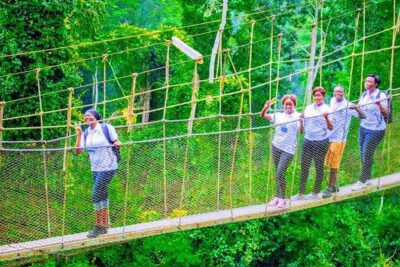

Cape Coast, Elmina Castle & Kakum Park Day Tour
Read our review →
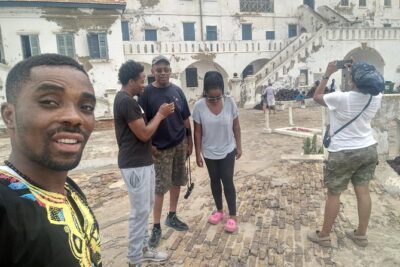
Boti Falls, Umbrella Rock, Aburi Gardens & Cocoa Farm Tour
Read our review →Browse the lists this tour appears in