

Reviewed · ACCRA TOURS
Accra E-waste and Recycling experience in Agbogbloshie
Agbogbloshie is not a polished museum exhibit. It is a working scrap-metal community where old computers and other electronics are taken apart by hand, valuable materials are recovered, and environmental costs are impossible to ignore. The sharpest part of this experience is seeing the full chain up close, from Accra’s market streets to a site shaped by the world’s discarded goods.
I like the private format, since your guide can answer questions without a large group pulling the conversation in ten directions. I also like the pairing of Makola Market with Agbogbloshie. You get daily city life first, then a hard look at what happens after products are no longer wanted.
The main drawback is the setting. Smoke, chemical odors, open fires, rough ground, and difficult working conditions can make this an upsetting visit. You should book it to learn, not to collect dramatic photographs.
Key points to know before booking

- Two very different Accra stops: A walk through Makola Market comes before the scrap-metal site, giving the tour a useful city-to-industry flow.
- A private activity: Only your group takes part, with pickup offered from your accommodation.
- About two to three hours: The schedule allows roughly one hour at Makola Market and two hours around Old Fadama and Agbogbloshie.
- Guides who explain the work: Kwame, Daniel, and Sadik Aweisu are named in the available information, with emphasis on clear explanations and patient service.
- A serious environmental lesson: You see electronics dismantled for copper and other useful materials, alongside the health and environmental dangers of unsafe processing.
- Full refund up to 24 hours ahead: Cancellations made at least 24 hours before the start time qualify for a full refund.
Why Agbogbloshie changes the way you see waste
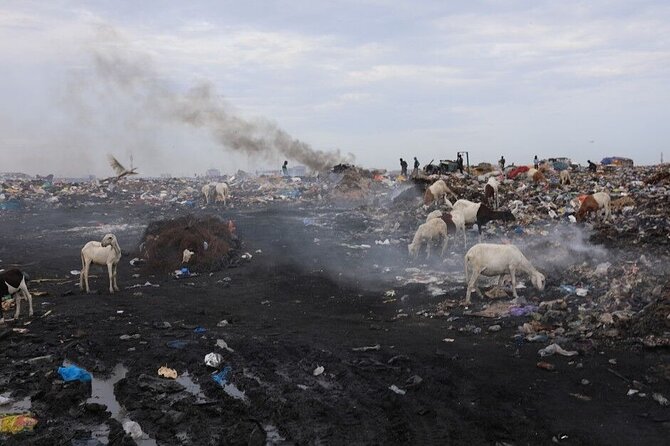
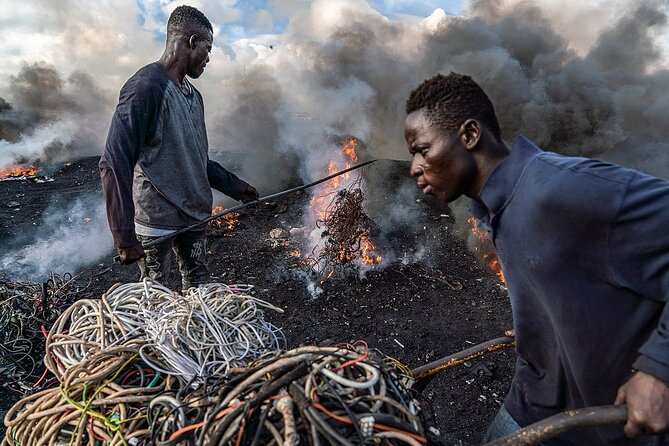
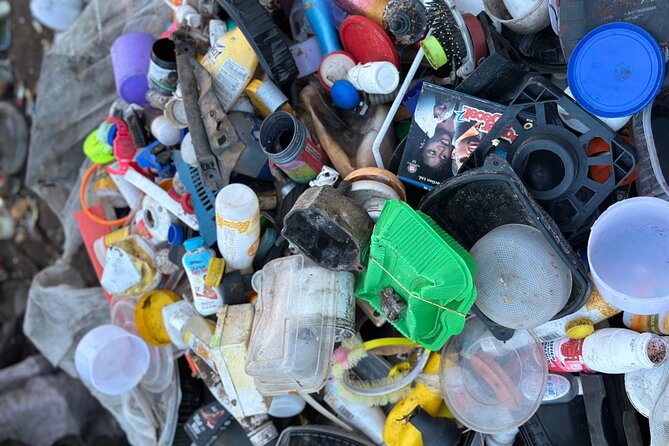
It is easy to think of recycling as a neat row of bins, collection trucks, and modern processing plants. This visit offers a far less comfortable picture. At Agbogbloshie, workers manually dismantle unwanted electronics and sort out materials that still have value.
The work can include stripping computers, extracting copper, and separating metal from plastic. Some accounts of the site also describe plastic being burned in the open, producing fumes and a strong chemical smell. The tour’s value comes from showing both sides at once: recycling creates income and recovers raw materials, but unsafe methods can harm workers and the surrounding area.
That tension is the point. You are not being shown a simple success story. You are seeing a local economy built around an international waste problem. The electronics may have been used elsewhere, but their final handling affects people here.
A guide gives the visit structure and context. Without one, you might see heaps of equipment, smoke, tools, and activity without understanding what each stage means. Guides named in the tour information include Kwame, Daniel, and Sadik Aweisu. The strongest comments about the experience focus on their clear explanations, patience, friendliness, and ability to answer questions.
Other Accra days people book alongside this one:
- The Cape Coast Day Tour
★ 5.0 · 525 reviews - Experience the Beauty, History and the Culture Of Accra in a Day
★ 5.0 · 323 reviews - The Cape Coast Tour
★ 5.0 · 177 reviews
Makola Market: one hour among Accra’s everyday trade
The tour begins with a walk past or through Makola Market, Accra’s large central market district. This is a useful opening because it places the rest of the visit in the middle of ordinary city life rather than treating Agbogbloshie as an isolated attraction.
Expect a mix of indoor and outdoor market areas, women traders, shoppers, goods, voices, and the constant movement of commerce. The route is intended to give you a look at the color and energy of central Accra. You can also shop for something small and take photographs, provided you do so respectfully and follow your guide’s direction.
I like this first hour because it gives you a human setting before the more difficult stop. Makola is not simply filler between the hotel and the scrapyard. It shows how people buy, sell, work, and earn a living in the city. That makes the later conversation about informal recycling easier to understand.
Still, keep your expectations in check. The market portion is described as a walk past the location, not as a specialist food tour, shopping tour, or history lecture. If you want a long session with individual vendors, you may find the time brief. Its purpose is to provide a lively introduction to Accra and to form part of the drive and walking route.
The market can also be a place where a guide’s local judgment matters. You will be moving through a busy public area, so stay with your group, keep valuables secure, and ask before taking close-up photographs. Those are sensible habits anywhere, but especially useful in a crowded market.
Old Fadama and Agbogbloshie: seeing the work behind the headlines
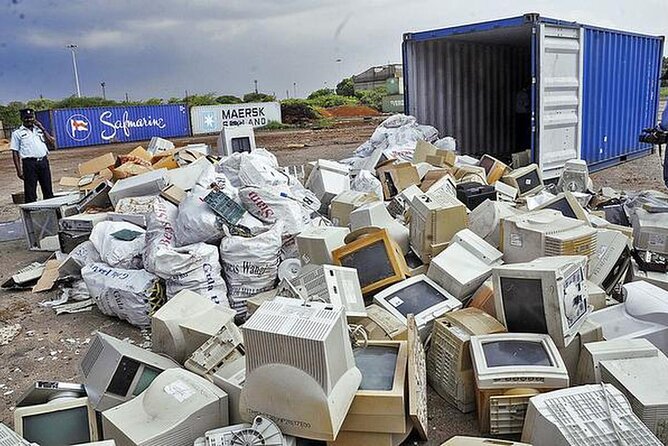
The second stop lasts about two hours and is the core of the experience. Old Fadama, also identified here with Agbogbloshie, is presented as Ghana’s largest center for electronic-waste recycling and disposal. The tour combines driving and walking, allowing you to see the area from more than one angle.
You might see workers breaking down computers and other electronics, sorting metals, and recovering copper or other useful material. The work is practical and manual. Rather than placing the process behind factory walls, the visit brings you close to the people who make a living from materials that others have thrown away.
That closeness can be powerful, but it can also feel intrusive if handled badly. The most respectful approach is to listen first, ask permission before photographing people, and remember that this is a workplace and community, not a stage set. A good guide should help you understand where to walk, when to pause, and how to behave.
The physical conditions are a serious consideration. The setting may include rough paths, smoke from burning plastic, chemical odors, and visible pollution. The available descriptions repeatedly frame the site as hazardous as well as useful. You should prepare for an intense visit and avoid treating the difficult conditions as entertainment.
The tour also draws attention to creative work by young people who turn e-waste into useful products. That detail matters because it moves the story beyond dumping. People are finding ways to recover value from damaged goods and build livelihoods from materials with few other uses.
At the same time, you should not mistake resourcefulness for safety. The activity presents the practical recycling economy while also explaining the environmental and health concerns connected to it. That balance is one of the strongest reasons to go with a guide rather than simply passing by in a vehicle.
What the guide adds to a difficult subject
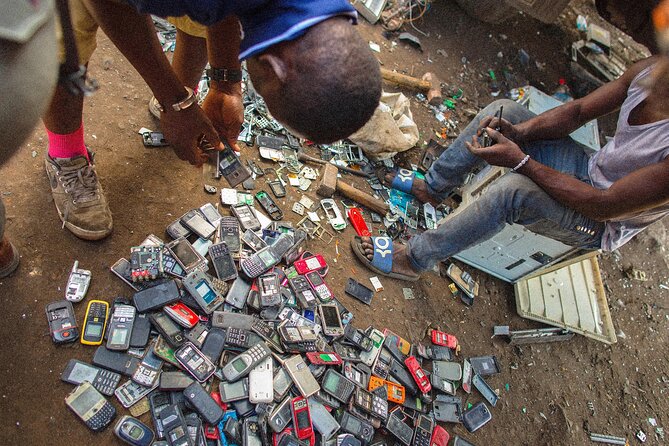
The guide is not just there to point out piles of electronics. The intended role is to explain how waste arrives, how it is dismantled, what materials workers seek, and how the process affects the community.
The named guides connected with this experience include Kwame, Daniel, and Sadik Aweisu. The strongest praise centers on their subject knowledge, professional manner, responsiveness, and friendly approach. Daniel is described as patient and attentive to visitor needs, while Sadik Aweisu is singled out for giving valuable information about the site and the way waste is handled.
Because the tour is private, you have room to set the pace of the conversation. Ask where the electronics come from, what parts are worth recovering, what happens to the remaining material, and how the work supports local households. The provided description promises a guide who can answer questions, so arrive with a few ready.
I would also ask about photography before raising your camera. Images of smoke, workers, and discarded electronics can be striking, but the people at work deserve more consideration than a quick souvenir shot. A guide can help you tell the difference between a respectful picture and an unwelcome one.
The guide’s tone matters greatly here. If the visit is presented only as an exotic spectacle, it misses the real issue. If it is explained as a working community dealing with a global waste stream, you leave with a more useful understanding.
Same coastline, a completely different kind of day:
- From Accra: Cape Coast, Elmina Castle & Kakum Park Day Tour
★ 4.6 · 144 reviews - Accra Detailed City Tour
★ 4.5 · 118 reviews - Accra Guided City Tour Experience
★ 4.7 · 88 reviews - Accra Guided City Tour Experience
★ 5.0 · 76 reviews
How the private format affects the experience

This is a private tour, so only your group participates. That makes the $80 price easier to assess. For one person, it is not a cheap short outing. For two or more people, especially if pickup and guiding are important to you, the cost can make more sense because you are paying for a dedicated vehicle and guide rather than a seat on a large group excursion.
The private setup also helps with a sensitive subject. You can ask questions without worrying that a stranger is waiting for the guide to move on. If you need a quieter moment at the scrap-metal site, your group may have more flexibility than it would on a fixed group schedule, though the actual pace remains subject to local conditions.
Pickup is offered, and the activity ends back at the meeting point. The information describes access near public transportation, but the pickup option removes much of the guesswork for visitors staying in Accra. Confirmation arrives at booking, and mobile tickets are supported.
The listed duration is approximately two to three hours. The two stops are allocated about one hour for Makola Market and two hours for Old Fadama and Agbogbloshie, though traffic and the pace of the walking sections can affect the day. Treat the schedule as a useful guide rather than a promise of a minute-by-minute finish.
The experience is generally suitable for most participants, and service animals are allowed. Even so, the site conditions deserve more thought than the general participation note suggests. You should be comfortable walking through a rough, active work area and being around smoke or strong smells.
What to bring and how to behave
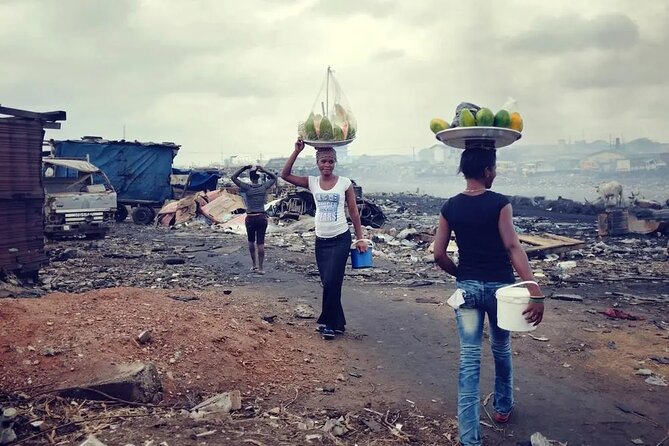
Wear practical clothes and shoes suitable for walking. The information does not specify a dress code or required equipment, so do not assume that protective clothing, masks, or special footwear are supplied.
A few simple choices can improve the visit:
- Bring water for the walking sections.
- Keep your belongings close in the market.
- Ask before taking photographs of workers or residents.
- Stay with the guide in the scrap-metal area.
- Do not touch electronics, tools, fires, or discarded materials.
- Tell the guide if smoke or fumes make you uncomfortable.
- Use the visit to ask questions, not to judge people earning a living in difficult conditions.
The site can produce a strong emotional response. You may feel impressed by the workers’ skill, troubled by the pollution, or both at the same time. That is normal. Give yourself time to process what you see instead of rushing straight into another activity.
This is also a useful tour for families with older teenagers who are beginning to think about consumption, cheap electronics, repairs, and waste. Younger children may find the smoke, noise, and working conditions upsetting, but the supplied information does not set a minimum age, so ask the provider if that is important for your group.
Is $80 a fair price?
The price is $80 per person. Value depends on what you want from a short Accra outing.
If you are looking for a relaxed sightseeing trip, this is probably not the best use of your money. The subject is difficult, the environment is rough, and the visit may leave you unsettled rather than entertained.
If you want direct access to a subject that is normally hidden from view, the price is more defensible. You receive pickup, a private guide, a market visit, and a structured explanation of e-waste recycling. The guide’s role is especially important, since the cost is not simply for transport to a scrap yard.
The tour is also more worthwhile if you ask questions and engage with the topic. A passive ride past piles of electronics would offer limited value. A private conversation about materials, work, sustainability, and local income can turn the visit into a meaningful lesson.
Booking about 23 days ahead is the typical pattern given for this experience. If your Accra schedule is fixed, reserve early enough to secure your preferred date. Free cancellation is available until 24 hours before the start time. After that cutoff, the amount paid is not refunded, and changes made within 24 hours are not accepted.
Who should book this Accra e-waste tour?
I would recommend it to you if you want to understand the afterlife of consumer goods. It suits people interested in sustainability, development, environmental policy, urban life, photography with a strong ethical focus, and the informal economy.
It is also a good fit if you prefer a local guide and a small, private setting. You will have space to ask direct questions and consider what you are seeing without a large crowd.
You should think twice if you want a light holiday activity, dislike smoke or strong odors, or feel uncomfortable visiting an active worksite. The experience is not designed to make Agbogbloshie look pretty. Its power comes from showing an uncomfortable reality.
The best visitors arrive with humility. You are not going to rescue the community in two hours, and you are not going to understand every part of Ghana’s waste system in one visit. You can, however, leave with a clearer sense of how global consumption creates local work, income, risk, and environmental damage.
Should you book it?
Book this tour if you want an honest look at e-waste recycling in Accra and are prepared for difficult sights, smoke, and serious discussion. The combination of Makola Market and Agbogbloshie gives the outing more range than a visit to the scrap site alone, while the private format makes the $80 price easier to justify for a small group.
Skip it if you want an easygoing city tour or a carefully arranged eco-attraction. This is a working community, not a staged exhibit. Go with respect, listen to Kwame, Daniel, or Sadik Aweisu if assigned to your group, and treat the experience as a lesson in where waste goes after you stop seeing it.
FAQ
How long does the Accra e-waste tour last?
The experience lasts approximately two to three hours. The planned stops allow about one hour at Makola Market and two hours around Old Fadama and Agbogbloshie.
How much does the tour cost?
The listed price is $80 per person.
Is pickup available?
Yes. Pickup is offered from your accommodation, and the activity ends back at the meeting point.
Is this a private tour?
Yes. Only your group participates in this private activity.
What places does the tour visit?
The experience includes Makola Market and Old Fadama, also identified with the Agbogbloshie scrap-metal and e-waste area.
Can I cancel for a full refund?
Yes, if you cancel at least 24 hours before the experience start time. Cancellations made within 24 hours are not refunded.
Are service animals allowed?
Yes. Service animals are allowed, and the activity is near public transportation.
Just added around Accra
- Visit Aburi Garden, Tetteh Quarshie Cocoa Farm & Waterfall★ 4.0 · 4 reviews
- Historical Day Tour to Cape Coast, Elmina and Kakum★ 5.0 · 3 reviews
- Private Airport Transfer to from ACC Kotoka by Business Car★ 5.0 · 4 reviews
- Private Slave Castles and Dungeons Tour in Cape Coast, Ghana★ 5.0 · 3 reviews
- Local Ghanaian Food Tasting Tours★ 5.0 · 3 reviews
- The Door Of No Return/ Dungeon & cape Coast Castle★ 5.0 · 4 reviews
- Historical tour in Cape Coast Ghana★ 5.0 · 3 reviews
- Cape Coast Castle and Kakum National Park 2-Day Private Tour★ 5.0 · 3 reviews
Accra Tours, compared.


Experience the Beauty, History and the Culture Of Accra in a Day
Read our review →

Cape Coast, Elmina Castle & Kakum Park Day Tour
Read our review →

Browse the lists this tour appears in