
Reviewed · GUIDED
9-Day Private Guided Tour of West Africa (Ghana, Togo & Benin)
The most striking part of this tour is its reach. In nine days, you move from Accra’s independence monuments to Ghana’s rainforest, then across Togo and into Benin for Ouidah’s religious sites, slave-trade memorials, and Ganvie’s stilt village. I like the private car and personal guide, since they make a demanding route easier to manage. I also like the mix of big sights and smaller encounters, from monkeys at Tafi Atome to the markets of Lomé.
The drawback is the pace. This is not a slow holiday, and several days involve long drives, border formalities, and multiple stops. The $3,700 price is substantial, although it covers private transport, guiding, WiFi, and eight breakfasts. I would choose it for a first West Africa trip, but not if you want long, unplanned afternoons.
Key points to know before booking
- Three countries in nine days: Ghana, Togo, and Benin are joined in one tightly planned route from Accra.
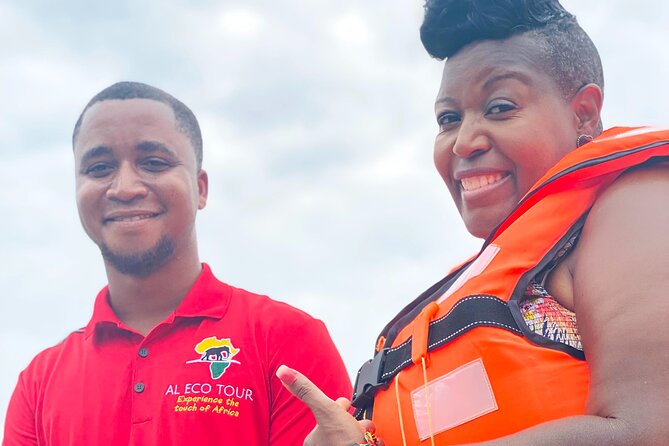
- Samuel is the key contact: The guide is described as warm, attentive, and willing to adjust the trip around your interests.
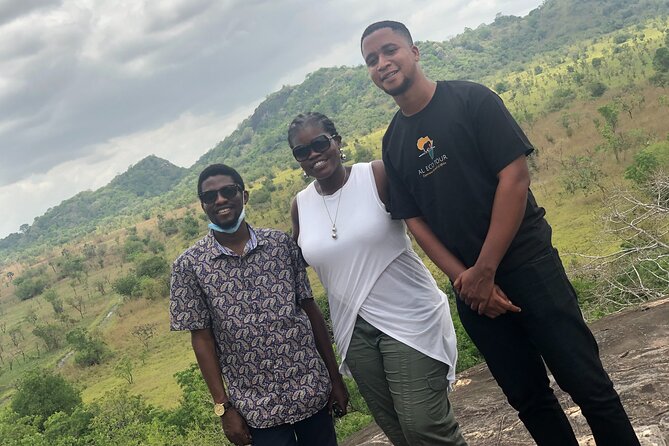
- Nature comes early: Kakum’s canopy walk, Tafi Atome’s monkeys, Mount Afadjato area, and Wli Waterfalls add welcome variety to the historical visits.
- The difficult history is central: Elmina Castle, Agbodrafo, Ouidah, and the Door of No Return require time and emotional attention.
- Private transport matters: The air-conditioned vehicle has WiFi, a practical advantage during long road days.
- Some costs remain outside the package: Bicycle use costs $10 per hour, while eight breakfasts are included rather than nine.
Why this route works as a first look at West Africa
This tour gives you a broad introduction rather than a single-country study. Accra supplies the political and cultural setting, southern Ghana adds forests and coastal history, Togo brings markets and religious traditions, and Benin focuses on Ouidah and Ganvie.
I like that the route does not rely only on museums. You will walk through markets, see wildlife, visit a working cultural village, and spend time at sites connected to the Atlantic slave trade. That range helps you understand the region through daily life as well as formal monuments.
The route also has a useful practical feature: it is private. Only your group participates, so you can ask questions, slow down at a meaningful site, or discuss changes with your guide. Samuel, also referred to as Sam, is the named guide associated with the experience. His role appears to include pre-trip communication and adjustments based on your interests.
Still, private does not mean leisurely. The itinerary has fixed stops nearly every day. You should expect early starts, time in the car, and a fair amount of walking in heat. Start time is 8:00 a.m., and pickup is offered from an agreed point.
A few more Accra trips to weigh up
- Private Car Service
★ 5.0 · 59 reviews - Private Aburi Hill Guided Tour
★ 5.0 · 34 reviews - Full-Day Accra Safari and Boat Cruise Private Tour
★ 5.0 · 32 reviews
Day 1 in Accra: an easy arrival and orientation
The first day is deliberately simple. You meet at your pickup point in Accra, with about an hour set aside for the initial meeting and transfer arrangements.
That may seem like a light start, but it is useful after an international arrival. You can confirm the next morning’s plan, meet Samuel, and settle into the private vehicle. Since the tour begins and ends in Accra, the opening day also gives you a clear point of reference before the route heads west and north.
I would use this day to ask practical questions about border crossings, footwear for the waterfall visit, and how much time you will have at markets. The schedule is packed enough that a little early coordination can make the rest of the trip easier.
Day 2: Accra’s independence story and busy city center
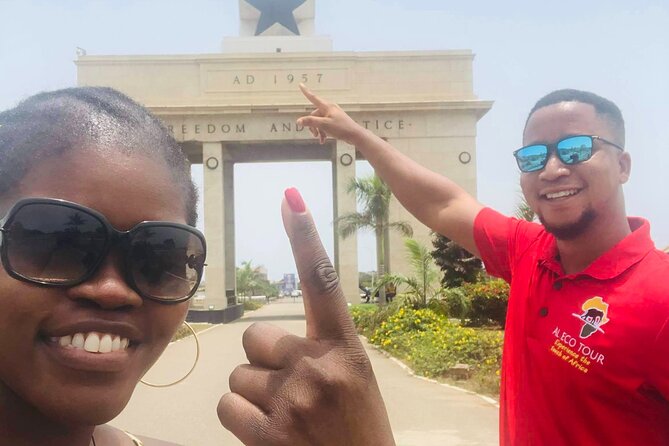
The Accra city day begins at the Dr. Kwame Nkrumah Memorial Museum and Black Star Square. About an hour is planned at the museum, followed by 30 minutes at the square.
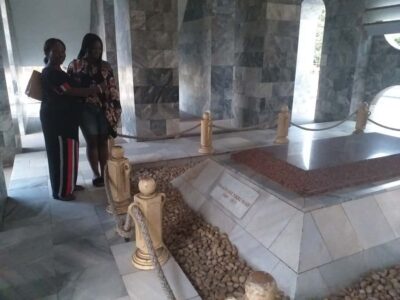
Nkrumah’s memorial is an important starting point for understanding Ghana’s modern political identity. The visit gives context to the country’s independence and to the symbolic public spaces that follow. Black Star Square, with its national associations, is more about scale and civic symbolism than a long indoor visit.
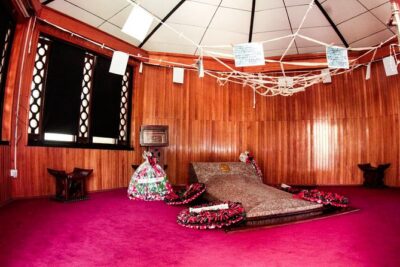
The W.E.B. Du Bois Memorial Center adds another layer. You have about 40 minutes there, enough for a focused visit rather than an extended study. Its presence on the route connects Ghana to the wider history of Pan-African thought and to the relationship between African American intellectual life and the continent.
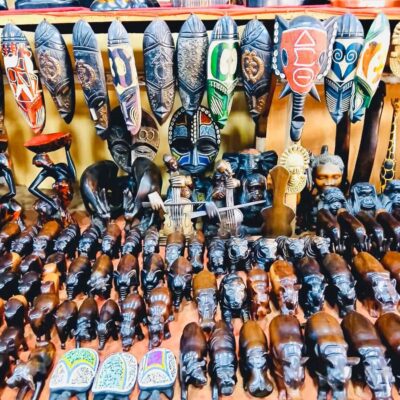
The day finishes with the Art Centre and Makola Market. Allow about an hour, though this is the sort of stop where your experience may depend on how much browsing and negotiation you enjoy. The Art Centre is a good place to look at Ghanaian crafts, while Makola gives you a more everyday commercial setting.
I like this day because it avoids treating Accra as only a starting point. You see national monuments, an important memorial center, art, and a market. The limitation is time. One hour for the Art Centre and Makola Market is enough for a taste, not a full shopping session.
Day 3: Kakum’s canopy walk and Elmina Castle
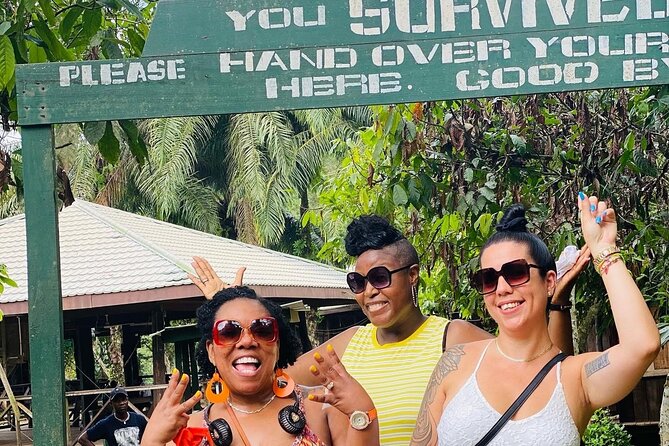
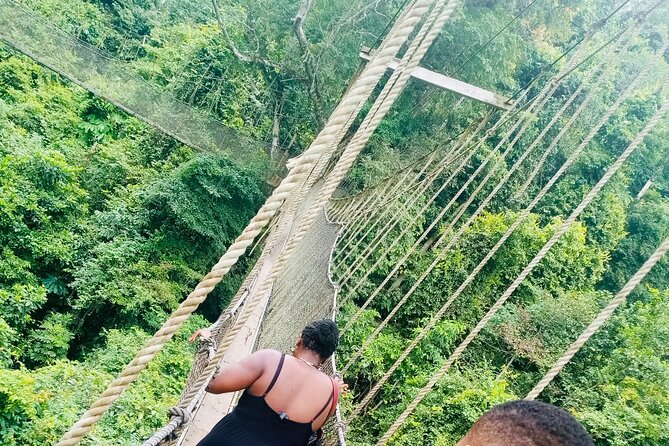
Day three shifts from the capital to two of Ghana’s best-known attractions. At Kakum National Park, you have about an hour for the canopy walk experience, with admission included.
The canopy walkway is the main reason to visit. It changes your view of the forest by lifting you above ground level, and it brings a physical element to the day after the city sightseeing. The park also introduces local flora and fauna, though the planned visit is short. If you want a long forest walk, this schedule may feel limited.
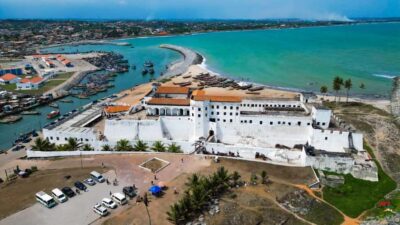
The second stop is Elmina Castle, with about an hour set aside. The castle is not a light attraction. Its rooms and coastal setting are tied to the Atlantic slave trade, and a visit here calls for attention rather than rushing from one photo stop to the next.
The tour gives you a useful contrast: Kakum’s forest environment followed by a site shaped by commerce, violence, and colonial power. I would make sure your guide has time to explain the castle’s role, since the meaning of the place matters as much as its architecture.
This is also one of the days when the private vehicle earns its keep. You are covering ground between Accra, Kakum, and Elmina, and the air conditioning and onboard WiFi provide some comfort between visits.
Same coastline, a completely different kind of day:
- The Cape Coast Day Tour
★ 5.0 · 525 reviews - Experience the Beauty, History and the Culture Of Accra in a Day
★ 5.0 · 323 reviews - The Cape Coast Tour
★ 5.0 · 177 reviews - From Accra: Cape Coast, Elmina Castle & Kakum Park Day Tour
★ 4.6 · 144 reviews
Day 4: monkeys, Mount Afadjato country, and Wli Waterfalls

Day four is the most outdoors-focused part of the Ghana section. At Tafi Atome Monkey Sanctuary and Cultural Village, you have two hours, with admission included.
The sanctuary offers a chance to see monkeys in a setting connected to the local community. The cultural village component matters here. It keeps the visit from being only a wildlife stop and gives you a look at how conservation and local culture are presented together.
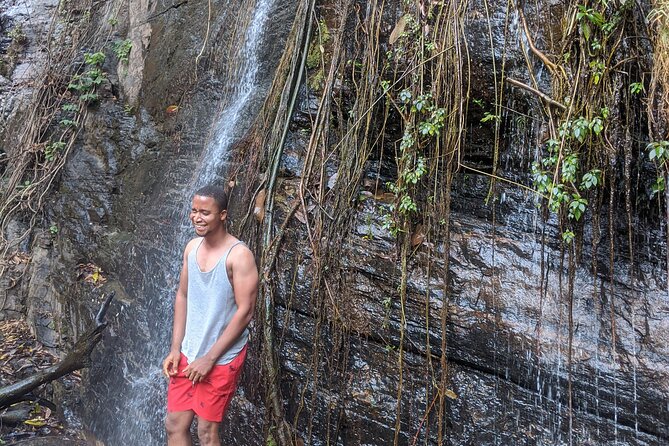
The itinerary also highlights Mount Afadjato and Wli Waterfalls. The supplied schedule lists one hour at Wli Waterfalls, with admission included. The waterfall visit brings a strong visual change after the city and castle days, and the route is described as including local flora and fauna around this part of Ghana.
You should pay attention to footwear and weather. The tour requires good weather, and outdoor conditions can affect the experience. The schedule does not promise a long hike or specify trail difficulty, so ask before departure if you want exact walking details.
I especially like the balance here. Monkeys, village culture, mountain scenery, and a waterfall make this day feel different from the historical stops. The main caution is that one hour at the falls may be short if you hoped for a slow walk or extended time in the area.
Day 5 in Lomé: four hours for the Grand Marché
The fifth day crosses into Togo and focuses on Lomé. Four hours are allocated to the Grand Marché, making it the longest single stop in the itinerary.
That much time is useful. Markets are not attractions you can fully understand in ten minutes. You can browse, compare goods, watch the flow of trade, and take breaks rather than being pushed through a quick photo stop. If you enjoy local commerce, this may become one of the most rewarding parts of the tour.
The schedule then moves to the monument of independence and the National Museum, with about an hour combined for the listed museum and monument visit. These stops add national context after the sensory overload of the market.
The day ends at Akodessewa, described as the largest fetish market in Africa, with about an hour planned. This is a site where a respectful attitude matters. You may find the displays confronting or unfamiliar, and your guide’s explanation is important. The visit is about understanding religious practices and local traditions, not simply collecting unusual images.
The Lomé day is a good example of the tour’s broad scope. It includes commerce, state history, museum material, and traditional religious culture. It is also a busy day, so keep your expectations practical. Four hours in a market can be tiring, especially in warm weather.
Day 6: Agbodrafo and Togo Ville
Day six gives you five hours at Agbodrafo, including a visit to the slave castle and Togo Ville. This is one of the longer historical and cultural blocks on the route.
The extra time is welcome. Sites connected to slavery deserve more than a hurried stop, and Togo Ville adds a different setting from Lomé’s urban market district. You can expect the day to feel more reflective and less crowded with separate attractions.
Agbodrafo also connects the Togo section with the earlier visit to Elmina Castle and the later visits in Ouidah. Taken together, these places help you see how coastal West Africa was drawn into the Atlantic slave trade. The tour does not treat the subject as a single isolated monument. It returns to it across several countries and locations.
This is a day when I would let the guide set the pace. Five hours is long enough for questions and discussion, but the emotional weight may make you want quiet time too. Comfortable clothing and water are sensible choices, even though the exact facilities along the route are not specified.
Day 7 in Ouidah: pythons, museums, and the Door of No Return
Benin’s Ouidah day is built around religious tradition and the memory of the slave trade. The Temple des Pythons receives about an hour, followed by the Ouidah Museum of History and the Door of No Return.
The Temple des Pythons is one of the tour’s most unusual stops. It offers an introduction to religious practices associated with the region, and it is best approached with respect rather than surprise-seeking. The guide can help explain what you are seeing and why the site matters.
The Ouidah Museum of History provides a more structured setting. After the temple, the museum helps place local beliefs, regional politics, and the slave trade into a wider story. About an hour is planned, which should allow a focused visit.
The Door of No Return gets only 20 minutes. That is a short stop, but the memorial’s meaning is heavy. You may want to spend the time quietly and listen carefully to the explanation rather than treating it as a quick monument photograph.
I appreciate the way the day pairs living religious tradition with historical memory. It also asks you to move between very different kinds of places without flattening them into one story. The schedule is efficient, but the subject matter may stay with you well beyond the visit.
Day 8 at Ganvie: a village on the water
The Ganvie visit lasts about two hours and is listed as a visit to Ganvie Slit Village. This is the final major sightseeing day before returning to Accra.
Ganvie is known for its stilt-village setting, and the water-based community gives the trip a strong closing image. It also broadens the tour again. After monuments, museums, markets, forests, and castles, you see a community organized around a very different physical environment.
The schedule does not provide detailed information about boat arrangements or the exact activities included, so ask for those details before booking if Ganvie is a major reason for your trip. You should also clarify how the optional bicycle use fits into the plan. Bicycle use is not included and costs $10 per hour.
Two hours is enough for an introduction, but not a full-day visit. I would treat Ganvie as a focused final excursion rather than expecting extensive free time. Its value comes from seeing how people live in a place unlike the cities and coastal monuments earlier in the route.
Day 9: return to Accra and airport drop-off
The final day is a 40-minute drop-off at your hotel or airport in Accra. This is convenient if you want the tour to connect directly with onward travel.
Build some flexibility into your departure plans. The listed transfer time is 40 minutes, but road conditions and the realities of a multi-country itinerary can affect timing. The tour description does not provide a guaranteed airport schedule, so confirm the drop-off plan with Samuel before you leave.
What the $3,700 price delivers
At $3,700 per person, this is an expensive tour. Its value depends heavily on how many people are in your private group and how much you value having the route arranged for you.
The price includes private transportation, an air-conditioned vehicle, WiFi onboard, and eight breakfasts. Admission is included for Kakum, Tafi Atome, Wli Waterfalls, the National Museum in Lomé, the Temple des Pythons, the Door of No Return, and the Ouidah Museum of History. The schedule also lists several stops with no separate admission charge.
You are paying for more than entry tickets. The route crosses three countries and combines transport, guiding, border coordination, and a demanding sequence of stops. For a small group that wants a private experience, the cost may be easier to justify. For one person or a couple on a tight budget, it is a serious splurge.
Eight breakfasts are included across nine days, so do not assume every meal is covered. Bicycle use is an extra $10 per hour. The tour does not list lunch, dinner, drinks, or other personal expenses as included, so budget separately for them.
Who will enjoy this tour most
I would recommend this experience to you if you want a strong first introduction to Ghana, Togo, and Benin without arranging every transfer yourself. It suits people who enjoy history, cultural sites, markets, wildlife, and active day trips.
It is also a good match if you prefer private guiding to a large group. Samuel’s reported strengths include communication before arrival, attention to comfort, and willingness to customize around personal interests. That flexibility can make a big difference on a route with difficult subjects and varied energy levels.
I would be more cautious if you dislike long road journeys, heat, markets, or a fixed schedule. You should also think carefully about the emotional demands of repeated slave-trade sites. This is not a light sightseeing circuit, even though the waterfall and wildlife stops bring relief.
The tour is offered in English and French. Most people can participate, service animals are allowed, and the experience is near public transportation. Pickup is offered, confirmation arrives at booking, and the tour can be canceled for a full refund up to 24 hours before the start time. Poor weather or failure to meet the minimum number of participants can also lead to a new date, another experience, or a full refund.
Should you book this three-country journey?
Book it if you want variety, private transport, and a guide who can connect the stops into a larger story. The strongest parts are the range of experiences, the access to difficult historical sites, and the comfort of having Samuel handle much of the day-to-day structure.
Think twice if you want slow travel or if $3,700 does not leave room for meals and personal spending. The route is ambitious, and some visits are short. For the right person, though, it offers a rare chance to see Ghana, Togo, and Benin in one carefully organized trip.
FAQ
How long is the tour?
The tour lasts approximately nine days, beginning and ending in Accra.
Where does the tour start?
The tour starts in Accra, Ghana, with pickup available from an agreed point. The listed start time is 8:00 a.m.
What countries does the tour visit?
The route visits Ghana, Togo, and Benin.
What languages are offered?
The experience is offered in English and French.
Is transportation private?
Yes. The tour provides private transportation in an air-conditioned vehicle with WiFi onboard, and only your group participates.
Are meals included?
Eight breakfasts are included. Other meals are not listed as included.
Is bicycle use included?
No. Bicycle use costs $10 per hour.
Can I cancel for a refund?
Yes. You can cancel at least 24 hours before the experience start time for a full refund. Poor weather or failure to meet the minimum number of participants can also result in a different date, another experience, or a full refund.
Just added around Accra
- Visit Aburi Garden, Tetteh Quarshie Cocoa Farm & Waterfall★ 4.0 · 4 reviews
- Historical Day Tour to Cape Coast, Elmina and Kakum★ 5.0 · 3 reviews
- Private Slave Castles and Dungeons Tour in Cape Coast, Ghana★ 5.0 · 3 reviews
- Local Ghanaian Food Tasting Tours★ 5.0 · 3 reviews
- Private Airport Transfer to from ACC Kotoka by Business Car★ 5.0 · 4 reviews
- The Door Of No Return/ Dungeon & cape Coast Castle★ 5.0 · 4 reviews
- Historical tour in Cape Coast Ghana★ 5.0 · 3 reviews
- Cape Coast Castle and Kakum National Park 2-Day Private Tour★ 5.0 · 3 reviews
Guided, compared.
From Accra The Cape Coast Day Tour with Private Tour Guide
Read our review →
Browse the lists this tour appears in