

Reviewed · PRIVATE
The Agbogbloshie (Accra E-waste and Recycling experience) Private Tour
Accra’s Agbogbloshie community puts a hard question in front of you: where does discarded electronics go after you throw them away? This private tour takes you by car and on foot through Ghana’s best-known e-waste site, where young workers sort, strip, and recycle electronic scrap into materials and useful products.
I like the private format, which lets your group set the pace and ask direct questions. I also like the chance to meet local guides who know the area from daily life, including guides named Toufic and Aweisu. The main drawback is value: at $85 per person, a roughly two-hour visit can feel costly, especially for a solo visitor.
Key points to know before you go

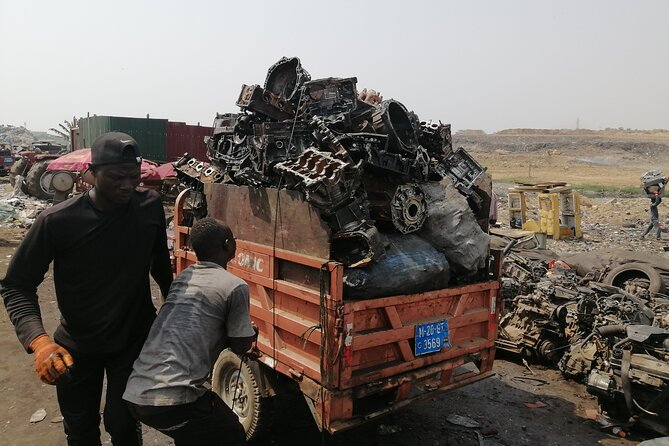
- See the e-waste process up close: The route covers scrap extrusion, recycling, dumping, and storage.
- Expect a car-and-walking tour: You ride to the site, then spend much of the visit on foot.
- Book a morning start: The operator encourages early departures before the sun gets intense.
- Meet local guides: The experience may include a resident guide who lives near the site and explains local working and living conditions.
- Private means personal: Only your group takes part, with flexible start times and group discounts available.
- Budget for a serious visit: The price includes transport, pickup, drop-off, taxes, and fees, but not food or lunch.
Why Agbogbloshie makes such a powerful stop in Accra
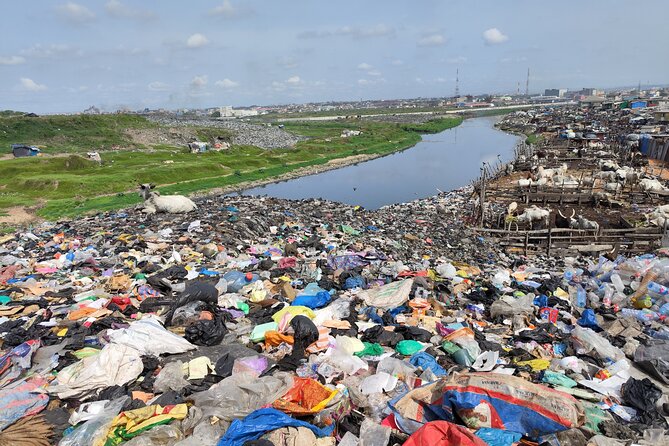
Agbogbloshie is not a standard sightseeing stop. It is a working community tied to the global flow of discarded electronics, and the visit asks you to look at waste as a social and environmental issue rather than an abstract problem.
The site is described as the world’s largest e-waste dumping site and Ghana’s largest e-waste location. The important point for you is not the label alone. It is seeing how unwanted phones, computers, appliances, wires, and other electronics can become a source of income for people who recover valuable parts and materials.
That tension gives the tour its force. Electronic waste is a burden, but it also provides work. Young people sort and process material that has been sent away from richer parts of the world. You see the human side of a system that is usually hidden behind collection bins, recycling claims, and municipal waste services.
I would not book this expecting a polished attraction. The appeal is precisely that it is direct and uncomfortable. It gives you a clearer idea of what recycling can look like when formal waste systems are limited and people must find value in discarded goods.
A few more Accra trips to weigh up
- Private Car Service
★ 5.0 · 59 reviews - Private Aburi Hill Guided Tour
★ 5.0 · 34 reviews - Full-Day Accra Safari and Boat Cruise Private Tour
★ 5.0 · 32 reviews
The drive to the site sets the scene
The tour begins with pickup at your Accra hotel or residence in an air-conditioned vehicle. Pickup and drop-off matter here because the experience is short, and arranging your own transport could take up a large part of the morning.
The listed start time is 8:00 am, but the tour can begin at other times because the operator offers flexible scheduling. I would choose the earliest practical departure. The heat becomes a real consideration during a walking visit, and the operator specifically encourages morning tours before the sun peaks.
The drive also gives your guide time to explain what you are about to see. This is useful because the site can be easy to misread from a quick glance. Without context, piles of old electronics may look like random rubbish. With explanation, you begin to see sorting, recovery, storage, trade, and labor.
Your group has the vehicle to itself. That gives you room to ask about the waste stream, the work performed by young people, and the difference between dumping and recycling. It also means the tone can be adjusted to your interests, from environmental policy to photography, local livelihoods, or the practical mechanics of scrap recovery.
Scrap extrusion shows the first stage of recovery
One of the scheduled stops is a scrap extrusion experience. This is the hands-on end of recycling, where discarded material is processed so it can be reused or sold.
The available information does not specify the exact machinery or products you will see on a particular day, so keep your expectations flexible. The work changes with the materials on site and the people working there. Your guide can explain what is being handled and how it fits into the wider process.
This stop is valuable because it moves the discussion beyond the idea that everything at Agbogbloshie is simply burned or abandoned. The tour aims to show how some e-waste is turned into useful material. That does not make the system clean or easy, but it does show why electronic scrap has economic value.
You may also find this part confronting. The setting is industrial and informal rather than arranged for visitors. Stay close to your guide, listen to instructions, and ask before taking photographs or speaking with workers. The experience is strongest when you treat people as participants in a working community, not as scenery.
Recycling explains how waste becomes a livelihood
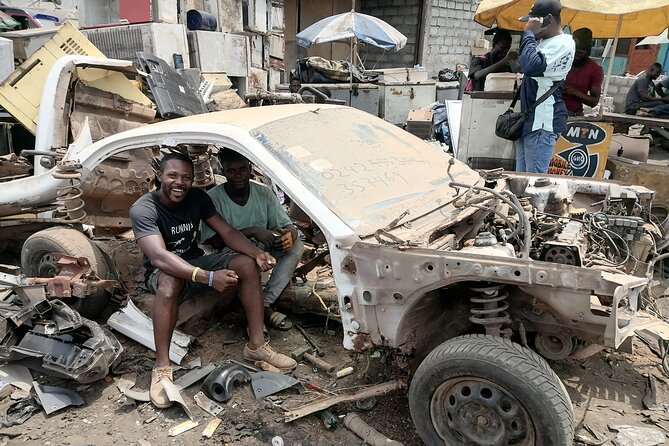
The recycling section focuses on the people behind the process. The tour gives particular attention to young workers and the ways they recover useful components from unwanted electronics.
This human focus is one of the best reasons to choose a private tour. You can ask questions that would be hard to fit into a large group visit. You might want to know which items have the most value, how materials are sorted, or how the work supports households. The description promises a flexible experience, so you can spend more time on subjects that matter to you.
Guides including Toufic and Aweisu have been associated with the tour, and local guiding is central to its appeal. A resident guide may join you on site, offering a view of the area that a driver passing through could not provide. One account specifically describes an onsite guide who lives beside the e-waste dump, giving a closer sense of the place as both a work area and a home.
That arrangement also calls for sensitivity. Local knowledge adds depth, but boundaries matter. Ask permission before photographing people, homes, or work areas. If a subject feels personal, let your guide lead the conversation.
Same coastline, a completely different kind of day:
- The Cape Coast Day Tour
★ 5.0 · 525 reviews - Experience the Beauty, History and the Culture Of Accra in a Day
★ 5.0 · 323 reviews - The Cape Coast Tour
★ 5.0 · 177 reviews - From Accra: Cape Coast, Elmina Castle & Kakum Park Day Tour
★ 4.6 · 144 reviews
Dumping and storage reveal the scale of the problem
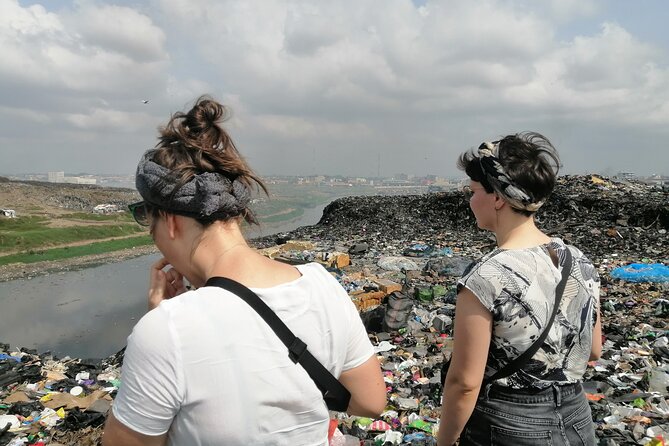
The dumping and storage site is likely to be the most sobering part of the tour. Here you see where electronic waste is held before sorting, processing, or further movement.
This is where the global issue becomes visible. A device discarded in one country can end up creating work and risk in another. The tour connects your everyday habits with the physical destination of old electronics, and that connection is difficult to forget.
The visit is not presented as a simple story of bad people and good people. People are working with the material available to them. E-waste contains valuable components, yet handling it can create serious environmental pressure. The tour’s value lies in showing that both facts can be true at once.
Some people may find the setting emotionally heavy. That is not a reason to avoid it, but you should know what you are signing up for. This is an educational visit to a difficult place, not a light afternoon excursion. If you want a cheerful market walk or a relaxed cultural outing, another Accra tour may suit you better.
The market adds daily life beyond the scrap piles
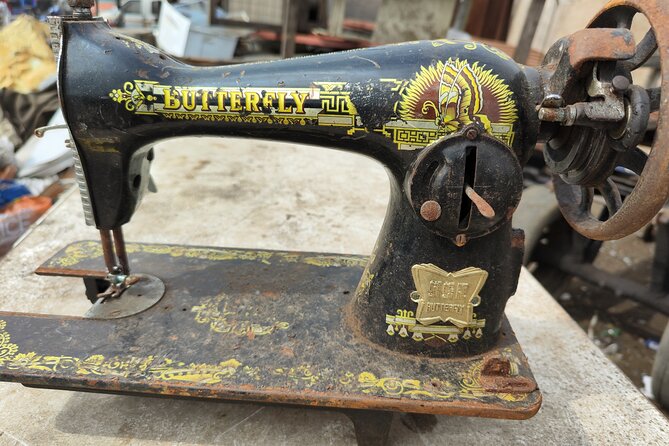
The total market experience broadens the visit. Agbogbloshie is not only a dumping area. It is also a place where people live, work, trade, worship, and move through ordinary daily routines.
A walking route through working and living areas can make the visit feel more grounded. One account notes seeing mosques and friendly local residents, details that help prevent the site from being reduced to a single image of pollution.
This part also explains why a local guide matters. A visitor arriving alone might see a pile of discarded electronics and leave with a narrow impression. A guide can point out the human systems around it, including storage, trade, housing, and the ways residents use the area.
I would give yourself time to absorb this section rather than rushing from one photo stop to the next. The tour lasts about two to three hours, with roughly an hour often spent walking through the site and surrounding areas. That is enough time for a strong introduction, but not enough for an exhaustive study of every part of the community.
A private tour changes the pace and tone
Only your group participates, which is the clearest advantage over a standard shared excursion. You can ask more questions, pause when you need to, and discuss difficult subjects without speaking in front of a busload of strangers.
The operator also promises guaranteed flexibility. The tour can start at any time of day, subject to arrangement, though morning is the sensible choice. Group discounts may improve the price for families or friends traveling together, but the actual discount is not specified.
Private does not mean luxurious. The vehicle is air-conditioned, and pickup is included, but the walking portion takes place in a working community. You should think of privacy as a guide and scheduling benefit, not as a promise of a controlled or comfortable site visit.
The local guiding element is another strength. The experience has been led by Toufic and Aweisu, both singled out for friendly, detailed explanations. The combination of an operator guide and a local resident guide can give you two useful views: one focused on the wider environmental issue and another rooted in everyday life at Agbogbloshie.
Is $85 a fair price for two hours?

At $85 per person, this is not a cheap short tour. One hour or so may be spent walking at the site, with the remaining time covering transport and explanation. If you are paying alone, the cost can feel high for the duration.
The price looks more reasonable when you count what is included: an air-conditioned vehicle, hotel or residence pickup and drop-off, taxes, and other fees. You are also paying for a private arrangement rather than a shared group outing. For two or more people, group discounts may help.
Value depends on what you want from Accra. If you care about environmental questions, ethical consumption, and local livelihoods, this tour covers material you will not get from a conventional city highlights route. If you simply want to see the site quickly and take a few pictures, the cost may not feel justified.
I would also consider the tour’s access. Going with a guide gives you an introduction to a complex place and helps you understand what you are seeing. That context is the main product. The drive itself is useful, but the price is easiest to defend when you take time to ask questions and engage with the subject.
Practical advice for a respectful visit
Wear clothing and shoes suitable for walking. The tour combines driving with time on foot, and the ground is part of an active work area rather than a prepared path.
Choose a morning departure if you can. The operator recommends it because of the heat, and an early start should make the walking portion easier.
Food and drinks are not included, and lunch is not provided. Plan around that rather than expecting a meal during the tour.
Photography deserves care. The supplied information does not set out a formal photography policy, so ask your guide before taking pictures, especially of workers, homes, and residents. A respectful approach will help keep the visit educational rather than intrusive.
The tour allows service animals, is near public transportation, and is described as suitable for most people. Since the route includes walking through a working site, ask the operator for current details if anyone in your group has specific mobility needs.
Free cancellation is available up to 24 hours before the start time for a full refund. Changes or cancellations inside that window are not accepted, and poor weather may lead to a new date or a full refund.
Who should book the Agbogbloshie experience?
I would recommend it to you if you want to understand the final destination of electronic goods and are willing to confront an uncomfortable subject. It suits environmentally minded visitors, students, photographers who work respectfully, and anyone who wants an Accra experience beyond monuments and standard markets.
It is also a strong choice for a private family or small-group discussion. The subject can prompt useful questions about consumption, recycling, and responsibility, especially for older children and adults.
I would hesitate to recommend it if you want a relaxed or purely recreational outing. The site can be shocking, and the short duration may not match the price for everyone. You should also be comfortable entering a working community where the people you see are not performing for tourists.
Should you book it?
Book this tour if you want a direct lesson in how global e-waste affects local work and daily life. The private vehicle, flexible timing, and local guides make it easier to approach a difficult subject with context and care.
Skip it if $85 feels too high for a two-hour experience or if you prefer lighter sightseeing. For the right person, though, Agbogbloshie can become one of the most memorable stops in Accra, not because it is easy to see, but because it changes how you think about the objects you throw away.
FAQ
Where does the Agbogbloshie e-waste tour take place?
The tour takes place in Accra, Ghana, at the Agbogbloshie community and e-waste dumping site.
How long does the tour last?
The experience lasts approximately two to three hours. The walking portion may take about an hour, with driving and explanations making up the rest.
What time does the tour start?
The listed start time is 8:00 am. The operator also offers flexible departure times, and morning tours are encouraged.
Is transportation included?
Yes. The tour includes an air-conditioned vehicle plus pickup and drop-off at your hotel or residence.
Is this a private tour?
Yes. Only your group participates in the private activity.
What will I see during the tour?
The route includes scrap extrusion, the recycling process, dumping and storage areas, and a total market experience.
Are food and drinks included?
No. Food, drinks, and lunch are not included.
Can service animals participate?
Yes. Service animals are allowed.
What is the cancellation policy?
You can cancel up to 24 hours before the start time for a full refund. Cancellations or changes made less than 24 hours before the start time are not accepted. If poor weather causes the tour to be canceled, you will be offered another date or a full refund.
Just added around Accra
- Visit Aburi Garden, Tetteh Quarshie Cocoa Farm & Waterfall★ 4.0 · 4 reviews
- Historical Day Tour to Cape Coast, Elmina and Kakum★ 5.0 · 3 reviews
- Private Airport Transfer to from ACC Kotoka by Business Car★ 5.0 · 4 reviews
- Private Slave Castles and Dungeons Tour in Cape Coast, Ghana★ 5.0 · 3 reviews
- Local Ghanaian Food Tasting Tours★ 5.0 · 3 reviews
- Historical tour in Cape Coast Ghana★ 5.0 · 3 reviews
- The Door Of No Return/ Dungeon & cape Coast Castle★ 5.0 · 4 reviews
- Half Day Accra City Sightseeing Tour With Guide★ 5.0 · 3 reviews
Private, compared.
Full-Day Accra Safari and Boat Cruise Private Tour
Read our review →
Cape Coast/Elmina Slave Dungeon and Canopy Walkway Private Tour
Read our review →
Full-Day Private Culture and History Tour of Accra
Read our review →

Ghana Private Historic Tour through Castles and Nature
Read our review →
7-Day Private Cultural and Heritage Tour in Ghana
Read our review →
2-Day Private Tour to the Mount Afadjato and Wli Waterfalls
Read our review →Browse the lists this tour appears in