
Reviewed · CAPE COAST AND ELMINA CASTLE TOURS
From Accra: Cape Coast and Elmina Castles Day Trip
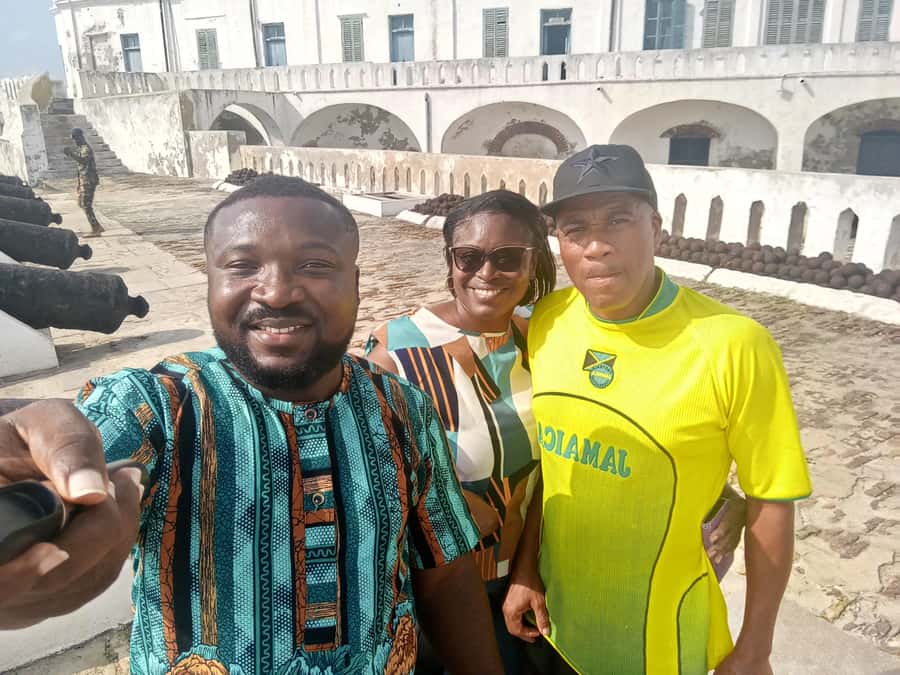
The hardest part of this day trip is also its purpose: you walk through the forts where enslaved Africans were confined before being shipped across the Atlantic. Cape Coast Castle and Elmina Castle are not light sightseeing stops, but they give you a direct way to face Ghana’s role in that history with a local guide beside you.
I like two things here. First, the local guiding adds human context to buildings that can otherwise feel cold and distant. Jorge, Esther, Diya, and Clement are named guides associated with the experience, and the strongest praise centers on their warmth, care, humor, and ability to explain difficult subjects clearly. Second, pickup and drop-off anywhere in Accra, plus air-conditioned transport and snacks, make a demanding day much easier.
The main drawback is the length and emotional weight of the outing. The Central Region is about 147 kilometers from Accra, and the day includes several major sites. Kakum National Park is also listed in the plan, but the exact balance between the park and the castles may depend on the day and your wishes.
Key points to know before booking
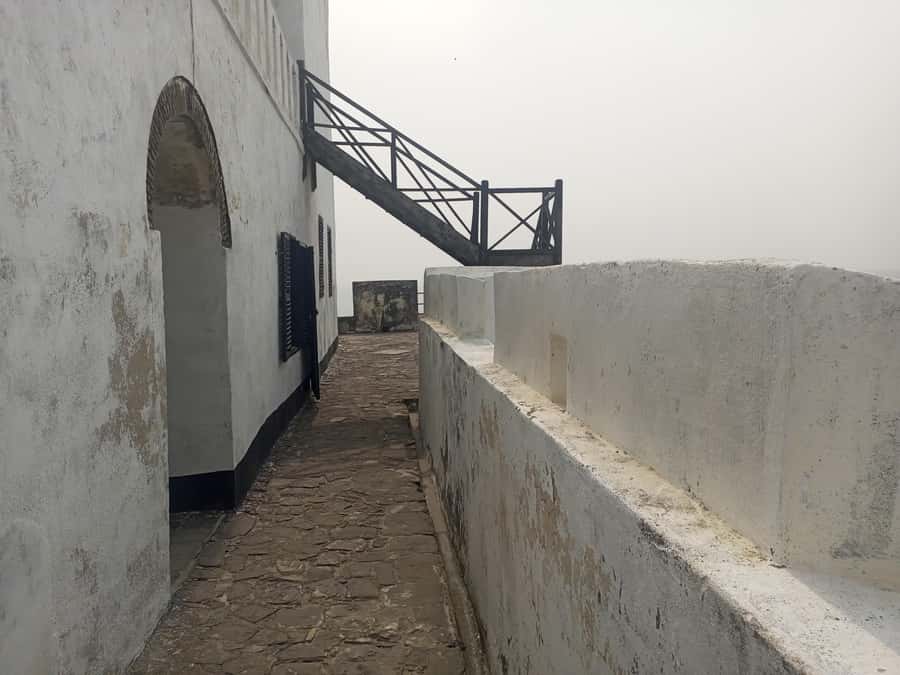
- Cape Coast Castle is the emotional heart of the day: A guided visit takes you through a former Portuguese trading post later used to hold enslaved people.
- Elmina Castle dates to 1482: It is described as the oldest European building south of the Sahara.
- Fort St Jago adds military context: This small fort opposite Elmina Castle helped protect the castle.
- Kakum may be part of the plan: The tour includes Kakum National Park, though at least one guest chose to spend more time at Elmina instead.
- The guides are a major part of the experience: Jorge, Esther, Diya, and Clement are praised for thoughtful explanations, patience, and personal attention.
- The $200 price covers the day’s basic structure: Accra pickup and return, transport, snacks, guide service, and the listed visits are included.
Why these castles matter
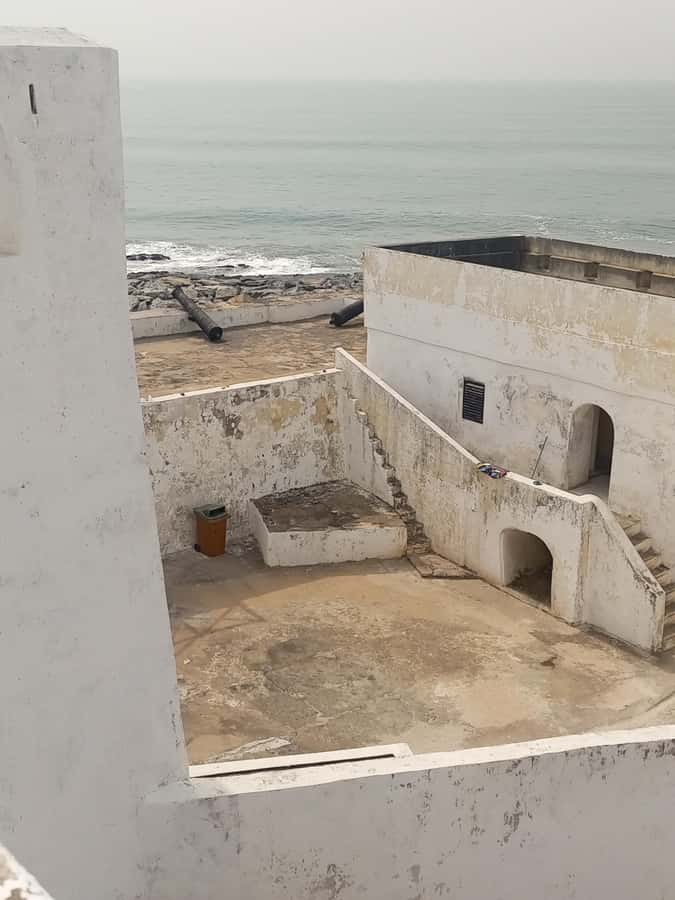
Ghana’s Central Region is one of the most important places in the country for understanding the trans-Atlantic slave trade. European powers built roughly 40 castles and large commercial forts along the Gold Coast. These were trading centers, military posts, and holding places tied to a brutal system that moved enslaved Africans to the Americas.
You do not need a long academic background to benefit from this trip. The buildings make the subject physical. You see the rooms, gates, walls, and positions from which people were held and transported. A good guide helps connect those spaces to the wider history without turning the visit into a dry list of dates.
I would set aside the idea of a normal castle tour. There are no cheerful royal interiors or polished palace rooms here. The value comes from learning what took place inside and from considering the choices made by European traders, local powers, and the wider system that supported the trade.
The subject can feel heavy, and that is appropriate. Several parts of the day are likely to leave you quiet. The tour is best for someone who wants history presented with honesty and care, not for someone seeking a relaxed sightseeing loop with only picturesque stops.
More cape coast and elmina castle tours in Accra:
- The Cape Coast Day Tour
★ 5.0 · 525 reviews - The Cape Coast Tour
★ 5.0 · 177 reviews - From Accra: Cape Coast, Elmina Castle & Kakum Park Day Tour
★ 4.6 · 144 reviews
Leaving Accra for the Central Region
The day begins with pickup from your accommodation in Accra. You travel in an air-conditioned car toward the coast, with snacks provided along the way. That may sound like a small detail, but it matters on a road journey of about 147 kilometers, especially when the schedule includes multiple historic sites and possibly Kakum National Park.
The private pickup arrangement is one of the more useful features. You are not required to make your own way to a distant meeting point, and the return can be arranged to a desired destination in Accra. That flexibility is particularly helpful if you are staying in different parts of the city or need a clear plan for the journey back.
The exact travel time is not provided, so you should treat this as a full-day outing rather than a short excursion. Do not plan an important appointment too close to the end of the tour. One person specifically worried about catching a flight later that day, so if you have airport plans, discuss the timing before you commit.
The air-conditioned vehicle is a practical advantage in Ghana’s heat. You will still walk around the forts, but the driving portion gives you a cooler place to rest between stops.
Cape Coast Castle and the rooms behind the walls
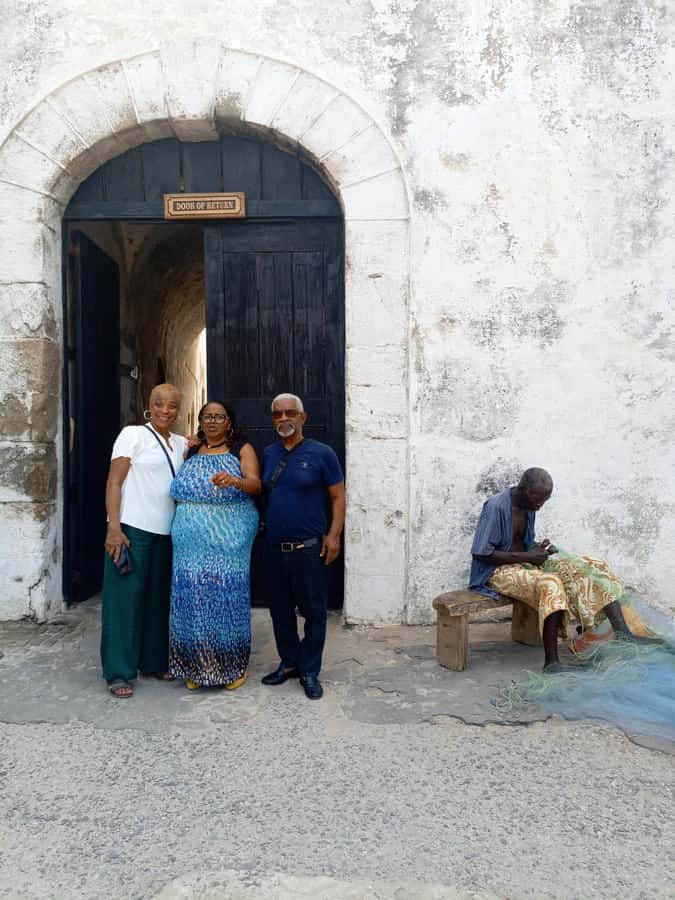
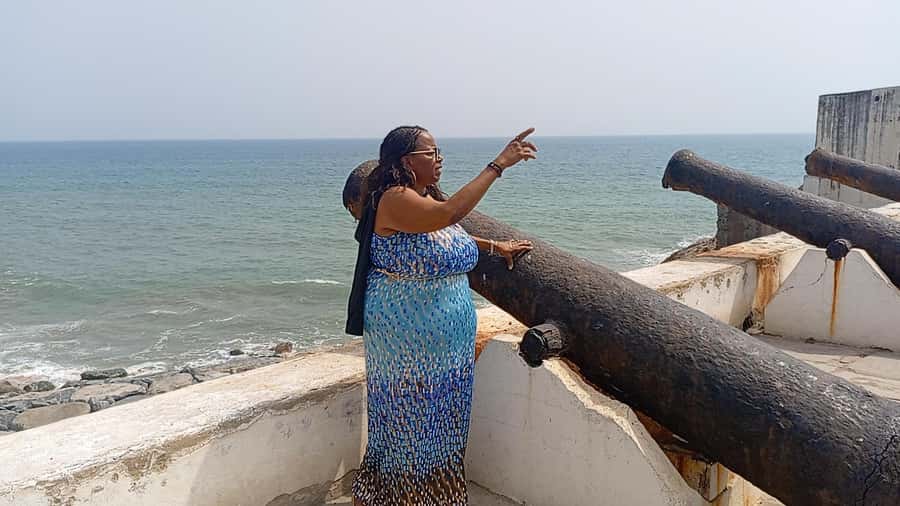
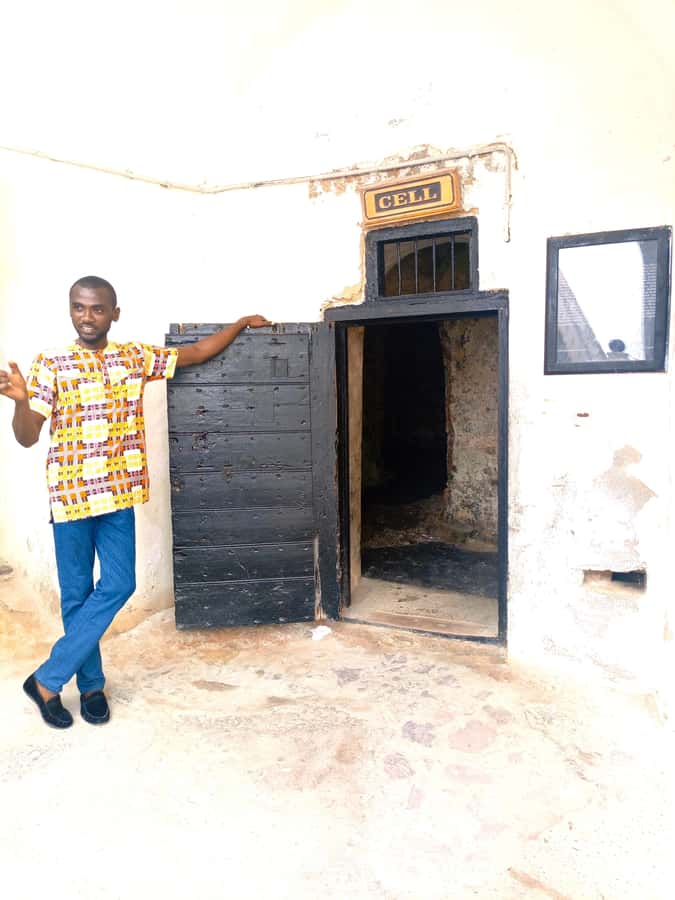
Cape Coast Castle is the first major historic stop. It began as a Portuguese feitoria, or trading post, in 1555. It later became part of the trans-Atlantic slave trade, with enslaved people held there before being forced onto ships bound for the Americas.
The castle is a UNESCO World Heritage Site, but that label alone does not explain why the visit matters. Its importance comes from the way the structure reveals the machinery of the trade. The castle was not simply a fortress. It was part of a commercial network where people were treated as cargo.
A local guide is especially important here. You can read dates and names on a plaque, but a guide can explain how the building functioned and why its rooms matter. Jorge is repeatedly praised for bringing passion and personal connection to Ghanaian history, while Diya and Clement are described as offering clear guidance with a touch of humor. That combination can help you stay engaged during a difficult visit without making light of the subject.
Expect the castle tour to be sobering. The experience may be emotionally hard, particularly if you are visiting to understand the slave trade rather than simply to see an old building. Give yourself permission to take the site seriously and to leave room for reflection afterward.
Comfortable shoes are important. You should also carry water, a hat, and your camera if you want photographs where permitted. The tour information asks you to bring a passport or ID card, so keep that with you.
Elmina Castle, built in 1482
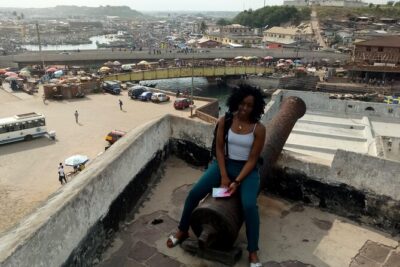
Elmina Castle is the second major castle visit and one of the most important stops on the route. The Portuguese erected it in 1482 as the first trading post built on the Gulf of Guinea. It is described as the oldest European building still in existence south of the Sahara.
That age gives Elmina a different feel from Cape Coast Castle, but the two sites are linked by the same wider story. You are not visiting two unrelated monuments. Together, they show how European trade, military power, and the enslavement of Africans were tied to the coast.
I would pay close attention to the guide’s explanation of the castle’s purpose. Elmina was a trading post, a fortified structure, and part of the system that supported the forced movement of people. The physical setting can be striking, but the human story should remain your focus.
The tour’s strongest quality is its respectful tone. Jorge and Esther are praised for making the day feel personal and well cared for, while still treating the history with gravity. That balance matters. You want a guide who can answer questions and keep the day moving, but who also understands that these places deserve more than quick facts and photographs.
Some people may prefer more time at Elmina and Cape Coast rather than adding another stop. That choice appears possible: one guest asked to skip the Kakum portion and proceed to Elmina, and the operator accommodated the request. Ask about the day’s priorities in advance if the castles are your main reason for booking.
A few more Accra trips to weigh up
- One Day Tour To Cape Coast, Elmina Castle, Kakum National Park
★ 5.0 · 21 reviews - Accra: Shai Hills and Volta River Cruise Day Trip with Lunch
★ 4.8 · 11 reviews - 1 Day cocoa farm tour
★ 4.5 · 11 reviews - 1 Day Accra City Tour
★ 4.5 · 10 reviews
Kakum National Park and the flexible part of the day
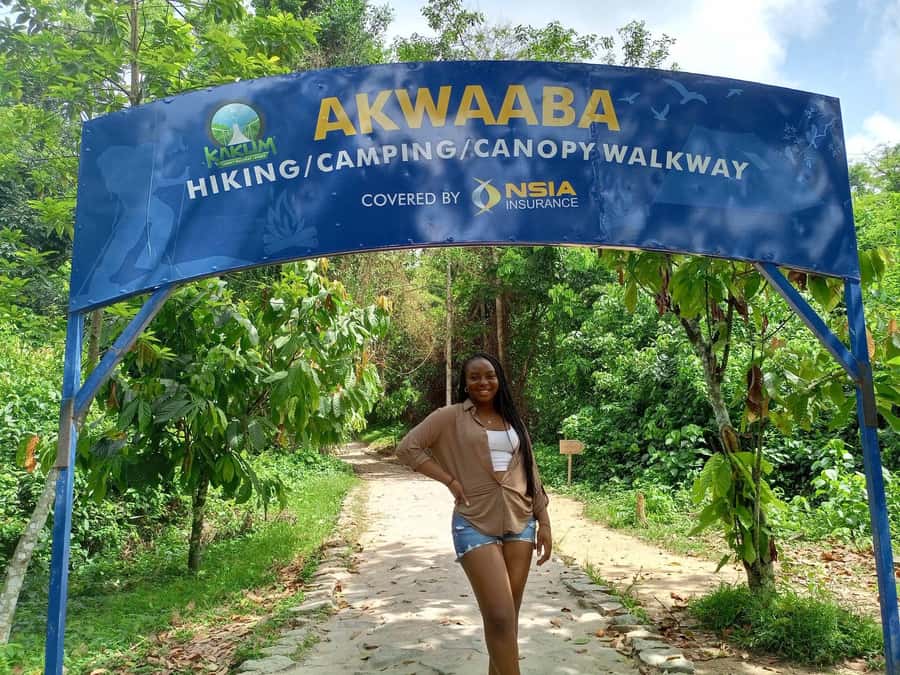
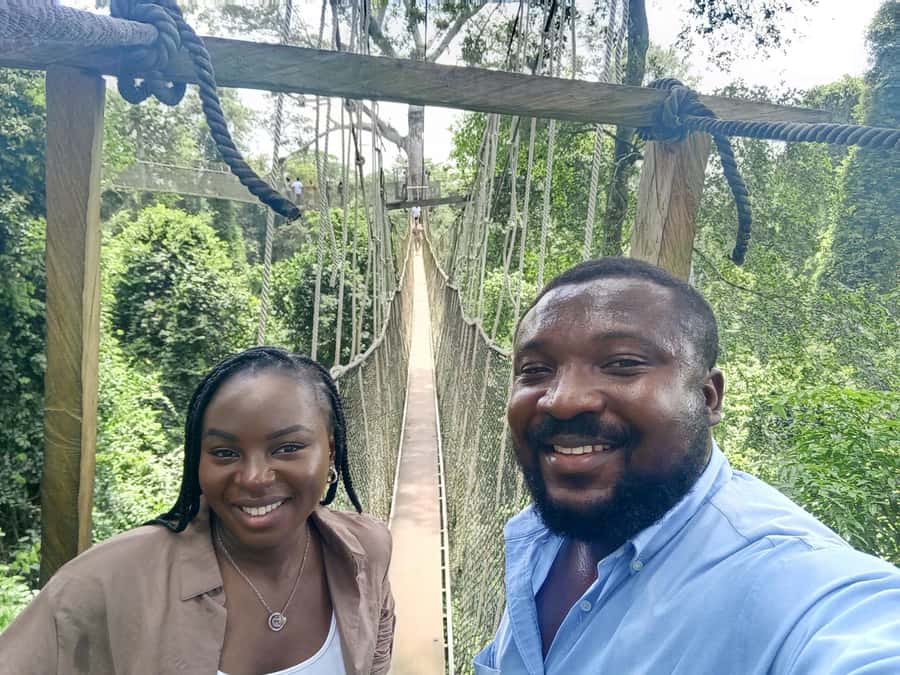
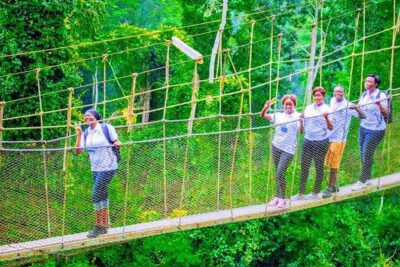
Kakum National Park is included in the tour information, and several accounts describe visiting the park’s canopy walk. One person called the canopy walk fantastic, while another specifically chose to proceed to Elmina instead. This tells you something useful: the park may be an important part of the planned day, but the schedule can be adjusted.
The canopy walk offers a different kind of experience from the castles. After a morning focused on trade, violence, and colonial power, the park gives you time outdoors and a change of pace. It may suit you if you want both cultural history and time in nature.
On the other hand, the extra stop can make an already long day feel rushed. If your priority is the castles, tell your guide early. If you want the full mix of park and history, confirm how the visits will fit together on your chosen date.
The supplied information does not give a fixed schedule or exact time allocation for Kakum. I would not assume that every guest will have the same amount of time at each location. The flexible approach is useful, but it also means you should clarify the plan at pickup.
Fort St Jago opposite Elmina
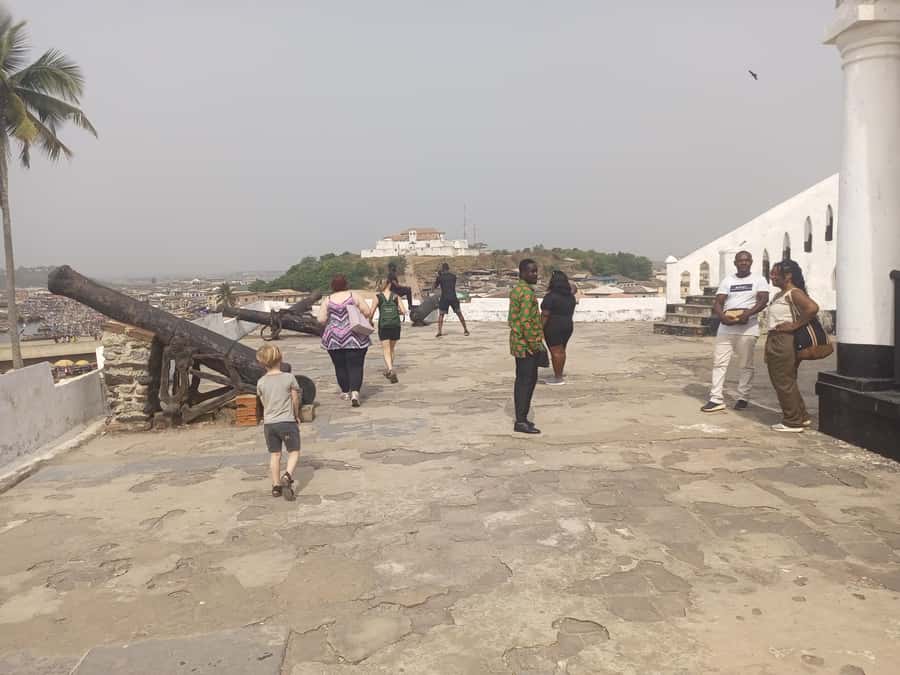
The final listed stop is Fort St Jago, also called Fort Coenraadsburg or Fort São Tiago da Mina. It is a small Portuguese chapel built in honor of Saint Jago and sits opposite Elmina Castle. Its purpose was to protect the castle, making it part of the military side of the same coastal system.
Fort St Jago helps you see the setting around Elmina in a wider way. The castle was not isolated. Its protection depended on nearby military construction, and the fort’s position shows how defense and trade worked together.
This stop is smaller than the two castles, so do not expect another full-scale castle visit. Its value is in the added context. You get a better sense of how European powers tried to control the area and protect their commercial interests.
If the day is running late, this may be the kind of stop where your guide needs to manage time carefully. The tour includes three historic sites, and Kakum may also be included. That is a lot to fit into one outing from Accra.
The guides make a real difference
The clearest strength of this experience is the guiding. Jorge is praised for professionalism, patience, local insight, and genuine care. He helped ease the concerns of someone nervous about booking and was described as punctual, calm, and willing to answer many questions.
Jorge and Esther are also praised for making the trip feel warm and personal. That does not mean the history becomes cheerful. It means the day has a human connection, with attention to comfort, local traditions, and the needs of the people in the vehicle.
Diya and Clement are associated with a tour described as smart, funny, efficient, and well informed. Their style appears to combine historical explanation with an approachable manner. That is useful during a day when the subject matter could otherwise become overwhelming.
The exact guide assigned to you may vary. The names connected with the experience include Jorge, Esther, Diya, and Clement, so you should not book with the expectation that one specific person is guaranteed unless the operator confirms it.
The local connection is particularly valuable for people from the Ghanaian diaspora. One person with Ghanaian roots described the teaching about history and traditions as especially meaningful. If you have family ties to Ghana, the castles may carry an added personal weight, and a local guide can help place the sites within a Ghanaian perspective.
Food, comfort, and practical preparation
Snacks are included during the trip, and some versions of the day include a local lunch. Red red, a Ghanaian bean dish served with fried plantain, was singled out as a favorite meal. The information does not promise lunch for every booking, so ask before departure if food is important to you.
Bring comfortable walking shoes. The castles and fort require time on foot, and the day may also include a walk in Kakum National Park. A hat and water will help in the heat, while a small backpack is more practical than heavy luggage.
Bring your passport or another ID card, along with a camera. You should also dress for a serious historic visit rather than a beach outing. The most useful items are the plain ones: good shoes, water, sun protection, and a light bag.
English is the listed language for the tour. If you need another language, you should confirm availability before booking.
The experience costs $200 per person. That is not a low-cost day trip, but the price includes pickup and drop-off from your Accra accommodation, air-conditioned transport, snacks, a local guide, and the listed visits. You are also paying for the convenience of having the day organized across a long distance instead of arranging separate transport and guides yourself.
The value is strongest if you care about comfort, local interpretation, and flexible pickup. It is less compelling if you only want a basic transfer to Cape Coast and plan to arrange the castle visits independently.
You can reserve now and pay later, which helps if you are still arranging your Ghana itinerary. Cancellation is allowed up to 24 hours before departure for a full refund.
Who should book this day trip
I would recommend it to you if you want a serious look at Ghana’s role in the trans-Atlantic slave trade and prefer having a local guide explain the sites. It also suits first-time visitors who want transport handled from Accra and a clear route through the Central Region.
It is a good choice for couples, solo visitors, and people from the Ghanaian diaspora. The warm, attentive guiding style described by past participants should help solo visitors feel looked after, while the historical focus gives families and couples plenty to discuss.
You may want a different plan if you dislike full-day road trips, have a tight flight schedule, or want a slow visit at only one castle. You should also think carefully about the subject matter. These sites can be moving and painful, and that is not something the tour tries to hide.
Should you book it?
Book this tour if the history is your main reason for going and you want the practical ease of Accra pickup, air-conditioned transport, and a local guide. Cape Coast Castle, Elmina Castle, and Fort St Jago form a strong historical route, while Kakum can add a welcome change of pace if the schedule allows.
Before booking, ask how much time will be given to Kakum and how much to the castles. If you want to prioritize Elmina and Cape Coast, say so clearly. At $200 per person, the experience earns its price through convenience and guiding rather than luxury, and it is best suited to someone who values understanding a place over simply checking off sights.
FAQ
How far is the Central Region from Accra?
The Central Region locations on this tour are estimated to be about 147 kilometers from Accra.
What castles are included?
The tour includes Cape Coast Castle and Elmina Castle. Cape Coast Castle is a UNESCO World Heritage Site, while Elmina Castle was built by the Portuguese in 1482.
Is Kakum National Park included?
Kakum National Park is included in the tour information. The schedule may be flexible, and you can ask about spending more time at the castles instead.
Is transportation provided from Accra?
Yes. Pickup and drop-off from accommodation in Accra are included, along with air-conditioned transportation.
What language is the tour offered in?
The listed tour language is English.
What should I bring?
Bring a passport or ID card, comfortable shoes, a hat, a camera, and water. A small backpack is also practical for a full day of walking and driving.
Just added around Accra
- Visit Aburi Garden, Tetteh Quarshie Cocoa Farm & Waterfall★ 4.0 · 4 reviews
- Historical Day Tour to Cape Coast, Elmina and Kakum★ 5.0 · 3 reviews
- Local Ghanaian Food Tasting Tours★ 5.0 · 3 reviews
- Private Airport Transfer to from ACC Kotoka by Business Car★ 5.0 · 4 reviews
- Private Slave Castles and Dungeons Tour in Cape Coast, Ghana★ 5.0 · 3 reviews
- The Door Of No Return/ Dungeon & cape Coast Castle★ 5.0 · 4 reviews
- Historical tour in Cape Coast Ghana★ 5.0 · 3 reviews
- Cape Coast Castle and Kakum National Park 2-Day Private Tour★ 5.0 · 3 reviews
Cape Coast and Elmina Castle Tours, compared.


Cape Coast, Elmina Castle & Kakum Park Day Tour
Read our review →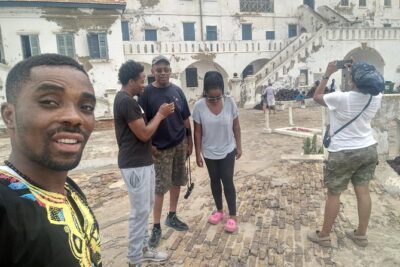
Cape Coast ,Elmina Castle and Kakum Full-Day Tour
Read our review →
10 Days Trip to Cape Coast and Elmina Castles from Accra
Read our review →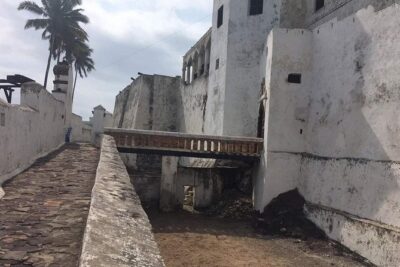
The Homecoming Experience To Cape-coast And Elmina.
Read our review →Browse the lists this tour appears in