
Reviewed · GHANA COCOA FARM TOURS
1 Day cocoa farm tour
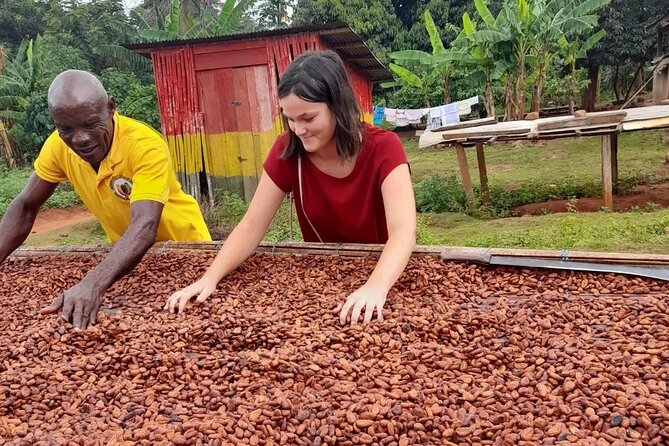
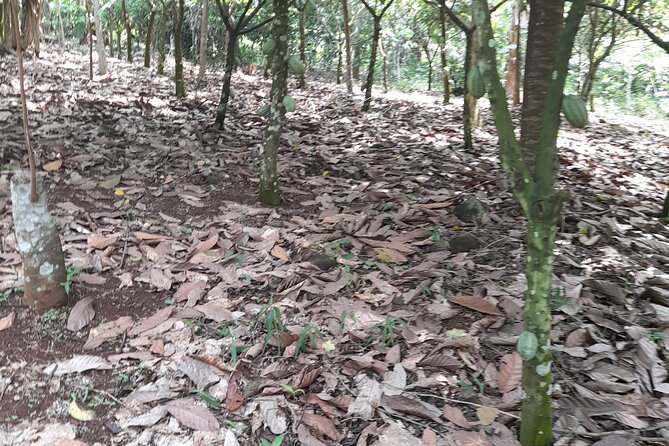
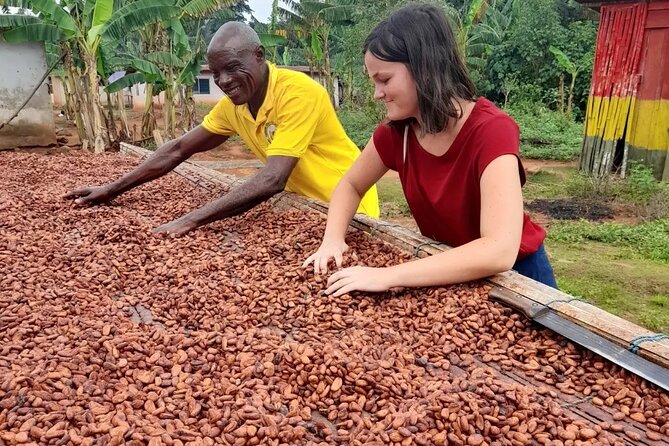
The most memorable part of this private cocoa farm tour is seeing the crop before it becomes a chocolate bar. In Asamankese, you walk beneath cocoa trees, hear dry leaves underfoot, and follow the work of harvesting, husking, drying, and preparing cocoa beans.
I like the close look at rural Ghanaian life, and I like that lunch, snacks, and cocoa tasting are included. A guide such as Bless can make the visit more personal, especially if you want to ask questions rather than simply follow a group.
The main consideration is the price: at $349.94 per person, this is a costly day out for a six-and-a-half-hour activity. Its value depends on how much you care about private guiding, pickup from Accra, and seeing cocoa production at its source.
Key points to know before booking
- Asamankese is the heart of the visit: The farm sits in this town, where you also learn about the area’s history and see its surroundings.
- You see cocoa before processing: The tour explains harvesting, husking, drying, and the preparation of the beans used for cocoa products.
- The experience is private: Only your own group takes part, giving you more room for questions and a slower pace.
- Food is part of the day: Lunch and snacks are included, along with the chance to taste cocoa.
- Pickup is offered from Accra: The listed meeting point is Fantail Street, with a 7:30 am start.
- Weather matters: Poor conditions can lead to a new date or a full refund.
From Accra to Asamankese at 7:30 am
Your day begins at 7:30 am, with the meeting point listed at Fantail Street in Accra. Pickup is offered, which can make the early start easier, especially if you are staying somewhere in Accra and prefer not to arrange your own way to the meeting point.
The trip takes you away from the city and toward Asamankese, where the cocoa farm is located. The drive is not just a transfer. It sets up the contrast that makes this experience worthwhile: Accra is Ghana’s busy capital, while the farm visit gives you a look at work and daily routines beyond the urban center.
You should allow most of the morning and afternoon for the outing. The stated duration is about six hours and 30 minutes, with roughly three hours spent at the farm and in Asamankese. The remaining time allows for the journey and the meal, though the exact order of events can depend on the day.
Because the start is early, arrange what you need the night before. The tour includes food, but the supplied details do not specify every drink or dietary option, so tell the provider about any dietary needs when booking. Comfortable clothes and shoes make sense for a farm setting, where walking beneath the trees is central to the visit.
More ghana cocoa farm tours in Accra:
- Boti Falls, Umbrella Rock, Aburi Gardens & Cocoa Farm Tour
★ 4.6 · 72 reviews - Experience Boti Waterfalls, Aburi Botanical Gardens & Tetteh Quarshie Cocoa Farm
★ 5.0 · 38 reviews - Escape Accra City to Aburi Gardens and Tetteh Quarshie Cocoa Farms
★ 4.5 · 32 reviews
Meeting cocoa trees in one of Ghana’s oldest farms
The farm visit is the main event. You see cocoa growing under a canopy rather than meeting the crop in a shop, factory, or museum. That difference matters. Cocoa is often presented as a finished luxury product, but here you get a clearer sense of the labor that comes first.
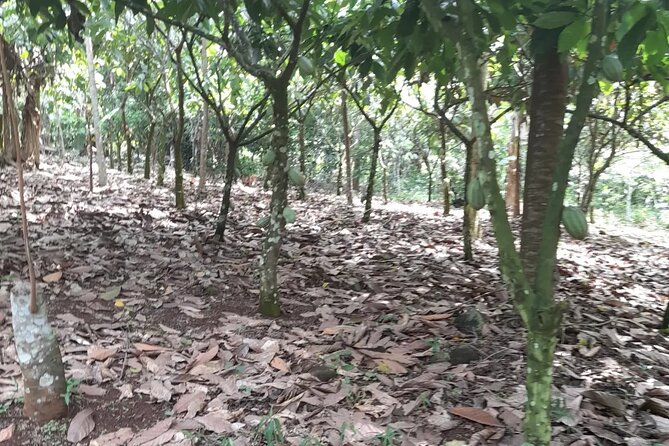
The setting itself is part of the appeal. The shade of the cocoa trees creates a calm atmosphere, and the sound of dry leaves beneath your feet adds an unexpected detail to the walk. You are not simply looking at rows of plants. You are moving through a working agricultural place and learning how the crop fits into local life.
This is also described as one of Ghana’s oldest cocoa farms. That gives the stop added historical interest, though the available details do not name the farm or give its founding date. You can ask your guide for those specifics when you arrive.
The farm is located in Asamankese, and the visit includes learning about the town’s history and seeing its beauty. The description does not promise a separate sightseeing program around town, so think of Asamankese as the setting for the cocoa visit rather than a full town tour.
Understanding the work behind each cocoa bean
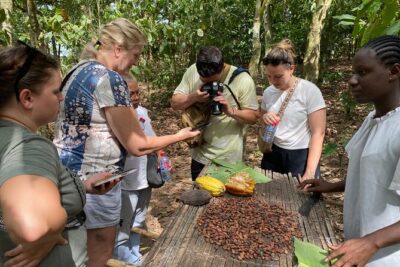
The strongest educational part of the experience is the explanation of what happens before cocoa becomes the small beans or products familiar to shoppers. You learn about harvesting, husking, drying, and the preparation of the beans.
That sequence gives the tour a useful shape. First comes the crop itself. Then comes the work needed to remove and prepare the cocoa. You may see or discuss the stages in different order depending on farm conditions and the season, but the purpose is clear: to show how much work sits between a cocoa pod and the ingredient used in chocolate.
You also learn about the importance of cocoa as a cash crop in Ghana’s economy. This is more valuable than a quick tasting alone. It links the plants around you to household income, farming routines, and the wider economic role of cocoa in the country.
The details supplied do not promise that every stage will be demonstrated hands-on, and farming activities can vary with the time of year. Still, the tour is designed around day-to-day farm practices, so you should expect explanation and observation rather than a polished chocolate-making workshop.
Cocoa tasting and products beyond ordinary chocolate
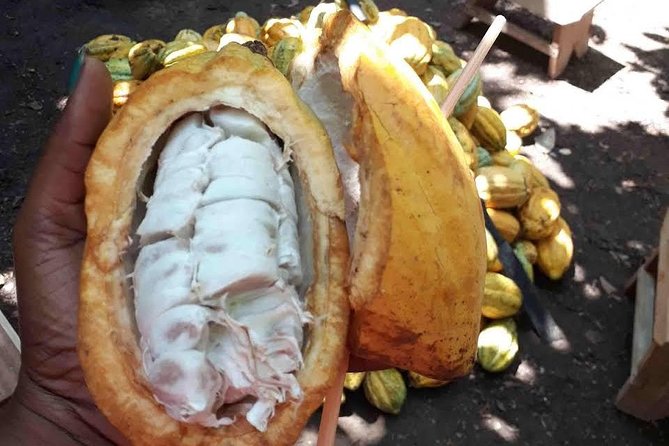
Sampling cocoa adds a direct, sensory part to the visit. You may get to taste cocoa in a form closer to the farm product, rather than only eating a finished chocolate confection. That helps make the lesson stick.
The experience also includes other cocoa products that are not commonly found elsewhere in the world. The exact products are not listed, so you should not book this expecting a fixed tasting menu. Instead, treat this as a chance to encounter cocoa in forms you might not find in an Accra supermarket or an ordinary chocolate shop.
The included snacks and lunch help break up the farm walk and the travel time. Food is an important part of the value here, since you are not paying separately for a meal during the outing. The details do not describe the menu, so ask about it if local dishes or dietary restrictions are important to you.
I would keep your expectations practical. This is a farm and cultural experience with cocoa tasting, not a specialist chocolate course. If you want to learn how Ghanaian cocoa begins, it fits well. If you want to temper chocolate or make truffles, this is not the right type of activity.
A few more Accra trips to weigh up
- Boti Falls, Umbrella Rock, Aburi Gardens & Cocoa Farm Day Tour
★ 5.0 · 32 reviews - Aburi Botanic Gardens, Boti Falls,Umbrella Rock & Cocoa Farm Tour
★ 5.0 · 6 reviews - Visit Aburi Garden, Tetteh Quarshie Cocoa Farm & Waterfall
★ 4.0 · 4 reviews - Ghana Eastern Explorer – Boti Falls, Aburi Gardens & Tetther Quarshie Cocoa Farm
★ 5.0 · 4 reviews
A private guide changes the pace
Only your group takes part, which is one of the clearest advantages of booking this experience. A private format gives you more freedom to ask about farming, Ghana’s economy, or the rural way of life without waiting for a large group to catch up.
Bless is named in the available feedback as a friendly and well-informed guide. That personal connection matters on a farm tour. The best questions often come up while you are walking, looking at a tree, or handling a cocoa product, not at the end of a formal talk.
You can also ask for more detail when something catches your attention. If you are interested in the economic side of cocoa, ask how the crop affects local families. If the farming process interests you, ask about protection of the trees, harvesting, and drying. The tour’s private structure gives you a better chance to shape the conversation.
There is a tradeoff. Private tours cost more than shared excursions, and $349.94 per person is a serious price. The premium makes the most sense for solo visitors, couples, families, or small groups who value their own guide and pickup. It makes less sense if your main goal is simply to see cocoa trees at the lowest possible cost.
What the six-and-a-half-hour schedule means
The stated duration is about 6 hours and 30 minutes, with three hours connected to the Asamankese farm visit. That leaves a substantial portion of the day for transportation and other parts of the program.
This is best treated as a full day away from central Accra, even though the listed duration is shorter than a typical long excursion. Do not plan a tight appointment immediately afterward. Road conditions, the pace of a private group, and the timing of lunch can affect when you return.
The three-hour farm portion is long enough to go beyond a quick photo stop. You have time to walk under the trees, hear the explanations, see how the crop is handled, and ask questions. It may feel too long only if you are looking for a short sightseeing stop rather than an agricultural experience.
Good weather is required. If the provider cancels because conditions are poor, you are offered another date or a full refund. That is useful protection, but it also means you should keep some flexibility in your schedule.
Who will get the most from this tour
I would choose this experience if you want to understand Ghana through a product that has a major role in the country’s economy. It is especially suited to people who enjoy food origins, farming, local history, and conversations with a guide.
Families can find plenty to discuss here, since the visit connects a familiar food to real work and real places. The private format also helps if different members of your group want to ask different questions. The tour is described as suitable for most people, though you should be prepared for walking around a farm.
Solo visitors may also appreciate the arrangement. A private trip can feel more comfortable than joining a large group, and the guide’s patience has been praised in connection with solo visits. The chance of added attractions has also been mentioned, but these are not part of the fixed description, so consider them a possible bonus rather than something guaranteed.
This tour is less suitable if you want a luxury food tasting, a short outing, or a detailed chocolate production class. It is also not ideal for anyone unwilling to start early or spend much of the day away from Accra.
Is $349.94 per person a fair price?
The cost is high, so the right question is not simply if the tour is enjoyable. Ask what you are receiving for the money.
The package includes a private tour, a guide, a farm visit, lunch, snacks, and pickup offered from Accra. You also get a focused look at an old cocoa farm, instruction about the crop’s economic role, cocoa tasting, and time in Asamankese. For a small group that would otherwise need to arrange transport, food, and a local guide separately, those pieces may add up to reasonable value.
For one person on a strict budget, the price is harder to justify. A large part of the day is spent getting to and from the farm, and the available information does not specify the vehicle, menu, exact cocoa products, or any extra admission costs. Ask those questions before paying if the details affect your decision.
The strong rating of 4.7 out of 5 and a 100 percent recommendation rate from 11 ratings suggest a consistently positive experience, though the sample is small. The praise centers on the peaceful farm setting, useful explanations, friendly guiding, and the chance to taste cocoa. Those are the parts I would use to judge the tour, rather than expecting an elaborate production facility or a long list of attractions.
My booking advice for the cocoa farm day
Book this tour if you want a personal, food-focused look at Ghanaian agriculture and you are comfortable paying for privacy and convenience. The farm setting, cocoa tasting, included food, and guide-led explanations give the day a clear purpose.
I would be more cautious if you are comparing it with cheaper shared tours. Before booking, confirm the pickup arrangement, what the lunch includes, the expected travel time, and which cocoa products will be available. That information will help you decide if the private format earns its premium.
The cancellation terms are friendly if you plan ahead: cancel at least 24 hours before the start for a full refund. Changes or cancellations inside that window are not accepted for a refund. Since poor weather can also affect the outing, keep the local forecast in mind.
FAQ
Where does the cocoa farm tour take place?
The farm is in Asamankese, a town outside Accra. The visit includes learning about the town’s history and seeing its surroundings.
What time does the tour start?
The scheduled start time is 7:30 am. The listed meeting point is Fantail Street in Accra, Ghana.
How long does the experience last?
The tour lasts approximately 6 hours and 30 minutes. About three hours are allocated to the farm and Asamankese visit.
Is pickup from Accra available?
Yes. Pickup is offered. The listed ticket redemption point is Fantail Street in Accra.
Is this a private tour?
Yes. Only your own group participates, and the experience includes a private guide.
Are lunch and snacks included?
Yes. Lunch and snacks are included in the tour price. Cocoa tasting is also part of the experience.
What happens if I cancel or the weather is poor?
You can receive a full refund if you cancel at least 24 hours before the scheduled start. Cancellations or changes made less than 24 hours before the start are not refunded. If poor weather causes the provider to cancel, you are offered another date or a full refund.
More 1-Day Tours in Accra
- One Day Tour To Cape Coast, Elmina Castle, Kakum National Park
★ 5.0 · 21 reviews - From Accra: Cape Coast and Elmina Castles Day Trip
★ 5.0 · 19 reviews - Accra: Shai Hills and Volta River Cruise Day Trip with Lunch
★ 4.8 · 11 reviews - 1 Day Accra City Tour
★ 4.5 · 10 reviews
Just added around Accra
- Visit Aburi Garden, Tetteh Quarshie Cocoa Farm & Waterfall★ 4.0 · 4 reviews
- Historical Day Tour to Cape Coast, Elmina and Kakum★ 5.0 · 3 reviews
- Private Slave Castles and Dungeons Tour in Cape Coast, Ghana★ 5.0 · 3 reviews
- Local Ghanaian Food Tasting Tours★ 5.0 · 3 reviews
- Private Airport Transfer to from ACC Kotoka by Business Car★ 5.0 · 4 reviews
- The Door Of No Return/ Dungeon & cape Coast Castle★ 5.0 · 4 reviews
- Historical tour in Cape Coast Ghana★ 5.0 · 3 reviews
- Cape Coast Castle and Kakum National Park 2-Day Private Tour★ 5.0 · 3 reviews
Ghana Cocoa Farm Tours, compared.
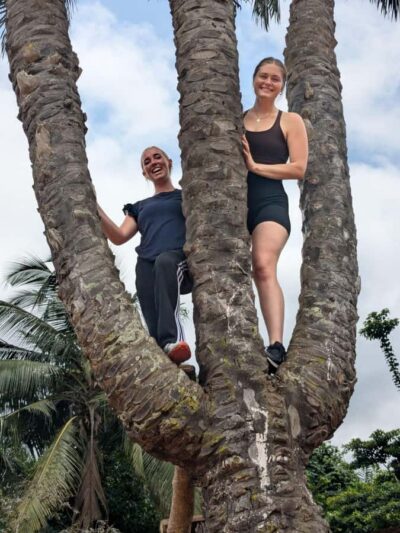
Boti Falls, Umbrella Rock, Aburi Gardens & Cocoa Farm Tour
Read our review →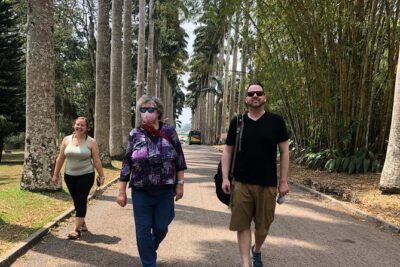
Experience Boti Waterfalls, Aburi Botanical Gardens & Tetteh Quarshie Cocoa Farm
Read our review →
Escape Accra City to Aburi Gardens and Tetteh Quarshie Cocoa Farms
Read our review →
Boti Falls, Umbrella Rock, Aburi Gardens & Cocoa Farm Day Tour
Read our review →
Aburi Botanic Gardens, Boti Falls,Umbrella Rock & Cocoa Farm Tour
Read our review →
Day Trip Near Accra – Visit Aburi Gardens, Waterfall & Cocoa Farm
Read our review →
Ghana Eastern Explorer – Boti Falls, Aburi Gardens & Tetther Quarshie Cocoa Farm
Read our review →Browse the lists this tour appears in